USA
Founded 1920, the Remington-Burnelli Airliner was produced in that year. Vincent Burnelli concentrated on the development of fuselage structures which would contribute some degree of lift, augmenting that of the wing.
Uppercu-Burnelli Aircraft Corp formed 1930 to develop the theories of Vincent Bumelli on aerofoil-shaped fuselage structures; occupied the former Aeromarine Plane & Motor Company plant at New Jersey. First project was Model 101 high-speed twin-engined transport developed from earlier Remington-Burnelli Airliner projects, the 1920 RB-2,1927 CU-16 and 1929 UB-20. Subsequently became the Bumelli Aircraft Corporation.
The Burnelli VB-14B transport of 1936 could accommodate a crew of two and 14 passengers in a fuselage which was virtually an integral part of the wing.
In 1935 the assets of Aeromarine Plane & Motor Co were sold to Burnelli Aircraft Corp.
Aircraft
Burlingame 1909 Monoplane
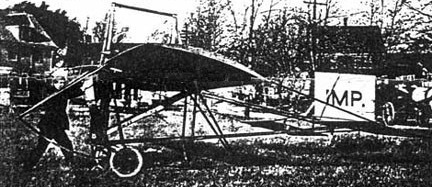
The 1909 Monoplane designed and built by Elmer A.Burlingame in the USA was one of the first monoplanes.
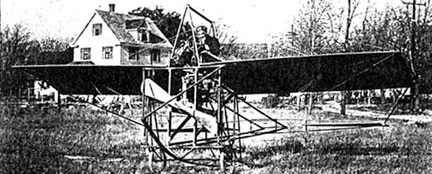
Burgoyne-Stirling Dicer
The Burgoyne-Stirling Dicer was a low-wing monoplane built in 1948, probably at Knowle, UK.
The Dicer flew with the officially un-sanctioned registration G-AECN, which had previously been allocated to an unfinished Pou de Ciel c/n DCB.1 of D.C. Burgoyne pre-war.
It was last hard of at Wymeswold, UK.
Burghart Doppeldecker
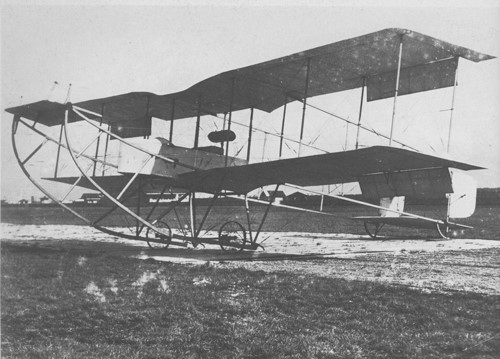
A biplane pusher with a closed nacelle and ailerons at upper and lower wings, built in München, Germany, during 1911-1912. A big rounded tube construction holds the elevator in front. Double rudder at the back.
Burgfalke M-150 Schulmeister
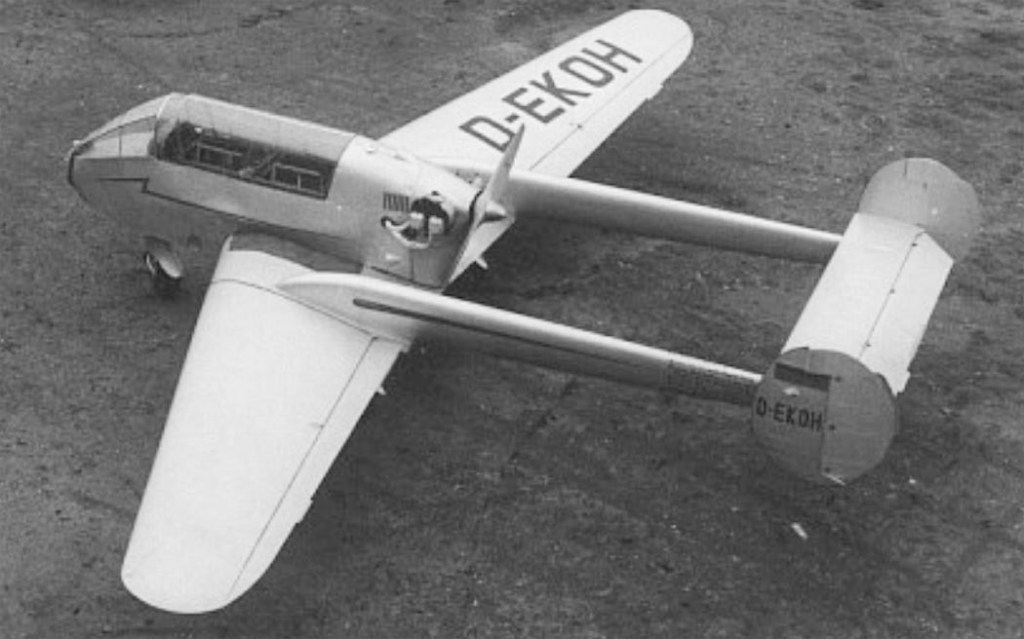
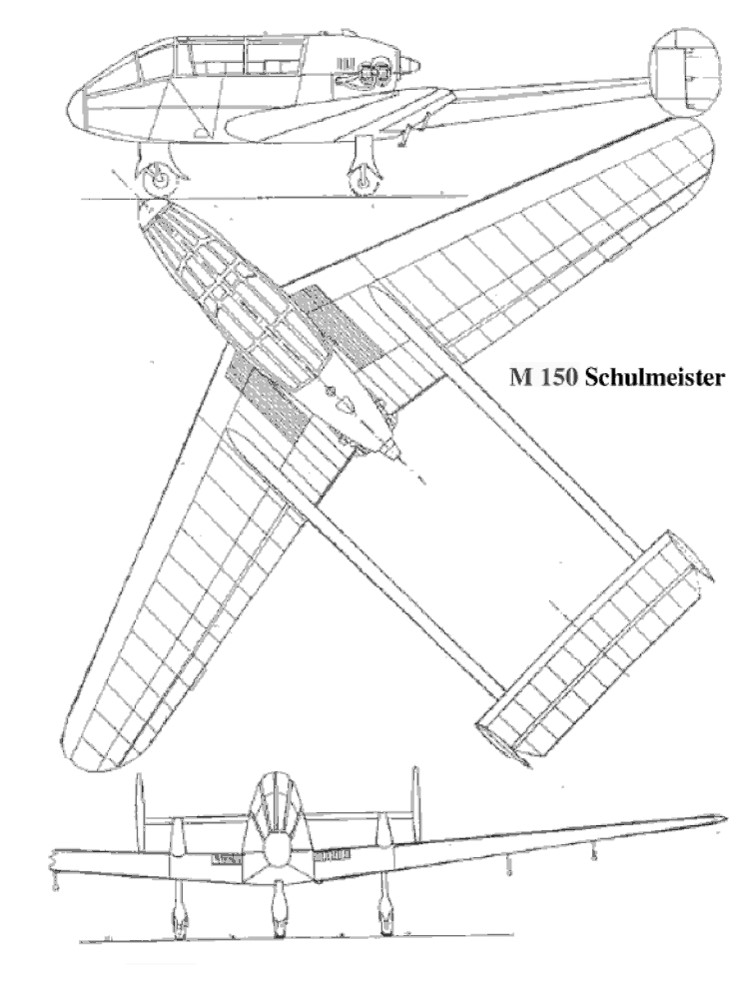
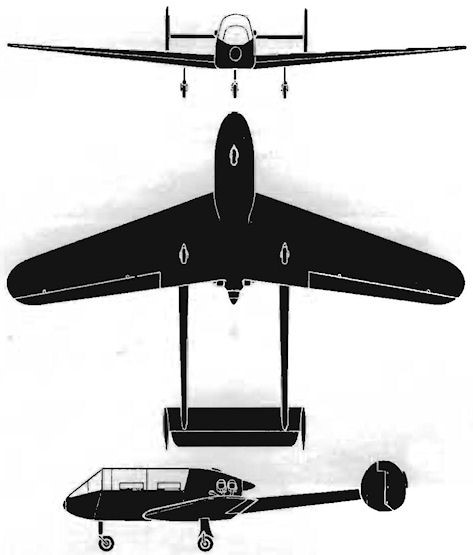
Developed from the A-15 (WN-16) aircraft, designed by the former Wiener-Neustadt company, the M-150 Schulmeister (Schoolmaster) is a two-seat, low-wing type, powered by a 65 hp Continental C90 incorporating a pusher propeller.
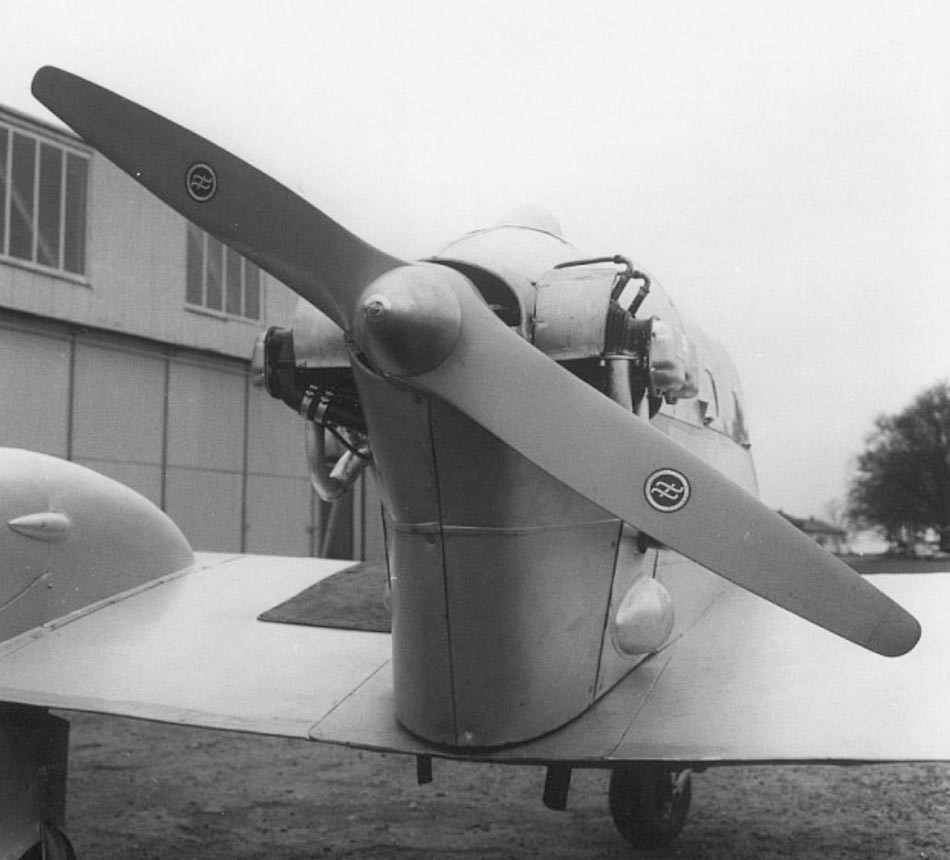
In the early 1950s, the German company Burgfalke Segelflugzeugbau became interested in the aircraft. Maidl modernized the project to meet new requirements resulting in 1956, with the M-150 Schulmeister.
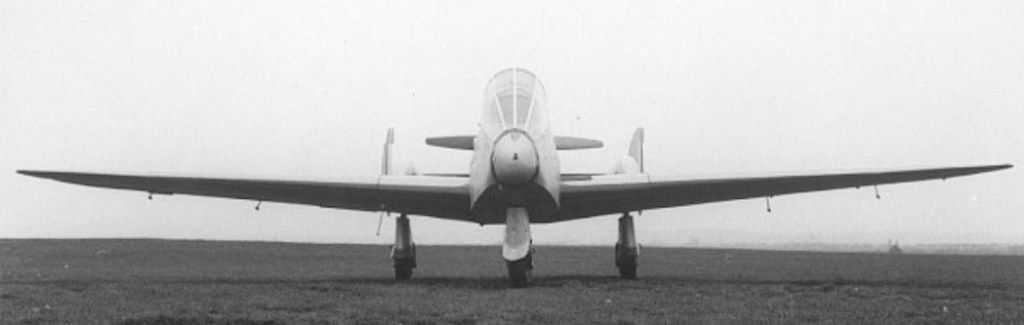
The M-150 is capable of simple aerobatics, and the makers claim that it is almost impossible to spin even under extreme flight conditions. Construction is of mixed wood and steel, the main structural members being of steel. The wing and tail units are mostly of wood, with the leading edge and undersides ply covered, and the upper surfaces fabric covered. Fuselage is of a tubular structure and fabric covered.
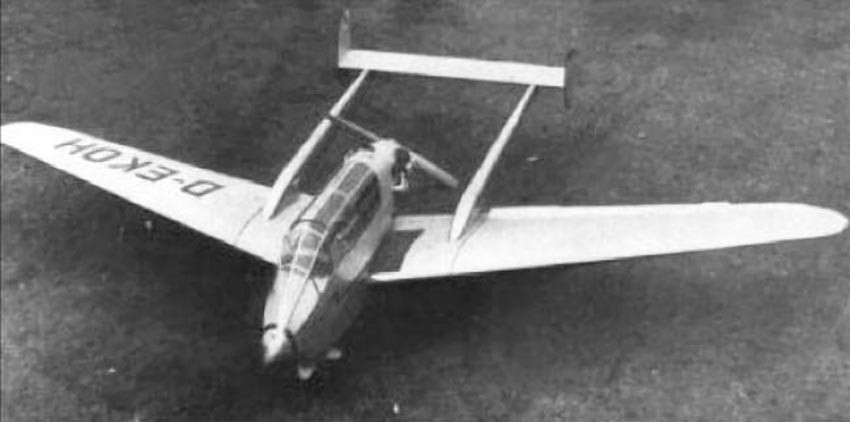
The prototype aircraft first flew on September 14, 1957. Having received the civil registration D-EKOH in the same year, the aircraft was tested, but could not interest potential customers.
M-150
Engine: Continental C90, 90 hp
Wingspan: 9.84 m
Wing area: 13.50 sq.m
Length: 7.27 m
Height: 1.80 m
Empty weight: 350 kg
Maximum takeoff weight: 590 kg
Maximum speed: 165 km/h
Cruise speed: 145 km/h
Practical range: 500 km
Practical ceiling: 4200 m
Crew: 2
Burgfalke Flugzeubau
Germany
Building originally examples of the Scheibe and Vogt sailplanes, Burgfalke developed a two-seat lightweight semi-aerobatic training aircraft designated M-150 Schulmeister. It was based on the WN-16, which had been designed by the Wiener-Neustadt company.
Burgess Military Aeroplane
Burgess-Curtiss Model D

A hybrid of Farman and Wright machines, it was completed after the Harvard-Boston Aero Meet in 1910, first tried at the end of 1910, and flown into 1911. Passenger flights were undertaken until it crashed in April 1911. Its power plant was a 60 hp Hendee V-8, while a proposed 50 hp Gnôme was never fitted.
Burgess K / D-1 / AB-6
The Burgess K was flown in April 1913 with a 70 hp Renault pusher engine. The two-bay biplane wings had inverted V-struts with a single tube metal spar, and wooden hull.
The single example built, purchased by the Navy, was taken into service as the D-1 (later AB-6) and was destroyed in a crash in early 1914.
Burgess K
Engine: 70 hp Renault
Span: upper 40’9″ lower 35’5″
Length: 30’9″
Seats: 2

Burgess Dunne Seaplane / AH-7

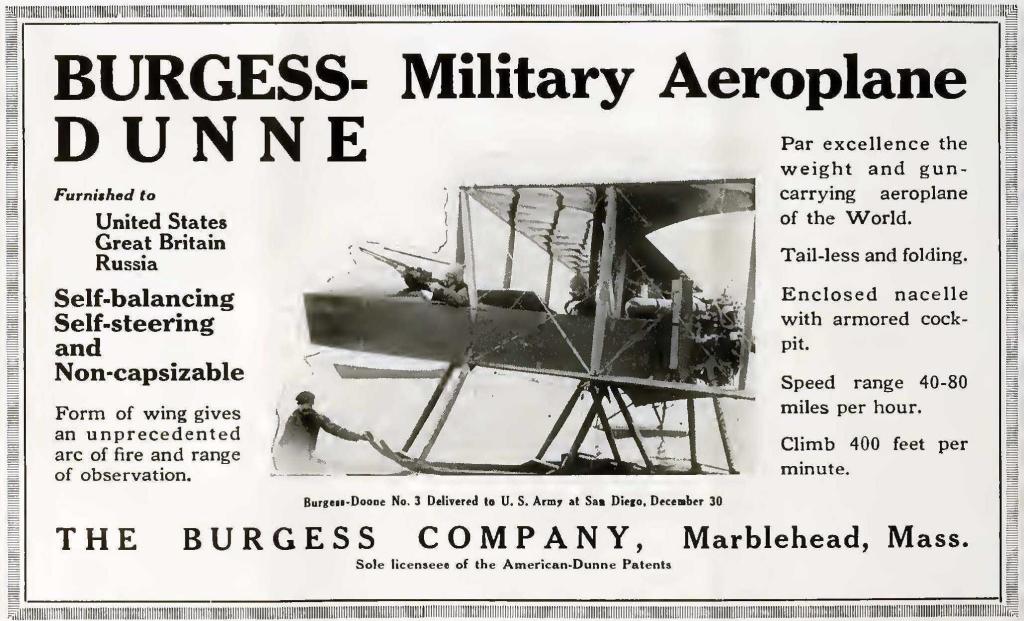
Canada’s first military aircraft was this 1914 seaplane, one of several built in America to the designs of J.W.Dunne.


