In 1930 R C Lusk & R M Weller partially built the Model 1 monoplane with a 100hp Kinner engine. Apparently it was not completed but registration was applied for and issued as N334V c/n EX-1, but cancelled on 4 March 1930.
Aircraft
Weller-Lusk
R C Lusk & R M Weller
Burbank CA.
USA
Circa 1930
Weller UW-9 Sprint
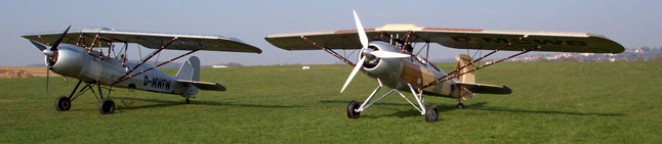
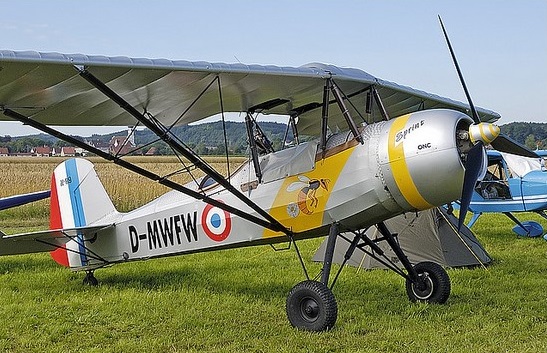
In production in 2012, the Weller UW-9 Sprint is a German ultralight aircraft designed and produced by Weller Flugzeugbau of Bibersfeld.
The UW-9 is intended as a nostalgic 1930s style design that would comply with the Fédération Aéronautique Internationale microlight rules. It features a strut-braced parasol wing, a two-seats-in-tandem open cockpit, fixed conventional landing gear and a single engine in tractor configuration.
The aircraft fuselage is made from welded steel tubing, with bolted-together aluminum tubing spar ladder-construction wings, all covered in doped aircraft fabric. Its wing has a cut-out in the centre trailing edge for rear cockpit access. The wing is supported by “V”-struts and jury struts. The tailplane is also supported by “V”-struts.
Standard engines available are the 70 hp (52 kW) Sauer UL 2100, the 75 hp (56 kW) Limbach L2000EA, the 100 hp (75 kW) Rotax 912ULS four-stroke powerplants, or the 85 hp (63 kW) Rotec R2800 radial engine. The Sprint is approved for aero-towing gliders and banner towing in Germany.
Specifications (version)
The aircraft is supplied as a kit for amateur construction or as a complete ready-to-fly-aircraft. The 2011 unit cost was €55,000.
Engine: 1 × Sauer UL2100 four cylinder, air-cooled, four stroke aircraft engine, 52 kW (70 hp)
Propellers: 3-bladed composite
Length: 5.7 m (18 ft 8 in)
Wingspan: 9.8 m (32 ft 2 in)
Height: 2.5 m (8 ft 2 in)
Wing area: 13.3 m2 (143 sq ft)
Empty weight: 290 kg (639 lb)
Gross weight: 472.5 kg (1,042 lb)
Fuel capacity: 87 litres (19 imp gal; 23 US gal)
Maximum speed: 170 km/h (106 mph; 92 kn)
Cruising speed: 130 km/h (81 mph; 70 kn)
Stall speed: 62 km/h (39 mph; 33 kn)
Range: 630 km (391 mi; 340 nmi)
Endurance: 7 hours
Maximum glide ratio: 10.5:1
Rate of climb: 6.8 m/s (1,340 ft/min)
Wing loading: 35.5 kg/sq.m (7.3 lb/sq ft)
Crew: one
Capacity: one passenger
Weller Uli NG
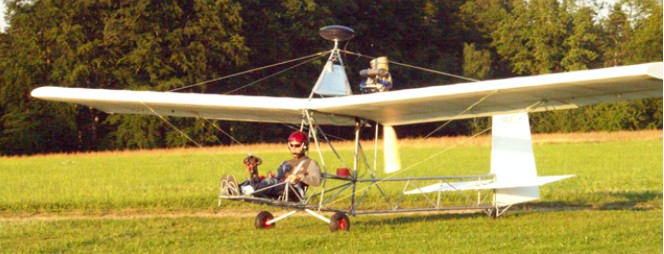
The Weller ULI NG (New Generation), sometimes called the Weller Uli NG, is a German ultralight aircraft, designed and produced by Weller Flugzeugbau of Bibersfeld. It was introduced at the Aero show held in Friedrichshafen in 2010. The aircraft is supplied as a complete ready-to-fly-aircraft.
Wingspan: 9,68 m
Wingarea: 12,78 sq.m
Length: 5,92 m
Empty weight: 116 kg
MTOW: 220 kg
Stall: 45 km/h
Max speed: 95 km/h
Climb rate: 2 m/s
Cruise: 65-85 km/h
Endurance: 2:30 Std.
Range: 150 km + Reserve
Welch 1938 aeroplane
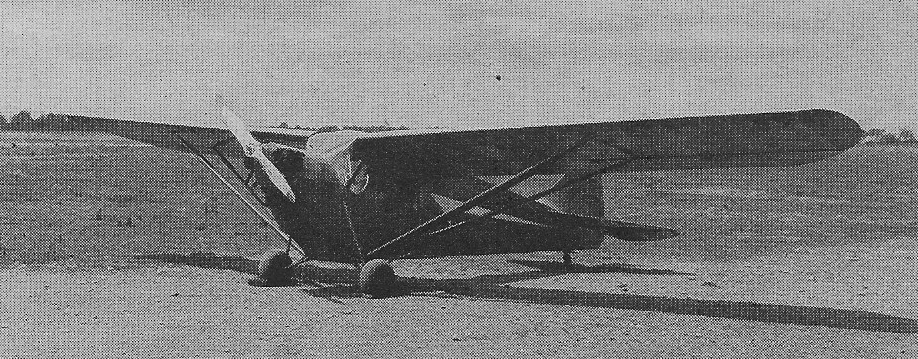
The 1938 Welch was designed for touring and for training.
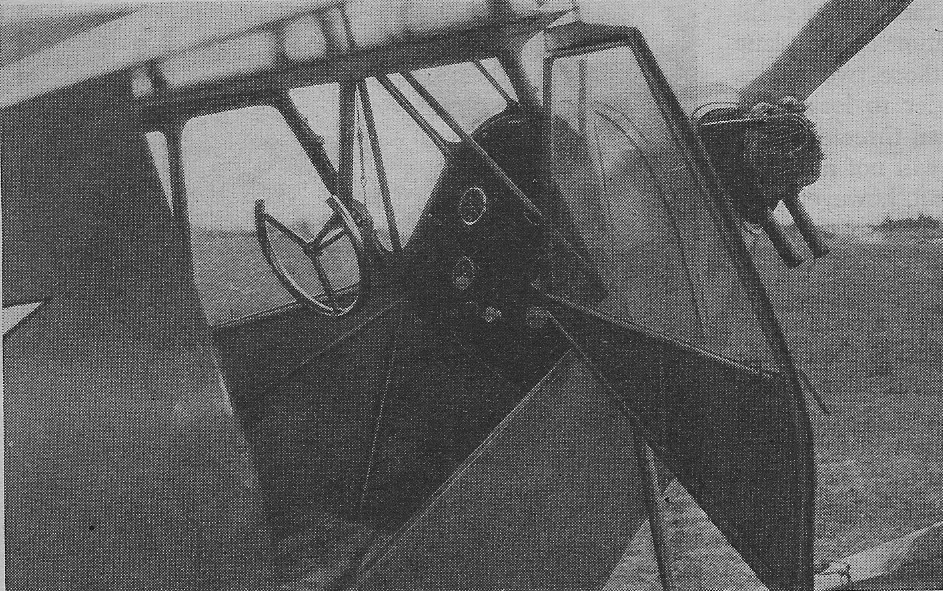
The overhead change-over wheel control gives uninterrupted leg room. Seating for two is side-by-side.
Wingspan: 34 ft 5 in
Empty weight: 515 lb
Payload: 368 lb
Top speed: 96 mph
Cruise: 85 mph
Stall: 29 mph
Weiss Olive
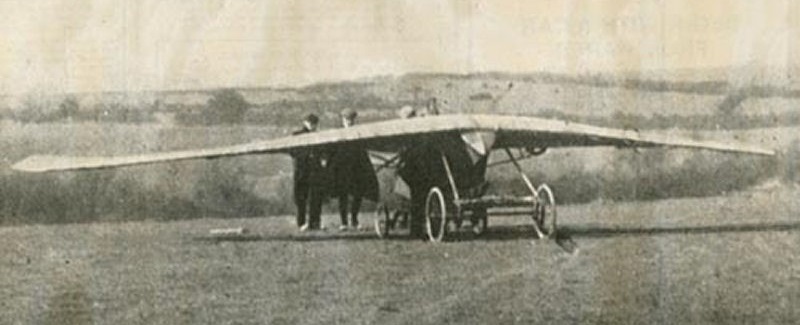
While working for Pemberton Billing, Eric Gordon England met José Weiss, who designed and built tailless gliders, and England became an assistant to Weiss. On 27 June 1909, Gordon England flew a Weiss glider (named Olive after one of Weiss’s five daughters), at Amberley Mount, Sussex, on a height-gaining flight that reached 100 feet. It is the first recorded soaring flight, and is considered to be the birth of the sport of Gliding.
Weiss WM23 Ezustnyil
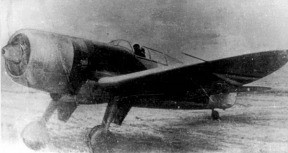
Fighter Protoype, Hungary, first flown September 1941
Engine: WM K 14B, 986 hp
Wingspan: 34.777 ft / 10.6 m
Wing area: 252.954 sqft / 23.5 sq.m
Length: 35.433 ft / 10.8 m
Height: 11.647 ft / 3.55 m
Max take off weight: 7254.5 lb / 3290.0 kg
Max speed: 286 kts / 530 km/h
Wing load: 28.7 lb/sq.ft / 140.0 kg/sq.m
Endurance: 2 h
Crew: 1
Armament: 2 x 7.62 mm Gebaur MG, 2 x 20 mm MG151

Weiss WM-21 Sólyom
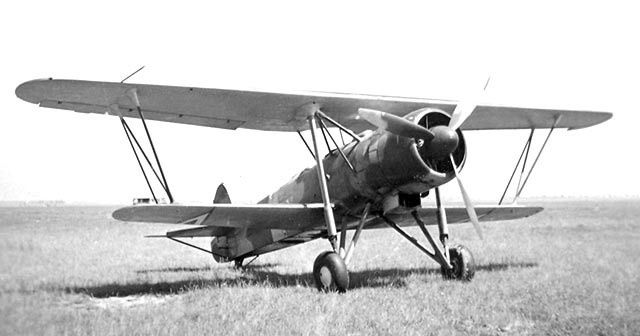
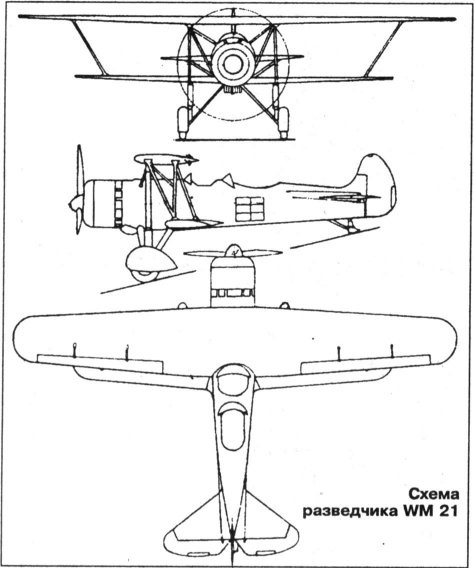
The Weiss WM-21 Sólyom (English: Falcon) was a 1930s Hungarian light bomber and reconnaissance biplane developed by the Manfred Weiss company from the earlier WM-16 which was based on the Fokker C.V.
A single-engine biplane of mixed construction with fixed landing gear, the WM-21 was designed to replace the WM-16, which was considered unsuitable for operational service. The WM-21’s structure was strengthened, and the aircraft received a new, more efficient wing set. A tailskid was fitted to allow for shorter landing runs on grass airfields. The Sólyom was powered by a 870 hp (649 kW) Weiss WM-K-14A radial engine.
A total of 128 aircraft were built by three different factories, Manfred Weiss built 25, 43 by MAVAG in Budapest, and 60 by MWG, State Railcar (“Giora vagongiar”) in Gyor.
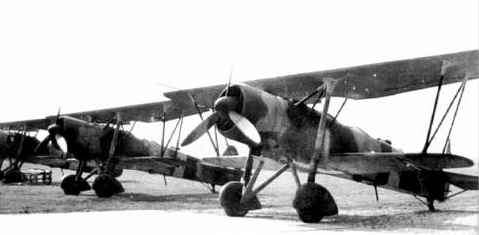
The first aircraft entered service in 1939 with short-range reconnaissance units, although active during the 1940 dispute with Romania their first active operational use was during the Axis invasion of Yugoslavia in August 1941. From June 1941 they were used to support Hungarian Army units in Ukraine and then against Soviet partisans. Around 80 aircraft were also transferred to duties as trainers, as they were removed from operational use, until 1945.

WM-21 Scouts participated in the conflict with Romania in August 1940, they even bombed one of the Romanian airfields. Since the beginning of 1941 WM-21 is gradually transferred to the “second line”, but they are still quite a lot left in the combat units. In April – May 1941, several squadrons of the aircraft involved in the invasion of Yugoslavia. After the outbreak of war with the Soviet Union on the German side they used the Hungarian army in the Ukraine, the Don, Stalingrad in 1941-43. The last case of their appearance on the eastern front was recorded in March 1943, near Kharkov. Later they served as training and used against guerrillas in the occupied areas of the USSR. WM-21B stopped producing in early 1942
WM-21
Engine: 1 × Weiss WM-K-14A, 650 kW (870 hp)
Upper wingspan: 12.90 m (42 ft 4 in)
Lower wingspan: 9.40 m (30 ft 10 in)
Length: 9.64 m (31 ft 8 in)
Height: 3.5 m (11 ft 6 in)
Empty weight: 2,300 kg (5,071 lb)
Gross weight: 3,400 kg (7,496 lb)
Maximum speed: 320 km/h (199 mph; 173 kn)
Range: 750 km (466 mi; 405 nmi)
Guns: 3 x 7.9mm (0.31in) Gebauer machine-guns
Bombs: 12 x 10kg (22lb) Anti-personnel bombs or 60 x 1kg (2.2 lb) incendiary bombs
Crew: 2
WM-21B
Engine: WM 14KB, 1030 hp
Wingspan: 12.90 m
Wing area: 30.40 sq.m
Length: 9.64 m
Height: 3.58 m
Empty weight: 2300 kg
Maximum take-off weight: 3500 kg
Maximum speed: 380 km / h
Cruising speed: 336 km / h
Range: 700 km
Service ceiling: 8500 m
Crew: 2
Armament: three 7.9-mm Gebauer 34 M machine guns
Bombload: 300 kg
Weiss WM-16 Budapest
The Hungarian Royal Air Force acquired 76 Fokker C.V, mostly built under licence by Manfred Weiss (WM).
WM improved the Fokker C.V which resulted in the WM-16 Budapest, with 18 built in two variants.
The WM-16 was developed int the WM-21 of which 128 were built.
WM-16B
Engine: WM 14KB
Weiss
Weiss, Manfred, Flugzeug Und Motorenfabrikag.
Hungary
One of Hungary’s largest industrial organizations; opened an aircraft department at Budapest 1928, beginning with license-production of Fokker F.VIII and C.V and Bristol Jupiter engine. Built first of its own designs 1931; produced two-seat biplane 1936.
 All Aero