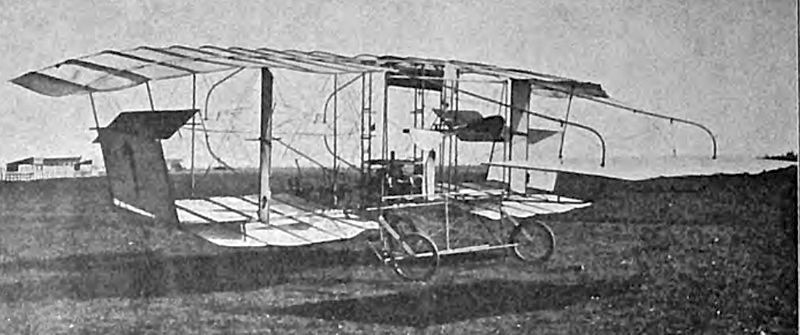
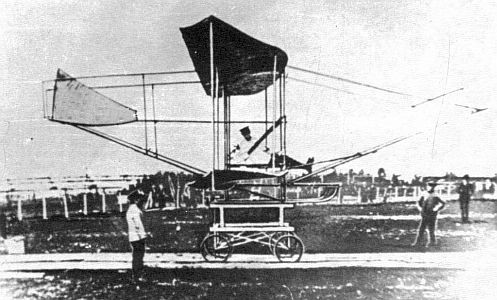
Mario Cobianchi was a Bolognese designer and draftsman, who had Sicilian-born engineer Franz Miller build his 1909 Brescia biplane, powered by a 100 hp Miller engine. It was originally intended to have both a helicopter-like propeller on the top wing and a pusher propeller in the rear.
Even after being modified several times, it never did get off the ground except for a few brief hops. After being strengthened and modified from its original state, it was entered in the Circuito Aereo Internazionale di Brescia, Brescia, Italy, September 8th – 20th 1909, but it still didn’t fly.
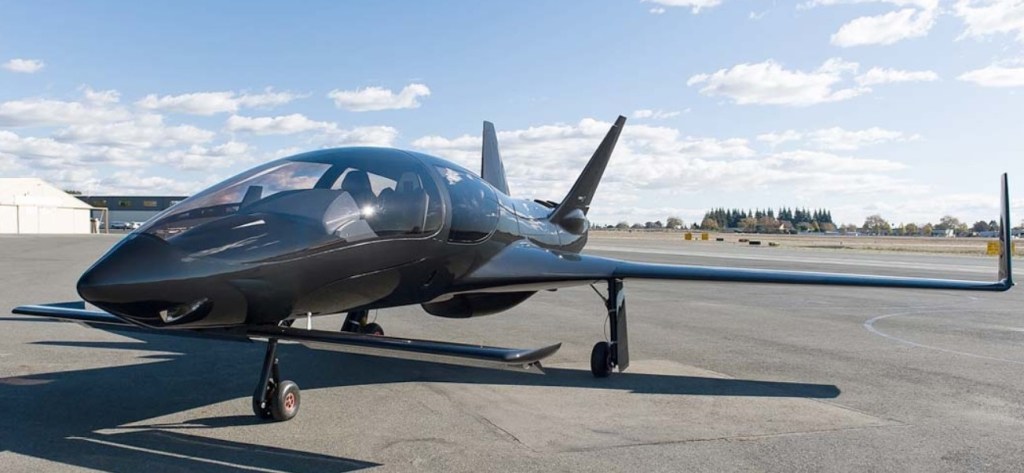
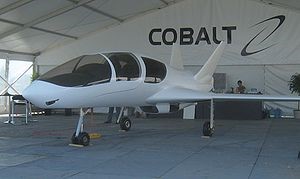
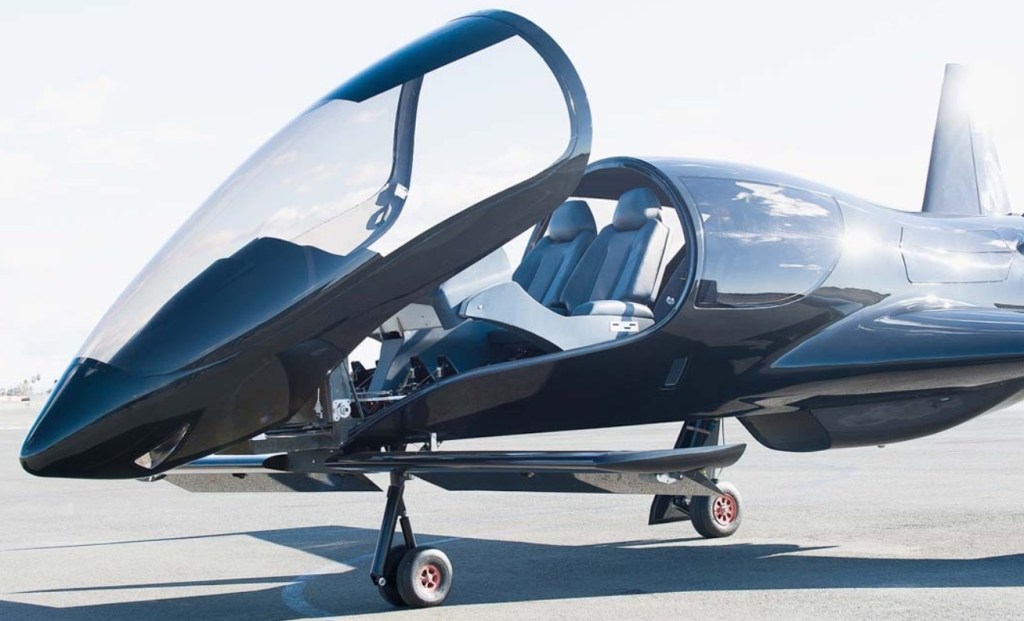
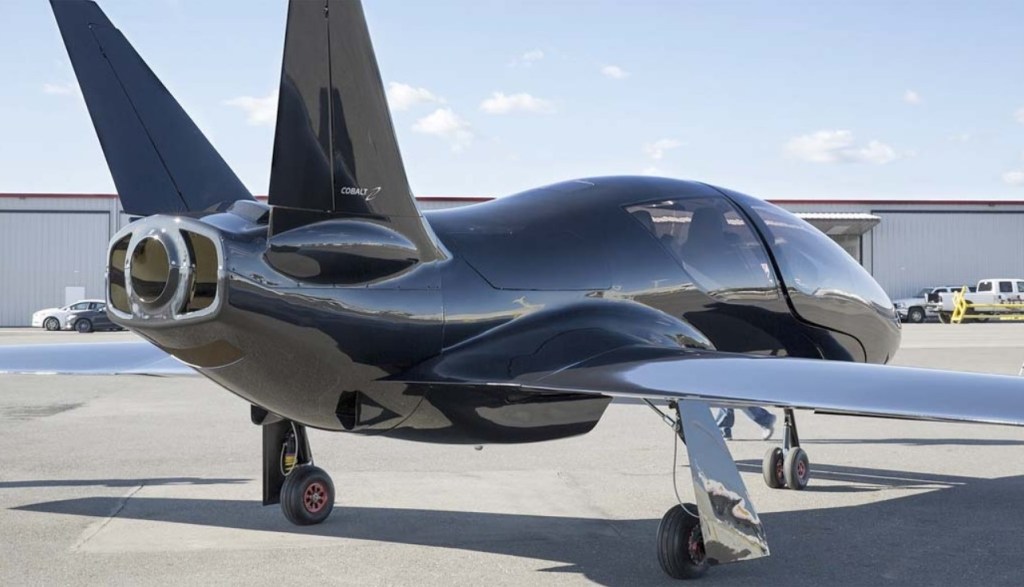
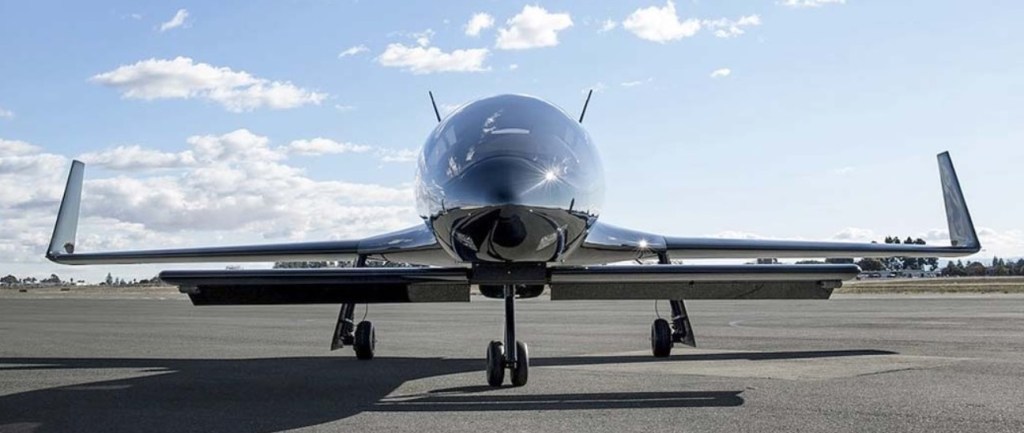
The Cobalt Co50 Valkyrie is a single-engine, four to five-seat homebuilt aircraft, arranged in a canard, pusher configuration.
The composite design incorporates retractable landing gear, a pusher engine configuration, a canard, twin vertical stabilizers and automatic airbrakes. A ballistic parachute is provided as an option. Passenger entry is by a large forward fold down door.
incomplete prototype
The airframe is made of AGATE carbon composites, Carbon-Nomex material is used in the design of rudders and flaps, the design of retractable landing gear is made of aluminum and steel alloys, Hartzell variable pitch propeller blades are aluminum.
First flown in January 2015, the light aircraft was intended for private ownership and was initially being developed by Cobalt Aircraft of San Francisco, California, United States, but the company ceased operations in July 2018 and the design was then being developed by the Centauri Aircraft Company.
The second prototype Co50 was crashed in September 2017 following a loss of aileron effectiveness in flight on a flight test at Castle Airport. The pilot was landing the aircraft using rudder and thrust only when lift was lost at an altitude of about ten feet. The aircraft impacted the ground, the right main landing gear leg separated and the wing was damaged. The pilot was not hurt.
Initially the Co50 was to be sold as a kit for amateur construction, but the manufacturer intended to eventually achieve type certification. Certification was unlikely to occur before 2018, not least due to the electronics Cobalt has chosen being untested for aircraft use.
Reportedly seven were built.
Co50 Engine: 1 × Continental TSIOF-550-D, 350 hp (260 kW) Wingspan: 30 ft (9.14 m) Length: 30 ft (9.14 m) Height: 10 ft (3.05 m) Max takeoff weight: 3,417 lb (1,550 kg) Fuel capacity: 109 U.S. gallons (410 L; 91 imp gal) Cruise speed: 250 kn (290 mph, 460 km/h) maximum cruise at FL250 Range: 1,434 nmi (1,650 mi, 2,656 km) economy cruise at FL220 Service ceiling: 25,000 ft (7,600 m) Time to altitude: 12 minutes to 10,000 feet Crew: one Capacity: three or four passengers
With the experience gained from building the SA.II J.R.Coates started building a simplified SA.III (G-BAAH, c/n SA.IIIl, PFA.1590) which was to be more suitable for homebuilding. It was to be available in either all-wood or all-metal versions.
The Coates Swalesong SA.II was designed and built by J.R.Coates. A low-wing monoplane with tricycle undercarriage, two-seater, side-by-side, under a rearward sliding canopy. It was of all-wood construction.
The prototype, G-AYDV, c/n SA.II, PFA.1353, made its first flight from Panshanger, Rush, Green, UK, on 10 September 1973, powered by a converted Lycoming PC-60 GPU.
A biplane glider with identical unstaggered wings and relatively short tailbooms. The machine had a skid landing gear where the start was done on a four-wheel trolley. Coandă designed the machine, Joachim built it in his workshops and Caproni was named as a “mate” of Coandă [he himself stated that he did not contribute to the machine).