In 1937 built PT-6F biplane light freighter, a two-seat development of PT-6 with 512kg payload and Wright Whirlwind engine. Company ceased building complete aircraft and produced subcontract aircraft components for other firms during Second World War.
Aircraft
Cunningham-Hall GA- 21M / GA-36
A developed version of the Model X-90(N) (also high-lift wings) led to GA- 21M all-metal monoplane in 1934, which reappeared after a year or so as GA-36 with Super Scarab engine.
Cunningham-Hall X-90(N)
The Model X-90(N) was a tandem two-seat biplane with special high-lift wings, entered for 1929 Guggenheim Safe Airplane Competition.
Cunningham-Hall PT-6
First aircraft built was a six-seat passenger transport (twin-engined PT-6), but only two built.
Cunningham-Hall Aircraft Corp
USA
Randolph F. Hall, with other ex-employees of Thomas- Morse Aircraft Corporation, formed this company at Rochester, NY, in 1928, in collaboration with the U.S. automobile company James Cunningham, Son & Co. First aircraft was a six-seat passenger transport (twin-engined PT-6), but only two built. Followed by Model X-90(N) tandem two-seat biplane with special high-lift wings, entered for 1929 Guggenheim Safe Airplane Competition. A developed version (also high-lift wings) led to GA- 21M all-metal monoplane in 1934, which reappeared after a year or so as GA-36 with Super Scarab engine. In 1937 built PT-6F biplane light freighter, a two-seat development of PT-6 with 512kg payload and Wright Whirlwind engine. Company ceased building complete aircraft and produced subcontract aircraft components for other firms during Second World War. It was dissolved in 1948.
Cunliffe-Owen Concordia
In 1946 began design of airliner, the Concordia 10-seat passenger transport, first flown May 1947. Prototype and one other built, but work suspended November 1947 owing to insufficient orders.
Cunliffe-Owen O.A.1
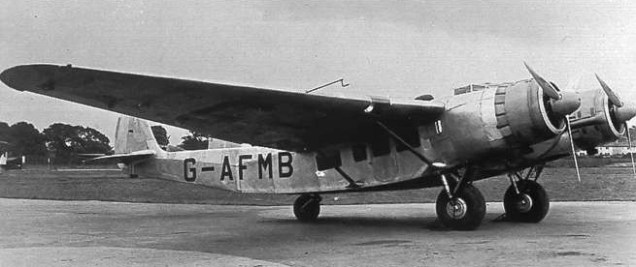
First product was improved version of Burnelli UB-14 known as O.A.1 (two crew, 15 passengers). Second version (three crew, 20 passengers) designed as O.A.2, but not produced owing to outbreak of war. France acquired O.A.1 and used it in Africa during the war.
Cunliffe-Owen Aircraft Ltd
UK
Cunliffe-Owen Aircraft Ltd was founded 1938 at Southampton Municipal Airport, Eastleigh, Hampshire, to build “flying wing” (lifting fuselage) aircraft based on Burnelli concept. First product was improved version of Burnelli UB-14 known as O.A.1 (two crew, 15 passengers). Second version (three crew, 20 passengers) designed as O.A.2, but not produced owing to outbreak of war. France acquired O.A.1 and used it in Africa during the war. Extensive subcontract work for Air Ministry undertaken, mostly “anglicizing” U.S. Consolidated Vultee, Lockheed, and Martin Lend-Lease aircraft for RAF. Late 1945 converted a number of Lancaster B.lll bombers for air/sea rescue. In 1946 began design of airliner, the Concordia 10-seat passenger transport, first flown May 1947. Prototype and one other built, but work suspended November 1947 owing to insufficient orders. Also built that year the prototype W.10 helicopter for Cierva; this project shelved too, and shortly afterwards company abandoned its aviation interests.
Cunard Steamship Co
UK
Cunard built factory at Aintree late 1917/early 1918 after receiving contract on November 22,1917 to build 500 Bristol Fighters. Production began March 1918, although in the previous month factory had been taken over by Ministry of Munitions and renamed National Aircraft Factory No 3. Production ended after only 126 aircraft completed.
Culver 1911 monoplane
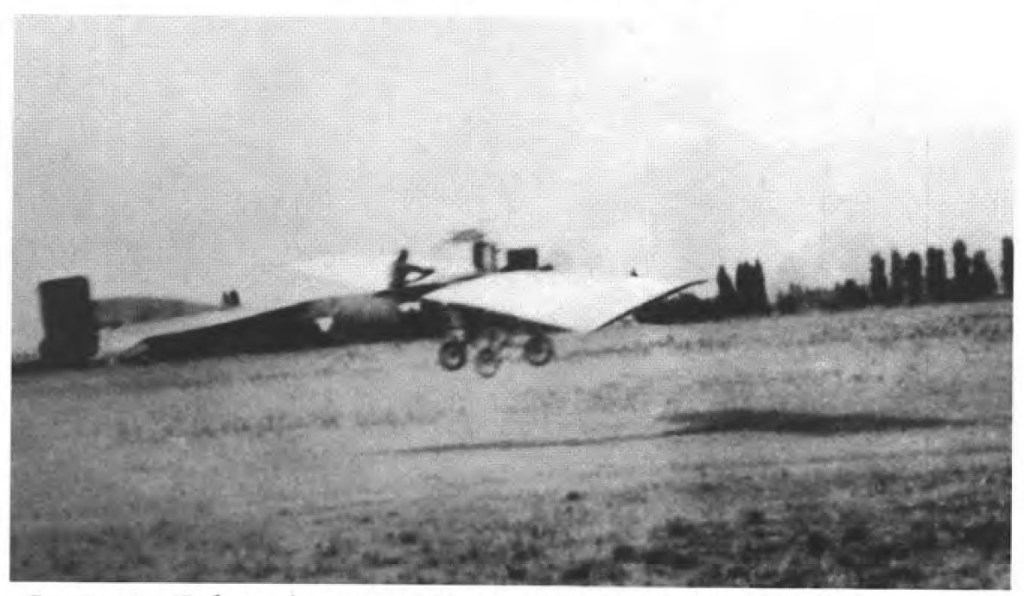
Lagar Culver of Salt Lake City started a monoplane in December 1910. It reportedly flew several times at the Lagoon race track up to August 1911, but wasn’t satisfactory.

