The Whittemore-Hamm L-2 and L-3 built in 1917 were fabric-covered, laminated-wood fuselage trainers developed for Army interest, of which there was none. With two seats and open cockpit, one each was built, the L-2 sold to the Boston Post.
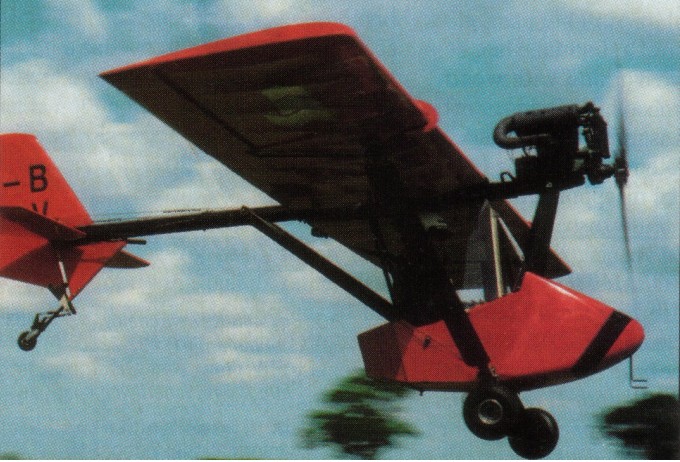
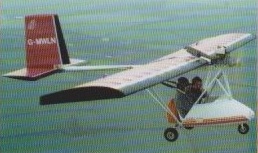
The MW-7 is a scratch-built only, single seat, aerobatic microlight. Designed in 1986, the wing area was too small for the UK ultralight category. Construction is tube and fabric. The wings can be folded. Designed to meet British section PPL-A requirements in accordance with ARB paper 98 aerobatic requirements.
By 1998 ten examples had flown.
Plans were being sold be the Vintage Ultralight Association.
Engine: Rotax 503, 52 hp HP range: 52-65 Length: 15 ft Wing span: 22 ft Wing area: 88 sq.ft Empty weight: 320 lb Gross weight: 600 lb Fuel capacity: 5-10 USG Vne: 110 mph Cruise: 55 mph Stall: 35 mph Rate of climb: 800 fpm Takeoff dist: 150 ft Landing dist: 125 ft Service ceiling: 15,000 ft Seats: 1 Landing gear: tailwheel LSA: yes
Engine: Rotax 503, 50 hp Wing span: 6.70 m Wing area: 8.20 sq.m MAUW: 273 kg Empty weight: 145 kg Max speed: 185 kph Cruise speed: 120 kph Minimum speed: 65 kph Climb rate: 5.1 m/s Seats: 1 Plan price (1998): £60
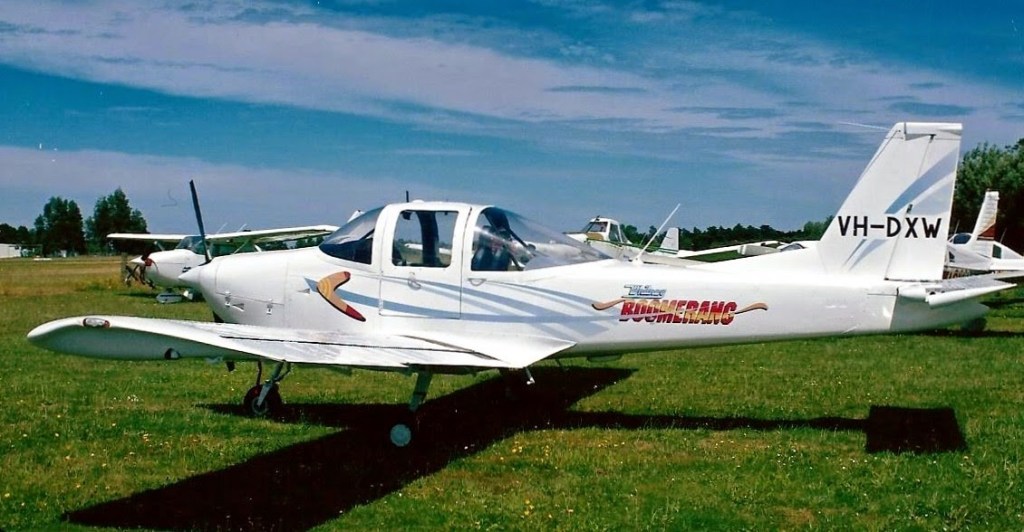
The ‘official’ first flight of the Whitney Boomerang was at manufacturer Dean Wilson Aviation’s Kingaroy Queensland on 16 July 2006. The real first flight was conducted a couple of days earlier.
The Whitney Boomerang was designed by C W (Bill) Whitney and gained FAA23 certification on December the 18th 2007 – the fifth Australian designed aircraft to do so.
A distinctive feature of the fuselage is a 4130 tubular steel frame cockpit cage tested to withstand 12g forward loads, that also provides roll-over and side intrusion protection.
It is powered by a Lycoming O-235-N2C engine and a McCauley 1A135/JCM7147 propeller. MCTOW is 825kg.
It went into production as the DW200 Whitney Boomerang with Dean Wilson Aviation’s Queensland Aviation Manufacturing division at Kingaroy, Queensland in 2006 and first flew that July. It was hoped that it would be a replacement for the Piper PA-38 Tomahawk and the Cessna 152. It was demonstrated on numerous occasions and even made the flight to NZ arriving at Kerikeri on 03-10-2008.
New Zealand Type Acceptance was been granted to the Dean-Wilson DW200 Series (also known as the Whitney Boomerang) on 24-10-2008 based on the FAA and CASA type certificates. The application for New Zealand type acceptance of the Model DW200 was from the manufacturer, dated 7 October 2008.
Ardmore NZ January 2009
The new Boomerang made an ‘official’ first flight on 16 July 2006. The first real flight was a few days earlier.
Following the gaining of its NZ certification VH-DXW returned across the Tasman Sea to Australia.
The launch customer was Minovation Flying Training at Jandakot, Perth and then with Flight One at Archerfield, Brisbane. Foreign interest faded after a burst of initial interest and an order for 10 aircraft from India.
2007
Due to lack of sales the assets of the collapsed Dean-Wilson Aviation company at Kingaroy were offered for sale. On 27-05-2011 an advert in the “Australian” newspaper invite expression of interest in acquiring the assets of the Companies manufacturing the Whitney Boomerang. This included the type certificate, plant and equipment, parts and tooling and the hangar housing the facility at Kingaroy.
Engine: Lycoming O-235, 115 hp / 86 kW MTOW: 750 kg / 1653 lb Cruise: 95 kt / 176 kph Load: +4.0 / -2.2 g
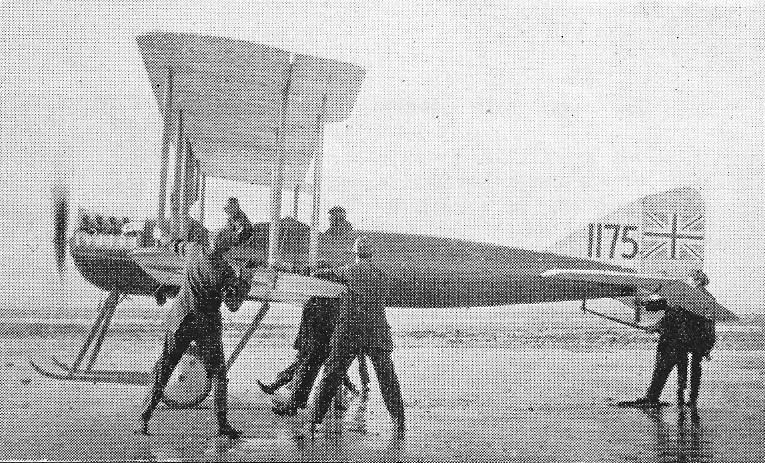
The Bognor Bloater gained its nickname from the scaley effect created by copper wire-stitching the cedar plywood covered monococque fuselage.
The 1915 Bognor Bloater tractor biplane is believed to have been the first aircraft in production with a monocoque fuselage. Twelve were ordered for the RNAS, but only 10 were delivered.






 All Aero