John C Wieber built, in 1934, a two-place open cockpit biplane, powered by a 100hp Curtiss OXX-6 and registered N13694 c/n JW-53. The registration was cancelled on 1 August 1937.
One reference found as being N5249, possibly a rebuild of American Eagle A-1 c/n 159.
Wickner Aircraft of Australia, formed by Geoffrey Wickner in 1929 to build the high-wing Wizard monoplane and light single-seat Lion monoplane. Rebuilt several Avro Avians before helping to form Foster Wickner. Cheap and efficient aircraft were the hallmark of Geoffrey N. Wikner, who achieved a measure of success in his own country with his Wicko and Wicko Lion sports monoplanes, before setting up in Britain.
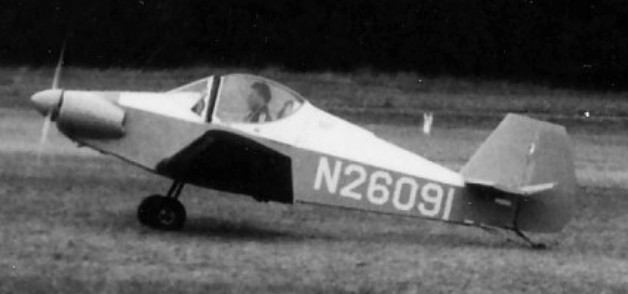
The Wickham Model E Sunbird II is a single seat homebuilt aircraft designed by engineer James M. Wickham.
The Sunbird II is a single place low wing aircraft made primarily of wood. It differs from the Model C by employing tricycle landing gear, a larger wing, and power from a larger 1835cc VW engine.
The Wickham E was the fifth of six designs by Wickham, which first flew on August 8, 1979 at Arlington, WA. The aircraft was lost following a spin test where the aircraft did not recover on July 20, 1980.
Only the one was ever built.
Engine: VW, 1835cc Propeller: 2-bladed 54/40 Wingspan: 26 ft 8 in / 8.13 m Wing area: 82 sq ft / 7.6 m2 Aspect ratio: 8.7 Length: 18 ft / 5.5 m Height: 7 ft / 2.1 m Maximum speed: 104 kn / 193 km/h / 120 mph Seats: 1
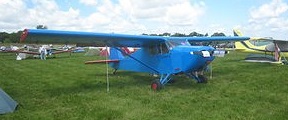
The A Bluebird built in 1955 by Boeing engineer James Wickham, N4944V, was all-metal construction. A high-wing, cabin, monoplane, first flying with a 115hp Lycoming, it was later repowered with a 135hp Lycoming.
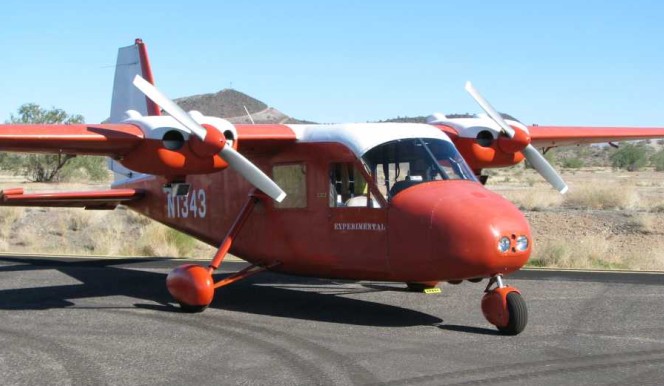
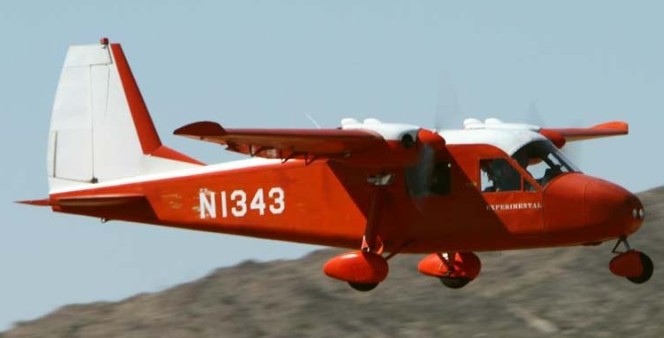
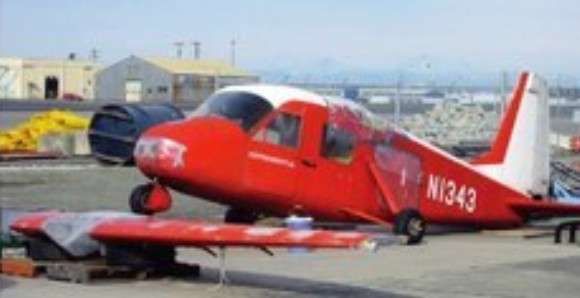
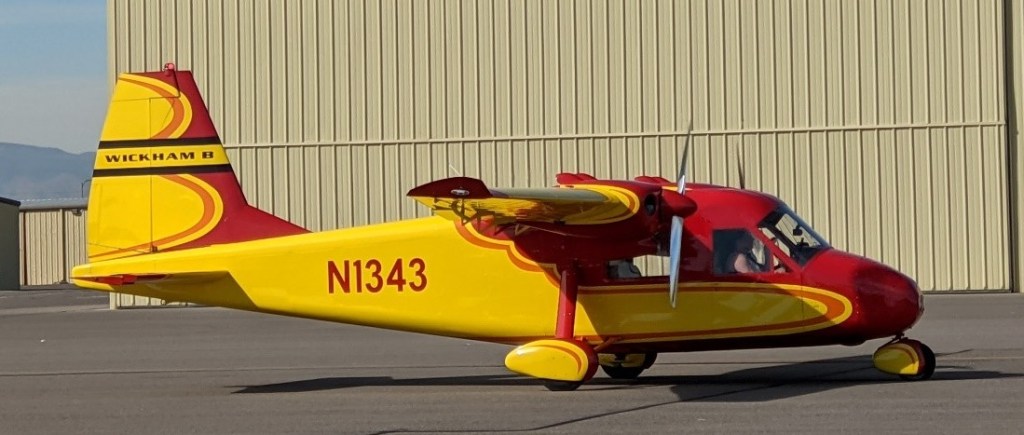
The Wickham B twin engine homebuilt aircraft was designed by Boeing engineer Jim Wickham in order to fly safely on one engine over the Seattle area, and completed in 1968.
The model B is a high-wing, fixed tricycle landing gear, all metal, twin engine aircraft. The aircraft uses all aluminum construction with fiberglass cowlings, nose cone and wheel pants. The wings are configured with Fowler flaps. The two 25 U.S. gallons (95 L; 21 imp gal) fuel tanks are independent of each other. There is no cross-feed. The aircraft uses a throw-over yoke control, similar to a Beechcraft Bonanza.
The aircraft cost US$7,000 in 1968. Help by Wickham able to purchase scrap aluminium from a Boeing surplus store at 10c in the dollar.
Jim Wickham put more than 600 hours on his craft and the Wickham B was donated to the Seattle Museum of Flight to avoid any product liability issues. The craft was later traded to the South Seattle Community College for an F-4 Phantom.
Eventually Boeing Field hanger area was to be remodeled and the Wickham B had to go. The aircraft was sold to Austin Ballard, dismantles, and moved to Everett, Washington.
In 2002, the aircraft was sold and restored to flying condition. Many parts had been missing but were recovered. The restoration and flight was completed in 2005.
By 2012 it was owned by Curtis Clark of Scottsdale AZ.
Performing a test run-up at its home airport (KDVT) on February 23, 2021. (courtesy Rom Solene)
Engineer James M. Wickham had studied engineering at Ohio State University, and graduated from MIT as an Aeronautical Engineer. Wickham’s career began at Chance-Vought, then in 1938 joined the Stearman division of Boeing. Starting in the 1950s, Wickham started designing and building his own series of homebuilt aircraft.
 All Aero