In 1964 Uetz Flugzeugbau a redesigned four-seater, the U4M Pelikan, also went into production.
Monoplane
Uetz U2V
Uetz Flugzeugbau developed an improved version of the French Jodel D119 two-seat lightplane known as the Uetz U2V, first flown 1962. Series production began in 1964.
Udet U-11 Kondor

The U 11 (Werk.N. 243) was completed in December 1925, and was the largest aircraft produced by Udet Flugzeugbau, München-Ramersdorf, following an order by Deutscher Aero Loyd. It was an open-cockpit design with side-by-side seating for the two pilots. The navigator’s station was located in the very front of the aircraft, ahead of the pilots. The fuselage was constructed from Duralumin profiles and covered by Duralumin sheets. It could seat eight passengers and also contained a toilet and a luggage compartment.
The wings, featuring two main spars, were manufactured from wood, with fabric covering and a plywood-reinforced leading edge. The empennage consisted of Duralumin tubing and profiles, also covered with fabric. The landing gear was fitted with a then rather common rubber suspension system and 1100 by 220mm main wheels.
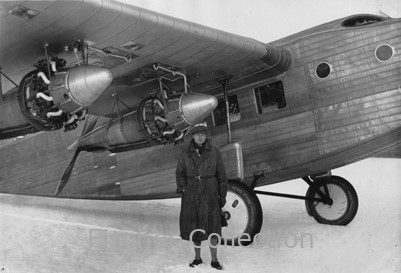
First flown by Harry Rother on January 19, 1926, the U 11 was powered by four Siemens & Halske Sh 12 air-cooled radial engines with aerodynamic fairings, extended driveshafts (necessitated due to the pusher configuration), and two-blade propellers. The U 11 Kondor had a dangerously close clearance between the pusher propellers and rear passenger door, which caused one fatality.

The sole Udet U 11 Kondor [Condor] Grossverkehrsflugzeug [large airliner], Werknummer 243, was devoid of any markings; it would later be assigned D-828.
Rother’s test flights revealed significant design shortcomings. Tested by the DVL, the registration was approved on 8th of April 1926.
Bought by the Deutsche Aero-Lloyd AG and delivered to Deutsche Lufthansa (successor to Deutscher Aero Loyd) in 1926, but because of bad flying characteristics, DLH would not accept it. After negotiations the U.11 was sold to Deutsche Verkehrsfliegerschule [German air transport school] for 500 thousand RM.
The U 11 subsequently crashed during the delivery flight to Deutsche Verkehrsfliegerschule [German air transport school], for a total loss for DLH of 1 million RM.
The failure of the U 11 was among the reasons for the financial failure of Udet Flugzeugbau and its eventual acquisition by Bayerische Flugzeugwerke AG (BFW).
Engines: 4 × Siemens-Halske Sh 12, 75 kW (100 hp)
Length: 16 m (52 ft 6 in)
Upper wingspan: 22 m (72 ft 2 in)
Wing area: 70 m2 (750 sq ft)
Aspect ratio: 7
Height: 4 m (13 ft 1 in)
Empty weight: 3,370 kg (7,430 lb)
Gross weight: 4,572 kg (10,080 lb)
Fuel capacity: 300 kg
Maximum speed SL: 152 km/h (94 mph; 82 kn)
Cruising speed SL: 135 km/h (84 mph; 73 kn)
Service ceiling: 3,190 m (10,466 ft)
Climb rate: 1.5 m/sec
Time to 1000m: 11.33 min
Time to 2000m: 28.25 m
Time to 3000m: 68.79 min
Practical range: 500 km
Endurance 3.60 h
Crew: 2
Capacity: 8

Udet U.10


Engine: Siemens & Halske SH 4
Seats: 2
Udet U-8 Limousine
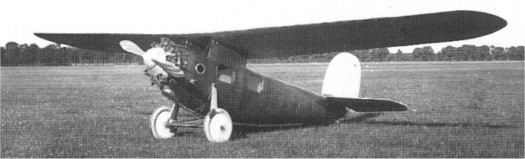
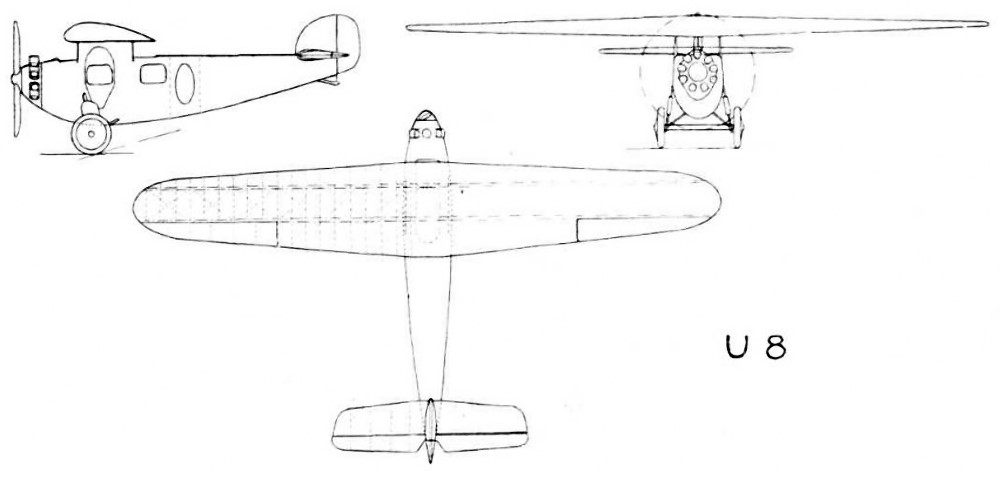
The Udet U-8 Limousine was a German transport and passenger aircraft, first flown in 1925. A high winged monoplane aircraft with seating for three passengers in an enclosed cabin, the aircraft was equipped with a fixed wheel undercarriage.
Four aircraft of the basic U 8 model were produced and three delivered to Deutsche Aero Lloyd GmbH while the fourth (D-670) was delivered to Nordbayeriche Verkehrsflug GmbH.
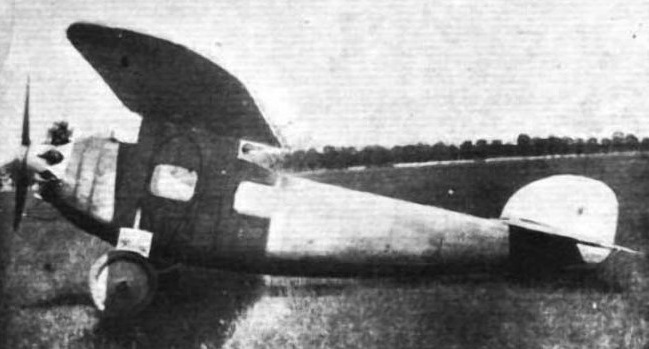
In 1926 Deutsche Aero Lloyd transferred their two remaining U 8 aircraft to DLH where they were in service until 1928. All three U-8 belonging DLH were scrapped in 1928. The Nordbayeriche Verkehrsflug aircraft crashed in 1926.

The aircraft was developed further to the Model U 8a, where the whole wing was redesigned wing area was increased by 7 m², and the aircraft was fitted with the more powerful Siemens & Halske sh 12 100-horsepower (75 kW) engine. The aircraft’s empty weight thus increased by 190 kg, despite the powerful engine maximum speed was reduced to 145 km / h while the range increased to 520 kilometers. One airplane was produced which was delivered to Nordbayeriche Verkehrsflug in 1925, and the aircraft was transferred in 1926 to DVS for evaluation. On June 26, 1929 the aircraft was completely destroyed.

Variants:
U 8 – with a Siemens & Halske Sh 6 radial engine
U 8a – with a Siemens & Halske Sh 12 radial engine and 7 m² larger wing area
Production:
U8
WerkNr.227
Registration: D-417
“Natter” from 1928 “Linde”.Used by the Deutsche Aero-Lloyd GmbH. In 1926 to DLH. In 1928 paid off
U8
WerkNr.236
Registration: D-483
“Blindschleiche”.Used by the Deutsche Aero-Lloyd GmbH. In 1926 to DLH. In 1928 paid off
U8
WerkNr.237
Registration: D-502
Used by the Deutsche Aero-Lloyd GmbH. In 1926 to DLH. In 1928 paid off
U8
Registration: D-670
Used by the Nordbayeriche Verkehrsflug GmbH in 1925. Crashed 26th of July 1926
U8a
Registration: D-839
Used by the Nordbayeriche Verkehrsflug GmbH in 1925. To DVS for trials in 1926. Crashed 26th of June 1929
Specifications:
U-8
Engine: Siemens Sh 6, 85 hp
Span : 12.00 m
Length: 7.28 m
Height: 2.67 m
Wing surface: 18.0 m²
Empty weight: 450 kg
Fuel: 75 kg
Oil: 10 kg
Max. off weight: 820 kg
Max. speed at sea level: 170 kph
Cruising speed sea level: 155 kph
Range with max. fuel: 465 km
Max. altitude: 3500 m
Climb rate: 2 m/s
Endurance: 3 hr
Cabin length: 2.5 m
Cabin height: 1.24 m
Cabin width: 0.96 m
Crew: 1
Capacity: 3 passengers
U-8a
Engine: Siemens Sh 12, 100 hp / 75 kW
Length: 7.28 m
Height: 2.67 m
Wingarea: 25.00 sq.m
Empty weight: 640 kg
Fuel: 130 kg
Oil: 13 kg
Load: 237 kg
Max weight: 1100 kg
Max. speed at sea level: 145 km/h
Cruising speed at sea level: 130 km/h
Climb rate: 2.00 m/sec
Service ceiling: 3300 m
Range: 520 km
Endurance: 4 h
Crew: 1
Capacity: 3 passengers
Udet U-7 Kolibri
A parasol-winged single-seat
Udet U-6
An ultralight two-seat
A variants of the U-1 / U-2 powered by a 62 kW (83 hp) Siemens-Halske Sh 5 radial powered with rounded rudder. 7 Built.
Udet U-4
More powerful version of the U-2.
Engine: Siemens-Halske Sh 4, 30 kW (40 hp)
Udet U-1 / U-2
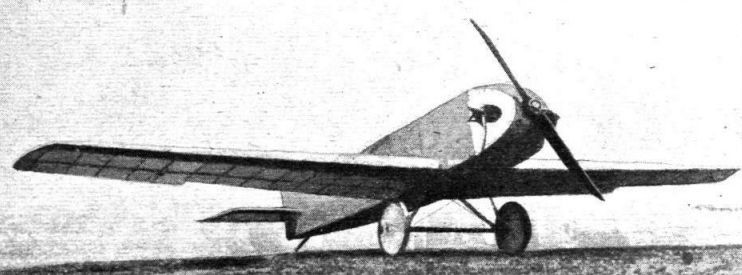
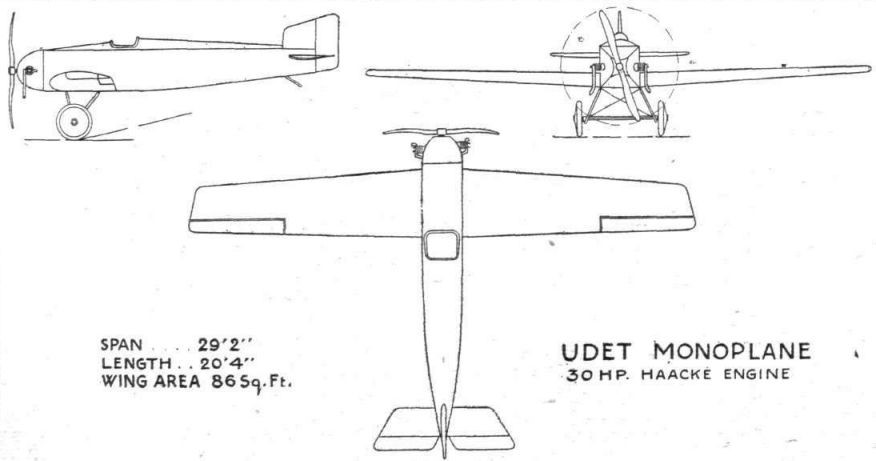
In the summer of 1921, a new aviation company was formed using the WWI German flying ace, Ernst Udet’s name. William Pohl from Milwaukee, Henry Hans Herrmann and Erich Scheuermann joined to company to fund the aircraft before wartime treaty restrictions were lifted on aircraft production with the intent of building an inexpensive aircraft for the American market. Designed by Hans Henry Herrmann, the builders produced and flew the U 1 five months before the formation of the Udet Flugzeubau GmbH company. The first flight being in May 1922.
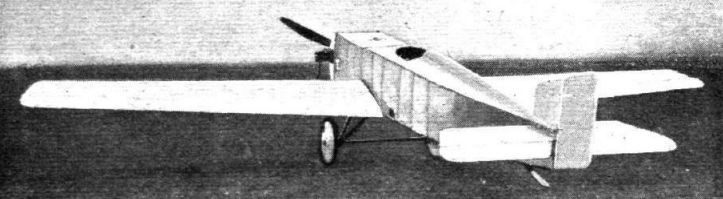
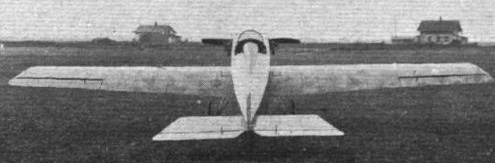
The design was a single seat low wing, open cockpit monoplane with conventional landing gear. The aircraft was large enough to accommodate two passengers, but did not have enough power for more than one person. Only the one was built.
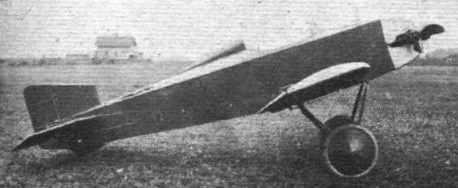
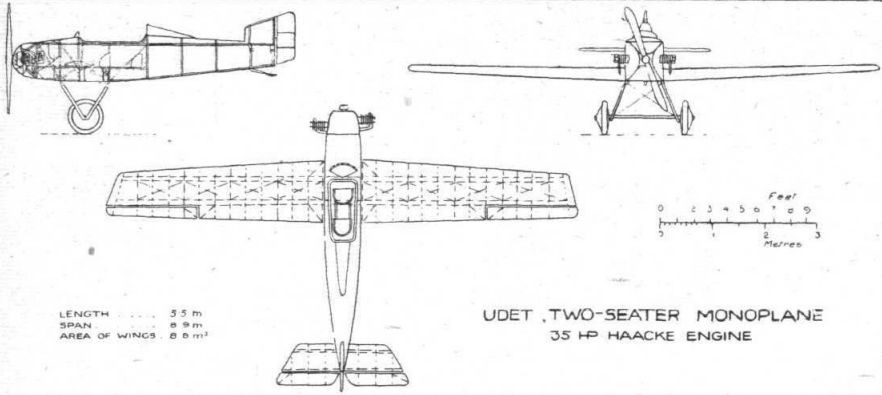
The Udet U 2 was a two seat production variant, first flying in March 1923. Four were produced.
Specifications:
U-1
Engine: 1 × Haacke, 16 kW (22 hp)
Length: 5.33 m (17 ft 6 in)
Wingspan: 8.9 m (29 ft 2 in)
Height: 1.7 m (5 ft 7 in)
Wing area: 8 m2 (86 sq ft)
Gross weight: 200 kg (441 lb)
Maximum speed: 180 km/h (112 mph; 97 kn)
Endurance: 2.5 hr
Crew: 1
U-2
Engine: Haacke, 35 hp
Wingspan: 6.9 m
Length: 5.5 m
Seats: 2
Tzusuku Monoplane No. 3
The 1913 Tsuzuku monoplane No. 3 was designed and built by Tetsaburo Tzusuku in Japan for the Revolutionary Government of China.
Span: 37’5″
Length: 24’7″
Gross weight: 1213 lb
Speed: 56 mph
 All Aero