In 1910 Raoul Vendome built a monoplane weighing 100 lb. The folding aeroplane incorporated several features. It could be assembled or dismantled by two people in four minutes. When folded it could be stored in a space of 7 x 10 x 17 feet.
Vendome tried to perfect a simple, cheap aeroplane that anyone could build at home.
Designed by Dan J. Maher, the prototype Velocity first flew in July 1985, as the first four-seat, composite airplane kit, based on the Long-EZ.
The 1988 kit price, less engine, prop, and avionics, was $18,000.
First flying in July 1985, the Standard was available in RG and Elite models for $25,000-32,000.
The introduction of the larger wing 173 in 1992 introduced to the homebuilt category a more docile aircraft offering performance and efficiency. Kits were available in RG (retractable gear) and Elite (gull-wing) models for $26,000-33,000; partial and pre-built sub-assembly components were also offered on all kits.
Velocity 173 RG Elite
By 1998 seventy examples were flying.
The Velocity SEs aerodynamic stability is one of its strongest assets. Featuring easy-entry dual gull-wing doors, this model accommodates 160 to 220 HP powerplants, providing a cruise of from 150 to 187 knots, depending on horsepower, propeller pitch and landing gear selected. As with the XL model, this kit is available with fixed or retract gear.
Introduced in 1997, the Velocity XL (extra large), added more width and length to the fuselage and provides room for Lycoming IO-540, and Continental IO-550 series engines. The XL was also available in RG and Elite models for $34,000-38,000.
Velocity SE-FG
2003 saw the introduction of the Velocity XL-5 (nicknamed the “Dash 5”), which is an option to the XL kit. In addition to all the “extras” of the Velocity XL model, the “Dash 5” includes an extra seat (it can accommodate 3 children on the rear bench seat), extra baggage space, extra packing versatility, extra passenger comfort, extra useful load, extra engine power, extra braking power, and extra rudder control. In 2006 Velocity introduced the TXL, a series of modifications to the XL-5 to take full advantage of the Continental TSIO-550-C engine. The Continental C-model engine is a twin-turbo dual-intercooled 310HP power-plant which is turbo-charged to produce 100% of rated horsepower to about FL250. The factory demo aircraft “Turbo-Charlie” boasts true airspeeds at FL250 of 250 knots and with the increased speed comes increased effective range.
Velocity Jet
Antonio Espinal built his jet powered Velocity, N289AE, with the help of X-Jets. The first flight was successful, but the second flight landed short of the runway (accident), apparently because the pilot got behind the power curve and couldn’t get the engine to come up to power quickly enough. This plane was flying again as of 2009. Espinal was killed in a crash of his Beech 98 in March of 2010.
Velocity Jet
Velocity Engine: Lycoming IO-360, 200 hp Height: 7.9 ft Length: 16.25 ft Wing span: 28.63 ft Wing area: 125 sq.ft Fuel cap: 65 USG Weight empty: 1250 lbs Gross: 2250 lbs Speed max: 215 mph. Cruise: 200 mph Range: 1200 sm Stall: 75 mph ROC: 1400 fpm Take-off dist: 850 ft Landing dist: 800 ft Service ceiling: 20,000 ft Seats: 4 Landing gear: fixed nose wheel
Velocity 173 / Velocity LW
Velocity 173 RG Elite Empty weight: 567 kg Wing span: 8.73 m Wing area: 11.6 sq.m Fuel capacity: 246 lt Engine: Lycoming IO-360, 200 hp MAUW: 1020 kg Seats: 4 Max speed: 370 kph Cruise speed: 350 kph Minimum speed: 112 kph Climb rate: 7.5 m/s Fuel consumption: 40 lt/hr Kit price (1998): $28,000
Velocity 173RG Engine: Lycoming IO-360, 200 hp Height: 7.9 ft Length: 19.2 ft Wing span: 31 ft Wing area: 145 sq.ft Fuel cap: 75 USG Weight empty: 1300 lbs Gross: 2400 lbs Speed max: 210 mph Cruise: 200 mph Range: 1500 sm Stall: 69 mph ROC: 1700 fpm Take-off dist: 750 ft Landing dist: 700 ft Service ceiling: 20,000 ft Seats: 4 Landing gear: retractable nose wheel
Velocity Elite RG Engine: Lycoming IO-360, 200 hp Height: 7.9 ft Length: 16.25 ft Wing span: 28.63 ft Wing area: 125 sq.ft Weight empty: 1250 lbs Gross: 2250 lbs Fuel cap: 65 USG Speed max: 230 mph Cruise: 220 mph Range: 1320 sm Stall: 70 mph ROC: 1500 fpm Take-off dist: 850 ft Landing dist: 800 ft Service ceiling: 20,000 ft Seats: 4 Landing gear: retractable nose wheel
Velocity XL Engine: Lycoming IO-540, 260 hp Length Overall: 20′ Height: 7′ 9″ Wheel Base: 110″ Track Width: 80″ Wingspan: 31′ Canard Span: 188″ Main Wing Area: 122.5 Sq Ft Canard Wing Area: 22.8 Sq Ft Total Wing Area: 145 Sq Ft Empty Weight: 1700 lbs Gross Wt: 2800 lbs Useful Load: 1100 lbs Standard Fuel Qty: 70 USgals (93 opt) Wing Loading at Gross: 19.31 lb/sq ft Design Load Factors: +9/-7 G-Load Tested Airframe Load: +6 G-Load Cabin W/L/H: 47.5″ x 94″ x 43.5″ Seating: 2+2 Top speed: 239 mph Cruise: 228 mph Stall: 75 mph Range: 1110 sm Rate of climb: 1200 fpm Takeoff dist: 1400 ft Landing dist: 1500 ft Service ceiling: 20,000 ft Seats: 2+2 Landing gear: nosewheel
Velocity TXL Engine: Cont. TSIO-550-C (310hp) Length Overall: 20′ Height: 7’9″ Wheel Base: 110″ Track Width: 80″ Wingspan: 31′ Canard Span: 188″ Main Wing Area: 122.5 Sq Ft Canard Wing Area: 22.8 Sq Ft Total Wing Area: 145 Sq Ft Empty Weight: 1790 lbs Gross Wt: 2900 lbs Useful Load: 1110 lbs Standard Fuel Qty: 70 USgals (93 opt) Wing Loading at Gross: 20.0 lb/sq ft Design Load Factors: +9/-7 Tested Airframe Load: +6 G-Load Cabin W/L/H: 47.5″ x 94″ x 43.5″ Seating: 2+3 Takeoff Distance: 1300 ft Rate of Climb @ SL: 1600 fpm Landing Distance: 1500 ft Cruise Speed @ 75% Pwr: 250 ktas @FL250 Vne: 200 kias Ceiling: 25,000ft+ Range at 65% Power: 1250 nm Minimum Speed: 65 kts Landing Speed: 75 kts
Velocity XL-RG Engine: Lyc IO-540 300HP Takeoff Distance: 1300 ft Rate of Climb @ SL: 1500 fpm Landing Distance: 1500 ft Cruise Speed @ 75% Pwr: 205 ktas Vne: 200 kias Ceiling: 20,000ft+ Range at 65% Power: 1000 nm Minimum Speed: 65 kts Landing Speed: 75 kts
Velocity XL-FG Engine: Cont IO-550 310HP HP range: 260-310 Length: 20 ft Wing span: 31 ft Wing area: 145 sq.ft Empty weight: 1700 lb Gross weight: 2700 lb Fuel capacity: 70 USG Takeoff Distance: 1300 ft Rate of Climb @ SL: 1300 fpm Landing Distance: 1500 ft Cruise Speed @ 75% Pwr: 185 ktas Vne: 200 kias Stall: 75 mph Ceiling: 20,000ft+ Range at 65% Power: 816 nm Minimum Speed: 65 kts Landing Speed: 75 kts Seats: 4 Cockpit width: 49.5 in Landing gear: nosewheel
Velocity XL-RG Engine: Lyc IO-540 260HP Takeoff Distance: 1400 ft Rate of Climb @ SL: 1350 fpm Landing Distance: 1500 ft Cruise Speed @ 75% Pwr: 190 ktas Vne: 200 kias Ceiling: 20,000ft+ Range at 65% Power: 950 nm Minimum Speed: 65 kts Landing Speed: 75 kts
Velocity XL RG Engine: Continental IO-550, 310 hp HP range: 260-310 Length: 20 ft Wing span: 31 ft Wing area: 145 sq.ft Empty weight: 1700 lb Gross weight: 2700 lb Fuel capacity: 70 USG Cruise: 230 mph Stall: 75 mph Range: 1280 sm Rate of climb: 2000 fpm Takeoff dist: 1500 ft Landing dist: 1500 ft Seats: 4 Cockpit width: 49.5 in Landing gear: nosewheel
Velocity XL-FG Engine: Lyc IO-540 260HP Takeoff Distance: 1400 ft Rate of Climb @ SL: 1200 fpm Landing Distance: 1500 ft Cruise Speed @ 75% Pwr: 175 ktas Vne: 200 kias Ceiling: 20,000ft+ Range at 65% Power: 875 nm Minimum Speed: 65 kts Landing Speed: 75 kts
Velocity XL-5 Length Overall: 20′ Height: 7′ 9″ Wheel Base: 110″ Track Width: 80″ Wingspan: 31′ Canard Span: 188″ Main Wing Area: 122.5 Sq Ft Canard Wing Area: 22.8 Sq Ft Total Wing Area: 145 Sq Ft Empty Weight: 1800 lbs Gross Wt: 2900 lbs Useful Load: 1100 lbs Standard Fuel Qty: 70 USgals (93 opt) Wing Loading at Gross: 20.0 lb/sq ft Design Load Factors: +9/-7 G-Load Tested Airframe Load: +6 G-Load Cabin W/L/H: 47.5″ x 94″ x 43.5″ Seating: 2+3
Velocity XL FG-5 Engine: Continental IO-550, 310 hp HP range: 260-310 Length: 20 ft Wing span: 31 ft Wing area: 145 sq.ft Empty weight: 1750 lb Gross weight: 2900 lb Fuel capacity: 70 USG Cruise: 200 mph Stall: 75 mph Range: 1150 sm Rate of climb: 1400 fpm Takeoff dist: 1500 ft Landing dist: 1500 ft Seats: 5 Cockpit width: 49.5 in Landing gear: nosewheel
Velocity SE Length Overall: 19′ Height: 7′ 9″ Wheel Base: 100″ Track Width: 80″ Wingspan: 29′ 4″ Canard Span: 164″ Main Wing Area: 102 Sq Ft Canard Wing Area: 19.8 Sq Ft Total Wing Area: 121.8 Sq Ft Empty Weight: 1300 lbs Gross Wt: 2300 lbs Useful Load: 1000 lbs Standard Fuel Qty: 60 USgals. Wing Loading at Gross: 18.88 lb/sq ft Design Load Factors: +12/-7 G-Load Tested Airframe Load: +6 G-Load Cabin W/L/H: 42″ x 84″ x 42.5″ Seating: 2+2
Velocity SE-FG Engine: Lycoming IO-360, 200 hp HP range: 160-260 Length: 19 ft Wing span: 29.4 ft Wing area: 122 sq.ft Empty weight: 1300 lb Gross weight: 2300 lb Fuel capacity: 60 USG Cruise: 184 mph Stall: 63 mph Range: 1320 sm Rate of climb: 1500 fpm Takeoff dist: 1500 ft Landing dist: 1500 ft Seats: 4 Cockpit width: 44 in Landing gear: nosewheel
Velocity SE RG Engine: Lycoming IO-360, 200 hp HP range: 160-260 Length: 19 ft Wing span: 29.4 ft Wing area: 122 sq.ft Empty weight: 1300 lb Gross weight: 2300 lb Fuel capacity: 60 USG Cruise: 200 mph Stall: 63 mph Range: 1440 sm Rate of climb: 1500 fpm Takeoff dist: 1500 ft Landing dist: 1500 ft Seats: 4 Cockpit width: 44 in Landing gear: nosewheel
Velocity XL RG 5 Engine: Lycoming IO-540, 260 hp HP range: 260-310 Length: 20 ft Wing span: 31 ft Wing area: 145 sq.ft Empty weight: 1750 lb Gross weight: 2900 lb Fuel capacity: 70 USG Cruise: 230 mph Stall: 75 mph Range: 1270 sm Rate of climb: 1800 fpm Takeoff dist: 1500 ft Landing dist: 1500 ft Seats: 5 Cockpit width: 49.5 in Landing gear: nosewheel
Velocity TXL 5 Engine: Continental IO-550, 310 hp HP range: 260-310 Length: 20 ft Wing span: 31 ft Wing area: 145 sq.ft Empty weight: 1700 lb Gross weight: 2900 lb Fuel capacity: 70 USG Cruise: 290 mph Stall: 70 mph Range: 1320 sm Rate of climb: 2000 fpm Takeoff dist: 1300 ft Landing dist: 1600 ft Seats: 4 Cockpit width: 49.5 in Landing gear: retract nose wheel
SUV Engine: Lycoming O-320, 160 hp Length: 19 ft Height: 7 ft 9 in Wheelbase: 100 in Track width: 80 in Wingspan: 29 ft 4 in Canard span: 164 in Total wing area: 121.8 sq.ft Empty weight; 1235 lb Gross weight; 2250 lb Useful load; 1015 lb Usable fuel: 50+ US gal Wing loading: 18.37 lb/sq.ft Design load factor; +12 / -9 G Tested load factor: +6 G Cabin (LxWxH): 42 x 84 x 42.5 in Takeoff dist: 1600 ft Rate of Climb: 900 fpm Landing dist: 1500 ft Cruise 8500 ft: 160 kt Max speed SL: 168 kt Ceiling; 16,000 ft Range 75% pwr: 1000 nm Min speed: 55 kt Landing speed: 65 kt
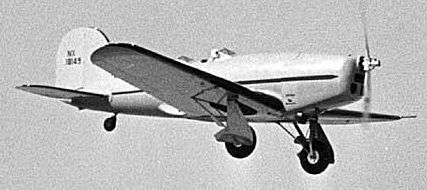
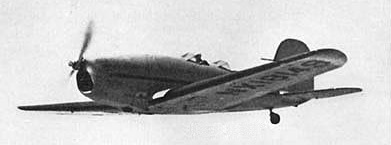
The 1938 Vega Flying Test Stand (ATC 2-423) was designed by Jack Wassall and W N “Wally” Wallace, and assembled from various Lockheed components. First designated Lockheed Altair 8-G and registered NX18149, it was used to test experimental 520hp Menasco U-520 Unitwin (twin 260hp Super B with single propeller) for use in a planned Starliner.
Sold to Lockheed dealer Howard Batt when it was no longer needed, repowered with 450hp P&W Wasp SC under (2-423) in 1939 and reregistered as Lockheed Altair 8-D in 1940.
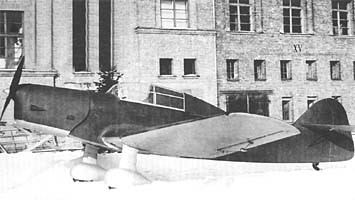
VEF I-17 was a Latvian trainer aircraft (intended also as a fighter) designed in 1939 by Kārlis Irbītis.The I-17 was test flown in early 1940 and almost immediately accepted by Latvian Air Force. It was produced by the VEF factory in Riga.
In 1939 Latvia ordered 39 Hawker Hurricane fighters from United Kingdom thus there was a need for monoplane pilots in Latvia. For this purpose Kārlis Irbītis designed the VEF I-17 among other trainer aircraft. Due to the start of Second World War in September 1939, the British Hawker Hurricanes never arrived in Latvia and this was an inducement for the Latvian Air force to encourage Latvian aircraft development instead.
First flying in 1940, but due to the pressures of the war, the I-17 prototype was accepted almost without testing and serial production was started.
Six examples of the I-17 were built and there was an order for another six but that was halted by the Soviet occupation of Latvia in June 1940.
After the occupation the I-17 was tested by Soviet Red Army and some had Soviet M-11 engines installed. After the occupation of Latvia by Nazi Germany in July 1941, the I-17 was also examined and tested by the Luftwaffe and, like the VEF I-16, was used by the aviation school in Torun. It is believed five VEF I-17 were flown to Germany.
The further fate of the VEF I-17s produced is unknown.
Engine: 1 × Menasco Pirate C4, 93 kW (125 hp) Propeller: 2-bladed fixed pitch Wingspan: 9.80 m (32 ft 2 in) Wing area: 19.20 m2 (206.7 sq ft) Length: 8.20 m (26 ft 11 in) Height: 2.90 m (9 ft 6 in) Empty weight: 790 kg (1,742 lb) Gross weight: 1,140 kg (2,513 lb) Maximum speed: 230 km/h (143 mph; 124 kn) Cruising speed: 189 km / h Range: 592 km (368 mi; 320 nmi) Service ceiling: 5,900 m (19,400 ft) Wing loading: 59.4 kg/m2 (12.2 lb/sq ft) Crew: one Capacity: one passenger
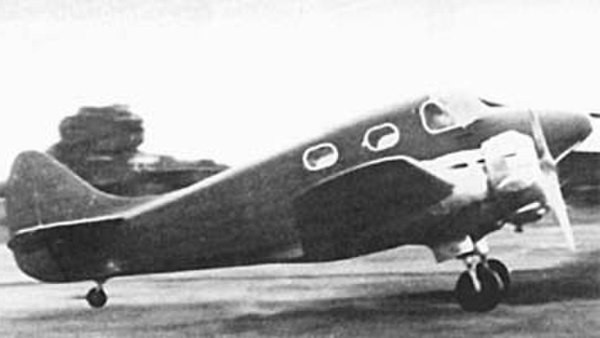
The VEF JDA-10M was a Latvian twin-engine, multi-purpose aircraft built in 1939 by VEF. It remains the only twin-engine aircraft ever built in Latvia. The builder of JDA-10M was American-Latvian engineer Jānis D. Akermanis (John.D.Akerman), a professor at the University of Minnesota.
Construction started in 1937, but the first flight of the JDA-10M was in September 1939. After the beginning of the Second World War it was planned to transform airplane into a light bomber for the military.
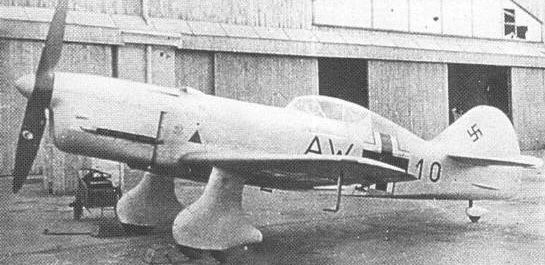
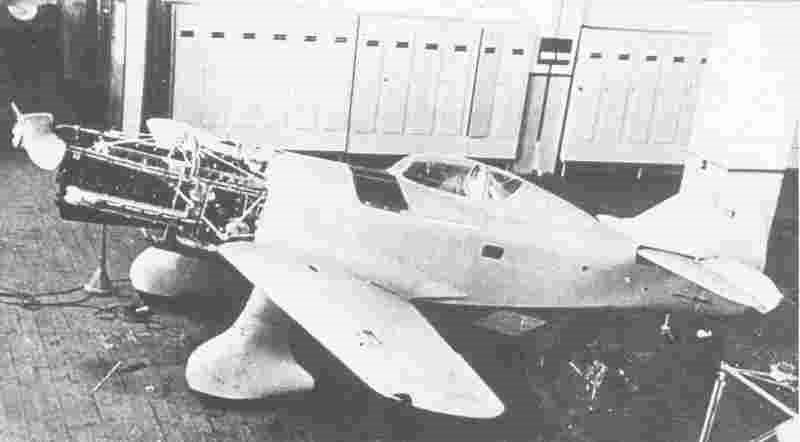
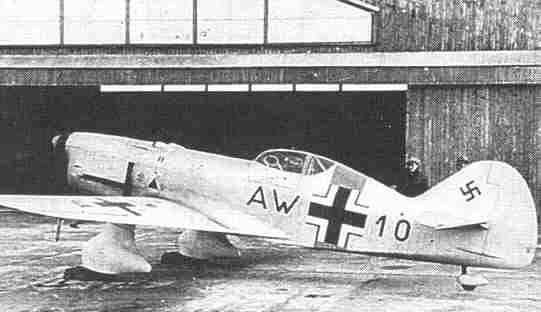
The VEF I-16 was a prototype Latvian fighter aircraft designed by Kārlis Irbītis and produced by VEF in 1939 costing about 130,568 Lats.
Design work on the I-16 began in the autumn of 1938, when Irbitis ordered a Czech Sagitta I SR supercharged air-cooled V12 engine. Irbitis selected an engine of low frontal area and technical simplicity for easy field servicing. This led to consideration of inverted V air-cooled engines, and the options were quickly narrowed down to the 450 hp Renault 12Roi series from Franc, or 460 hp Walter Sagitta I-SR from Czechoslovakia. A trade imbalance with France meant that the Czechoslovak engine was effectively selected by default. He also ordered a two-bladed, fixed-pitch propeller from Propellerwerk Schwarz for the prototype, but there were plans to switch to a three-bladed metal constant speed propeller to be installed later. Flight instrumentation was ordered from Kollsman in the USA. The I-16 was of conventional monoplane layout with a low set wing with rounded wingtips. The prototype had fixed undercarriage with aerodynamic fairings, but production models were to have retractable landing gear. The cockpit seat and controls were designed as one unit – they could be assembled totally separately from the rest of the aircraft and then installed as a unit with only six bolts. While the prototype was unarmed, there were provisions for two machine guns in the fuselage, along with the ability to carry one additional gun under each wing.
Construction of the prototype began in late 1938 but, as it took a long time for the engine and other parts to arrive, it was not ready for flight until the spring of 1940.
The first flight was made in the spring of 1940 by Konstantins Reichmanis. After about 20 minutes of trouble-free flight at about 1,000 metres the engine stopped. Reichmanis made a perfect deadstick landing. It was assumed that the engine problem was due to low pressure in the fuel feed. They worked on this problem and made 2-3 more flights before the Soviets invaded Latvia and all activity was stopped.
Immediately upon occupation of Latvia, the VEF was taken over by a small cadre of employees who were apparently members of the Communist underground. They formed a small militia which took control of security at the facility and watched over the activities of all other employees. After the occupation of Latvia in June 1940, the Soviet authorities ordered that all VEF aircraft be removed from Spilve Airport and, a few weeks later, all parts fabrication and assembly work was ordered suspended pending further instructions from Moscow.
Irbitis reports that they estimated a total of 36,456 man-hours of work had been devoted to the I-16, about a third of that being the engineering and design. The prototype cost 130,568 Lats (which was about $27,000 US), of which half was for the purchase of the engine and other imported parts.
In February 1941 a Soviet official, General-Major Feodorov, became aware of the VEF designs (particularly the I-15b and I-16) which had been stored in an abandoned warehouse. In March 1941, the I-16’s designer Kārlis Irbītis received orders to prepare one example each of the VEF I-12, VEF I-15a and I-15b, I-16, VEF I-17 (two variants) and VEF I-18 to be shipped to Moscow for evaluation. The I-16 still had engine problems and needed further testing, so was left behind and stayed in Riga. At about this time the Soviets began to purge VEF of ‘unreliable’ engineers and constructors, and one by one Irbitis’ colleagues began to disappear to prison and Siberia. This, and the engine troubles, kept the I-16 in Riga until the Germans invaded in June 1941. There is no evidence that the I-16 ever wore Soviet markings. Following the German invasion of the Soviet Union, the I-16 managed to make several test flights from an aerodrome in Kalnciems. Under the Germans, work was allowed to continue on the VEF types but, as soon as each was completed, it was claimed by the Luftwaffe. When the engine problems in the I-16 were sorted out test pilots Mikelsons and E.Rudzitis managed to make a few flights from the Kalnciems aerodrome before it, too, was confiscated by the Germans and tested by the Luftwaffe. The VEF I-16 was used as training aircraft at an aviation school in Torun until 1942.
Engine: 1 × Walter Sagitta I-SR, 403 kW (540 hp) Wingspan: 8.23 m (27 ft 0 in) Wing area: 11.43 m² (123.0 ft²) Length: 7.30 m (23 ft 11 in) Height: 2.70 m (8 ft 10 in) Empty weight: 1,100 kg (2,420 lb) Loaded weight: 1,540 kg (3,388 lb) Maximum speed: 483 km/h (261 knots, 300 mph) at 7,900 m (25,900 ft) Range: 805 km (438 nmi, 500 miles) Service ceiling: 8,100 m (26,600 ft) Wing loading: 136 kg/m² (28 lb/ft²) Power/mass: 220 W/kg (0.13 hp/lb) Armament: 2x 7.9 mm Browning machine guns Crew: One
In the summer of 1938, the Latvian aircraft designer Kārlis Irbītis, working at the Valsts Elektrotehniskā Fabrika (VEF) at Riga commenced design of a single-seat advanced trainer as a follow on to his earlier, similar VEF I-14 aircraft.
The I-15 was a low-winged monoplane of all-wooden construction, powered by a single de Havilland Gipsy Six air-cooled engine, and fitted with a fixed tailwheel undercarriage.
The design of the I-15 was in general similar to the earlier I-14, but it was carried out taking into account the requirements of the Air Force of Latvia. The fuselage and wing were slightly redesigned, a new de Havilland Gipsy Six-I engine (200 hp) was installed with a two-bladed fixed-pitch wooden propeller.
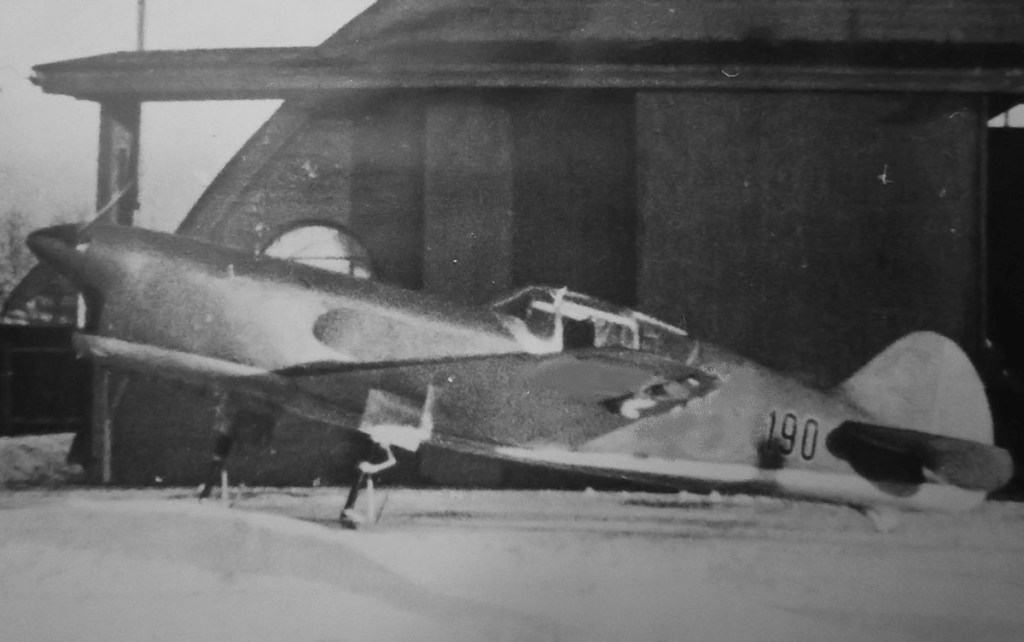
In April 1939, the first prototype, the I-15a with the registration number “190”, made its maiden flight, while a second prototype, the I-15b (“191”), was powered by a 220 hp (167 kW) Gypsy Six II engine driving a variable-pitch propeller, and armed with a single synchronised machine gun followed, this demonstrating improved performance, increasing speed from 314 to 330 km / h.
The two I-15 prototypes were transferred to the Latvian Air Force for use as advanced trainers, while a further two aircraft, to be designated I-15bis and powered by Hispano-Suiza 6 Mb engines were ordered by the Air Force, but on 17 June 1940, the Soviet Union occupied Latvia, ordering all aviation related work to be stopped.
Work on I-15 was discontinued in 1940, when a more advanced I-16 fighter was successfully tested.
15a Engine: 185/200-hp de Havilland Gypsy 6-I Prop: 2-blade wooden propeller Max Speed: 314 km/hr
I-15b Engine: 1 × de Havilland Gipsy Six Series II, 160 kW (220 hp) Prop: DH constant speed, variable pitch metal Wingspan: 8.00 m (26 ft 3 in) Wing area: 10.77 m2 (115.9 sq ft) Length: 7.10 m (23 ft 4 in) Height: 2.10 m (6 ft 11 in) Empty weight: 750 kg (1,653 lb) Gross weight: 960 kg (2,116 lb) Maximum speed: 331 km/h (206 mph; 179 kn) max continuous Cruise speed: 300 km/h (186 mph; 162 kn) Range: 610 km (379 mi; 329 nmi) Service ceiling: 7,000 m (23,000 ft) Armament: 1× machine gun Crew: 1
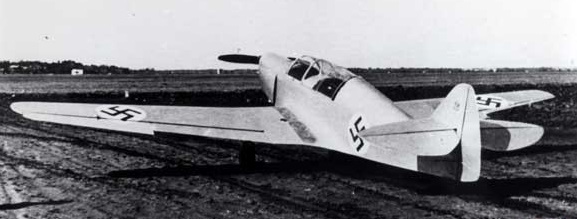
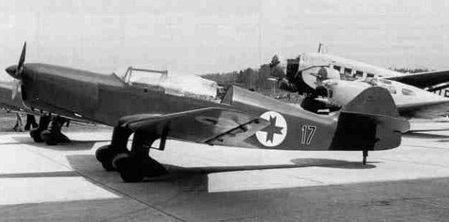
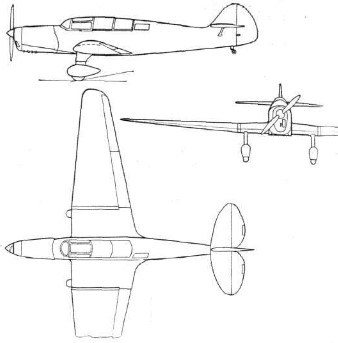
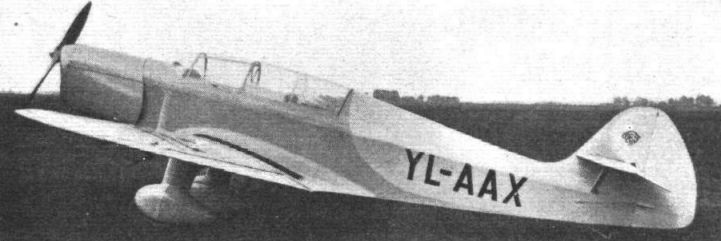
The VEF I-12 was a tandem, two seat Latvian trainer aircraft designed by Kārlis Irbītis and produced by VEF in Riga. By the end of 1936 Karlis Irbitis started work on the improved version in most aspect similar to the I-11, the, I-12. Main improvement was the wing construction with a smaller chord/thickness ratio and positioning of the fuel tanks in the wing center section.
The single engine, tandem, two seat I-12 was a development of the similarly laid out I-11, strengthened for aerobatics. It was an all wood low wing monoplane, entirely plywood covered apart from the tail control surfaces and with a fixed, conventional undercarriage. Its cantilever wing was built around a main and an auxiliary box spar, both made from spruce and plywood. The short wing centre section was integral with the fuselage, with the main undercarriage legs on it. These and the wheels, fitted with brakes, were faired. Outboard, the wing panels tapered to rounded tips, carrying both the balanced and slotted differential ailerons and hand operated camber changing split flaps.
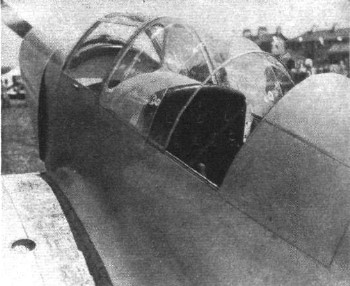
The fuselage was a rectangular box formed from spruce longerons, with a ply roof behind the cabin, where a long, multipart canopy enclosed the pilot and passenger’s seats. The pilot sat at the rear; both had removable sections for access. In front of them the 90 hp (67 kW) Blackburn Cirrus four cylinder in-line, inverted engine was mounted on steel bearers, driving a wooden propeller. At the rear of the fuselage the empennage was conventional, with the tailplane mounted on the fin above the fuselage line and braced from below with a steel strut on each side. The elevators were hinged forward of the rudder, which carried a trim tab, but were shaped to allow its movement as it extended to the keel.
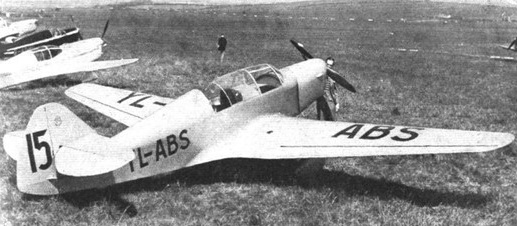
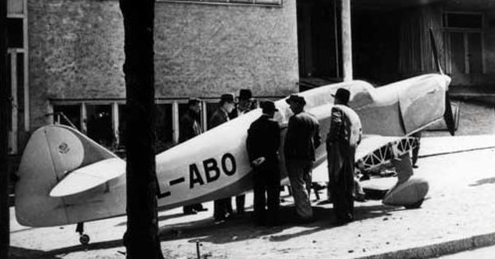
The first flight was made on 26 June 1937. The aircraft proved good and it has used in several air competition in Europe. One machine, YL-ABO, was lost at 17 May 1938 during the International Aircraft Exhibition in Helsinki. After the demonstrating of spin from 200 meters, the pilot did not manage to recover and the aircraft crashed killing its pilot.
The first prototype, on a European tour begun in July 1937, made several demonstrations in Paris. In the UK it raced at Ramsgate, coming fifth in the handicapped Thanet Air Race at Ramsgate, as well as winning first prize for the best turned out aircraft. Late in August it came in second in the Cinque Ports Wakefield Cup races at Lympne. Its tour ended the following July, flown back to Riga by P. Avery in a record nine hours, non-stop from London. Avery flew another I-12 in 1939, coming fifth in the London to Isle of Man race and competing in the Isle of Man competition in May.
Several were accepted for service and in 1939 the I-12 was accepted by Air registration Board for sale in UK. Rollasons were designated as distributors after the I-12 had been adjusted to meet UK certification requirements. It was also offered on sale in the UK by D.R.P. Engines at £750 but no examples reached the UK civil register.
Versions of this aircraft include a single seat fighter plane trainer where the front cockpit was covered and the canopy was single seat.
In total twelve I-12 was built.
VEF-Irbitis I-12 Latvian AF
In the 1939 V.E.F. I-12 entered service with the Latvian Air Force. They later operated four I-12 with two converted as single seat trainers. They also used gun camera for combat practices. The aircraft were painted Dark Green topside, with Light Grey lower wing surfaces. National insignia was Auskelis cross in Dark Red on a White disc are used in six positions. Serial number on fuselage was Black with a White outline.
Germany used two or three captured I-12 captured from the Soviets, who had captured this machines previously.
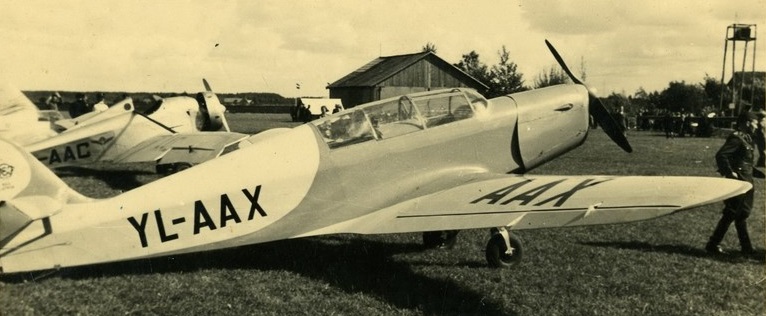
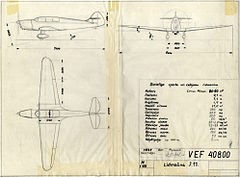
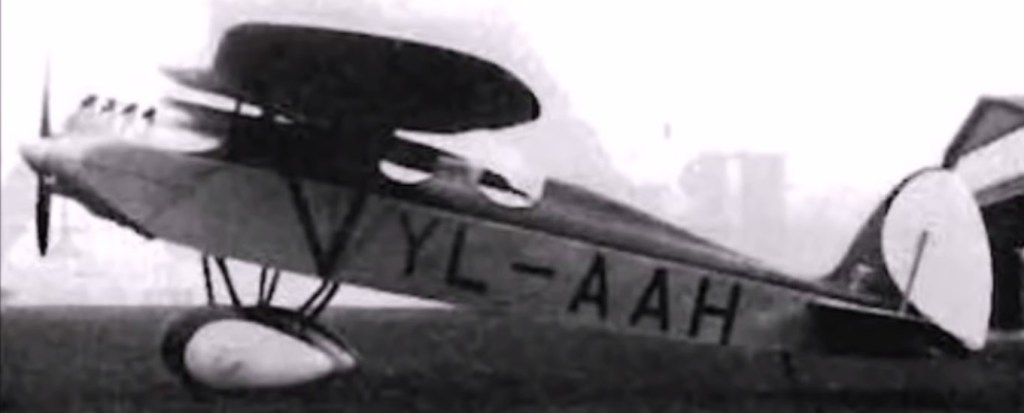
The VEF I-11 (also called the Irbītis I-11) was a Latvian light aircraft designed by Kārlis Irbītis in 1936 and built by VEF. It was a low-wing monoplane with a two-seat tandem cockpit and fixed conventional landing gear.
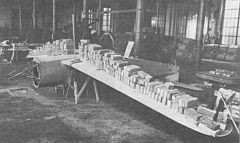
In February, 1936 the aircraft’s wings underwent structural testing.
On June 23, 1936, the I-11 made its maiden flight at Spilve and on April 26, 1937, it flew a 1,000 km (621 mi) flight around Latvia in 5 1/2 hours.


 All Aero