In 1928 A.V. Roe and Co. Ltd. acquired a license to build the highly successful three-engined high-wing Fokker F.VIIB/3m transport for sale throughout the British Empire, excluding Canada. The British model was known as the Avro 618 Ten.
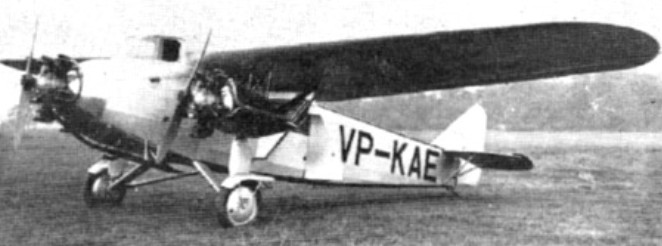
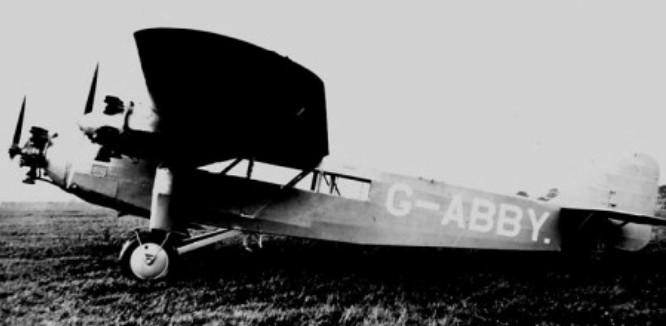
Powered by three 105 hp Armstrong Siddeley Genet Major five-cylinder radial engines, the Avro 619 Five was a scaled-down version for pilot and four passengers, and an entirely new design by Roy Chadwick.
At the “Olympia Aero Show” in London in July 1929 Wilson Airways Ltd of Nairobi ordered the three Armstrong Siddeley Genet Major engines equipped machine that. After a slight modification in accordance with the wishes of the buyer, the aircraft was transferred to Kenya in October 1929 and flew under the name of “King of the Grail”.
A second was delivered to Australia to the Queensland Air Navigation Co. Ltd, who had already taken Avro 618 Tens in operation.
The first of two Avro Fives to see service in the UK was the Avro demonstrator G-AASO (c/n 383), entered in the King’s Cup Race on July 5, 1930 by Sir Philip Sassoon and flown by Flight Lieutenant S.L.G. Pope. It was not a spectacular racer, and conveniently retired at its home base, Woodford.
In September 1930 G-AASO was taken over by Wilson Airways Ltd. to replace their second machine VP-KAE ‘Knight of the Grail’, and although allotted the Kenya marks VP-KAH, these were never used. It flew as G-AASO on the African services until January 18, 1932, when it was damaged beyond repair in a forced landing 12 mls (19 km) from its destination while en route from Salisbury to Broken Hill.
The other British Avro Five was G-ABBY, built in 1930, and taken over by Air Service Training Ltd., Ramble, as a navigational trainer at the end of 1933. Apart from a forced landing at Nuneaton on May 4, 1934, it serviced until scrapped during the war.
Avro 619 Five Engines: 3 x Armstrong Siddeley Genet Major, 78 kW (106 hp) Span: 47 ft 0 in (14.33 m) Length: 35 ft 9 in (10.90 m) Height: 9 ft 6 in (2.90 m) Wing area: 333 sq.ft (30,95 sq.m) Weight empty: 2,790 lb (1,266 kg) Loaded weight: 4,420 lb (2,005 kg) Max speed: 118 mph (190 kmh) Cruise speed: 95 mph (153 kmh) Climb: 750 ft (229 m)/min Service ceiling: 15,000 ft (4,572 m) Range: 400 mls (644 km) Crew: 1 Passengers: 4
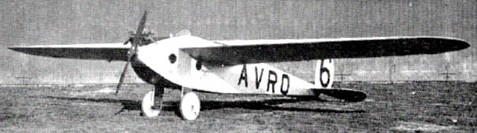
Engine: 1 x 698cc Blackburne Tomtit upright engine Take-off weight: 214 kg / 472 lb Empty weight: 129 kg / 284 lb Wingspan: 10.97 m / 36 ft 0 in Length: 6.40 m / 21 ft 0 in Wing area: 12.82 sq.m / 137.99 sq ft
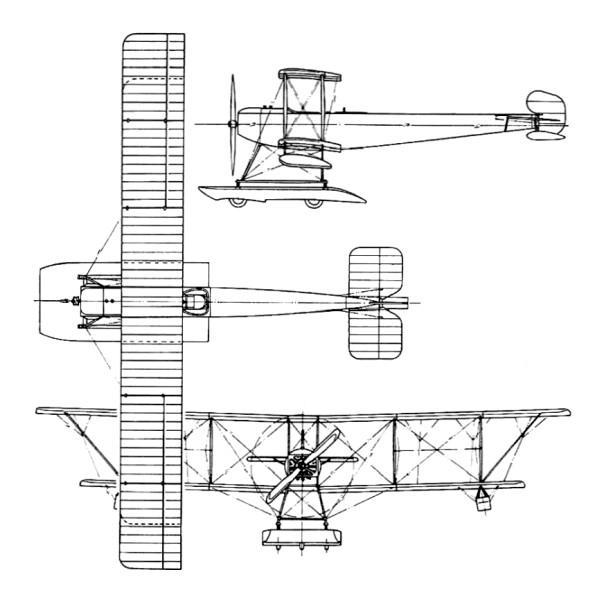
One of the reasons that the Avro Flying School and airfield were moved from Brooklands to Shoreham in the autumn of 1912 was because tests could be carried out on both landplanes and float planes. The latter had come about after Commander Schwann’s experiments with the Avro Type D that he converted to a seaplane. A.V.Roe had been watching Schwann’s experiments with interest, and could see the possibilities in developing a seaplane. The result was the Avro 501, which was an enlarged Avro 500 with a strengthened top wing and floats in place of the undercarriage. It had a wide central float 15 feet long and 7 feet wide, in which were fitted three wheels: one at the front and two at the rear. Because of the large wingspan of 47 ft 6 in, small floats were fitted to the wingtips to stabilise the aircraft when taxiing.
Powered by a 100 hp Gnome engine, the Avro 501 was one of the first amphibians built, and first flew in November 1912. There were stability problems right from the start, and despite a number of modifications the central float was eventually replaced with two separate floats. Tests were carried out, and the fitting of the two floats worked sufficiently well enough for the Admiralty to ask for the aircraft to be delivered to their testing ground on the Isle of Grain.
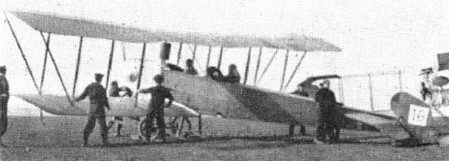
Encouraged by the interest shown in the float plane by the Admiralty, Roe produced a larger version of the Avro 501, the Avro 503. The success of the Avro 503H caused the Avro 501 to be cancelled. The single centreline float was removed and replaced with a wheeled undercarriage after the Navy agreed to accept it as a landplane. Three more Avro 503 Type H models were purchased by the Navy to be used by the Royal Navy Air Service.
Engine: Gnome 100 hp / 75 kW Top span: 47’6″ Bottom span: 39’6″ Wing area: 478.0 sq.ft / 44.41 sq.m Length: 33 ft 0 in / 10.06 m Height: 12 ft 6 in / 3.81 m Empty weight: 1740 lb / 789 kg MAUW: 2700 lb / 1225 kg Speed max landplane: 65 mph / 105 kph Seats: 2
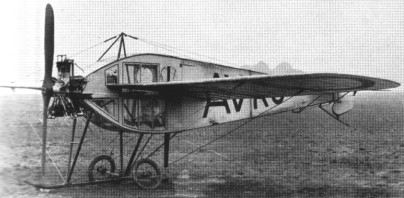
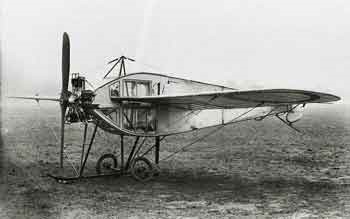
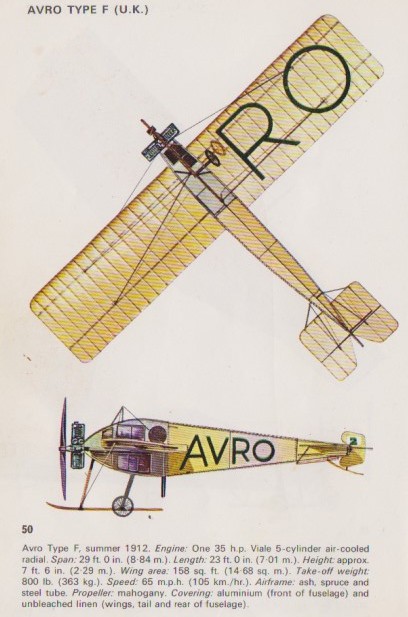
Powered by a 35 hp Viele five cylinder radial engine, the Avro Type F, flown by Wilfred Parke, took off from Brooklands on 1 May 1912. This was the first flight in the world of an aircraft with a completely enclosed cockpit. The 2 ft (0.61m) wide fuselage was deep enough for the pilot to be totally enclosed. Lateral control was by wing warping.
Over the next few days a number of successful test flights were carried out, but then on 25 May, when the aircraft was due to appear at Hendon for flight tests, the engine failed on takeoff, and the aircraft hit a fence on crash landing. It was dismantled and repaired but stayed in the hanger until September, when R.H.Barnwell took it out for a test flight. Once again the aircraft performed well, but on landing the front skid broke and the aircraft flipped over on to its back, causing considerable damage. The damage was extensive and beyond economical repair, so the Avro Type F was scrapped.
Conceived as a multi-purpose aircraft equally suited for the roles of four-seat tourer, agricultural aircraft, ambulance, school trainer and glider tug, the AVI 205 flew for the first time in September 1960, development having been initiated in October 1958. The prototype was powered by a 205 hp Continental E-185-9 engine, but the production model was to have a 225 hp Continental E-225-8 engine driving a metal variable pitch propeller, and modified undercarriage.
For liquid spraying or dusting operations a jettisonable tank or hopper was to be attached beneath the fuselage. The AVI 205 is of all-metal construction with fabric covering.
Prototype Engine: 205 hp Continental E-185-9 Span: 37 ft 5.25 in Wing area: 215.278 sq.ft Length: 26 ft 3 in Height: 7 ft 2.75 in Max speed: 139 mph at SL Cruise 75%: 112 mph Max range: 652 miles Empty weight: 1433 lb MAUW: 2645 lb
Production model Engine: 225 hp Continental E-225-8 Propeller: metal variable pitch Span: 37 ft 5.25 in Wing area: 215.278 sq.ft Length: 26 ft 11 in Height: 7 ft 2.75 in Max speed: 151 mph at SL Cruise 75%: 132 mph Max range: 756 miles Empty weight: 1620 lb MAUW: 2790 lb
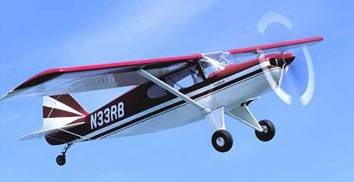
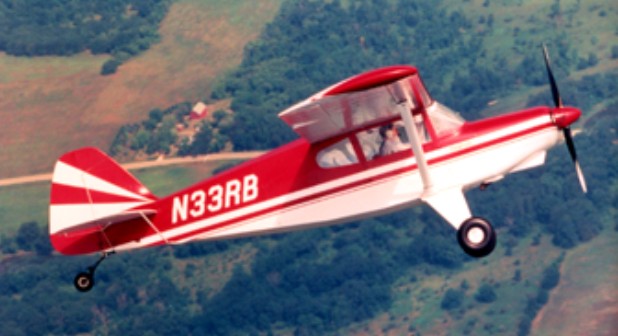
Designed by Robert Barrows of Fincastle, Virginia, the Bearhawk is a 2 or 4-place design. The design parameter were for a heavy hauling BIG airplane with a good cruise speed and economical operation. Short field performance is excellent with the large flaps. The Bearhawk prototype Bearhawk N6890R is powered by a Lycoming 0-360 (170 hp) set up to burn auto fuel.
The Bearhawk was designed as a personal project by Barrows to carry aircraft engines for delivery as freight for his engine rebuilding business in 1995. It features a strut-braced high-wing with an enclosed cabin accessed by doors, fixed conventional landing gear and a single engine in tractor configuration.
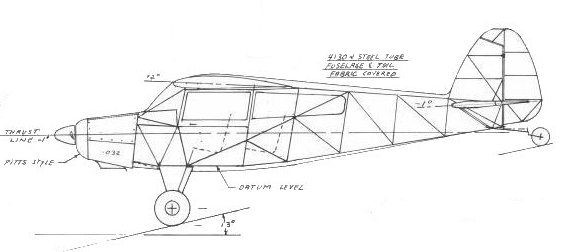
The aircraft fuselage is made from welded steel tubing covered in doped aircraft fabric, while the wings are made from aluminum sheet. Its 33 ft (10.1 m) span wing employs a NACA 4412 mod airfoil, has an area of 180 sq ft (17 m2) and mounts flaps. The aircraft’s recommended engine power range is 150 to 260 hp (112 to 194 kW) and standard engines used include the 180 hp (134 kW) Lycoming O-360 and 250 hp (186 kW) Lycoming O-540 four-stroke powerplants. Construction time from the supplied kit is 1200 hours.
With a 52 inch cargo door, the Bearhawk has a 12 inch C of G envelope. The painted 4130 tube fuselage is ready for covering, giving an actual builders’ time of 850-1200 hours. The all metal wings are 90% factory riveted, with solid rivets. Useful load ranges from 1,000-1,300 pounds and can carry four adults and full fuel. The back seat can be removed resulting in a huge cargo area with unobstructed access. Not only does the back seat have its own door, but also the door combines with the cargo door to allow a six-foot loading area.
The Bearhawk has an all metal wing with a fabric covered steel tube fuselage and tail feathers. The modified 4412 airfoil combined with big flaps and a long, all metal wing offer the best combination for short field take off and landings. A Cessna windshield, modified lift struts, and the fiberglass nose bowl are some airframe components that need not be built by the homebuilder. The builder time is estimated at 1500-2000 hrs. The Bearhawk kit plane is available in a “quick build” kit. Some Bearhawk owners have put the big tundra tires on their airplanes, and operate on the remote landing spots used by bush pilots in Alaska.
The Bearhawk useful load (depending on engine and builder finish out) ranges from 1100-1500 lbs. The 50 USgallon main fuel tanks can be filled and four full sized adults carried with room left over for 250 lbs of baggage or cargo.
The back seat can be removed resulting in a huge cargo area with unobstructed access. Not only does the back seat have its own door, but the back door combines with the cargo door to allow a six foot loading area. In addition, the back seat can be flipped around and mounted with the seat facing aft. This moves the CG of the rear seat passengers 8 or 9 inches forward.
The two prototype Bearhawks (180 hp & 260 hp) have accumulated well over 1000 hours of flight time. There are at least two Bearhawks built by builders with over 700 hours on them.
Introduced in 1995, plans were offered for sale and over 1400 sets of plans have been sold. By November 2012 66 examples had been registered in the United States with the Federal Aviation Administration and seven with Transport Canada. There are over 100 Bearhawks flying in the USA and around the world. The kit only price in 2011 was US$35,295.
The plans are now included at no additional cost with the purchase of a full Quick Build kit for the Bearhawk or Patrol. If less than a full QB kit is purchased, then the plans must be bought from R & B Aircraft (Bob Barrows).
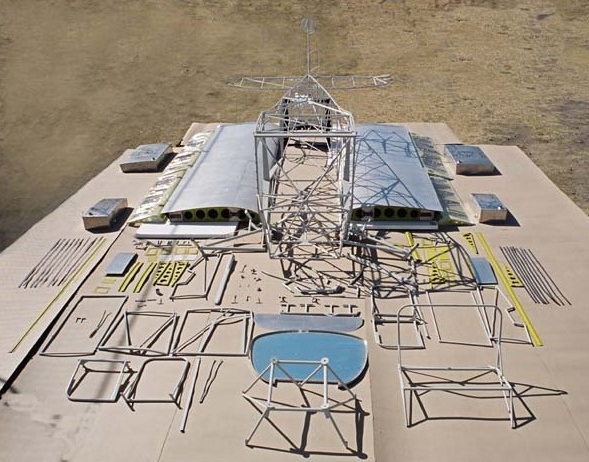
The Bearhawk can be built from plans alone, built from a Quick Build kit made by Bearhawk Aircraft, or some combination of the above. According to Bob Barrows, the QB kit can save up to 70% or more of the time required to build.
The price in 2014 was $295 US for the four place Bearhawk plans. Get a description of the plans or purchase plans online at http://mybearhawk.com/bearhawkplans.html
If less than a full Quick Build kit is purchased, then the plans must be bought from R & B Aircraft (Bob Barrows). The plans are now included at no additional cost with the purchase of a full Quick Build kit for the Bearhawk or Patrol.
The Patrol version can be built from plans alone, built from a Quick Build kit made by Bearhawk Aircraft, or some combination of the above. According to Bob Barrows, the QB kit can save up to 70% or more of the time required to build.
The price is $280 US for the Patrol plans, and can be paid with a money order, US personal check, Canadian Postal Money Order (US $), or international money order (US $).
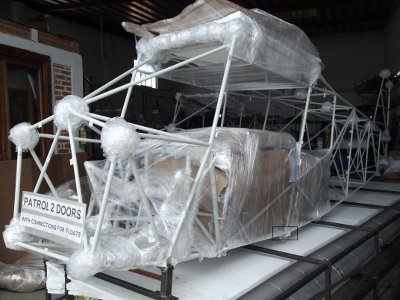
Float plane flying customers suggested putting doors on both sides of the Patrol instead of just the right hand side door to allow more flexibility while docking in windy conditions,. In addition, they requested the fuselages come from the factory with the rear float attach fittings already welded in place. With these suggestions became the Patrol SP (Sea Plane). This model incorporates those two approved design changes; along with some structural strengthening by using thicker wall tubing above the rear float attach fittings. The price of this full Patrol SP Quick Build kit was US$39,700 in 2014.
Prices and contents of the Full Bearhawk kits and components (2014): Full Bearhawk Quick Build fuselage – $23,025 Includes everything that comes with the Bearhawk Quick Build Kit
BASIC FUSELAGE $11,600 The basic fuselage structure complete, but with only the most important attach fittings finish welded on. These are: Wing attach fittings Wing Strut Fittings landing gear attach fittings wing strut attach fittings and the tail surfaces attach fittings. A straight, true fuselage finish welded. Unpainted because there are many parts that still need to be welded on.
Bearhawk Quick Build Wings – $18,475 Includes everything that comes with the Bearhawk Quick Build Kit
WING COMPONENT KIT $7,250 Ribs formed (includes all wing, flap, aileron ribs) All spars primed, assembled and finished
Patrol kit pricing (2014) Basic QB Kit – $30,825 (Some welding required) Includes: Quick-build Wing Kit – Basic Fuselage Kit Deluxe QB Kit – $39,105 (No welding required) Includes: Quick-build Wing Kit – Deluxe Fuselage Kit Quick-Build Wing Kit – $17,305 These wings are sold in an advanced level of completion. The top skin is completely finish riveted. The forward edge of the bottom skin is finish riveted to the bottom flange of the main spar, and aft of the main spar the bottom skin is drilled and dimpled as are the ribs the bottom skin is riveted to. The bottom skin is pop riveted (with a few pops) for shipment. Spars and all spar parts are alumi-prepped, alodined, and primered with MIL-P-23377E strontium chromate epoxy primer. Wing skin interiors and all ribs are primered with Zinc Chromate. Steel parts in the wings are primered with epoxy primer and top coated with MIL-C-22750D epoxy paint. Quick Build wings come with ailerons and flaps 90% finished, but still requiring fabric covering. Fuel tanks are included,but must be installed.
Basic Fuselage – $15,500 Welding required. Includes finish welded fuselage frame (unpainted) and motor mount, all major fittings are welded in place, tabs, sheet metal and minor fitting to be done by builder, landing gear, control stick assembly, rudder pedals and flap controls are finished. Horizontal stabilizer, elevator and rudder are finish welded. Deluxe Fuselage – $21,800 No welding required by builder. The fuselage and all fittings are completed, sand-blasted and epoxy primed. All steel parts are coated with the epoxy primer and top coated with MIL-C-22750D epoxy paint. Sheet metal is included; cut and ready to be assembled, but may require some trimming. Door and frames, seat frames and the fiberglass nose bowl are included.
Builders of the Bearhawk can purchase the plans and can purchase some sub-kits or components.
The two-place side-by-side Bearhawk Companion aircraft is derived from the tandem Bearhawk Patrol wings and four-place Bearhawk 5 fuselage. The aircraft features flush rivet aluminium wings, a steel tube fuselage, and an Airfoil shaped empennage. The fuselage is slightly shorter than the Model 5.
The first flight of the Bearhawk Companion was announced in early 2021.The first flight was performed by the aircraft builder, Dave Lenart of Vermont, USA. It was built from a manufactured kit.
The Companion handles and performs much like the narrower Patrol.
Bearhawk Four seat model with a cabin 42.5 in (108 cm) wide and a gross weight of 2,700 lb (1,225 kg), with 75 reportedly completed and flown by December 2011.
Patrol Two-seats in tandem model with a cabin 32 in (81 cm) wide and a gross weight of 2,000 lb (907 kg), with three reportedly completed and flown by December 2011.
Specifications:
Engine HP range 150-260 hp Wing span 33 ft. Wing Area 180 sq. ft. Length 23 ft 6 in Empty Weight 1150-1350 pounds Gross weight 2500 pounds (2700 pounds on floats) Useful Load 1350-1150 pounds Fuel Capacity 50 USG (standard) 68 USG (optional, w/aux tanks) Vne 175 mph IAS Cruise Speed (62% 260 hp) 150 mph TAS Cruise Speed (180 hp) 135-140 mph TAS Landing Speed 40 mph IAS Takeoff Roll 200-500 ft Rate of Climb @ gross 1,500-1,700 fpm Range @ 65% est. 650 mi. Range @ 50% est. 900 mi. Cabin Width 42 in. Cabin Length 9 ft 8 in. (firewall to back of back of baggage area)
Engine: Lycoming O-360, 170 hp HP range: 150-260 Wing Span: 33 ft. Wing Area: 180 ft. Length: 23 ft. 6 in. Height: 7 ft Empty Weight: 1190 lbs. Gross Weight: 2500 lbs. Fuel cap: 55 USG Top Speed (VNE): 175 mph Cruise Speed: 120-150 mph Landing Speed: 40 mph Take Off Roll: 250-600 ft. Range (55 gal @ 60%): 800 miles Stall: 40 mph ROC: 1500 fpm Range: 800 sm Service ceiling: 15,000 ft Cabin Width: 42 in. Cabin Length (Firewall to the end of baggage area): 9 ft. 8 in Cockpit width: 30 in Landing gear: tail wheel Seats: 4
Bearhawk 180hp Wing span: 33 ft Wing Area: 180 sq. ft Length: 23 ft. 6 in Empty Weight: 1150-1550 lb Gross weight: 2500 lb Gross weight w/floats: 2700 lb Useful load: 1100 lb Vne: 175 mph, IAS Cruise 60% pwr: 135 mph Cruise 75% pwr: 145 mph Touchdown speed: 40 mph Range std tanks: 650-800 mile Range aux tanks: 850-1000 mile Range @ 65% est: 650 mi. Range @ 50% est: 900 mi. Fuel std: 50 US gals Length: 9 ft 8 in Takeoff Roll: 200-500 ft Rate of Climb @ gross: 1,500-1,700 fpm Cabin Width: 42 in Cabin Length: 9 ft 8 in Cargo door: 52 in CG envelope: 12″ Seats: 4
Engine: Lycoming O-540, 250 hp. Hp range: 150-260 Length: 23.5 ft Wingspan: 33 ft. Wing area: 180 sq.ft. Empty wt: 1400 lbs Mtow: 2500 lbs. Useful load: 1100 lb Seats: 4 Fuel cap: 50 USG Cockpit width: 42.5 in Landing gear: tailwheel Cruise 62% pwr: 150 mph Cruise 75% pwr: 160 mph Stall: 40 mph Std Range: 650-800 sm Opt Range: 850-1000 sm ROC: 1700 fpm TO dist: 400 ft. Ldg dist: 350 ft
Bearhawk Engine: 1 × Lycoming O-540, 250 hp (190 kW) Propeller: 2-bladed constant speed Length: 23.5 ft (7.2 m) Wingspan: 33 ft (10 m) Wing area: 180 sq ft (17 m2) Airfoil: NACA 4412 mod Empty weight: 1,400 lb (635 kg) Gross weight: 2,700 lb (1,225 kg) Fuel capacity: 50 U.S. gallons (190 L; 42 imp gal) Cruise speed: 155 mph (135 kn; 249 km/h) Stall speed: 40 mph (35 kn; 64 km/h) Range: 625 mi (543 nmi; 1,006 km) Rate of climb: 1,700 ft/min (8.6 m/s) Wing loading: 15 lb/sq ft (73 kg/m2) Crew: one Capacity: three passengers
Bearhawk 250 hp Wing span: 33 ft Wing Area: 180 sq. ft Length: 23 ft. 6 in Empty Weight: 1150-1550 lb Gross weight: 2500 lb Gross weight w/floats: 2700 lb Useful load: 1300 lb Vne: 175 mph, IAS Cruise 62% pwr: 150 mph Cruise 75% pwr: 160 mph Touchdown speed: 40 mph Takeoff dist: 400 ft at 2,500 lb Range std tanks: 650-800 mile Range aux tanks: 850-1000 mile Fuel std: 50 US gals Fuel aux: 72 USgals cargo door: 52 in CG envelope: 12″ Takeoff Roll: 200-500 ft Rate of Climb @ gross: 1,500-1,700 fpm Range @ 65% est: 650 mi. Range @ 50% est: 900 mi. Cabin Width: 42 in Cabin Length: 9 ft 8 in Seats: 4
Bearhawk Patrol Engine: 115 hp to 210 hp Top speed: 165 MPH Cruise Speed: 140 MPH Landing Speed: 35 MPH Take-Off Roll (Gross Wt.): 250 ft Range (55 gal. @ 35%): 900 miles Empty Weight: 950+ lb Gross Weight (Utility Stds.): 2,000 lb Wing Span: 33 ft Wing Area: 180 sq. ft Length: 22 ft 8 in Height (3 pt.): 6 ft 4 in Cabin Width: 32 in Cabin Length: 9 ft 5 in
The ATR72, a stretched development of the ATR42 (the fuselage had grown by 4.5 metres to provide space for up to 74 seats), was launched in January 1986 and first flew on 27 October 1988. Significant changes from the ATR-42 (apart from the fuselage stretch) include Pratt and Whitney Canada PW 124-B turbo props with roughly 20 percent more power than the PW 120 of the ATR-42, wingspan extended by 2.48 metres (although the whole of the wing outboard of the nacelles has been simplified and improved), and greater use of composites. French certification was achieved in September 1989, by which time five aircraft were flying. The first customer delivery, to KarAir in Finland, was made exactly a year after the first flight. By May 1995,152 ATR-72’s had been firmly ordered or delivered. Construction of the ATR-42 and ATR-72 is on a common assembly line at Toulouse. The ATR72 fuselage and tail is manufactured in Italy, the wings, undercarriage and engine cowlings in France, the engines in Canada, and propellors in the USA. The ATR72-212A designation being a marketing ploy and rating commonality of Mount Cook Airline for the ATR72-500. The 212A model being certified on 14 January 1997.
ATR72 Engines: 2 x Pratt & Whitney Canada PW 124/2 turboprops , 2,400 shp (1 790 kW). Wing span: 88 ft 9 in (27,05m).
ATR72-212A Engines: 2 x Pratt & Whitney Canada PW127F, 2750 shp. Props: 6 blade Hamilton Standard/Ratier-Figeac 568F composite. Length: 27.166 m. Wing span: 88 ft 9 in (27,05m). Height: 7.65 m. MTOW: 22,500 kg (49,603 lbs). MLW: 22,350 kg (49,273 lbs). Max zero fuel wt: 20,300 kg (44,753 lbs). Max payload: 7450 kg (16,424 lbs). Seats: 66. Range: 942 nm. TO field length: 1290m (4232 ft). Ldg field length: 1067 m (3500 ft). Max cruise: 278 kts. Operating ceiling: 25,000 ft.
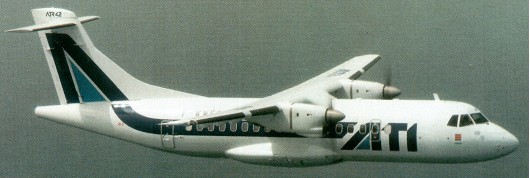
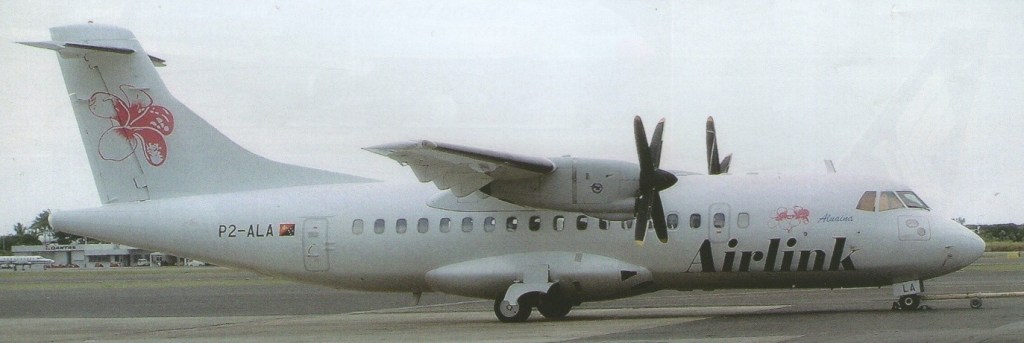
Both Aerospatiale in France, and Aeritalia in Italy, had developed proposals in the late 1970’s for twin turboprop 38/40 seat aircraft. Both companies were looking for partners to further develop the concepts and eventually, in July 1981, a joint venture consortium, ATR, was formed. The new project was designated the ATR 42, the 42 indicating the number of seats at 81 cm pitch. The initials ATR stand for Avion de Transport Regional/ Aereo daTransporto Regionale/ Regional Transport Aircraft. The type made its first flight in August 1984 and was certificated in September 1985. The launch customer was Air Littorial, a French regional opera¬tor, which began operating the type in the following December. The ATR 42 300 (the higher weight version) accommodates a maximum of 50 passengers, but a more typical layout is for 46 passengers. In addition to the generous overhead lockers, baggage compartments are provided both behind the flightdeck and in the rear fuselage. The aircraft is powered by two Pratt and Whitney Canada PW120s, flat rated at 1800shp and driving Hamilton Standard four bladed composite propellors. The ATR 42 structure makes extensive use of composites, particularly Keviar/Nomex sandwich for the wing and tail leading edges, wing and undercarriage fairings, and fuselage tail cone. Carbon/Nomex sandwich is used for the rudder, elevators, flaps, and engine nacelles, and carbon monolithic structure is used for the ailerons and outer wing panels. using experience gained with the Airbus, the flight deck is EFIS equipped. Subsequently the consortium has developed the ATR 72, a stretched version of the ATR 42 which uses the same wings and tail but uprated engines.
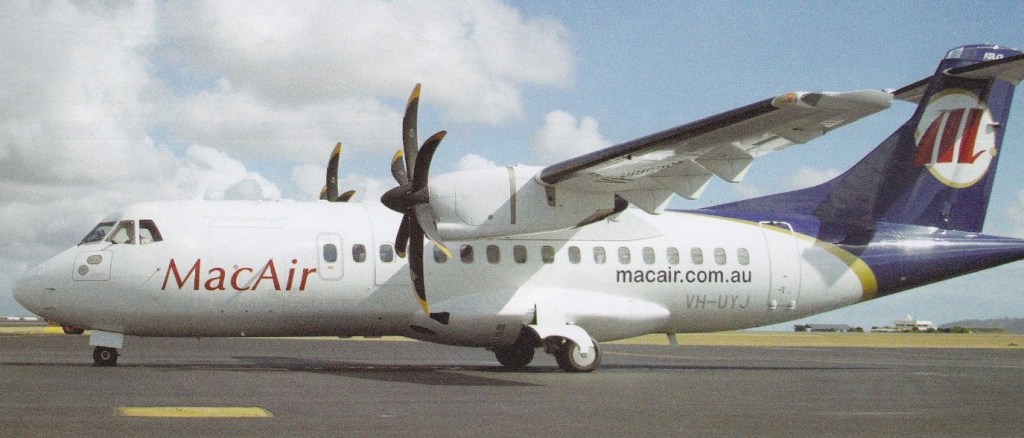
As at May 1995, 286 of these aircraft had been ordered or delivered. ATR42F freighter. The ATR42-500 first flew in September 1994.
1998 ATR42-500 VH-UYJ
The ATR 42-600 pre-series aircraft (F-WWLY c/n 811) completed its maiden flight on 4 March 2010 from Toulouse Blagnac Airport in southern France. The two-hour flight included tests of the Pratt & Whitney PW127M turboprops, the balance of the propellers, the new avionics, hydraulic and electrical systems.
The ATR 42-600 will undertake a 75hour flight test campaign. Many of the systems are the same as used in the ATR 72-600, which began its 150-hour flight test programme in July 2009. To March 2010 ATR had orders for five 42-600s and 54 72-600s.
ATR-42R Engine: 2 x P&W PW 120 turboprop. Installed pwr: 2680 kW. Span: 24.6 m. Length: 22.7 m. Wing area: 54.5 sq.m. Height: 7.586m. Empty wt: 9937 kg. MTOW: 15,750 kg. Payload: 4530 kg. Cruise speed: 470 kph. Initial ROC: 490 m / min. Ceiling: 7650 m. T/O run (to 15m): 660 m. Ldg run (from 15m): 560 m. Fuel internal: 5700 lt. Range/payload: 2535 km with 4000 kg. Capacity: 44 pax.
Quebec’s Avionnrie Lac St-Jaen marketed an exact replica of the 1954 Cessna 180 as the Cyclone 180 kit plane. The Cyclone 180 can be completed to replicate a CE-170, CE-180 or CE-185.
Cyclone Engine: Continental, 230 hp. HP range: 145-350. Speed max: 170 mph. Cruise: 158 mph. Range: 870 sm. Stall: 37 mph. ROC: 1300 fpm. Take-off dist: 250 ft. Landing dist: 950 ft. Service ceiling: 17,700 ft. Fuel cap: 65 USG. Weight empty: 1700 lbs. Gross: 3000 lbs. Height: 7.5 ft. Length: 26 ft. Wing span: 38 ft. Wing area: 185.7 sq.ft. Seats: 4. Landing gear: nose or tail wheel.
Super Cyclone Engine: Continental, 300 hp. HP range: 300-350. Speed max: 175 mph. Cruise: 165 mph. Range: 1000 sm. Stall: 37 mph. ROC: 1500 fpm. Take-off dist: 250 ft. Landing dist: 650 ft. Service ceiling: 17,700 ft. Fuel cap: 90 USG. Weight empty: 1800 lbs. Gross: 3500 lbs. Height: 7.5 ft. Length: 26 ft. Wing span: 38 ft. Wing area: 185.7 sq.ft. Seats: 2. Landing gear: nose or tail wheel.
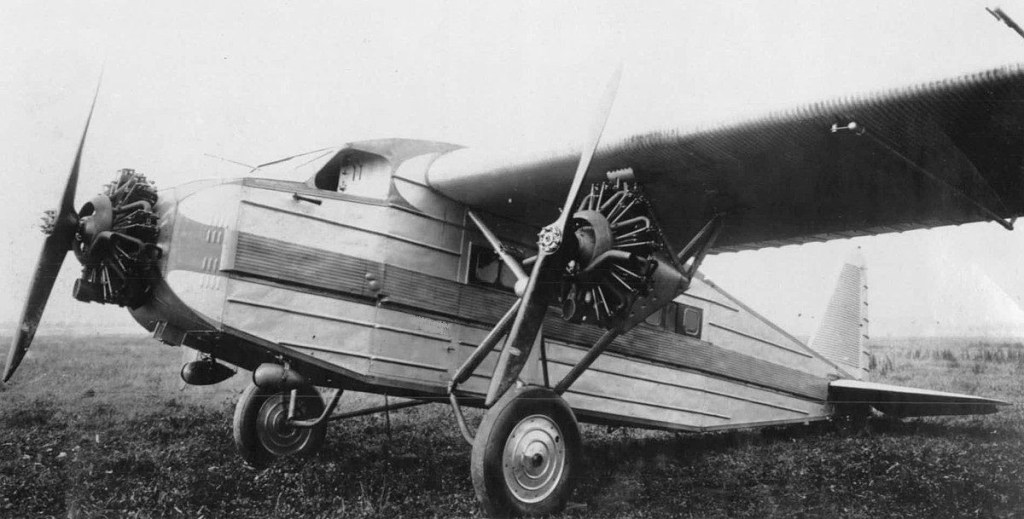
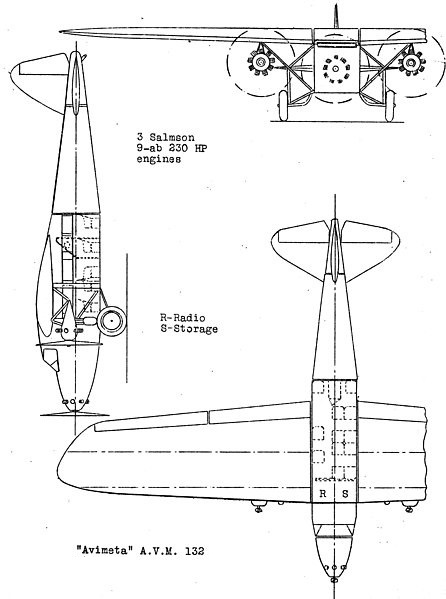
The Aviméta 132 was a three-engined monoplane transport for eight-passengers designed and built by Aviméta (Société pour la Construction d’Avions Métallique ).
The Aviméta 132 was a high-wing monoplane with a fixed conventional landing gear, powered by three uncowled 230 hp (172 kW) Salmson 9Ab radial air-cooled piston engines. Fuel tanks were built into the wings, fitted with jettison valves to empty the tanks in an emergency. The enclosed cockpit sat two crew with a cabin for eight passengers.
First flying in 1927, it was intended to build both a day and night version but only one aircraft was built and it did not enter production. It was the first French all-metal aircraft but only one aircraft was built.
Engines: 3 × Salmson 9Ab, 170 kW (230 hp) each Wingspan: 21.8 m (71 ft 6 in) Wing area: 752 sq.m (8,090 sq ft) Length: 14.3 m (46 ft 11 in) Height: 3.75 m (12 ft 4 in) Empty weight: 2,700 kg (5,952 lb) Gross weight: 10,850 kg (23,920 lb) Maximum speed: 180 km/h (112 mph; 97 kn) Cruise speed: 170 km/h (106 mph; 92 kn) Range: 900 km (559 mi; 486 nmi) Service ceiling: 3,750 m (12,300 ft) Time to altitude: 2,000 m (6,600 ft) in 19 minutes Wing loading: 68.5 kg/sq.m (14.0 lb/sq ft) Power/mass: 0.1054 kW/kg (0.0641 hp/lb) Crew: 2 Capacity: 8 passenger