Vought V-141 / V-143 / V-150

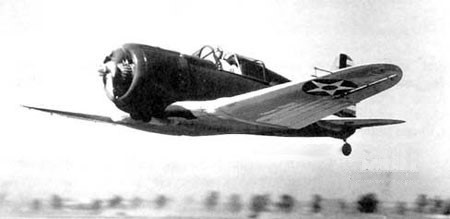
Vought V-143

The Vought V 141 NR56V was a 1936 fighter based on the purchased design of the Northrop 3A, designed by Rex Beisel and others. It first flew on 29 March 1936. It did not fare well in Army pursuit tests and was modified with a 825hp R-1535-SB engine, extensive fuselage and tail redesign, and re-designated V-143;

The prototype Vought V 141 was bought by the Japanese in 1937. Only one V-141 / V-143 was built. Design ideas are noted in F3U and F4U and A6M Zero.

In 1937 the sole model V-150 was built. It was a V-143 with a 525hp P&W Wasp Junior engine.

V-141
Engine: 750hp P&W R-1535
Length: 22’2″
Wingspan: 33’6″
Speed: 300 mph
Seats: 1

V-143
Engine: 825hp R-1535-SB
Wingspan: 33’6″
Length: 22’2″
Seats: 1

V-150
Engine: 525hp P&W Wasp Junior
Wingspan: 33’6″
Length: 22’2″
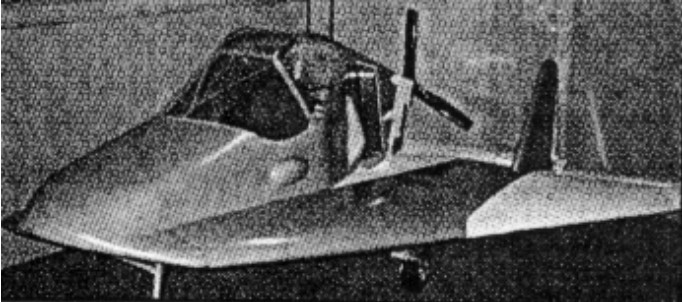
Vortex Aircraft Co Phoenix Jet-TJ

tandem two-seat military primary jet and electronic warfare trainer, also suited to other military tasks and for use as a civil sporting aircraft. Developed from the Bede Jet Corporation BD-10 prototype first flown July 1992, via the later Peregrine Flight International Peregrine PJ-2. Major design review undertaken, with original supersonic wing replaced by subsonic and simpler wing of greater strength and carrying more fuel.

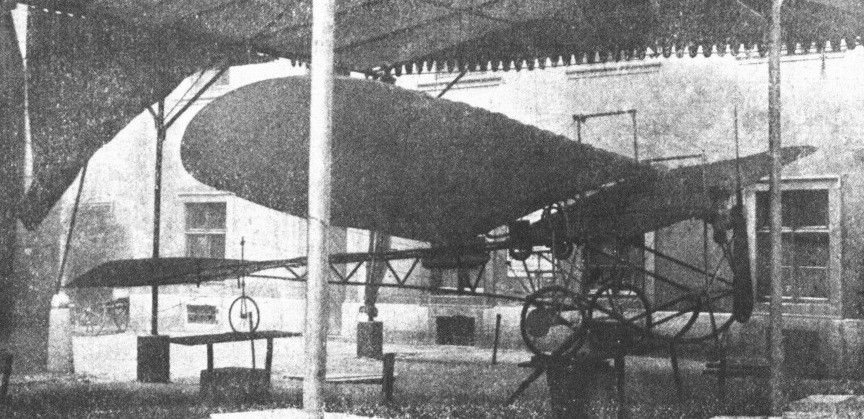
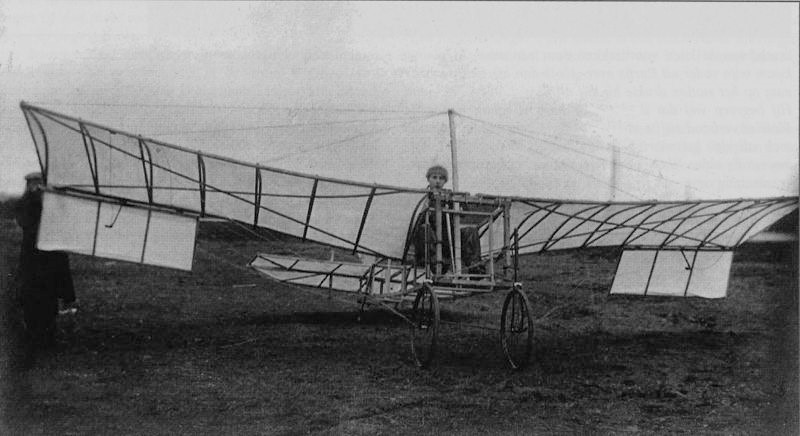
von Hemert Aéroplane No. X

A glider built by Walton White Evans von Hemert. The machine was built in 1911 in a carpenter workshop in Amersfoort, Netherlands. Von Hemert (born 1894) was then 17 years of age. He made several flights with the glider, one of which was on 5 February 1911, as reported in the Dutch aviation magazine “De Luchtvaart”. The glider was towed by a car via a connecting line and the flight lasted about one minute at a height of around 10 meters. All of a sudden a gust of wind broke the left wing, crashing the machine. The wings were wrecked but the fuselage and the part where the pilot sat was intact. The rudder sported the identification “Aeroplane V. Hemert No. X”.

von Cosel 1930 monoplane

In 1930 Carl T von Cosel, of Key West FL. Built a two-place cabin, high-wing monoplane amphibian, registered N879Y and powered by a 180hp LeRhône rotary engine.

The wings were never attached, so the plane was never flown. Some reports claimed that von Cosel, an undertaker by trade, kept his dead wife in it for an unstated period of time.

When he left Key West in 1940, he took the plane with him and both disappeared.

Volmer M-1 / Martin M-1

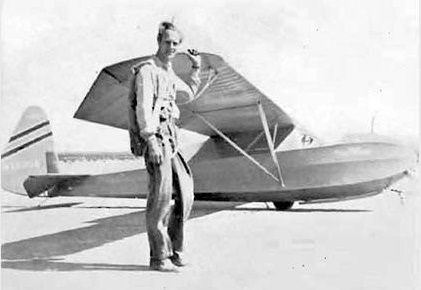
Jim Martin contracted Volmer Jensen to design and built him a glider for contest flying just before the Second World War.

The aircraft was constructed with a wooden structure and covered in doped aircraft fabric covering. The cantilever gull-style wing employed a NACA 4400 series airfoil. The tail was a conventional low-tail design and featured strut-bracing. The M-1 was registered as an Experimental – Amateur-built aircraft and was not type certified.

Jensen completed the aircraft in 1939.

Martin flew the aircraft in a number of US Nationals, as did a later owner of the M-1, Emil Lehecka. While Lehecka owned it the aircraft picked up the nickname of the Whatsit. By the 1970s the aircraft was owned by Francis Kalinowsky and was based at the Circle X airport in Florida. At that time it was reportedly in good repair and was well maintained.

The aircraft was removed from the Federal Aviation Administration registry and its whereabouts are unknown.

M-1
Wingspan: 48 ft 0 in (14.63 m)
Wing area: 180 sq ft (17 m2)
Aspect ratio: 12.8:1
Airfoil: NACA 4400 series
Empty weight: 438 lb (199 kg)
Gross weight: 631 lb (286 kg)
Maximum glide ratio: 28 at 50 mph (80 km/h)
Rate of sink: 132 ft/min (0.67 m/s) at 40 mph (64 km/h)
Crew: one