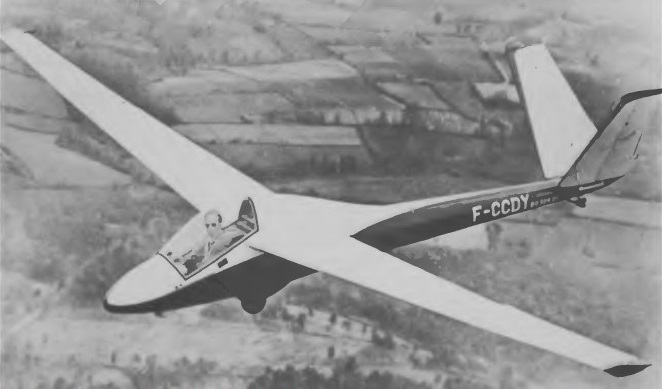
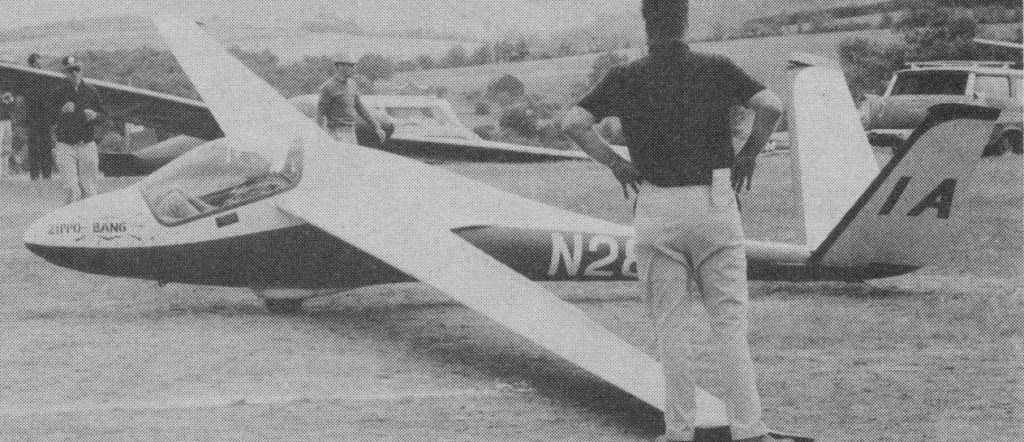
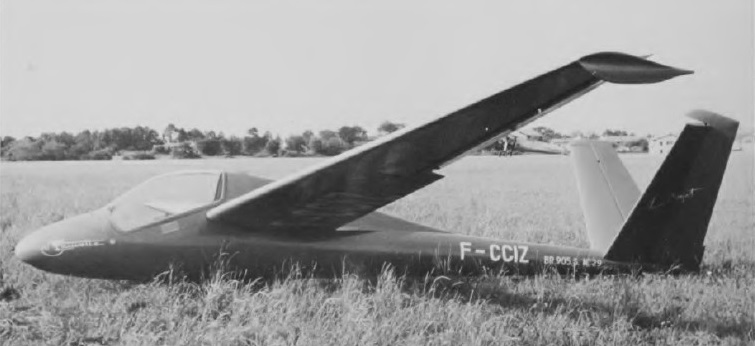
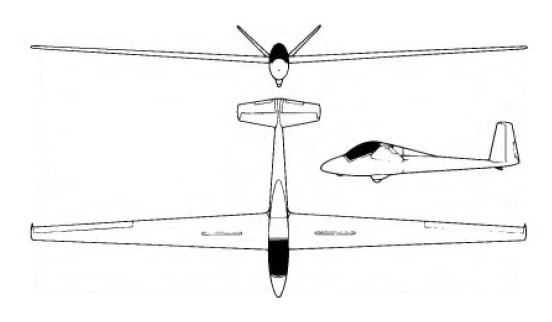
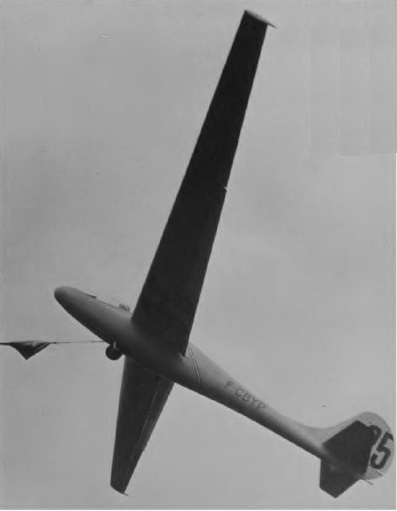
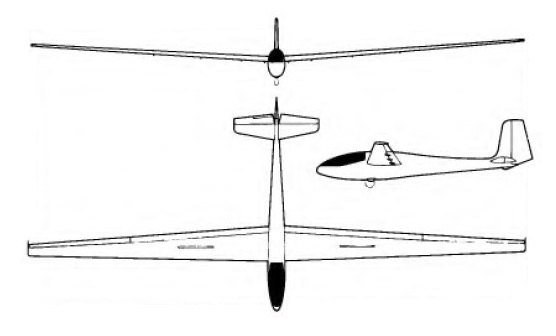
The Breguet 906 Choucas (Jackdaw) is a slightly larger two-seater trainer development of the Fauvette with a wing span of 18m (59 ft 0 in) instead of the latter’s 15m, and the prototype flew for the first time on 26 October 1959.
It was not until April 1964 that the French government announced that they had decided to put it into production with an initial order for three, and as Breguet had ceased making sailplanes in 1963 Choucas production was entrusted to CAARP – Cooperative des Ateliers Aeronautiques de la Region Parisienne – at Beynes aerodrome in the Seine-et-Oise department.
CAARP replaced all the plastic parts with wooden components on the production aircraft, but the prototype was very similar in construction to the Fauvette, with the same three-section fuselage structure, the moulded plastic foam nose section housing the pilot’s seat, the steel tube centre portion covered with polystyrene skin containing the rear seat with its transparent canopy, and the rear fuselage being of plywood/Klegecel sandwich construction. The tail surfaces were the same construction as the Fauvette’s, and the cantilever shoulder wing had a single wooden spar with a plywood/Klegecel leading edge torsion box and a fabric-covered trailing edge. Slotted ailerons covered 45% of the span and the air brakes were metal and Klegecel sandwich like the Fauvette’s. The non-retractable monowheel has a brake and there is a shock-absorbing tailskid. There is provision for a baggage compartment for the pilots, and other optional ‘extras’ include a turn-and-bank indicator, artificial horizon, VHF radio and oxygen systems.
Span: 59 ft 0 in Length: 25 ft 11 in Wing area: 183.5 sqft Aspect ratio: 19.1 Empty weight: 640 lb Max take-off weight: 1,146 lb Max speed: 124 mph (in smooth air) Min sinking speed: 2.13 ft/sec at 43.5mph Best glide ratio: 30:1 at 43.5 mph
A postwar French sailplane designs, the Breguet 905 Fauvette (or Warbler) is a Standard Class single-seater with a V-tail and made its first flight in 1958. Like the Type 900 and 901 it was designed by J. Cayla.
Construction makes extensive use of Klegecel, the expanded plastic giving a very strong and light structure which was used before in the Type 901. The fuselage is built in three main parts, consisting of the nose section of moulded plastic foam including the pilot’s seat and flying controls; the centre fuselage, which is a steel tube framework covered with a moulded polystyrene skin and carries the wing, the cockpit attachment points and the towing hook; and the rear fuselage, which is of plywood/foam sandwich construction.
This sandwich is composed of 6mm plywood and 8mm of Klegecel, and the same sandwich construction is also used for the fixed tail surfaces, which can be folded to the vertical position for loading on a trailer; the movable surfaces are fabric covered. The cantilever single-spar shoulder wing is of similar plywood and Klegecel construction and has an NACA 63-series laminar flow section; the single spar is of wood and the air brakes are made up of a metal and Klegecel sandwich.
It was made available to customers either complete from the factory or in kit form for homebuilt assembly, and altogether 50 Fauvettes were built by Breguet.
The Fauvette soon made its mark in contest flying, and among the records set up in it was the United Kingdom distance record broken by Rear Admiral H. C. N. Goodharton 12 June 1959 with a flight of 388 miles.
905 Fauvette Span: 15.0 m / 49 ft 2.5 in Length: 6.22 m / 20 ft 4.75 in Wing area: 11.25 sq.m / 121.1 sq.ft Aspect ratio: 20.0 Wing section: NACA 63420/63613 Empty weight: 155 kg / 342 lb Max weight: 275 kg / 606 lb Water ballast: None Max wing loading: 24.5 kg/sq.m / 5.02 lb/sq.ft Max speed: 124 mph / 108 kt / 200 km/h Stalling speed: 29 kt / 54 km/h Max rough air speed: 92 kt / 170 km/h Min sinking speed: 0.65 m/sec / 2.13 ft/sec at 40 mph / 35 kt / 65 km/h Best glide ratio: 30:1 at 48 mph / 42 kt / 78 km/h
The Breguet 901 high-performance single-seat sailplane was developed in 1953 from the Type 900, Breguet’s first sailplane which, on its maiden flight on 13 May 1949, covered a distance of 292 miles at an average speed of 56mph which, had it been observed, would have set up a new French goal flight record.
The Type 900 was of all-wood construction with fabric covered wings of 46 ft 11 in span with slotted ailerons, slotted flaps and metal dive brakes, and a plywood-covered fuselage. The Type 901, designed by J. Cayla, incorporated several advanced features for its time and took first place in the single-seater class at the 1954 World Gliding Championships at Camphill, going onto repeat this success at the 1956 World Championships in France, by which time a production batch of 60 had been put in hand. The 901 differed from the 900 chiefly in having a longer span (56ft 10in) wing of higher aspect ratio and a more streamlined fuselage, with the large blown Plexiglas cockpit canopy flush with the fuselage top line, a practice since adopted by many other sailplane designers. Another unusual feature was the carriage of 165 lb of water ballast in the wings, which could be discharged through openings just beneath the wings in each side of the fuselage.
Construction was very similar to the Type 900 with slotted ailerons and multi-hinged slotted Fowler flaps on the laminar-flow wing, and metal dive brakes on the upper and lower surfaces. The leading edge torsion box is a sandwich of plywood and Klegecel, an expanded plastic pre-formed under heat to the required shape, giving very strong and light structure. The single spar is of spruce and plywood and wing covering is of plywood and fabric. The tail unit is of very similar construction, and the tailplane and elevators can be folded horizontally for transport. The fuselage is a plywood-covered monocoque with a single retractable monowheel with hydraulic brake for landing; a landing can be made with the wheel retracted without serious damage to the structure. The pilot is provided with radio, blind-flying equipment and oxygen.
The Type 901-S1, which first flew in 1956, differed from the 901 in having modified flaps, a slightly longer fuselage and larger tailplane. The Breguet 904 Nymphale is a two-seater version of the 901, the first of two prototypes making its maiden flight on 26 May 1956.
This featured a laminar-flow wing of 20m (65ft 7in) span and end-plate fairings called ‘salmons’ on the wing tips; the second seat increased the length to 29ft 6in.
901-S1 Span: 17.32 m / 56 ft 10 in Length: 7.57 m / 24 ft 10 in Wing area: 15.0 sq.m / 161.5sq.ft Aspect ratio: 20 Wing section: NACA 63 series Empty weight: 265 kg / 584 lb Max weight: 430 kg / 948 lb Water ballast: 75 kg / 165 lb Max wing loading: 28.67 kg/sq.m / 5.87 lb/sq.ft Max speed: 136 mph / 119 kt / 220 km/h Stalling speed: 33.5 kt / 62 km/h Max rough air speed: 97 kt / 180 km/h Min sinking speed: 2.0 ft/sec / 0.60 m/sec at 45 mph / 39 kt / 72 km/h Best glide ratio: 36:1 at 53 mph / 46 kt / 85 km/h
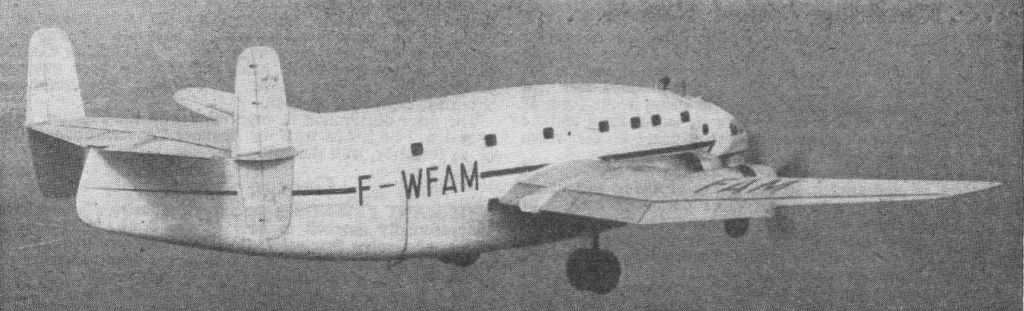
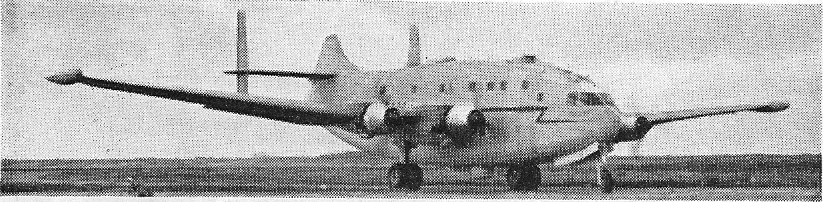
With a French Air Force requirement to replace the Douglas C-47 and Amiot AAC-1, in 1948, Breguet came to the conclusion that in the near future a high capacity transport aircraft would be needed that could be used for by both civilians and military. Prototype 890J Mercure commercial transport was originally to be powered by two Jumo 211 but with the availability of the British Hercules engine the designation was changed to 890H. The prototype of the basic model Breguet Br.890H Mercure is a cantilever monoplane with a high-wing, construction – all metal, except fabric covering control surfaces of the empennage. The power plant consisted of two Bristol Hercules 739 engines rated at 2000 hp. The aft fuselage contains a swing tail to allow access. On the ceiling of the cargo compartment rails fastened to the lift / winch designed for the download directly from the truck through the back as well as through a side door. It had a retractable tricycle landing gear. One was built and first flown in April 1950.
890H Mercure
Br.891R Mars was a military transport version of Br.890H Mercure, retained the structural features of the latter, but distinguished by folding the seats for 20 paratroopers laid along the sides, and doors on the sides for dropping paratroopers in the air, as well as the hatch to clear the cargo container, and fixing landing site for towing gliders. The power plant consisted of two Gnome-Rhone 14R-200 rated at 1600 hp (1,193 kW). One was built and first flew in November 1949. The first to fly on 1 March 1949, the Breguet 892S Mercure had four 500 hp (373 kW) Renault 12S inline piston engines. A convertible cargo/passenger variant, one was built and the 892S was later converted to be the second 890H. Only one prototype of each variant was built, the French Air Force ordered the Nord Noratlas rather than the Mars and with the availability of war-surplus aircraft like the Douglas DC-3 available to commercial operators the type did not enter production.
Breguet Br.890H Mercure Engines: 2 x Bristol Hercules 739, 2000 hp
Breguet Br.892R Mercure Engines: 4 x Renault 12S, 500 hp / 373 kW Maximum speed: 350 kph at 2500 m Cruising speed: 285 kph at 1500 m Range: 1000 km Empty weight: 8,990 kg Maximum take-off weight: 16 000 kg Wingspan: 30.60 m Length: 21.60 m Height: 7.20 m Wing area: 101.20 sq.m
Breguet Br.892S Mercure Engines: 4 × Renault 12S inline piston, 370 kW (500 hp) each Length: 21.60 m (70 ft 10 in) Wingspan: 30.60 m (100 ft 5 in) Height: 7.20 m (23 ft 7 in) Wing area: 101.20 m2 (1,089.3 sq ft) Empty weight: 800 kg (1,764 lb) Max takeoff weight: 16,000 kg (35,274 lb) Maximum speed: 350 km/h (220 mph; 190 kn) at 2500m Cruising speed: 285 km/h (177 mph; 154 kn) at 1500m Range: 1,000 km (621 mi; 540 nmi)
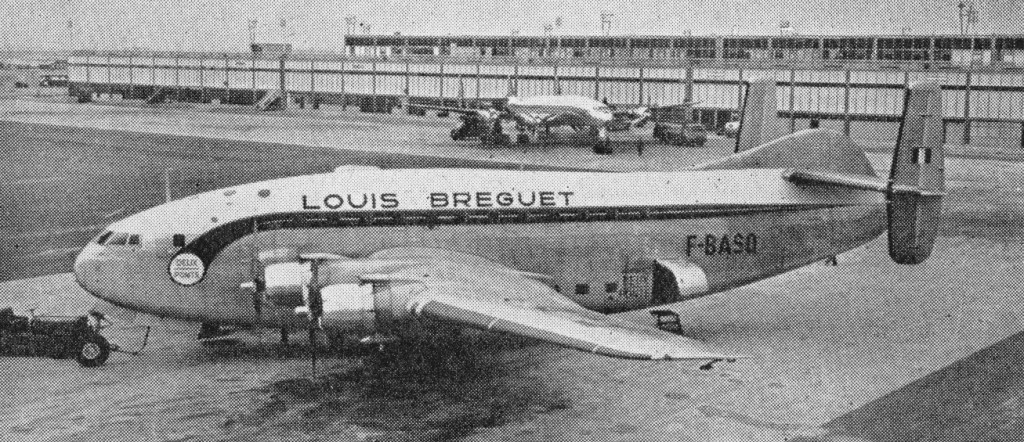
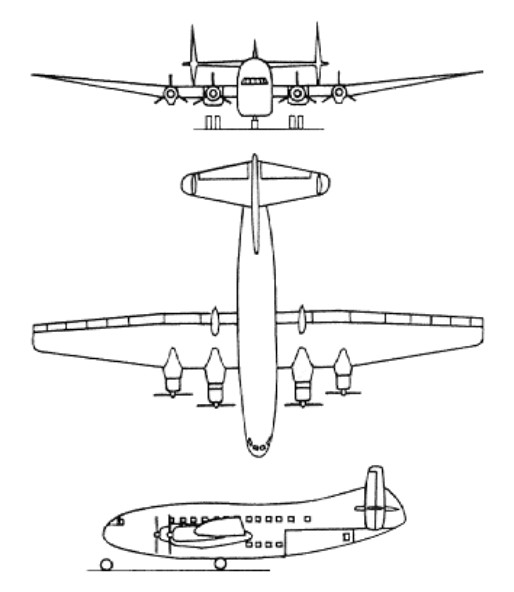
The 763 and 765 transport aircraft were the production developments of the 761, the design of which began in 1944. The prototype 761 powered by four 1,192kW SNECMA 14R engines and first flew on 15 February 1949. A pre-series of three aircraft, designated 761S, was then produced, powered by 1,490kW Pratt & Whitney R-2800 B31 engines.
Br.761 1949
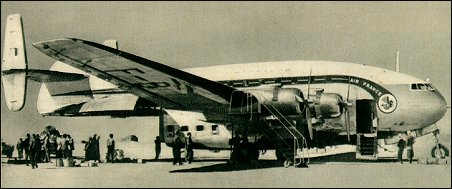
The 763 was the first production version of the Deux Ponts. Twelve were ordered by Air France in 1951, powered by four 1,788kW R-2800 CA18 engines. The inaugural flight was on 16 March 1953, on the Algiers-Marseilles-Lyon-Marseilles-Tunis run. The plane, powered by four 2400-hp Pratt & Whitney Double Wasps, carried some 107 passengers, 59 in tourist class on an upper deck and 48 in a second-class cabin below; alternatively, 135 could be carried in economy class. They were used mainly on routes to North Africa, but some have worked extra peak-period services to London Airport.
In 1958 a Breguet 763 make a demonstration tour, including New York’s International Airport at Idlewild.
The fuselage was generally similar to that of the 761, but the wing span was increased and the wings were reinforced. It was a convertible passenger/cargo airliner with standard accommodation for 59 tourist-class passengers on the upper deck and 48 second-class passengers on the lower.
The 765 Sahara was the military transport version with accommodation for 146 fully equipped troops, 85 stretchers and medical attendants or freight (including military vehicles loaded through the large rear-opening ramp). Fifteen were ordered for the French Air Force in 1956 powered by Pratt & Whitney R-2800 GB-16 or CB-17 engines. The first flew on 6 September 1958.
The Bre.764 was a special maritime patrol/anti-submarine version of the Breguet Deux-Ponts. It was fitted with tip-tanks and dorsal/ventral turrets and radome.
Br.761 Engines: 4 x Gnome et Rhone 14R Wingspan: 136 ft 6 in Top speed: 323 mph
Engine: 4 x P+W R-2800 CA18 Double Wasp, 2400 hp / 1765kW Wingspan: 43.0 m / 141 ft 1 in Length: 28.9 m / 94 ft 10 in Height: 9.9 m / 32 ft 6 in Wing area: 185.4 sq.m / 1995.63 sq ft Take-off weight: 51600 kg / 113759 lb Empty weight: 32241 kg / 71080 lb Cruise speed: 380 km/h / 236 mph Ceiling: 6000 m / 19700 ft Range w/max.fuel: 4000 km / 2486 miles Range w/max.payload: 2300 km / 1429 miles Crew: 2-5 Passengers: 107-135
Breguet 763 Provence Engines: 4 x Pratt and Whitney Double Wasp CA-18 2,400 hp Span: 140ft Wing area: 1996 sq.ft Length: 94 ft 11 in Height: 31 ft 4 in Empty weight: 55,8890 lb Loaded weight: 110,230 lb Max cruise: 230 mph at 9842 ft ROC: 740 fpm Range: 2367 mi
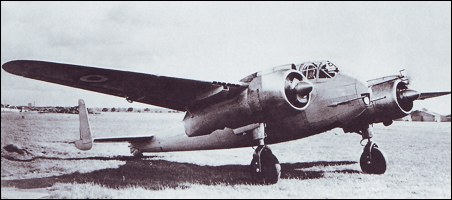
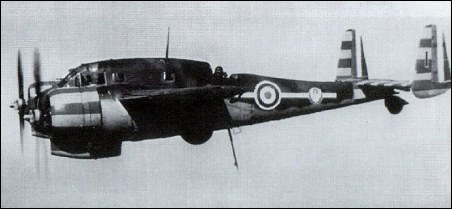
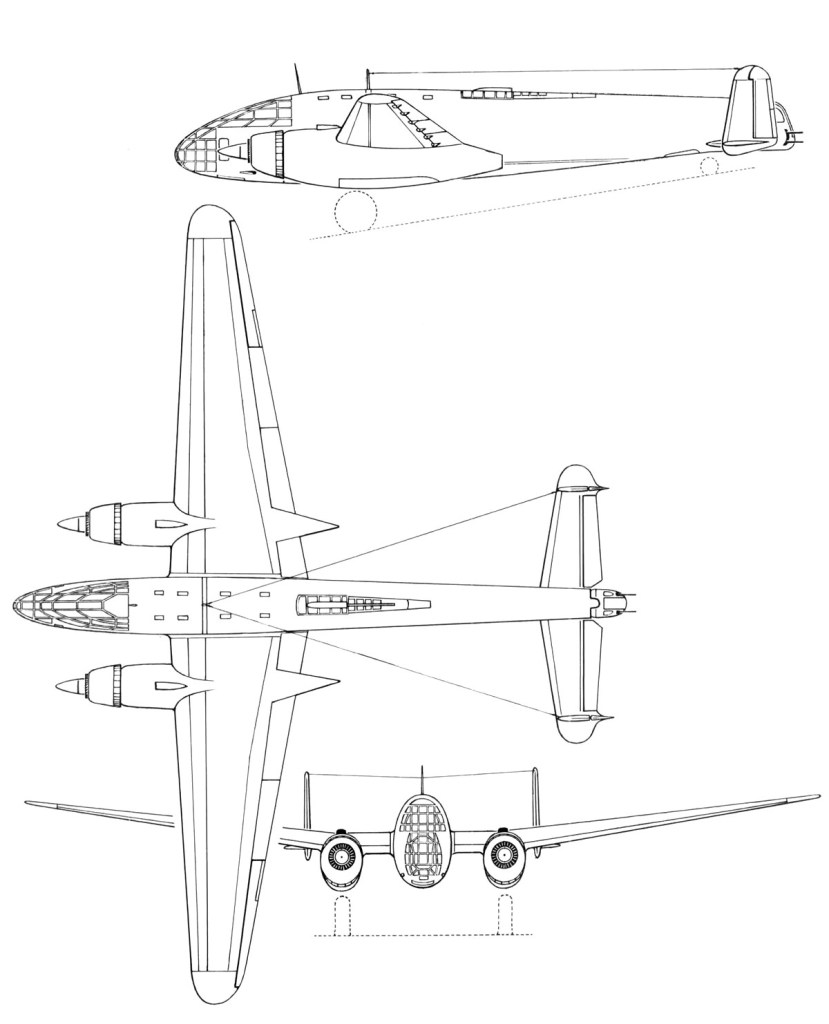
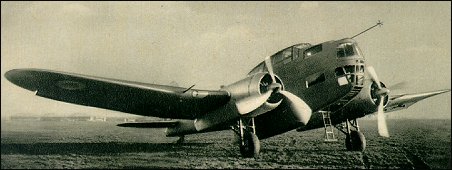
In 1934 the French Air Force issued a requirement for a twin-engined three-seat heavy fighter. Several manufacturers submitted proposals, and the contest was won by the Potez 630. The Breguet proposal had been heavier and more powerful than the other submissions, its designers believing it to be a more versatile, multi-role aeroplane. Design of the Breguet 690 was started in 1935 and a prototype was completed in 1937, first flying on 23 March 1938 with two 507-kW (680-hp) Hispano-Suiza 14AB-02/03 engines. The aircraft was found to have a performance superior to that of the Potez 630, and Breguet received a contract to supply 100 aircraft, configured as two-seat light attack bombers as the Bre.691, first flying in March 1939 with 522-kW (700-hp) 14AB-10/11s.
The Breguet 691 was a cantilever mid-wing monoplane of all-metal construction, with two wing-mounted engines and a short fuselage nose. Aft of the wing the fuselage tapered to a tailplane with twin endplate fins and rudders. Conversion from Bre.690 to Bre.691 was deletion of the navigator’s position to provide a small bomb bay. Experience with the Bre.691 proved the Hispano-Suiza powerplants to be unreliable, and the Bre.693.01 was introduced with two Gnome-Rhone 14M-6/7 engines after only 78 Bre.691s had been built. Two hundred and thirty four examples of the Bre.693 were built, later examples having two extra 7.5mm machine-guns, one installed in the tail of each engine nacelle, to improve self-defence. The Breguet 693 proved extremely vulnerable and almost half were lost to enemy action. Foreign interest in the Bre.690 series was cut short by the German invasion of France and the single Bre.694.01 built, intended as a three-seat reconnaissance aircraft, was delivered directly to the Aeronavale. The Bre.694 was generally similar to the original Bre.690 with no bomb bay and a navigator’s compartment, but with Gnome-Rhone 14M-4/5 engines. The Bre.695 was virtually identical to the Bre.693 but with Pratt & Whitney SB4G Twin Wasp Junior engines. Fifty Bre.695s were built, being delivered to Groupe 18 in June 1940.
Breguet 695
The Bre.696 and 697 were built only as prototypes and were respectively a two-seat light bomber and a two-seat heavy destroyer.
Bre.690 two 507-kW (680-hp) Hispano-Suiza 14AB-02/03 engines
Bre.691 Hispano-Suiza 14AB-10/11, 522-kW (700-hp)
Bre.693.01 two Gnome-Rhone 14M-6/7 engines
Bre.693 Engines: 2 x Gnome-Rhone 14M-6/7, 522kW (700 hp). Span: 15.37m (50ft 5in). Length: 9.67m (31ft 8.75in). Max T/O weight: 4900 kg (10,803 lb). Max speed: 304 mph at 16,405 ft. Operational range: 839 miles. Armament: 1 x 20-mm Hispano¬Suiza cannon and 4 or 6 7.5-mm (0.295-in) Darne mg, up to 400kg (882 lb) of bombs
Bre.693 AB2 Engines: 2 x Gnome-Rhone 14M-6/7, 522kW (700 hp). Take-off weight: 4892 kg / 10785 lb Empty weight: 3006 kg / 6627 lb Wingspan: 15.4 m / 50 ft 6 in Length: 9.7 m / 31 ft 10 in Height: 3.2 m / 10 ft 6 in Wing area: 29.2 sq.m / 314.31 sq ft Max. Speed: 490 km/h / 304 mph Ceiling: 9500 m / 31150 ft Range: 1350 km / 839 miles Crew: 2 Armament: 1 x 20mm cannon, 3 x 7.5mm machine guns, 400kg bombs
Bre.694.01
Bre.694 Gnome-Rhone 14M-4/5 engines.
Bre.695 Pratt & Whitney SB4G Twin Wasp Junior engines.
By the 1930s, the French air force’s bomber force was very out-of-date and too small. In December 1936, a requirement was issued code-named “B4”, the French Air Ministry, for a new four-seat, twin-engined medium bomber design.
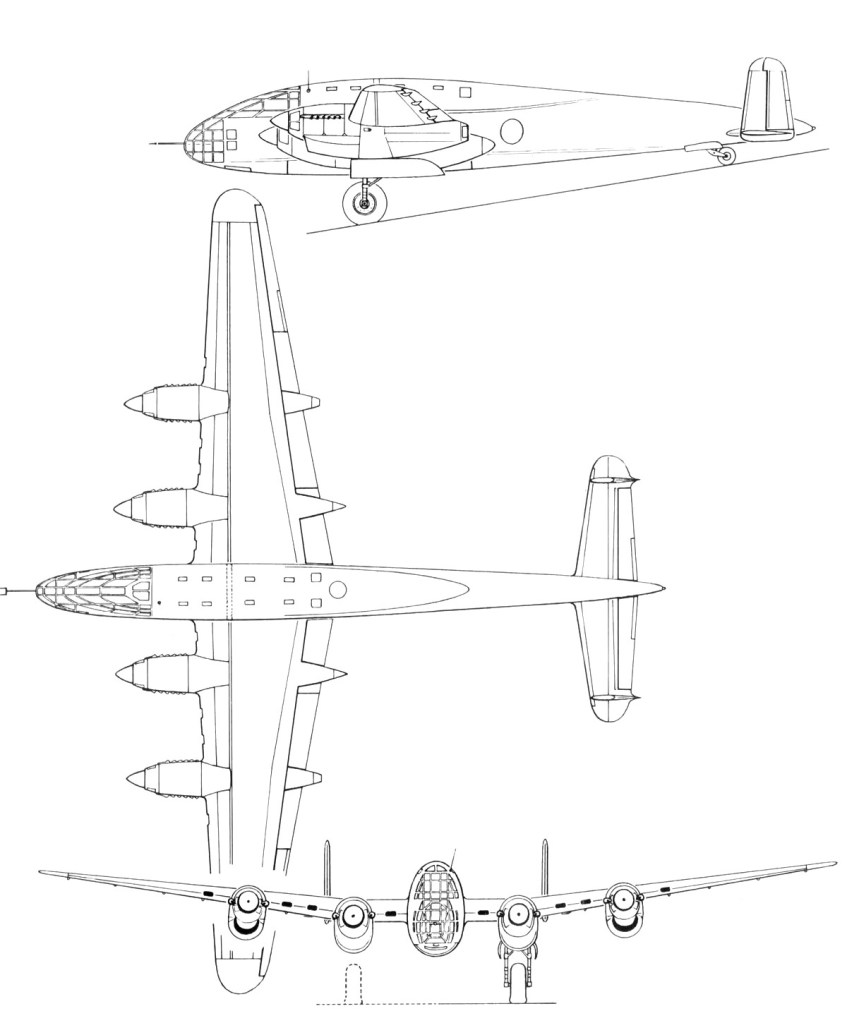
Breguet submitted four designs and Bloch one; of which a two-engine Breguet and four-engine Bloch design were both shortlisted. Breguet’s initial design, the Breguet 480 (or Bre. 480) to be powered with the specified 1,225 hp (914 kW) Gnome et Rhône 14L radial engines which was meant to carry 1,000 kg (2,200 lb) of bombs over a 2,500 km (1,600 mi) radius. Gnome et Rhône abandoned the 14L however, so, after considering a version powered by two Hispano-Suiza 12Y V12 engines, Breguet reworked the design as the Breguet 482, with four 1,350 hp (1007 kW) Hispano-Suiza 12Z engines, with an order for two prototypes placed by the French Air Ministry on 12 May 1938.
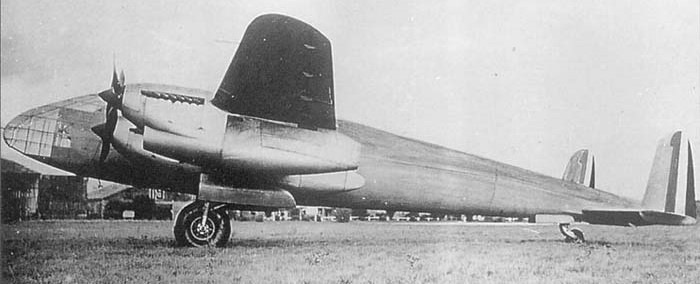
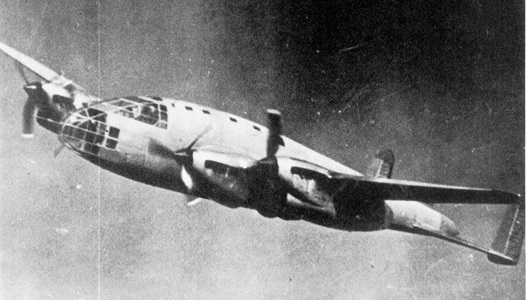
The Breguet 482 was a mid-winged monoplane of all-metal construction, with a clean, low-drag, oval section monocoque fuselage, twin tails and a retractable tailwheel undercarriage. The planned defensive armament was a 20mm Hispano-Suiza HS.404 cannon in a power operated dorsal position, with a 7.5mm machine gun in the nose and a further two machine guns in ventral mountings. Up to 2,500 kg (5,500 lb) of bombs could be carried.
The Br-482 was of all-metal construction with a four-man crew. The most characteristic feature was the large “glazed” nose area. The plane was fully-enclosed and had retractable main and tail landing gear. The internal wing supports were three spars, the outer two aluminium and the centre steel.
Construction of the two prototypes was well progressed when Germany invaded France on 10 May 1940, and in late May it was decided to evacuate the near complete prototypes from Villacoublay near Paris, with the first prototype being sent to Bône in Algeria and the second to the Breguet factory at Anglet, near Bayonne in the far south-west of France. The first prototype was destroyed during a German air-raid in November 1942 following the Allied invasion of French North Africa, but the first prototype remained hangered untouched, despite the fact that Anglet had been occupied by the Germans since 1940.
When the Germans withdrew, Breguet resumed work on the Br 482, proposing to complete it with more powerful Hispano-Suiza 12Z engines and a heavier armament. The French Armée de l’Air had no requirement for a bomber, however, and it was decided to use the aircraft, with the planned modifications, but with armament removed, as a research aircraft. Breguet deleted one of the crew positions leaving the Br-482 a three-man plane. The defensive guns, which had not been fitted before France’s 1940 surrender, were never installed and the mounts deleted. The engines were upgraded to the newest and most powerful model of the Hispano-Suiza 12Z with a centrifugal supercharger.
In this form it was finally flown for the first time on 27 November 1947 with a crew of three, being used for various experimental purposes, including testing of the 12Z engines.
The Br-482’s first mission was to explore the performance regime of the supercharged upgraded engines. They did not perform as well as expected and the Br-482 was never able to explore the full range of its flight envelope. After frequent engine failures the Br-482 was restricted to 84% throttle. Although Spain and Yugoslavia used the supercharged 12Z engine after WWII, the lone Br-482 was the only French plane to use it. After these tests, it had been planned to use the Br-482 to test the planned 24Z engine and a new contra-rotating propeller design. Both of these projects were cancelled. Likewise, a planned quad gun mount design was cancelled before tests aboard the Br-482 could start.
In 1949, some consideration was given to re-engining the Br-482 with Gnome-Rhone 14R radial piston engines. The last design of Gnome-Rhone (which did not survive the occupation), the 14R was built by SNECMA after WWII and were 15% more powerful than the 12Z. There were concerns about the stability of the Br-482 at the increased speed, especially with the weight of the guns, bombsight, and fourth crewman missing. The re-engining was never done. The plane continued in use with the original engines as an observation vehicle for early French ballistic missile tests.
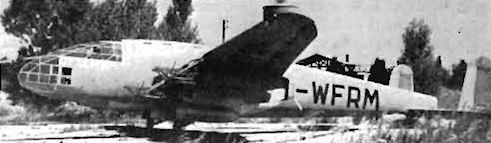
Twenty flights in all were done between 1948 and 1950. At some point in 1950, the Br-482 was transferred out of the French air force’s inventory and given the civil registration F-WFRM.
The Br-482 was discarded on 13 September 1950. The deactivated plane, stripped of the engines and equipment, was still in existence as late as 1952 when it was presumably finally scrapped.
Br 482 Engines: 4 × Hispano-Suiza 12Z, 1,007 kW (1,350 hp) (take off power) Wingspan: 24.09 m (79 ft 0 in) Wing area: 64.4 m2 (693 sq ft) Length: 18.86 m (61 ft 11 in) Height: 5.21 m (17 ft 1 in) Empty weight: 10,450 kg (23,038 lb) Gross weight: 14,500 kg (31,967 lb) Maximum speed: 560 km/h (348 mph; 302 kn) at 8,000 m (26,250 ft) Cruising speed: 529 km/h (329 mph; 286 kn) Range: 1,519 km (944 mi; 820 nmi) Service ceiling: 12,000 m (39,370 ft) Crew: 3 Armament: 1 x Hispano-Suiza HS.404 20mm gun firing forward (500 rds), twin Reibel 7.5mm machine gun in the dorsal position (600 rds), two loose MAC-1934 7.5mm machine guns firing from drop-down belly mounts. Bombload: 5,500 lbs / 2500 kg
Br.482B.4 Engines: 4 x Hispano-Suiza 12 Y 51, 1100 hp Wingspan: 24.20 m Wing area: 67.90 sq.m Length: 18.60 m Height: 4.25 m Empty weight: 9500 kg Normal takeoff weight: 16,060 kg Cruising speed: 400 kph Practical range: 2500 km Practical ceiling: 9000 m Crew: 4 Armament: one 20-mm cannon Hispano-Suiza / four 7.5-mm machine gun Darne Bombload: 2500 kg
The first prototype Br.460 flew for the first time in 1935. Then the project was cancelled in favour of Br.462 which first flown in October 1936. Only three Br.462 were built.
Engine: 2 x G+R 14NO, 700kW Take-off weight: 8200 kg / 18078 lb Empty weight: 4350 kg / 9590 lb Wingspan: 20.5 m / 67 ft 3 in Length: 14.8 m / 48 ft 7 in Wing area: 57.0 sq.m / 613.54 sq ft Max. Speed: 402 km/h / 250 mph Ceiling: 8300 m / 27250 ft Range w/max.fuel: 3100 km / 1926 miles Range w/max.payload: 900 km / 559 miles Crew: 4 Armament: 1 x 23mm machine-gun, 1500kg bombs
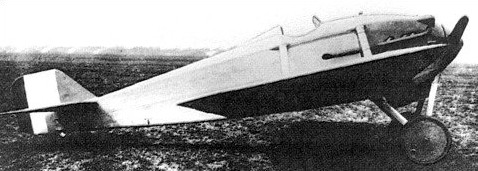
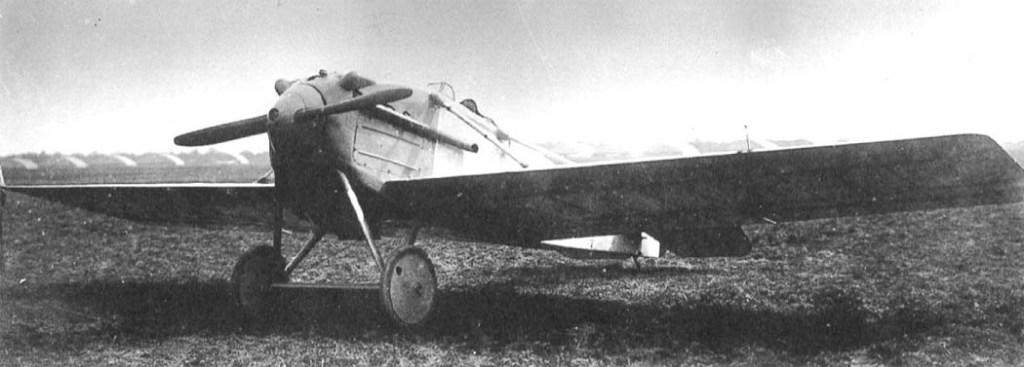
The Breguet LE (Laboratoire Eiffel) single-seat fighter monoplane was aerodynamically an advanced design with emphasis being placed on minimising drag in order to achieve high performance. The basis of the design was produced by the Director of the Laboratoire Eiffel in collaboration with the Breguet design staff, the Breguet company having overall responsibility for translating the basic concept into a prototype. The first prototype LE was fitted with a 180hp Hispano-Suiza 8Ab eight-cylinder water-cooled engine. Proposed armament consisted of a single 7.7mm Vickers machine gun totally enclosed within the fuselage, although this was never fitted. The LE made a short initial flight at Villacoublay in mid-March 1918, but the undercarriage failed on landing. After repairs, a further flight was made on 28 March, this terminating when the aircraft dived into the ground at full throttle, the pilot, Jean Saucliere, losing his life. Developments of the LE with a 220hp Lorraine-Dietrich and a 300hp Hispano-Suiza 8Fb were proposed, and construction of an airframe to take the latter power plant was nearing completion at the time of the loss of the first prototype, when further work was suspended.
LE Engine: 180hp Hispano-Suiza 8Ab Take-off weight: 700 kg / 1543 lb Empty weight: 495 kg / 1091 lb Wingspan: 9.78 m / 32 ft 1 in Length: 6.35 m / 21 ft 10 in Height: 2.00 m / 7 ft 7 in Wing area: 20.0 sq.m / 215.28 sq ft Max. speed est: 220 km/h / 137 mph
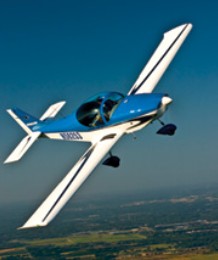
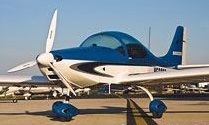
Breezer is an ultra light, LSA, and experimental category design. The entire cockpit was designed ergonomically; from the instrument panel to the seating arrangement, everything was modeled and shaped. Planning for a Breezer kit plane version from day one, the aluminum airframe structure design was kept simple and sturdy. To assemble the pre-manufactured components, you only need a flat table top. The high level of prefabrication allows a rapid fuselage assembly. Accurate matched drilling lets you to assemble aluminum alloy parts without extensive jigging. Other parts, like the spar center section, are provided fully assembled. Wherever needed the fuselage is reinforced in an optimal way. The wings are built in a spar/rib structure. As the wings sport no wash-out, neither aerodynamically nor geometrically, these can be built on a flat table top. Jigging is minimal. Like with the fuselage, the wing parts come with most holes match drilled into the ribs, spar and wing skin. This assures that assembly errors are eliminated from the outset. This same simple and sturdy structure is used to assemble the horizontal stabilizer and elevator. The Breezer experimental category kit plane was developed along with the ultralight. The following items were modified for the experimental category kit plane:
MTOW raised to 580 kg / 1279 lb
Stronger wing spar
Stronger wing spar center section
Stronger stabilizer (as requested by the Swiss) After Germany allowed sailplanes to be towed by ultra light aircraft, the Breezer was tested and found suitable for towing flights. The Breezer is made in three models. The Breezer CR. The Breezer Club as a dedicated flight training edition, and the Breezer Acro, aerobatic aeroplane.
Breezer II
In 2012 the all-metal Breezer II was available as a ready built or E-LSA kit airplane. Price 2012: S-LSA Breezer is US$125,800. Quick Build kit (less engine and avionics): US$46,600.
Engine: Rotax 80 hp Cruise speed (75%): 180 km/h / 112 mph Maximum Speed Vne: 245 km/h / 152 mph Stall speed: 64 km/h / 40 mph Climb speed: 4,5 m/s / 886 fpm Wingspan: 8,03 m / 26.4 ft Cabin width: 1,16 m / 45,7 in Length: 6,40 m / 21 ft Height: 2,15 m / 7 ft Wing area: 10,92 sq.m / 117.5 sq ft Empty weight incl. BRS: 296 kg / 652.6 lb Maximum gross weight: 472,5 kg / 1041.7 lb Load: 176,5 kg / 389 lb Fuel capacity: 70 liter / 18.5. USgal Average fuel consumption / hr: 11-14 lt / 2.9 -3.7 USgal Take off dist: 135 m / 443 ft Landing dist: 140 m / 459 ft
Engine: Rotax 100 hp Cruise speed (75%): 200 km/h / 124 mph Maximum Speed Vne: 245 km/h / 152 mph Stall speed: 64 km/h / 40 mph Climb speed: 6 m/s / 1181 fpm Wingspan: 8,03 m / 26.4 ft Cabin width: 1,16 m / 45,7 in Length: 6,40 m / 21 ft Height: 2,15 m / 7 ft Wing area: 10,92 sq.m / 117.5 sq ft Empty weight incl. BRS: 300 kg / 661.4 lb Maximum gross weight: 472,5 kg / 1041.7 lb Load: 172,5 kg / 380 lb Fuel capacity: 70 lt / 18.5 USgal Average fuel consumption / hr: 12-15 / lt / 3.1-3.9 USgal Take off dist: 95 m / 312 ft Landing dist: 140 m / 459 ft
Breezer II Engine: Rotax 912 ULS, 100hp@SL Propeller: 3-blade Neuform Gross weight: 1320 lb Empty weight with optional BRS: 763lb Useful load, std: 557 lb Payload, full std. fuel: 518lb Fuel capacity (lbs.): 21 Wing area: 117.5 sq. ft Cruise speed, 75% power: 105 kt Range with 30-min. reserve, 75% power: 420 nm Best rate of climb, solo: 1181 fpm Best rate of climb, two people: 900 fpm Service ceiling: 14,500 ft Takeoff over 50 ft obstacle: 925 ft Landing ground roll: 606 ft Vne: 120 kt V Stall: 36 kt