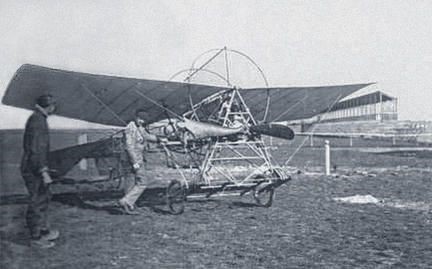
Pablo Castaibert’s monoplane 1910-I was modelled on the Santos-Dumont Demoiselle. Fitted with a 35 hp Anzani, it was not able to fly. It is claimed that the machine would not fly because of a balance problem that could not be resolved after several modifications although it was probably also due to the absence of flight experience by Castaibert himself. At the end of 1910 Castaibert saw a Blériot flying which prompted him to switch designs resulting in his rather more successful series of monoplanes.
The cassutt 111 M Sport Racer was designed as a Formula 1 racing aircraft by Tom Cassutt, an airline pilot, built in 1954, and is mid-wing. The Cassutt is a single place, full cantilever, high performance aircraft. It is fully aerobatic and meets the specifications for competitive racing, “G” loading, safety characteristics and visibility.
The airframe is basically a welded chrome moly steel tube structure, the fin being built integral with the fuselage. Similarly, the full span ailerons, tailplane, rudder and elevators are welded steel tube and fabric covered members. The area of the cockpit is skinned with aluminium alloy sheet or molded fiberglass cowlings from the cockpit forward. A sheet metal spine decking rounds off the sharp apex of the fuselage behind the cockpit.
The wing is one piece of constant chord and incorporates 18 built up ribs spruce, 3 ply laminated main spar, solid leading edge and rear spar and covered with a 45 degree bias ply skin. Truss ribs are built of spruce with skins comprised of four sheets of 3 ply plywood. The ultimate load factor is +-12g. The undercarriage consists of a spring steel one piece main gear bolted to the fuselage with four bolts and a steerable tailwheel. A 9 Imp gallon fuel tank is located behind the firewall. Full span ailerons driven by two push rods within the fuselage. Stabilizer and elevator are one piece tube assembly. Stabilizer mounts to longeron with four bolts and elevator mounts to stabilizer with three hinges. The length, height and width of the canopy and cockpit can be altered as desired during construction as required to fit the builder.
As part of a scheme to introduce this kind of air racing in Britain, Airmark Ltd built in 1969 their first Airmark/ Cassutt 111 M. Powered by a 95 hp RollsRoyce/Continental engine it has a maximum level speed of 196 mph (315 km/h).
Powered by the Continental 0-200, 100 H.P. engine, it cruises at 185-200 MPH at approximately 6 gallons per hour.
IIIM Engine: 1 x Continental C-95, 95 hp. Wing span: 14 ft 0 in (4.54 m). Length: 16 ft 0 in (4.88 m). Height: 4 ft 3 in (1.3 m). Max TO wt: 830 lb (376 kg). Max level speed: 207 mph (333 kph).
Sport Model Engine Continental 0-200, 100 hp Wing span 17 foot Wing cord 54 inch Wing area 76.5 sq.ft Wing loading 11.1 lbs/sq ft. Fuselage length 16 feet Overall height 4 feet Cockpit length 4 ft 6 in Fuel capacity 15 USgallons Range 450 miles Empty weight 500 lbs Gross Weight 850 lbs Stall speed 65 mph Climb rate 2000 ft/min G load limit 7 G load ultimate 11 Top speed 200 mph plus Cruising speed 190 mph plus fully aerobatic.
Engine: Continental O-200 Wing span: 4.57 m Wing area: 6.28 sq.m MAUW: 400 kg Empty weight: 250 kg Fuel capacity: 53 lt Max speed: 440 kph Cruise speed: 300 kph Minimum speed: 105 kph Climb rate: 12.5 m/s Seats: 1 Plan price (1998): $125 Kit price (1998): $11,850
The Cassutt Formula One racer and sports plane is a little midwing that commonly wrings 200 mph plus out of 85-hp engines. This speedy ship performs well using either Continental, Lycoming or Volkswagen engines. Its construction uses a welded steel-tube fuselage, wood wings and flat spring-steel landing gear. Professionally designed for racing, aerobatics and sport use, the Cassutt is stress¬ed to l2Gs.
Gross Wt. 800 lb. Empty Wt. 500 lb. Fuel capacity 15 USG. Wingspan 15 ft 0 in. Length 16 ft. Engine 85-hp Continental Top speed 235 mph. Cruise 180 mph. Stall 62 mph Climb rate 2000 fpm. Takeoff run 600 ft. Landing roll 525 ft. Range 600 nm
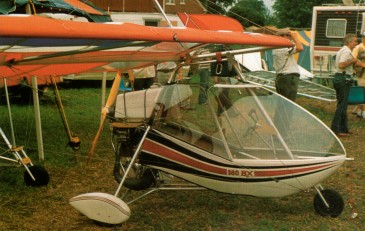
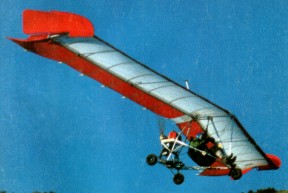
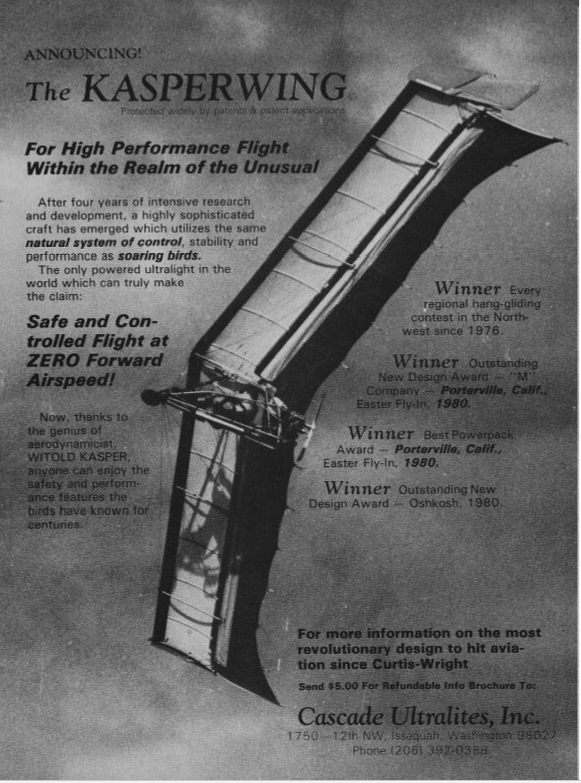
Designed by Witold Kasper and Steve Grossruck. The 180B model has a sturdier undercarriage. Control is pitch by weight shift, yaw and roll by differential wingtip rudders through control wheel. Kasper wingtips function both as ailerons and rudders to control roll and yaw through butterfly steering yoke. Rigid type undercarriage with balloon tire suspension and steerable nosewheel. Option includes shock system, bungee-operated. The 180BX is a flying wing motorglider monoplane. Control system operates independently of for¬ ward speed. Pilot module fully encloses pilot, improves handling and performance, offers year-round flying. Powered by a Zenoah G-25B with electric starter and a 2.49:1 reduction unit to 54/30 propeller, the landing gear is a rigid type, using balloon tire suspen¬sion or optional shock system. The 180C features a fully enclosed cockpit, 3 axis cxontrols with spoilers, and single-surface wing.
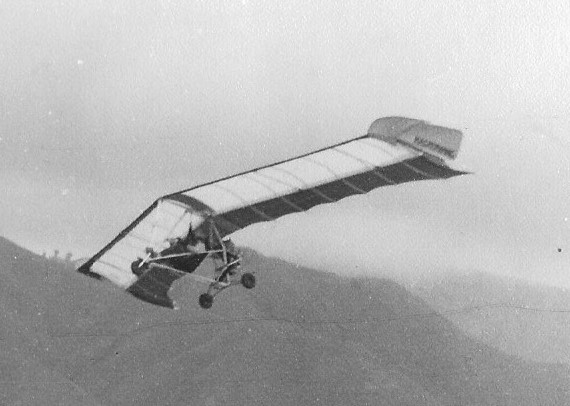
Witold Kasper never got his designs into production and it was left to someone else to harness the potential of Kasper’s “vortex lift” theory. Steve Grossruck, a US hang-glider designer, applied the Kasper wingtip controls to a Fledge hang-glider and found himself with a wing that would not stall or spin. It was also stable about all three axis at all speeds, and had a sink rate of 160 fpm with a 150 lb pilot. In keeping with the Kasper “vortex lift’ theory, the wing could be flown with hands-off stability in a vertical descent. Yaw and roll control proved to be totally independent of the craft’s forward speed.
The theory proven, it was decided to add power – initially with a 250cc Honda Odyssey of 23hp but later with a 242cc Zenoah 23hp engine. A special harness was designed to further realise the potential flight performance predicted by Kasper’s theories. The harness allowed faster weight shifting and enabled the pilot to make the precise trim changes required for vertical descents and safe landings. This ability to “mush” down or fly below the stall without spinning or dropping its nose provides an ability to “parachute” vertically at about 600-800 fpm riding on a span-wise vortex of air which shears off at the leading edge of the wing, forming a low pressure area.
In 1980 the Kasperwing was the outstanding new design at Oshkosh and hang-glider versions have consistently won contests in the Northwest American States. The Kasperwing is the only microlight that is still controllable at zero forward speed. It then flies in a so-called “mush” without risk of spinning or loss of control. The rate of descent, 900 feet per minute, is rapid, but the experienced pilot can translate to forward momentum at any time during such a descent.
Engine: 242 cc123 hp Zenoah G-25B 1-cylinder two-stroke Wing Span: 34 ft Wing Area: 180 sq. ft Length: 12 ft 8 in Cruise speed: 35 – 45 mph Stall speed: 18 – 22 mph Max. rate of climb: 550 – 650 fpm Empty weights: 150 lb Max. pilot weight: 220 lb Fuel consumption: 1 USG/hr Range: 85 miles.
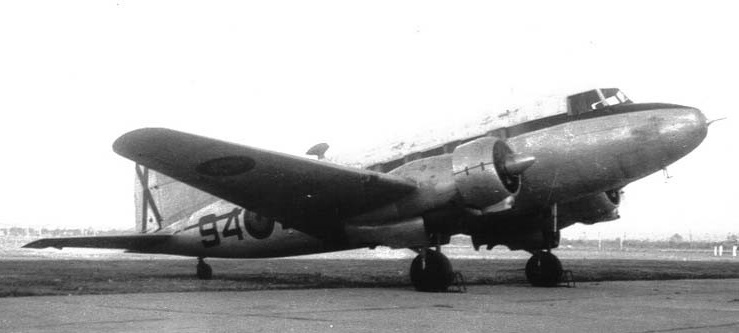
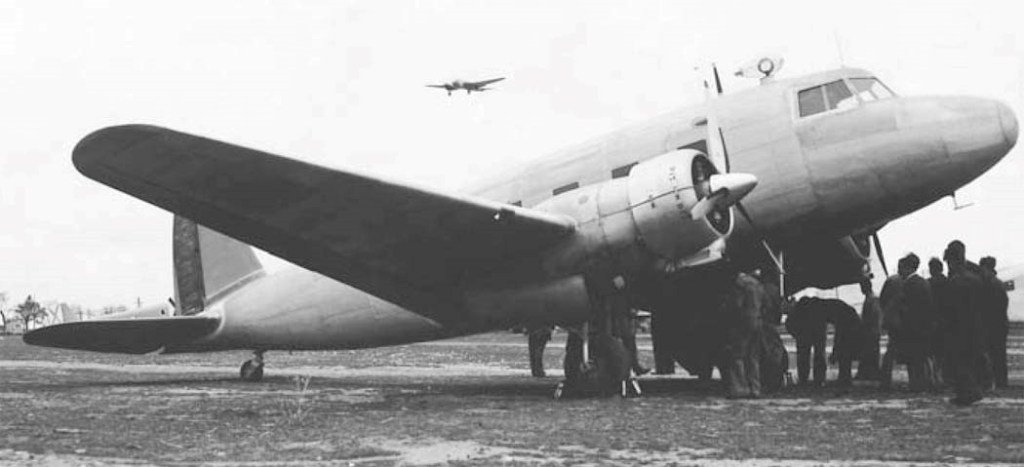
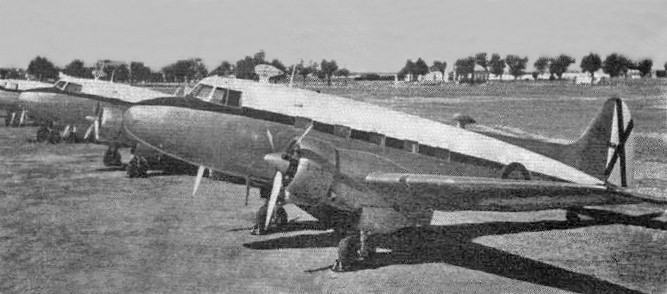
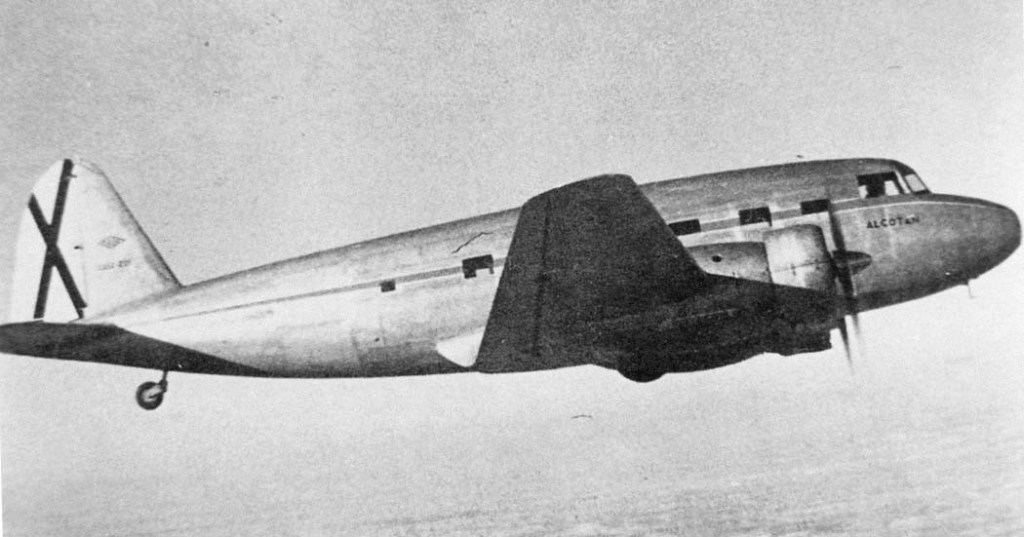
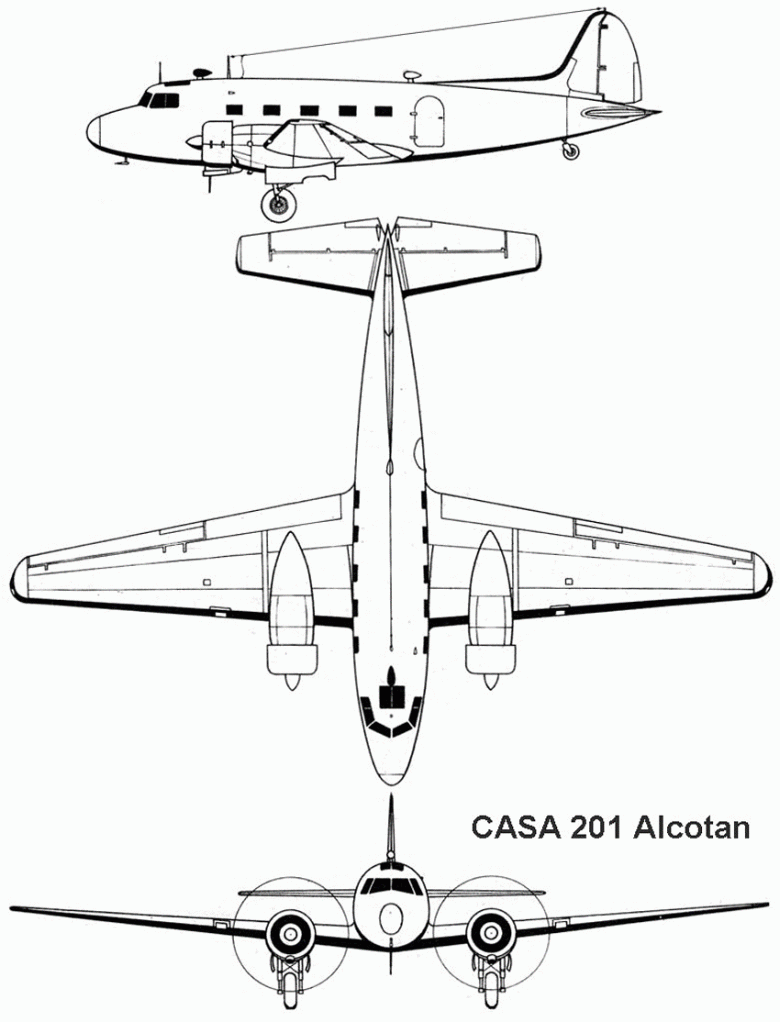
The C-201 was the result of an agreement between the Spanish government and manufacturer Construcciones Aeronáuticas SA (CASA), to develop a transport aircraft for the air force capable of carrying a payload of one tonne over a range of 1,000 km (620 mi). The design was a twin-engine low-wing cantilever monoplane of conventional configuration. The main units of the tailwheel undercarriage retracted into the engine nacelles.
Prototype C-201
Two prototypes were constructed, and the first of those first flew on 11 February 1949. An order for twelve pre-production aircraft and one hundred (100 by the Spanish Air Force as T.5) series aircraft was then placed. The pre-production machines were planned to demonstrate a range of different equipment fits for the airframe, enabling it for a variety of roles including personnel transport, training for bombing and photo-reconnaissance work, and instrument flying training. A number of engines were also to be evaluated, including the Armstrong Siddeley Cheetah that had powered the prototypes, the Pratt & Whitney R-1340, and the locally produced ENMASA Sirio.
The Alcotán project stalled, due to problems in the supply of powerplants and propellers. Spain’s domestic engine industry was not capable of producing powerplants in sufficient quantity for the project, and Spain was unable to afford to import foreign engines. The production run had been scheduled to be completed before 1955, but the shortage of engines meant that by 1956, only eleven complete aircraft had been finished and delivered to the Spanish Air Force, designated T.5. In 1962, the project was finally cancelled, without the engine problem ever having been resolved. By then, CASA had 96 complete airframes in storage awaiting powerplants. Those were scrapped, and the Spanish government compensated the manufacturer for the debacle.
Variants: C-201A – personnel transport with Armstrong Siddeley Cheetah 27 engines C-201B – personnel transport with ENMASA Sirio S.VIIIA engines C-201D – instrument flying, navigation, and radio training version with Armstrong Siddeley Cheetah 27 engines C-201E – bombing and photo-reconnaissance training version with Armstrong Siddeley Cheetah 27 engines C-201F – instrument flying, navigation, and radio training version with ENMASA Sirio S.VIIA engines C-201G – bombing and photo-reconnaissance training version with ENMASA Sirio S.VIIA engines
C-201A Powerplant: 2 × Armstrong Siddeley Cheetah XXVII, 354 kW (475 hp) each Wingspan: 18.40 m (60 ft 4 in) Wing area: 41.80 m2 (450 ft2) Length: 13.80 m (45 ft 3 in) Height: 3.85 m (12 ft 8 in) Empty weight: 3,560 kg (7,830 lb) Gross weight: 5,100 kg (11,230 lb) Maximum speed: 325 km/h (203 mph) Range: 1,000 km (620 miles) Endurance: 4 hours Service ceiling: 5,600 m (18,370 ft) Crew: Two pilots Capacity: 10 passengers
201-D Crew trainer Engines: 2 x Armstrong Siddeley Cheetah 27, 475 hp Wingspan: 60 ft 4 in Wing area: 450 sq.ft Length: 45 ft 3 in Height: 12 ft 8 in Empty weight: 7830 lb Loaded weight: 11,230 lb Max speed: 203 mph Service ceiling: 18,370 ft Range: 621 mi Endurance: 4 hr
201-E Crew trainer Engines: 2 x Armstrong Siddeley Cheetah 27, 475 hp Wingspan: 60 ft 4 in Wing area: 450 sq.ft Length: 45 ft 3 in Height: 12 ft 8 in Empty weight: 7830 lb Loaded weight: 11,230 lb Max speed: 203 mph Service ceiling: 18,370 ft Range: 621 mi Endurance: 4 hr
201-F Engines: 2 x E.N.M.A. Sirio-VII-A, 500 hp Wingspan: 60 ft 4 in Wing area: 450 sq.ft Length: 45 ft 3 in Height: 12 ft 8 in Empty weight: 7920 lb Loaded weight: 12,100 lb Max speed: 219 mph Service ceiling: 20,000 ft Range: 621 mi Endurance: 4 hr
201-G Engines: 2 x E.N.M.A. Sirio-VII-A, 500 hp Wingspan: 60 ft 4 in Wing area: 450 sq.ft Length: 45 ft 3 in Height: 12 ft 8 in Empty weight: 7920 lb Loaded weight: 12,100 lb Max speed: 219 mph Service ceiling: 20,000 ft Range: 621 mi Endurance: 4 hr
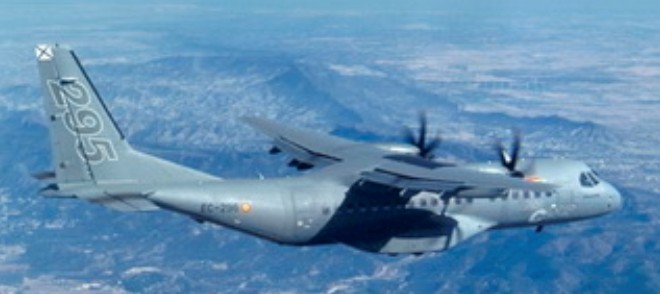
Designed with the same operating criteria as the CASA CN-135, the C-295 has high commonality. The CN-295 received FAA FAR-25 certification on 17 December 1999.
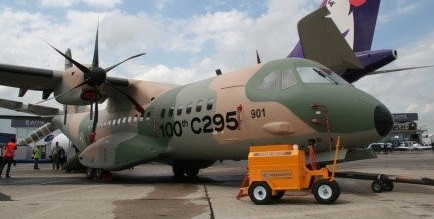
The 100th C-295, the first destined to the Royal Omani Air Force in static display, at the Paris Air Show.
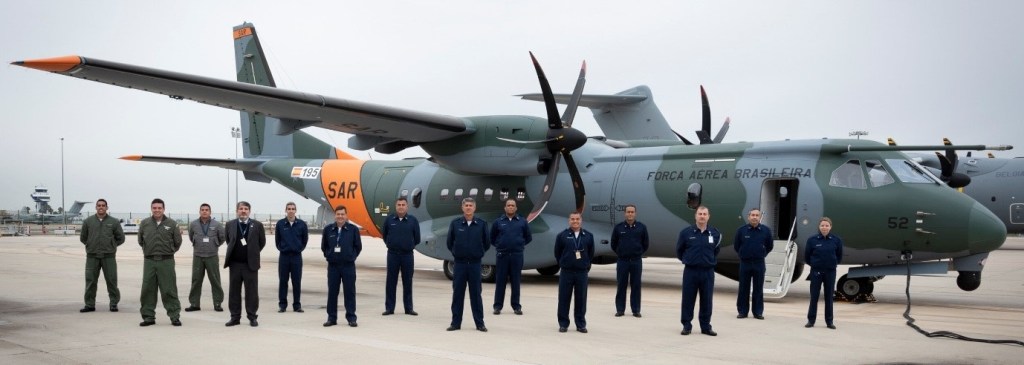
The Brazilian Air Force (FAB) received its third and final Airbus SC-105 Amazonas search and rescue (SAR) aircraft on December 9, 2020, during a handover ceremony at the company’s production facility in Seville, Spain.
Following the delivery, the aircraft – serial 6552 – departed Spain on December 11 for Campo Grande air base in Brazil’s Mato Grosso do Sul state. There it will be operated by the 2nd Squadron of the 10th Aviation Group (2°/10° GAv) ‘Pelicano (Pelican)’, alongside serials 6550 and 6551, which were delivered in August 2017 and October 2019, respectively. Locally designated the SC-105 Amazonas, this dedicated SAR platform is a variant of Airbus’ C-295MPA Persuader twin-turboprop maritime patrol aircraft.
Airbus SC-105 Amazonas 6552 in Seville, Spain, on December 9, 2020.
The first SC-105 entered service with Brazil in April 2009, when two SAR-equipped variants of the C-105 Amazonas tactical transport (based on the C-295M) operated as an interim solution for the FAB. In July 2014, Airbus announced that the South American nation had contracted it to produce and deliver three fully SAR-configured SC-105s to the air force.
The two interim examples are being reconverted into C-105 tactical transports. One has already reverted back to its original configuration and was redelivered to the FAB after SC-105, serial 6550, was handed over in 2017. The second will undergo the same process now that the third and final fully SAR-configured SC-105 has arrived in Brazil.
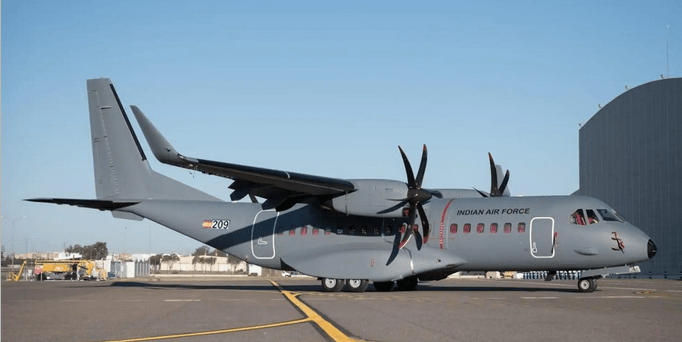
The Tata Aerospace Complex in Vododara, Gujarat, India was opened in 2024, dedicated to manufacturing C-295. Under the deal, 57 C-295 were to be supplied to the IAF, with 16 aircraft manufactured in Spain and the remaining 40 produced in India. The first Indian-assembled C-295 was expected September 2026.