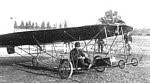
Clément-Bayard built Alberto Santos-Dumont’s Demoiselle No 19 monoplane that he had designed to compete for the Coupe d’Aviation Ernest Archdeacon prize from the Aéro-Club de France. The plane was small and stable, but they planned a production run of 100 units, built 50 and sold only 15 for 7,500 francs for each airframe. It was the world’s first series production aircraft. By 1909 it was offered with a choice of 3 engines, Clement 20 hp; Wright 4-cyl 30 hp (Clement-Bayard had the license to manufacture Wright engines); and Clement-Bayard 40 hp designed by Pierre Clerget. It achieved 120 km/h.
In March 1908 Pierre Clerget, employed by Gustave-Adolphe Clément-Bayard at the time, received an order from Ernest Archdeacon to design a monoplane. It was to be financed by Archdeacon and constructed by the firm of Clément-Bayard.
Alternately known as monoplan C.A.M. (Clerget-Archdeacon-Marquézy), on November 4, 1909, during a trial of the C.A.M. monoplane, fitted with a Clerget motor of 50 hp, the pilot, René Marquézy, after a quick start, suddenly rose to a height of 15 meters whereupon Marquézy cut the ignition and the aircraft returned to earth abruptly, breaking the propeller and distorting the wheels.
René Marquézy, oft mentioned as being a lighter-than-air aeronaut, later acquired a Brevet of the Aeroclub de France (#238) on October 4, 1910.
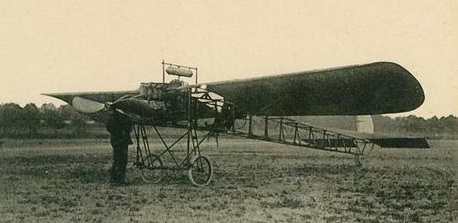
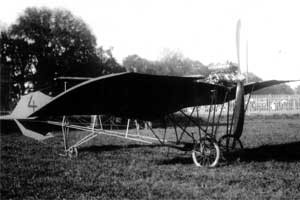
A shoulder-wing monoplane with a deep, triangular, REP-inspired fuselage, powered by a 70 hp Gnôme. It was displayed at the 1912 Paris Aero Salon and several examples with slight variations were built.
Gnome-engined Clement-Bayard two-seat monoplane set world distance record of 255 miles (410 km) February 1913.
Single-seat light aircraft with twin booms and pusher propeller, designed and built by Laister Sailplanes and first flown 1983.
The CL-1 was powered with a 38 hp Kawasaki engine and had a power off glide ratio of 18-1.
The Zipper was first registered in 1983 as N3999C Serial Number X1.
I worked in building this aircraft with Jack Laister for Bill Cleary. Jack was the Engineer and I was the A&P. I’m trying to locate where this aircraft is. Both Jack and Bill have passed on now. Timothy Blackmon
John Thorp retired in 1985 and took the T-18 plans off the market. Lu Sunderland, having worked with John on a wider fuselage and folding wing option for the T-18, did a complete rework of the drawings and produced plans for the S-18. The S-18 is then a redesign of the Thorp T-18. The fuselage body is 2″ wider and 5″ longer than the standard T-18. Also it has a newer NASA computer designed Wing Airfoil, which is stated to lower the stall speed by 6-8 knots. This airfoil also allows a more gentle stall with adequate warning. The top and cruise speeds remain the same. An S-18 with an 160hp Lycoming IO-320 and Hartzel Constant Speed propeller will cruise around 180 mph at 8500 ft (MSL) on less than 7 GPH (gallons per hour of fuel). The S-18, like the T-18 is an all metal 2 place side-by-side high performance aircraft. Control response is exceptional and control forces are well harmonized. The S-18 is a very capable cross-country airplane. It will carry 2 people and 80 lbs. of baggage. Powerplants range from Lycoming O-235 (115hp) to IO-360 (180). Parts can be provided with matched holes so that parts fit together saving a lot of time in construction. Also parts are scribed to outer mold-lines or trim lines. No jigs are required. The airplane is built using 1/8″ solid aluminum rivets, but can be built using 1/8″ stainless steel pop rivets (but not recommended). The S-18 has a folding wing designed by Lu Sunderland which can be swung around parallel to the fuselage making the airplane less than 8 feet wide. So that it can be trailered home or stored in small spaces. Test Flights were completed on the S-18T Tri-Gear in May of 2003.
The S-18 was available in kit form from Classic Sport Aircraft. Pieces and parts for both the T-18 and the S-18 are available here also.
S-18T Engine: Lycoming O-360 Propeller: constant speed Wingspan 20′ 10″ Length 18′ 6″ Wing area: 86 sq.ft Gross Weight 1600 lbs. Empty Weight 1000 lbs. Useful Load 600 lbs. Fuel – Standard Tank 29 gallons Fuel – Wing Tank 24 gallons Rate of Climb 1500 fpm Luggage Capacity 80 lbs. Range (standard) 540 SM Range (with optional wing tanks) 900 SM Cruise – 75% power 180 mph Top Speed 200 mph Stall: 63 mph Cockpit width; 40 in Seating 2 side by side Engine options: Lycoming 290, 320, or 360
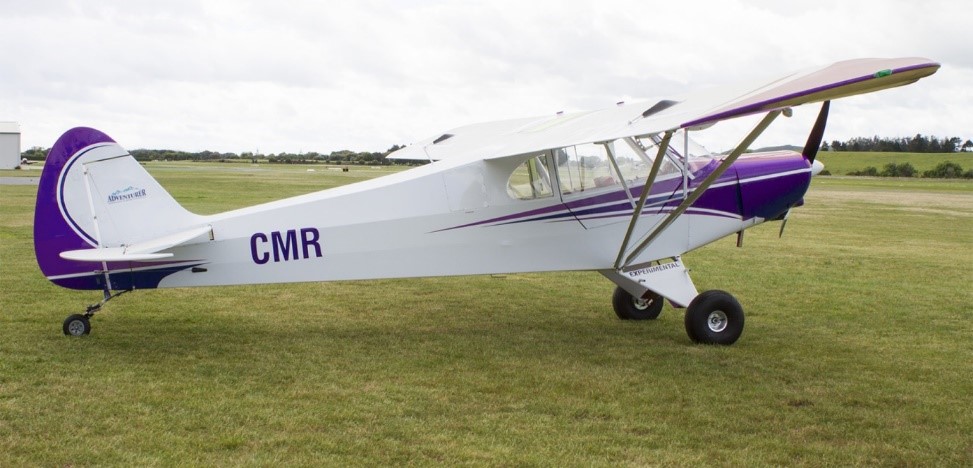
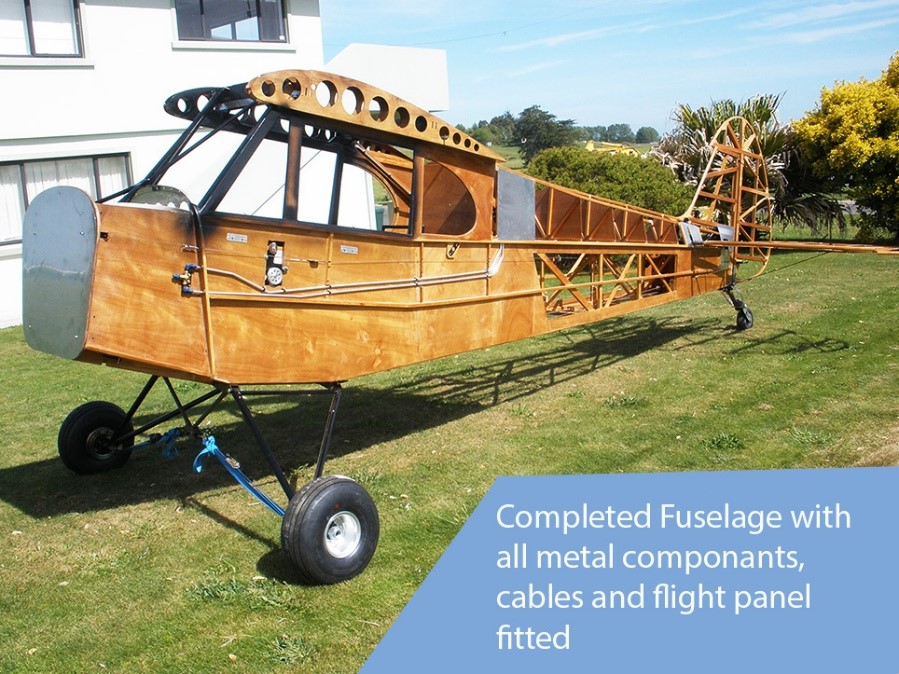
The CA18-1320 is the lightest weight version. It is designed for New Zealand’s CAA Class Two Microlight category with a maximum all up weight of 600Kgs.
The basic aircraft does not come equipped with flaps or large grass all terrain tyres to keep weight to a minimum. Fuel is limited in each wing tank to 35 litres.
For this model you can choose between a full size J3 or PA18 Cub. The added bonus is that solo flight is from the front seat.
The CA18-1530 model is based on the 100hp Cub. With its 1530 MAUW capacity this model is suited for engines up to 120hp. To accommodate the increased weight capacity from the CA18-1320 model, it has increased size of the timber framework within the fuselage. The wings are the same, however the wing lift struts are larger and 50 litre fuel tanks are fitted.
Extra options available for the CA18-1530 model include:
Flaps
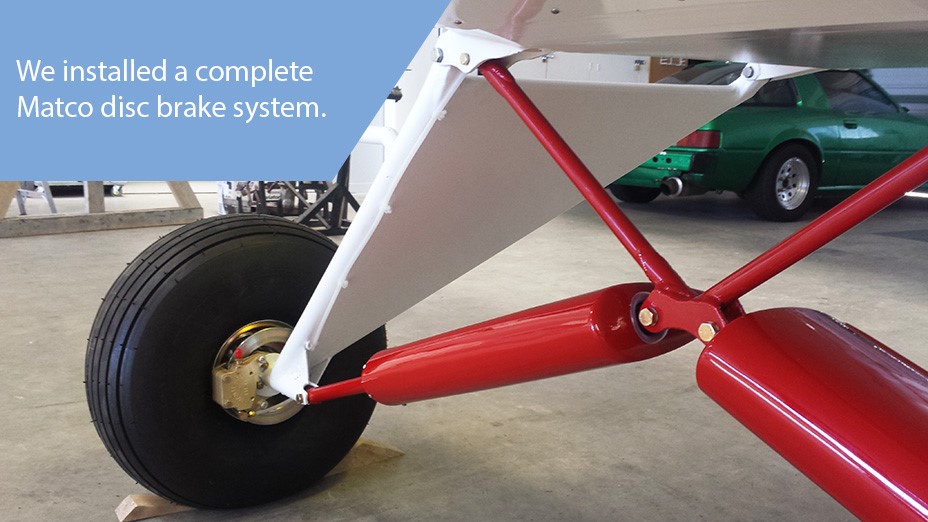
Larger main landing gear tries & rim kits for disc brake mounts
Large tail wheel assembly
Navagation and runway lighting kit
The CA18-1920 model is based on a 180hp retro fitted PA18 Super Cub. The CA18-1920 has a maximum all up weight of 1920lbs. To accommodate the increased load capacity, the timber framework within the fuselage along with the wing spar caps have been increased in size.
This model is an ideal platform to fit a STOL kit for those shorter and rougher landing areas.
CADL was to be offering STOL components for this model by the end of 2016, the components were to include:
Fibre glass hoerner style wing tips
Carbon fibre leading edge coverings (to replace the plywood)
CA18-1320 Engine: Continental 0-200 / Rotax 912, 100 hp Wing span: 10.668 m / 35.0 ft Wing Area: 15.80 sq/m / 178.5 ft MAUW: 1320 lbs Fuel Capacity: 2 x 35 lt Total useable fuel: 68 lt Fuel type: 100 LL Avgas/ MOGAS Main Landing Gear Tires: 6.00 x 4 Tail Wheel: 2.50 x 4 Axles & Bearings: 1 – ¼ inch Brakes: Matco MLG Wing Loading: 43.92 kgs/m / 8.5 lbs/ft Wheel Base: 5.059 m / 16 ft Wheel Track: 1.879 m / 74 in Main Wheels: 21×8.00×6, 18 psi Tail Wheel: 2.80×4, 20 psi Elevator Maximum up Deflection: 25⁰ Elevator Maximum Down Deflection: 15⁰ Elevator Trim Maximum up Deflection: 3⁰ Elevator Maximum Down Deflection: 4⁰ Rudder Defection Left & Right: 25⁰ Tail wheel defection before unlocks to 360deg: 22⁰ Aileron deflection: Up 18deg, Down 18deg Maximum G: +4, -0 Service Ceiling: 13,500ft Manoeuvring Speed: 85 mph Maximum Cruise: 100 mph Never Exceed (Vne): 120 mph Rate of Climb: 524 fpm at 71 mph Best Angle of Climb: 64 mph Best Rate of Climb (Ratio): 1 to 9.4 Stall Speed: 38 mph
CA18-1530 Engine: Continental O-200, 100 hp Prop: Omega 71 x 41 Wing span: 10.668 m / 35.0 ft Wing Area: 15.80 sq/m / 178.5 ft MTOW: 1530 lb Wing Loading: 43.92 kgs/m / 8.5 lbs/ft Fuel Capacity: 2 x 50 lt Total useable fuel: 98 lt Fuel: 100 LL Avgas Main Landing Gear Tires: 21/8.00 x 4 Tail Wheel: 2.80 x 4 Axles & Bearings: 1 – ¼ inch Brakes: Matco MLG Wheel Base: 5.059 m / 16 ft Wheel Track: 1.879 m / 74 in Main Wheels: 21×8.00×6 18 psi Tail Wheel: 2.80×4, 20 psi Elevator Deflection: +25⁰ / -15⁰ Elevator Trim Deflection: +3⁰ / -4⁰ Rudder Defection Left & Right: 25⁰ Tail wheel defection before unlocks to 360deg: 22⁰ Aileron deflection: Up 18deg / Down 18deg Maximum Flap Speed (Vfe): 85 Mph Flap deflection: 15deg / 25deg / 40deg TO to 50ft: 332-372m Landing dist from 50ft: 104-106m ROC: 505-644 fpm at 71 mph Stall Speed Angle of Bank 0⁰: 42 mph Stall Speed Angle of Bank 10⁰: 44 mph Stall Speed Angle of Bank 20⁰: 45 mph Stall Speed Angle of Bank 30⁰: 47 mph Stall Speed Angle of Bank 40⁰: 50 mph Stall Speed Angle of Bank 60⁰: 55 mph Stall Speed Angle of Bank 90⁰: 62 mph Manoeuvring (Va): 90 mph Max cruise: 110 mph Never exceed: 138 mph Flight Load: +4.4 / -0 Max Endurance: 5 hr Service Ceiling: 13,500 ft Manoeuvring Speed: 90 Mph Max Cruise: 110 Mph Never Exceed (Vne): 138 Mph MAUW: 1530 lb Best Rate of Climb: 624 fpm at 71 Mph Best Angle of Climb: 64 Mph Rate of Climb Ratio: 1 to 9.4 Stall Speed: 39 Mph
CA18-1920 Engine: Lycoming O-320 / 360, 160 / 180 hp Wing span: 10.668 m / 35.0 ft Wing Area: 15.80 sq/m / 178.5 ft Fuel Capacity: 2 x 50 lt Total useable fuel: 98 lt Fuel: 100 LL Avgas Main Landing Gear Tires: 21/8.00 x 4 Tail Wheel: 2.80 x 4 Axles & Bearings: 1 – ¼ inch Brakes: Matco MLG Wheel Base: 5.059 m / 16 ft Wheel Track: 1.879 m / 74 in Main Wheels: 21×8.00×6 18 psi Tail Wheel: 2.80×4, 20 psi Wing Loading: 43.92 kgs/m / 8.5 lbs/ft Wheel Base: 5.059 m / 16 ft Wheel Track: 1.879 m / 74 in Main Wheels: 21×8.00×6 18 psi Tail Wheel: 2.80×4, 20 psi Elevator Deflection: +25⁰ / -15⁰ Elevator Trim Deflection: +3⁰ / -4⁰ Rudder Defection Left & Right: 25⁰ Tail wheel defection before unlocks to 360deg: 22⁰ Aileron deflection: Up 18deg / Down 18deg Maximum Flap Speed (Vfe): 85 Mph Flap deflection: 15deg / 25deg / 40deg Flight Load: +4.4 / -0 Service Ceiling: 13,500 ft Manoeuvring Speed: 94 Mph Max cruise: 110 mph Never exceed: 138 mph MAUW: 1920 lb ROC: 980 fpm at 71 mph Best Angle of Climb: 64 Mph Rate of Climb Ratio: 1 to 9.4 Stall Speed: 42 Mph
Invented by William R Clark, a mechanic from Spokane, Washington. It measured 52 ft x 63 ft and had a wing area of 2000 square feet. The monster flying machine was first revealed to the press in April 1910. The Western Motor Plane Company had been formed to help develop the flying machine, but by January 1911, it was being sued by unpaid creditors.
James W. Clark of Bridgewater, Pennsylvania, supposedly tested this machine between 1900 and 1910. It failed to fly, was wrecked, then rebuilt and fitted with its present engine – a 5 hp 2-cylinder Waterman – in 1907.
Currently residing at the Owls Head Transportation Museum in Maine, possibly the oldest full-sized internal combustion engine powered flying machine anywhere in the world.
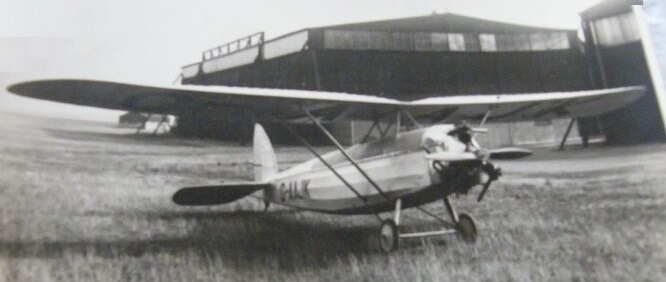
The Clarke Cheetah was a single seat biplane designed in 1929 by J.Clarke with diagonal interplane struts. Powered by a Blackburn engine, it used the lower wings of the Halton Mayfly G-EBOO.
First flown at Brough in 1929 as G-AAJK cn.1.
It was converted in 1930 to a parasol monoplane configuration by A.C.Thomas and partners.
It was broken up in 1937 and donated its wing to the Martin Monoplane G-AEYY.
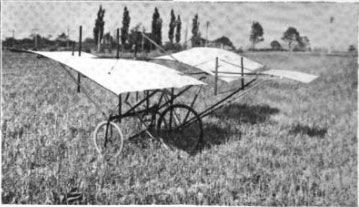
The Clark & Fitzwilliams Cycloplane of 1910 was built in Buffalo, New York, USA. The pedal-powered Cycloplane (sometimes Cycleplane) was 16 feet long spanning 15 feet, weighing about 55 pounds; with approximately 100 square feet of wing surface. Warping wings, front elevator and rear plane with rudder, were all controlled by levers on the frame. It is claimed that flights of 100 feet with a 119 pound pilot were made.