Less than six feet high and only 18 feet long, the Serra S-1 was built by Hugh Crawford and Roger Keeney. The pusher made itd initial trial flights at Los Angeles in 1954. With a wingspan of 20 feet, the 85 hp Continental gave an estimated top speed of 200 mph and cruise of 165 mph.
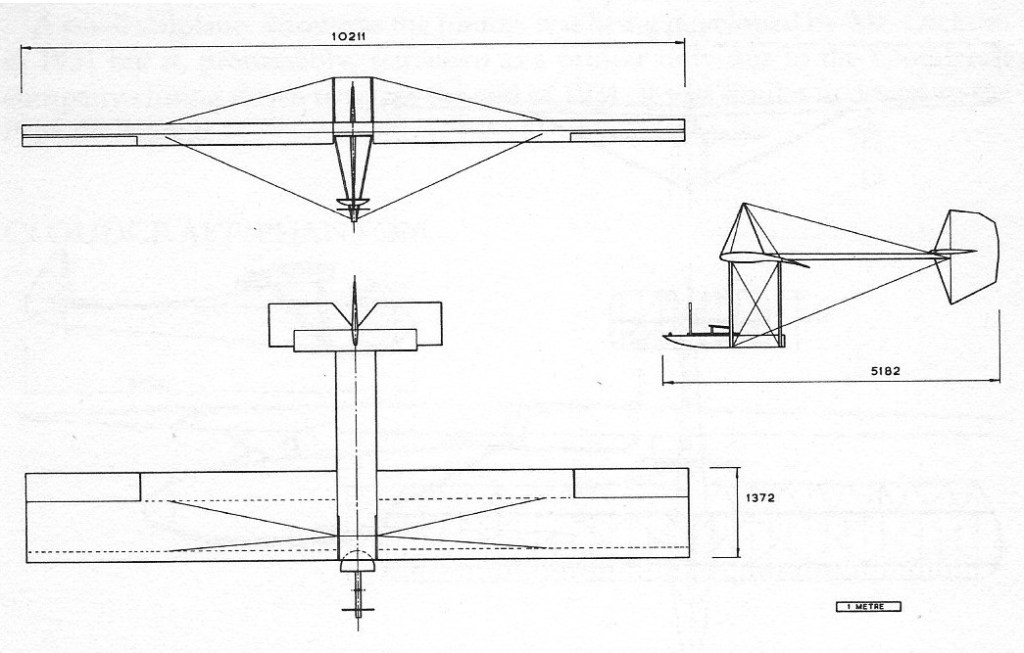
A single-seat primary glider designed and built by Cramlington Aircraft Ltd, Northumberland. Conventional wooden construction, it featured easy dismantlement. The fuselage consisted of a rigid boom to tail-unit. Originally designed with a wing chord of 5 ft, this was reduced to 4 ft 6 in as a cost reduction.
The undercarriage was a main skid only. The wing was wire braced with no flaps or airbrakes.
The price in 1930 was £55.
Specifications published in a 1930 ‘Sailplane and Glider’ gave a wingspan of 10.21 m / 33 ft 6 in, and length of 5.18 m / 17 ft 0 in.
Later specifications given were; Wingspan: 10.41 m / 34 ft 2 in Length: 5.58 m / 18 ft 3.5 in Wing area: 14.21 sq.m / 153 sq.ft Aspect ratio: 7.6 Empty weight: 63.5 kg / 140 lb Seats: 1
The Cranfield Institute of Technology had a design study for a competition class aerobatic aircraft to represent Britain in the World Aerobatics Contests.
A company, Air Invert, was set up between the Institute and Alan Curtiss to produce the aircraft. The prototype was allocated registration G-BCIT, c/n 001.
Single seat single engined mid wing mono¬plane with conventional three axis control. Wing shape; tapering chord; no tail, canard wing. Pitch control by fully flying canard; yaw control by tip rudders on canard; roll control by half span ailerons. Cantilever wing; wing profile; double surface. Aluminium fuselage. Engine mounted at wing height driving pusher propeller. The Cozza/Scholl Scorpion was only an experimental machine in 1982. Chicago based designers Craig Cozza and Mark Scholl wanted to create an ultralight with good soaring ability and which would operate safely in temperatures low enough to weaken composites. So the Scorpion uses an all aluminium construction, with Dacron wing covering. Pitch control is by fully flying canard and yaw control by tip rudders mounted on the ends of the canard. Half span ailerons look after roll control. Particularly novel is the wing construction which allows the pilot to rig the aircraft with 40.0 ft (12.19 m) wings for soaring, or to halve the span by removing a 10.0 ft (3.05 m) panel from outboard end of each wing, in which form the Scorpion will have a more ultralight-like feel. For ease of construction, the fuselage is triangular in cross section, allowing flap panels to be used. The low drag shape has allowed the designers to use a small engine, and they have chosen the single cylinder Cuyuna 215R of 20 hp for the prototype.
Engine: Cuyuna 215R, 20 hp. Wing span 20.0 or 40. ft (6.10 or 12.19m). Empty weight 235 lb, 107 kg. Max cruising speed 60mph, 97kph.
Cozy is designer Nat Puffer’s side-by-side version of Burt Rutan’s Long¬EZ. It has a larger instrument panel, full dual controls, a large baggage compartment and the same efficiency, speed and range as Long-EZ, allowing passenger to assist with piloting/navigating, and makes long trips more pleasant and less fatiguing, as well as adding a margin of safety in bad-weather flying. The Cozy MK IV is a high-performance, four-seat canard aircraft which is comfortable, efficient, and economical to build. It has a range of about 1,000 miles and a top speed of 200 mph. When constructed according to plans and operated within the approval C.G. range, the canard configuration makes it highly resistant to stalls or loss of position control. The MK IV features full dual control and two-axis trim. The composite construction is very strong, resistant to corrosion and fatigue. The MKIV features the same moldless construction as the Cozy. It used the same basic materials of foam, glass, cloth, and epoxy.
AeroCad Inc also licence manufacture a development of the Cozy as the AeroCanard. Aircraft Spruce & Specialty Co. has acquired all existing inventory, tooling, and drawings for the prefabricated metal parts used in construction of the popular Cozy III and Cozy Mark IV aircraft as of January 1, 2004. Ken Brock Manufacturing Co. of Stanton, CA produced the metal parts for the construction of the Cozy and Long-EZ aircraft since the mid-1970’s until ceasing business operations on December 31, 2005. As the owner of the design rights for the Cozy Mark IV and the source for plans and kits, Aircraft Spruce continues to sell Brock’s parts. There was no remaining inventory of some of the parts, but there are new alternate sources on most of them. These designs are protected with U.S. copyrights, and Aircraft Spruce has licensed no one else to copy all or any part of these designs to sell, loan, or give to others.
Greg Richter converted his Cozy III from a Mazda RX7 motor car engine to General Electric T58 turbine jet engine power. The transformation was performed by Valerie Harris and Robert with EZJET at Covington, Tennessee, in 1991.
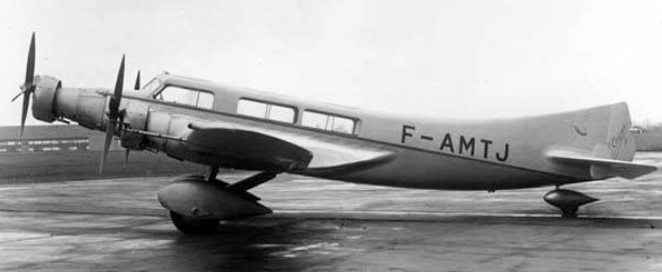
The latest development in the series was the Couzinet 103 with three 135 hp (101 kW) Salmson 9Adr radial engines which could carry two crew (or one pilot and passenger) and four passengers in a separate cabin.
Up until 1937, the year when his last prototype the Air Couzinet 101 flew, René Couzinet very seldom deviated from his original concepts, those on which his reputation was built, and which were adopted by other manufacturers such as Germany’s Claude Dornier.
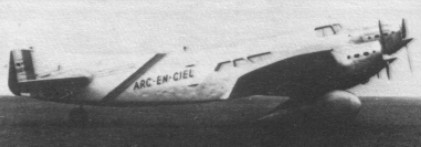
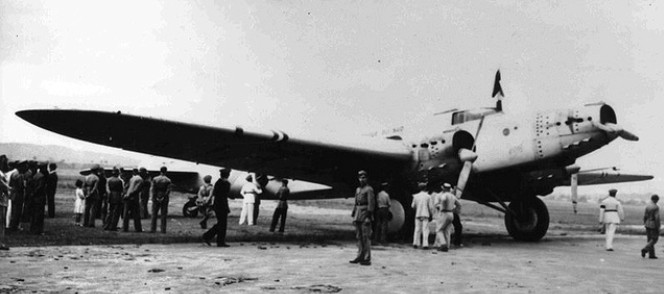
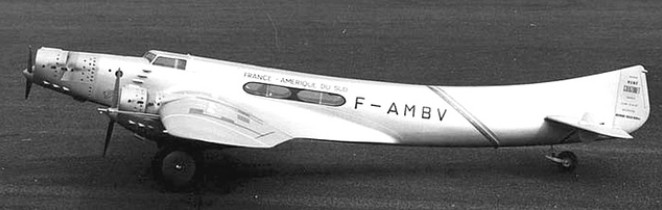
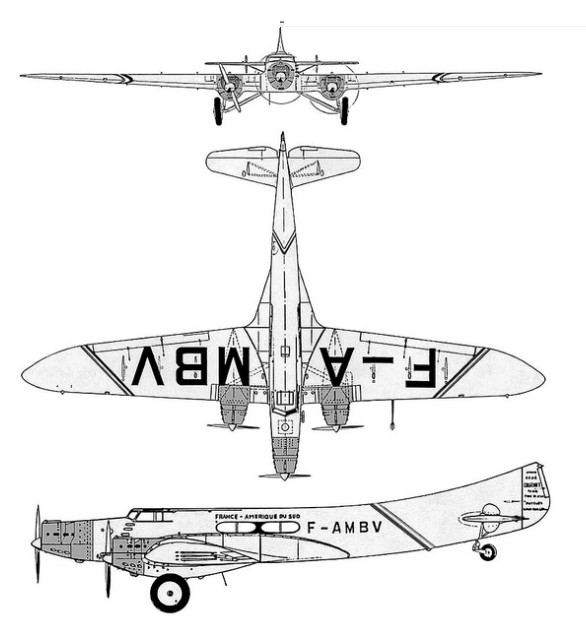
Developed from the Couzinet 30, the Couzinet 70 was also called Arc-en-Ciel and intended for Aeropostale’s transatlantic mail service to South America. The number 3 model designated the Couzinet 70 by the company was completed at the beginning of 1932.
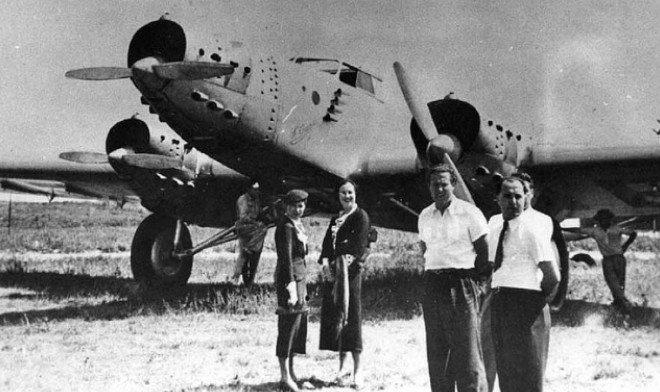
First flown on 11 February 1932, the aircraft was a low-wing monoplane with a fixed tailwheel landing gear. The aircraft was powered by three Hispano-Suiza 12Nb inline piston engines. The two wing mounted engines could be accessed in flight through tunnels in the wing.
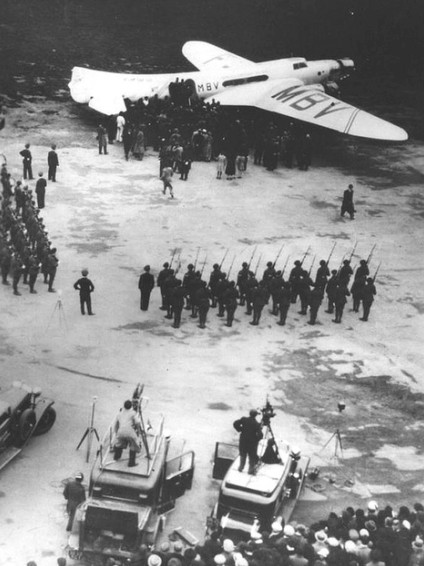
Jean Mermoz the famed French pilot would fly it to Buenos Aires a year later with its inventor at his side. Upon their return in France, they would be welcomed and greeted as heroes. At the age of 29, René Couzinet was at the apogee of his glory.
Number 3 model / Couzinet 70
After route-proving flight from Paris to Argentina by Jean Mermoz in January 1933 it was extensively modified as Couzinet 71 and entered regular service in May 1934.
C.70
Sold to Air France before being retired in 1937, the Couzinet 70 became model 71 after miscellaneous modifications, and it is the best known of all the airplanes built by Couzinet.