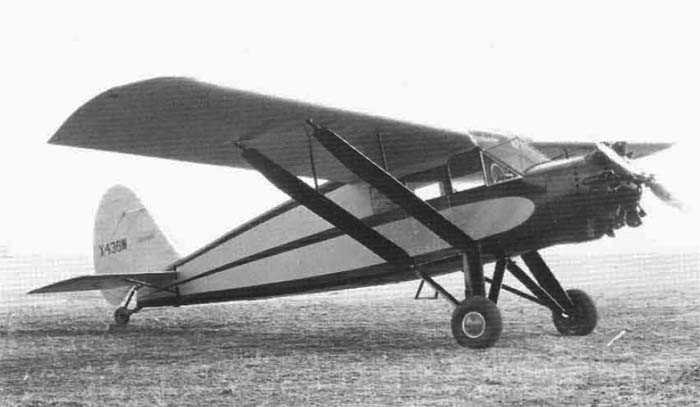
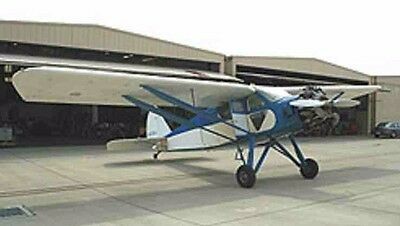
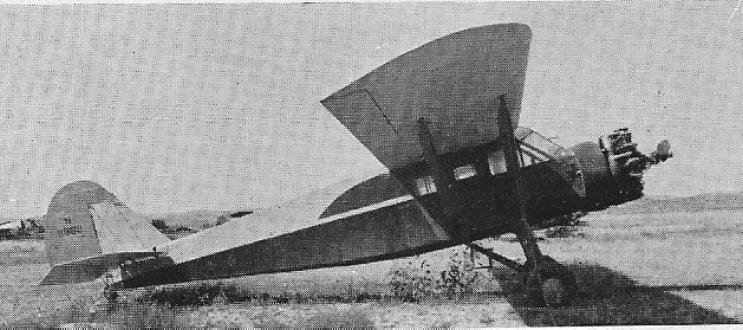
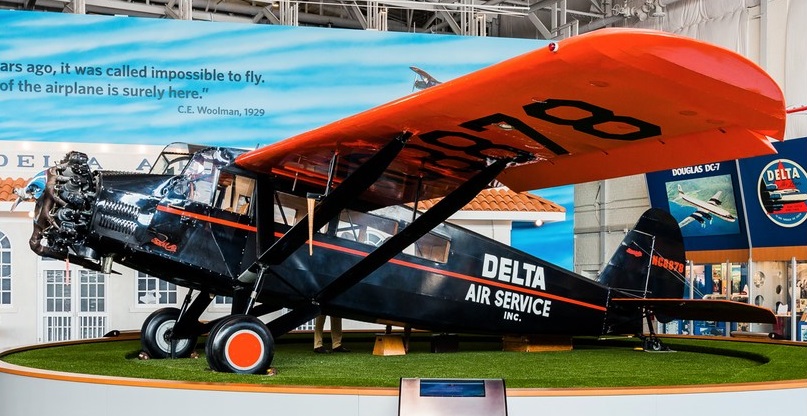
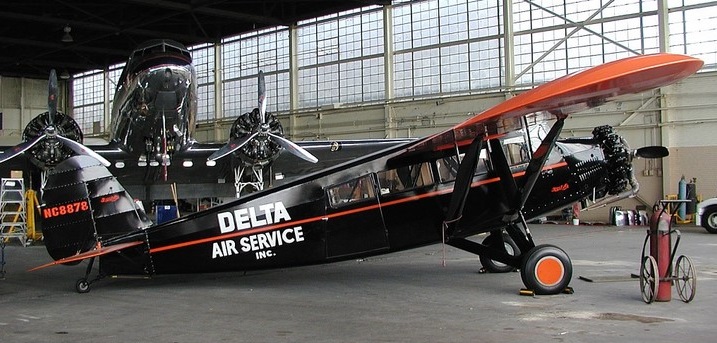
The Curtiss-Wright CW-15 Sedan was a four-seat utility aircraft produced in small numbers in the United States in the early 1930s. It was a braced high-wing monoplane with conventional tailwheel landing gear with a fully enclosed cabin, superficially resembling the Travel Air 10. At the time of the CW-15’s design, Travel Air had recently been acquired by Curtiss-Wright.
CW-15N
Designed by Walter Burnham, the CW-15 Sedan first flew in 1931 and 15 were built.
The -15 Sedan was initially produced with the 180 hp Curtiss Challenger and 210 hp Kinner C-5 engines, but the remaining examples were powered by 300 hp Wright Whirlwind (Sedan 15-D) and 245 hp Jacobs (Sedan 15-N).
CW-15C Engine: Curtiss R-600 Challenger, 185 hp (138 kW) Propeller: 2-bladed fixed-pitch metal Wingspan: 46 ft 5 in (14.15 m) Wing area: 240 sq ft (22 m2) Airfoil: Göttingen 593 Length: 30 ft 5 in (9.27 m) Height: 8 ft 10 in (2.69 m) Empty weight: 2,083 lb (945 kg) Gross weight: 3,281 lb (1,488 kg) Maximum speed: 115 mph (185 km/h; 100 kn) Cruise speed: 97 mph (156 km/h; 84 kn) Range: 525 mi (456 nmi; 845 km) Service ceiling: 12,000 ft (3,700 m) Rate of climb: 600 ft/min (3.0 m/s) Crew: 1 Capacity: 3 pax nine built
Sedan 15-D Engine: 300 hp Wright Whirlwind Wing span: 43 ft 5 in Wing area: 215.06 sq.ft Length: 30 ft 5 in Height: 9 ft 7 in Empty weight: 2121 lb Loaded weight: 3319 lb Max speed: 135 mph ROV: 750 fpm Service ceiling: 14,000 ft Range: 500 mi Three built
Passenger Aircraft, USA, 1927 Delta conducted their first passenger flight with a Curtiss-Wright 6 B Sedan on June 17, 1929 from Dallas to Jackson with stops at Shreveport and Monroe.
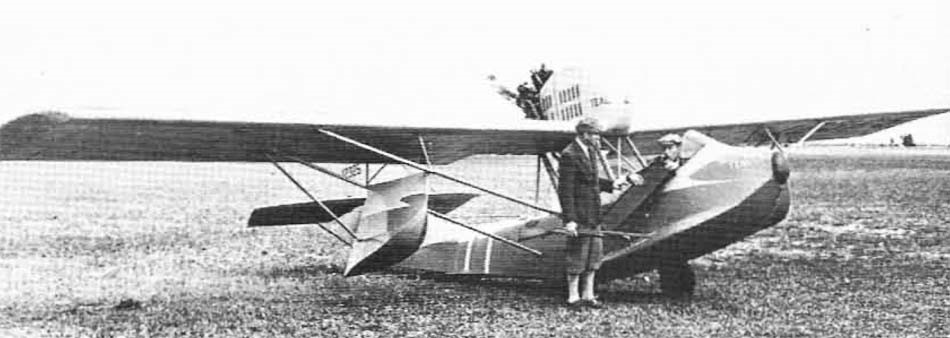
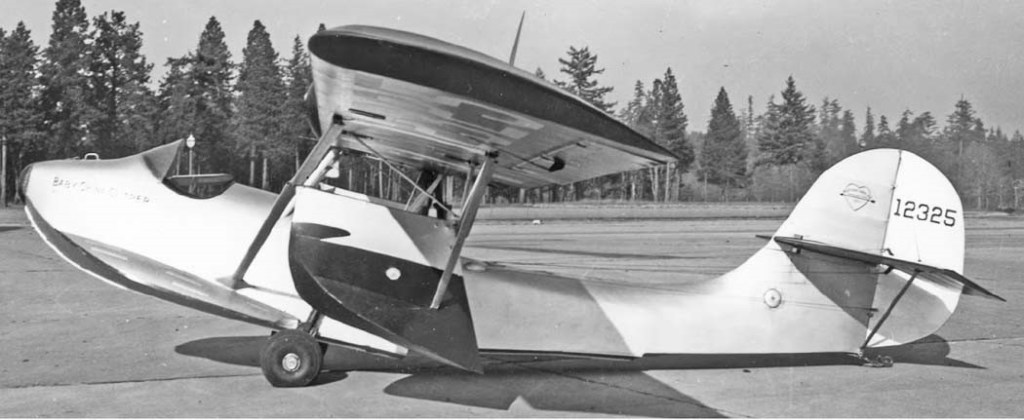
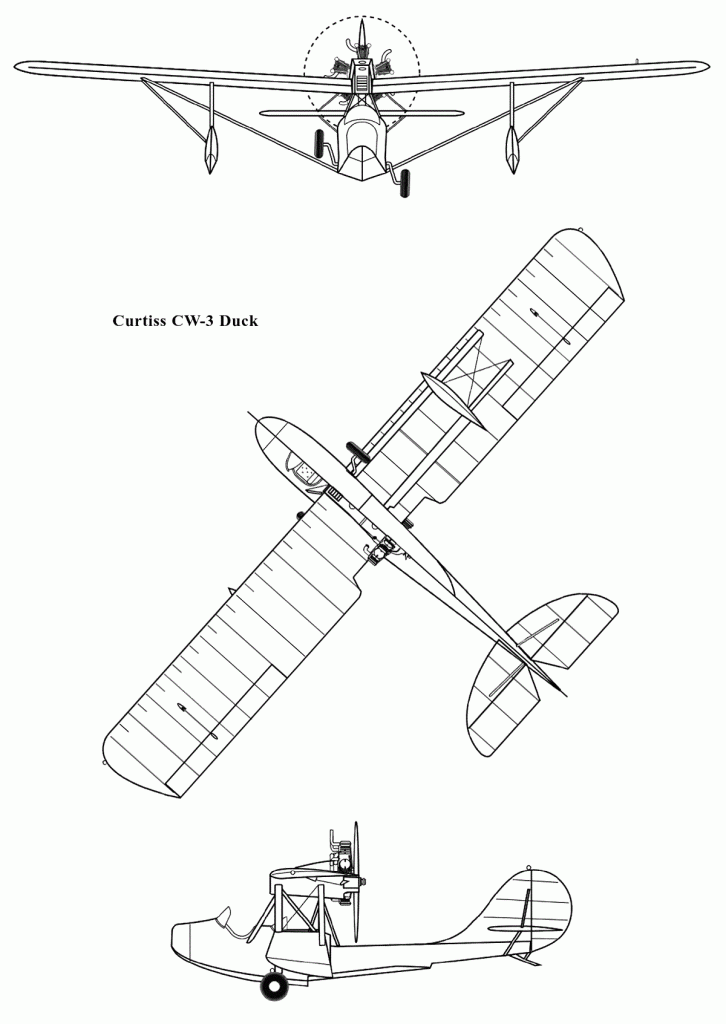
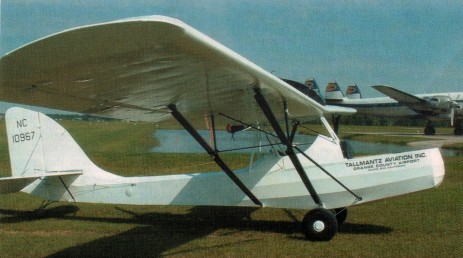
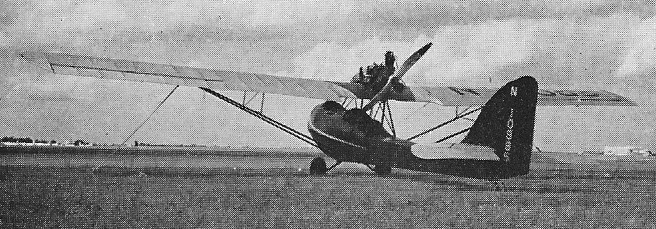
The Curtiss-Wright CW-3 Duckling (sometimes called the Teal) was an American two-seat amphibian flying-boat developed by Curtiss-Wright as a modification of the CW-1 Junior. The new aircraft was distinguished by a double cabin, where the pilot and passenger sat side by side, and the new fuselage. The fuselage had a plywood V-shaped underside added and the addition of strut-mounted pontoons. The engine was mounted above the wing driving a pusher propeller. The wing and engine installation remained unchanged, although floats were added under the wing for stability on the water surface.
First flying in 1931 only three aircraft were built, all powered by different engines, but the power was the same – 90 hp (67 kW).
The first prototype was equipped with a Velie M-5 radial engine, the second CW-3L for $1,250 with a Lambert engine, the third CW-3W with a Warner Scarab engine.
CW-3L
The release of CW-3 ended there, since the financial crisis began in the USA and there were no amphibious customers.
CW-3L Engine: Lambert, 90 hp MTOW: 544 kg Wingspan: 12.04 m Length: 6.48 m Wing area: 16.38 sq.m Maximum speed: 129 km / h Cruising speed: 105 km / h Crew: 2
CL-3W Engine: 1 × Warner Scarab, 90 hp (67 kW) Wingspan: 39 ft 6 in (12.04 m) Length: 21 ft 3 in (6.48 m) Crew: two
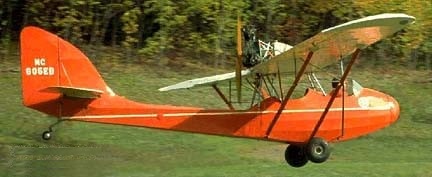
The Curtiss-Wright CW-1 Junior of 1931 (ATC 397) was designed by Karl White (modified from the CR-1 Skeeter). Selling for $1,490-1,595, 270 were built.
Curtiss-Wright CW-1 NC805EB
Engine options were numerous — even four tiny model-aircraft motors were used at the 1938 Nationals to demonstrate its modest power demands in order to fly, which it did, piloted by Dick Granere). Many were later converted to Continental A-40 to -65 power.
The CW-1A Junior of 1933 (ATC 2-442) was a single CW-1, NC11851, as a test bed for a 35hp Augustine B4-40 engine.
Two CW-1S Junior were built in 1936 (ATC 2-525) as CW-1 with 40hp Salmson AD-9 engines.
CW-1 Engine: 45hp Szekely SR-3 pusher Wingspan: 39’6″ Length: 21’3″ Height: 7 ft 4 in Wing area: 176 sq.ft Empty weight: 570 lb Loaded weight: 975 lb Useful load: 420 lb Max speed: 80 mph Cruise speed: 70 mph Stall: 32 mph ROC: 600 fpm Service ceiling: 12,000 ft Range: 200 mi Seats: 2
The Curtiss-Wright CR-2 Coupe side-by-side cockpit with unfaired landing gear, strut-braced wing monoplane began as a Curtiss-Robertson project. Two were built in 1930, N627V and N637V, the design later evolved into the CW-19L.
Designed by Karl White and Walter Beech, the CR-1 Skeeter, open cockpit, monoplane parasol wing design is thought to be from the Snyder Buzzard Light Plane, the rights to which were purchased in July 1930 by Curtiss, although White later claimed to have actually begun a similar preliminary design long before that while working with Beech at Travel Air Co.
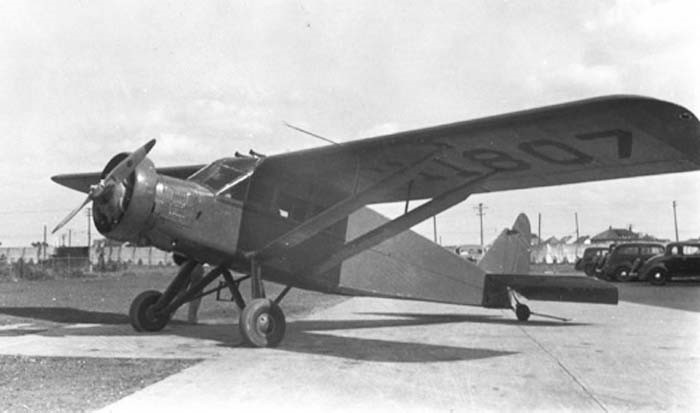
First flown on 5 October 1930 piloted by Lloyd Child, only one was built, N607V, considered the prototype for the 1931 CW-1 series.
Built to order for Raymond V. Morriss, a Curtiss employee, the single-seat model M made its first flight in January 1914. The Tadpole was the world’s first monoplane flying boat.
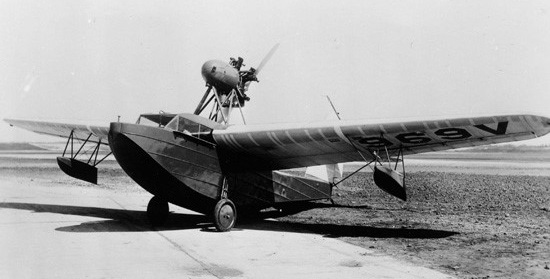
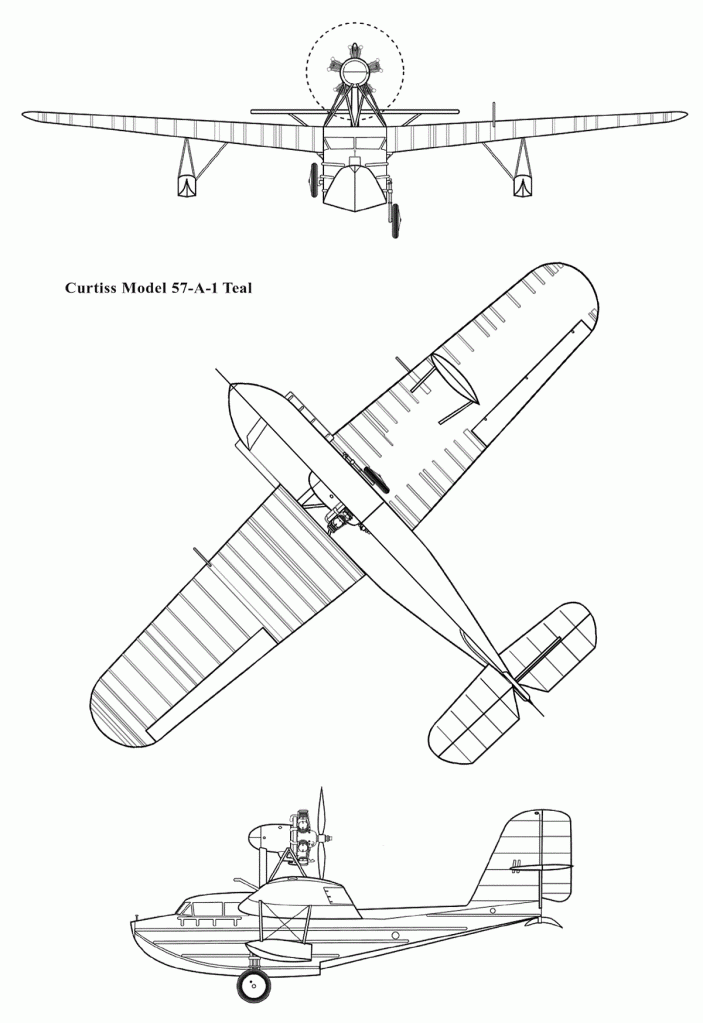
In the late 20s, the Curtiss Airplane and Motor Company developed a Model 57 Teal multi-purpose flying boat. The first A-1 version was completed in 1929.
It was a three-seater with the pusher engine pod-mounted above the wing centre section, equipped with a Wright J-6-5 Whirlwind engine with a power of 165 hp (123 kW).
In 1930, the boat passed flight tests and received a registration N969V. In the same year, the construction of a four-seater B-1 version with a Wright J-6-7 engine with a capacity of 225 hp (168 kW) was started.
Orders for A-1 did not arrive, and then the financial crisis broke out in the USA, as a result of which the company had to stop working on several projects, one of which was Teal. The four-seater B-1 was never completed, although it received a registration number N970V.
Teal A-1 Engine: 1 × Wright J6-5, 165 hp (123 kW) Length: 30 ft 3 in (9.22 m) Wingspan: 45 ft 6 in (13.87 m) Height: 11 ft 6 in (3.50 m) Wing area: 248 ft2 (23.03 m2) Empty weight: 2,135 lb (968 kg) Maximum speed: 99 mph (160 km/h) Cruise speed: 85 mph (137 km/h) Range: 450 miles (724 km) Service ceiling: 10,400 ft (3,170 m) Rate of climb: 400 ft/min (2 m/s) Crew: one Capacity: two passengers
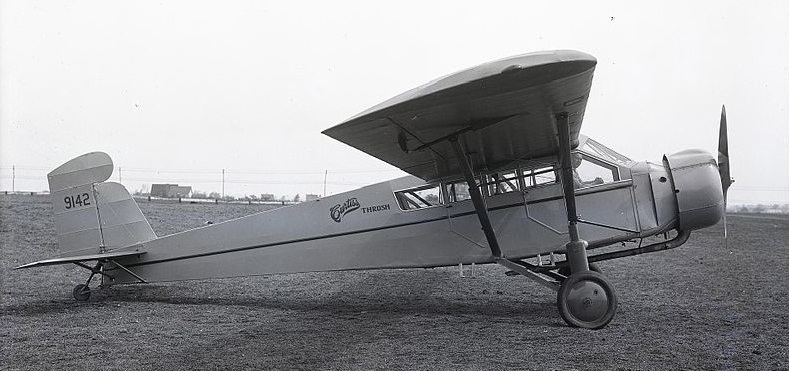
Designed by T.P. Wright, the Curtiss/Curtiss-Robertson Model 56 Thrush was a 1929 six passenger high-wing fixed undercarriage single-engine cabin monoplane airliner and utility transport powered by either a Curtiss Challenger or a Wright Whirlwind radial engine and built as an enlargement of the earlier Curtiss Robin.
The fuselage was built up as a Pratt truss frame formed mainly from Duraluminum tubing and fittings with welded Chrome-moly tubing reinforcing highly stressed areas and covered in fabric. The wing was a fabric covered semi-cantilever braced with steel tube struts, and had solid spruce spars and stamped Alclad ribs with Alclad sheet wrapped over leading edge. A fuel tank is mounted within each wing near the root. Rudder and elevators were welded chrome-moly steel tubing. 116″ track undercarriage is fitted with oleo-pneumatic shock absorbers and Bendix brakes, and is braced to the front struts and lower longerons.
Prototype Thrush with Challenger engine in experimental cowling and prototype rudder shape
Three 170 hp (130 kW) Curtiss Challenger-engined Curtiss Thrush prototypes (serialled G-1 to G-3 ATC 159 & 160) were built at Curtiss’ Garden City factory, but these were underpowered and production examples, re-designated Thrush J (serialled 1001 to 1010) with 225 hp (168 kW) Wright Whirlwind engines, were built at the Curtiss-Robertson St Louis factory. All three prototypes were later re-engined with Whirlwinds to make them Thrush Js (ATC 236). The fuselage of the Thrush formed the basis for the twin-engine Curtiss Kingbird which was developed roughly in parallel.
Ten of the Thrush J (ATC 261) main production variant with 225 hp Wright J-6-7 Whirlwind were built.
12 examples were ordered by China National Aviation Corporation (CNAC) for $12,000 but only ten production examples were built. All but one was then registered in the US, as many aircraft exported to the CNAC were, however only one example made it to China, which it did in 1930, and it may not have entered CNAC service. One of the ten was lost on its first flight (serial 1006) and its registration was transferred to the next aircraft built. One of the prototypes went to Venezuela to a private individual, and a production example went to Cuba where it was the first aircraft operated by the Compañía Nacional Cubana de Aviación Curtiss (CNCAC), forerunner of Cubana de Aviación, Cuba’s national airline- one example registered NM-3..
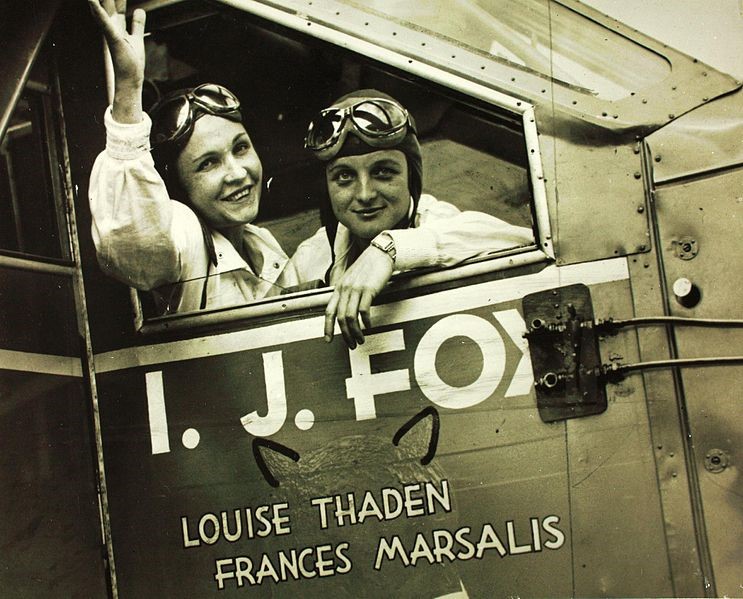
From the 14th to the 22nd of August 1932, Louise Thaden & Frances Marsalis flew prototype Thrush J NC9142 “I.J. Fox” (named for their sponsor, a fur coat company and nicknamed the “Flying Boudoir” by the press) for 196 hours 5 minutes, refuelling in flight from a Curtiss Robin to set an endurance record near Valley Stream, New York. For this and other record-breaking flights, Thaden received the Harmon Trophy in 1936.
Louise Thaden and Frances Marsalis in the cockpit of Thrush, “I.J. Fox”, in which they broke the women’s endurance record for a flight of 196 hours 5 minutes in 1932.
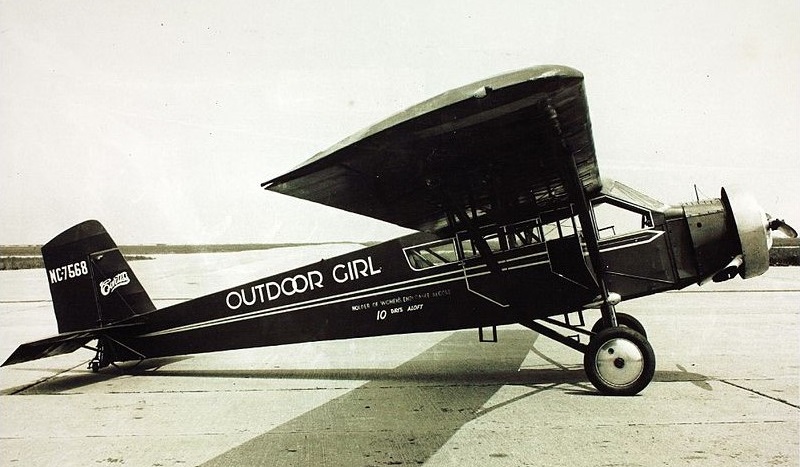
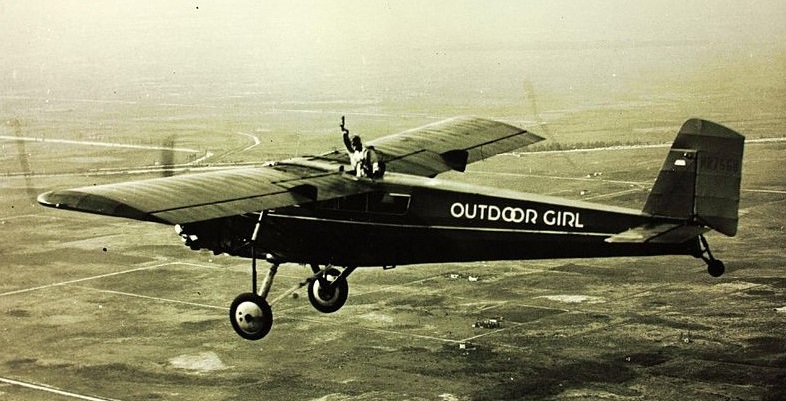
Helen Richey and Frances Marsalis flew production Thrush J NC7568 “Outdoor Girl” (named for a brand of women’s cosmetics, a new sponsor) for 237 hours, 42 minutes (nearly ten days) from the 20th to the 30th of December 1933 over Miami, Florida. Like the first flight, it too was refuelled from the air from a Curtiss Robin.
Thrush J “Outdoor Girl” setting a record of 237 hours 42 minutes aloft (nearly 10 days) in 1933
Jean LaRene and Mary Elizabeth Owens made five attempts at the world’s endurance record at the Curtiss-Reynolds Airport in August during the 1934 Chicago World’s Fair in Curtiss Thrush J NR581N “Lone Star” Jean LaRene made another attempt in NR581N on the record with Henrietta Sumner from 30 November 1934 over Oklahoma City but experienced engine problems and was forced down after 198 hours and 13 minutes aloft.
Two examples found their way to Alaska where they were used as bush planes, one by Ralph Savory before he joined Star Air Service, and a second was flown in Alaska by Gordon MacKenzie. The remainder were used in the United States by various operators as air taxis and feeder airliners.
The Thrush Special were one converted from a Thrush J with 240 hp Wright J-6-7 Whirlwind and a second converted with Wright J-5.
Thrush J – ATC 261 Engine: 1 × Wright J-6-7 (R-760), 225 hp (168 kW) Propeller: 2-bladed Curtiss-Reed metal fixed pitch propeller Length: 32 ft 7 in (9.93 m) Wingspan: 48 ft 0 in (14.63 m) Wing area: 305 sq ft (28.3 m2) Airfoil: Curtiss C-72 Chord: 7 ft 0 in (2.13 m) Height: 9 ft 3 in (2.82 m) Empty weight: 2,260 lb (1,025 kg) Gross weight: 3,800 lb (1,724 kg) Fuel capacity: 110 gallons Oil capacity: 9 gallons Maximum speed: 122 mph (196 km/h; 106 kn) Cruise speed: 104 mph (167 km/h; 90 kn) Minimum control speed: 52 mph (84 km/h; 45 kn) Range: 900 mi (782 nmi; 1,448 km) Service ceiling: 13,200 ft (4,000 m) Rate of climb: 650 ft/min (3.3 m/s) from sea level Time to altitude: 10 minutes to 5300 feet Wing loading: 12.46 lb/sq ft (60.8 kg/m2) Fuel consumption: .76 lb/mi (0.21 kg/km) Crew: one-two (dual controls) Capacity: six passengers