Hutter H 17 / Goppinggen 5

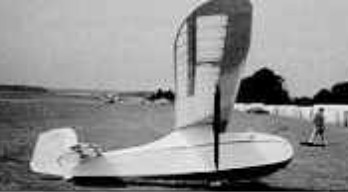
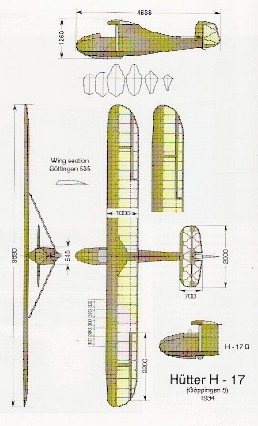
The H 17 was designed by the Hutter brothers, Ullrich and Wolgang, in Salzburg, Austria. The ‘17’ indicated the glide ratio. They sold plan sets until they joined Schempp-Hirth, which then built about five as the Goppingen 5 with the addition of a windshield and main wheel. Many were built from plans worldwide and several are still flying. A post-war version was developed and marketed as the H 17 B with enclosed cockpit, lengthened fuselage and airbrakes. The H 17B has slightly increased span and empty and loaded weights increased about 50%. One H 17 belongs to the National Soaring Museum. The Vintage Sailplane Association has plans.
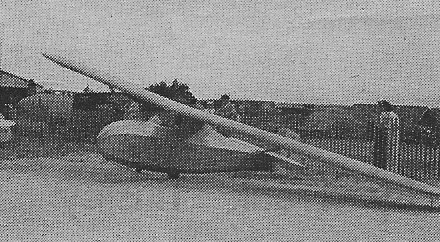
1938

The structure was all wood, D-tube single-strut wing, plywood over simple frame fuselage, fabric cover.
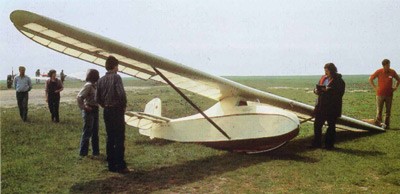
Wing span: 9.69m /31.8ft
Wing area: 9.2sq.m /99sq.ft
Empty Weight: 65kg /143lb
Payload: 93kg /205lb
Gross Weight: 158kg /348lb
Wing Load: 17.2kg/sq.m / 3.52lb/sq.ft
Water Ballast: 0
L/DMax: 17 64 kph /35 kt / 40 mph
MinSink: 0.98 m/s / 3.2 fps / 1.90 kt
Aspect ratio: 10.2
Airfoil: root, Go 535 tip, NACA M-6
Seats: 1
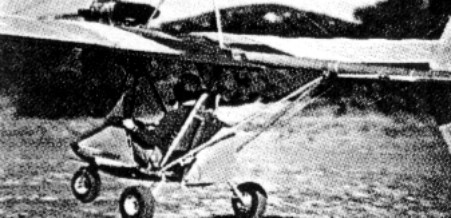
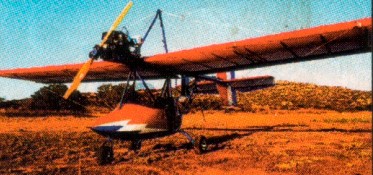
Hurricane Co Hurricane Hauler

Designed for up to 300 lbs and 6.5 ft pilot. Strengthen undercarriage and 30% longer cockpit.

Speed max: 85 mph.
Cruise: 63 mph.
Range: 100 sm.
Stall: 35 mph.
ROC: 800 fpm.
Take-off dist: 200 ft.
Landing dist: 150 ft.
Service ceiling: 12,000 ft.
Engine: Rotax 503, 52 hp.
HP range: 40-65.
Fuel cap: 10 USG.
Weight empty: 600 lbs.
Height: 8.17 ft.
Length: 16.83 ft.
Wing span: 28 ft.
Wing area: 142 sq.ft.
Seats: 1.
Landing gear: nose wheel.

Hurricane Co Hurricane

Hurricane 103

Circa 1995.
Suitable engines include the Rotax 447 to 582.
The Rotax 447 powered 103 ultralight kit was priced at US$8499 in 1997.
The Hurricane H.P./Clipwing has a symmetrical wing for mild aerobatics. Designed for +8 / -6 G, the kit price in 1997 was US$10,199.

Experimental
Engine: Rotax 503, 52 hp.
Wingspan: 28.5 ft.
Wing area: 142 sq.ft.
Length: 16.75 ft.
Height: 8.25 ft.
Seats: 1.
Empty wt: 280 lb.
Max wt: 680 lb.
Fuel cap: 10 USG.
Wing loading: 4.8 lb/sq.ft.
Pwr loading: 13.1 lb/hp.
Vne: 105mph.
Cruise: 70mph.
Stall: 30mph.
ROC: 1000 fpm.
TO dist: 100ft.
Ldg dist: 150 ft.
Endurance no res: 2.75 hr.
Range: 200 mile.
Fuel burn: 2.5 USG/Hr.

Ultralight
Engine: Rotax 447, 40 hp
HP range: 40-55
Wingspan: 28.5 ft.
Wing area: 142 sq.ft.
Length: 16.75 ft.
Height: 8.25 ft.
Seats: 1.
Empty wt: 250 lb.
Max wt: 500 lb.
Fuel cap: 5-7 USG.
Vne: 105mph.
Top speed: 100 mph
Cruies: 60 mph
Stall: 25 mph.
Range: 150 sm.
Takeoff distance: 100 ft
Landing distance: 120 ft
Service ceiling; 12,000 ft
ROC: 850 fpm.
Landing gear: nose wheel.

Hurricane H.P./Clipwing
Top speed: 105 mph
Cruise: 75 mph
Stall: 30 mph
Range: 130 sm
Rate of climb: 1000 fpm
Takeoff dist: 150 ft
Landing dist: 150 ft
Service ceiling: 12,500 ft
Engine: Rotax 503, 52 hp
HP range: 40-75
Fuel capacity: 7-10 USG
Empty weight: 275 lb
Gross weight: 650 lb
Height: 8.2 ft
Length: 17 ft
Wing span: 26-26 ft
Wing area: 133 sq.ft
Seats: 1
Landing gear: tailwheel

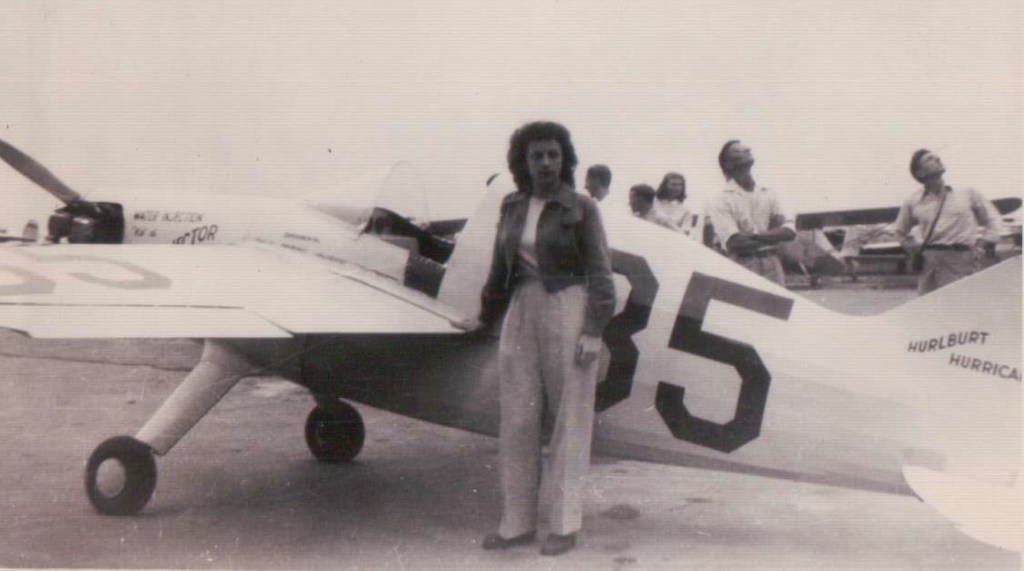
Hurlburt Hurricane / Camburn Special

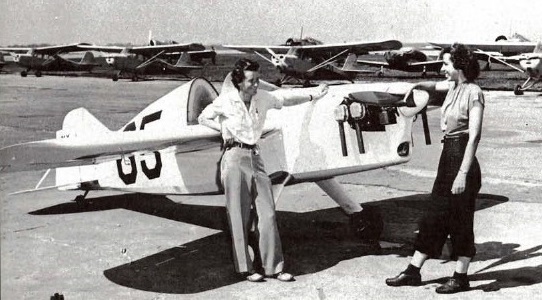
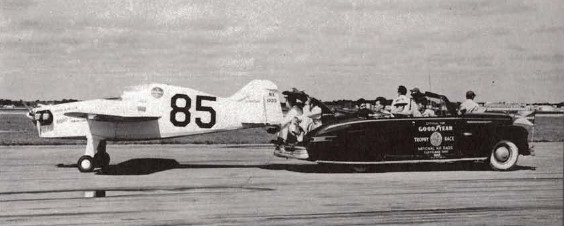
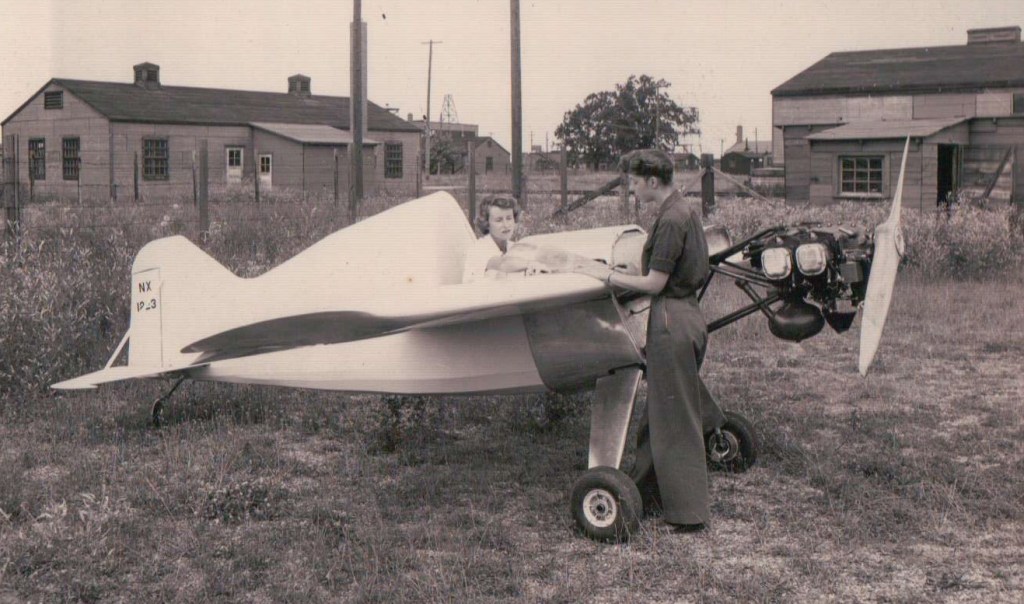
The Hurlburt Hurricane NX1223 of 1947 was designed and built by Marge Hurlburt, Anna Logan, and Duke Caldwell as midget racer #85.

Powered by an 85hp Continental C-85, the Hurricane was barred from Goodyear competition because the event was restricted to male pilots.

1947

Owned by Anna Logan and Mildred Caldwell of Cleveland, Eugene ‘Joe’ Smith flew the Hurricane in 1947.

The craft was later named the Camburn Special after Marge’s death. Eventually it was flown as Camburn Special in some competitions by Eugene “Joe” Smith.

Hurel Aviette

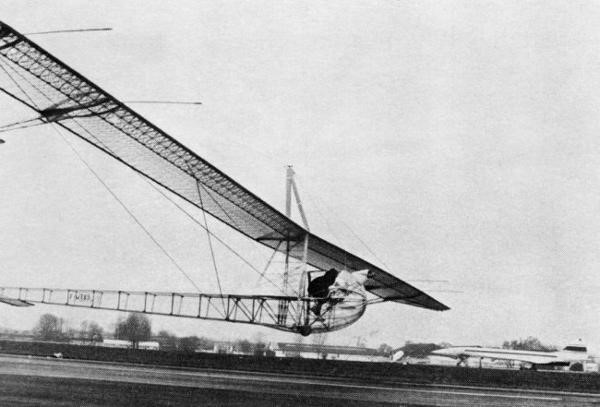
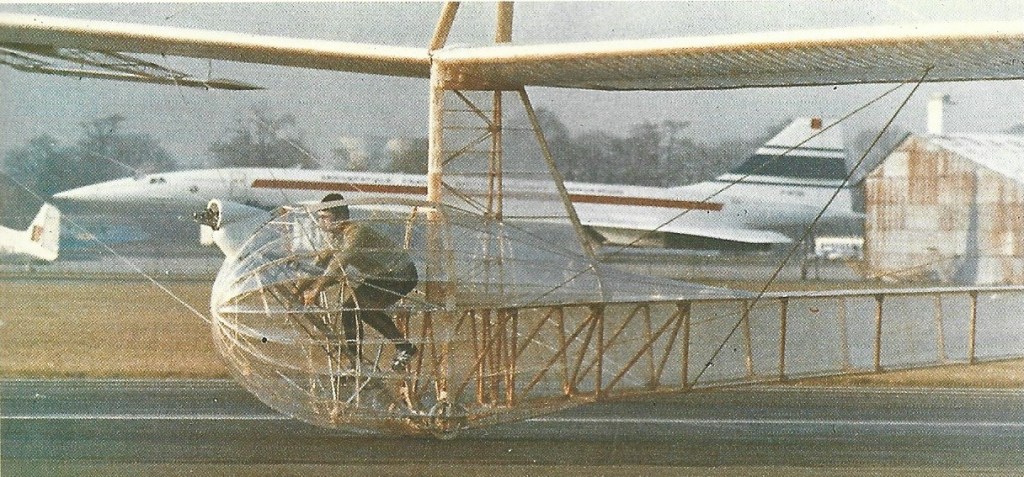
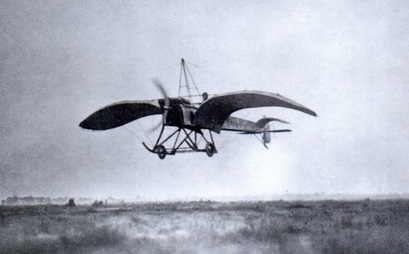
On the Aviette, Hurel used an aerodynamic solution to a structural problem. On this plane stabilising surfaces were attached on mini-tail-booms behind each outer wing. Just as the effect of a tailplane is to tend to return the entire aircraft to a level attitude from a non-level attitude, so the effect of these surfaces is to tend to hold the wing-tips at a constant angle relative to the airflow. The conventional constructional techniques of the time were used, materials being spruce, Balsa and Melinex.

Hurel’s 1976 Aviette aircraft had a 137 feet (42 m) span and a 12 feet (3.7 m) diameter propeller.

The Aviette flew at Le Bourget, largely through national recognition of the designer’s contribution to industry throughout his working life.

In 1974 the Aviette recorded flights of 1100 yards (1000 m).

The French entry to the Kremer Prize, the Hurel Aviette, might have been going into a museum. Unfortunately, at the time of the 1973 Paris Air Show, the airplane had to be moved from its hangar. Exposed to the elements, it was promptly chewed up by a dog.

Huntington H-12 monoplane

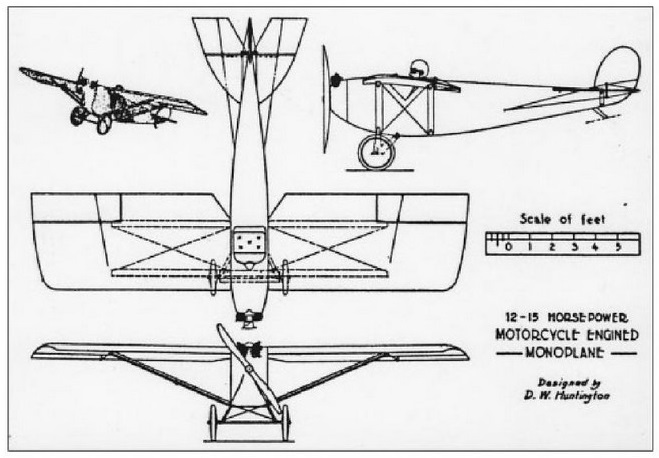
The 1920 Huntington H-12 monoplane was a successful design powered with a motorcycle engine. Designed and built by Dwight Huntington of Hempstead, this was the first kit, or plan-built, lightplane professionally engineered in the United States.

With a wingspan of 20 ft, the wings were attached to the upper longerons, but downward vision was increased by windows in the sides of the cockpit. It was powered by a 15 hp Harley Davidson motorcycle engine.

Able to cruise a 60 mph, plans of the H-12 were sold through aviation magazines into the late 1920s.

The cost of construction, without motor, was well under $80.