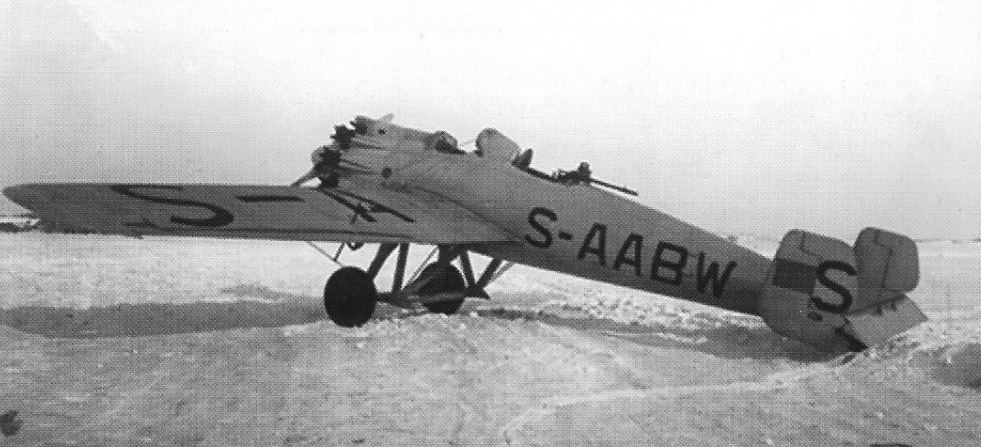
The K-47 monoplane appeared in 1928 built by Flygindustri AB. It was used as research aircraft for dive-bombing techniques, benefiting the later Ju 87 program.
The K-47 monoplane appeared in 1928 built by Flygindustri AB. It was used as research aircraft for dive-bombing techniques, benefiting the later Ju 87 program.
The K-37 twin-engined light bomber was flown in 1927 by Flygindustri AB
174 were built in Japan by Kawasaki and Mitsubishi.
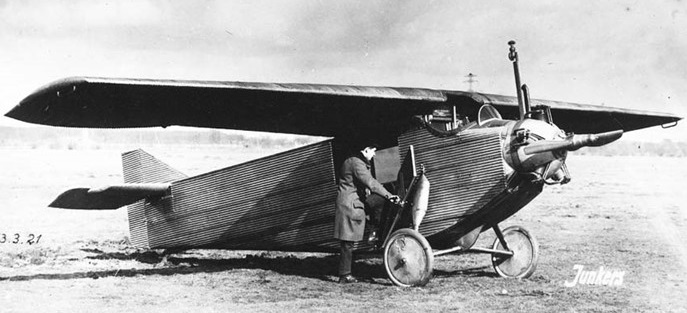
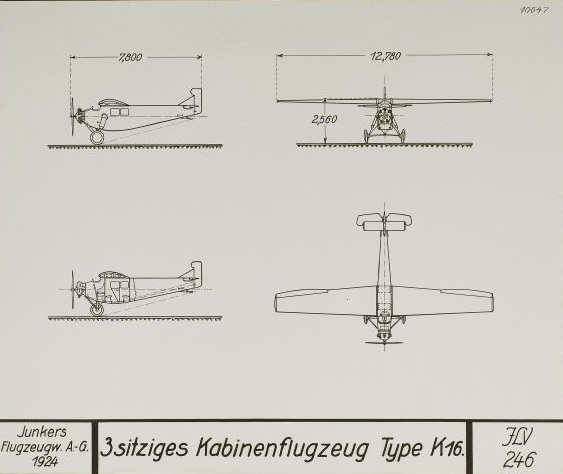
Based on the experimental results with the J 15 touring aircraft, the K 16 (originally designated J16) again offered space for two people in a closed passenger cabin and had an open pilot’s seat, this was now between the engine and the cabin and offered the pilot much better view. It was a conventional, high-wing cantilever monoplane of all-metal construction, equipped with fixed, tailwheel undercarriage.
Due to the stringent requirements of the Treaty of Versailles, the Daimler D III engine had to be replaced by a less powerful Siemens Sh 4 (65 hp).
The construction of the first K 16 was still in the time of total aircraft ban in accordance with the provisions of the Versailles Treaty. After the completion, the prototype was disassembled, moved to the Netherlands, and flown there. The first flight of a prototype aircraft (c / n 526) was on 3 March 1921. Shortly after the prototype flew, aircraft production in Germany was brought to a complete halt by the Allies. The plane was dismantled and transported to the Netherlands, where the test program has been completed. Until 1923, the K16 was in one of the hangars factory Fokker, and was then shown at air show in Gothenburg.
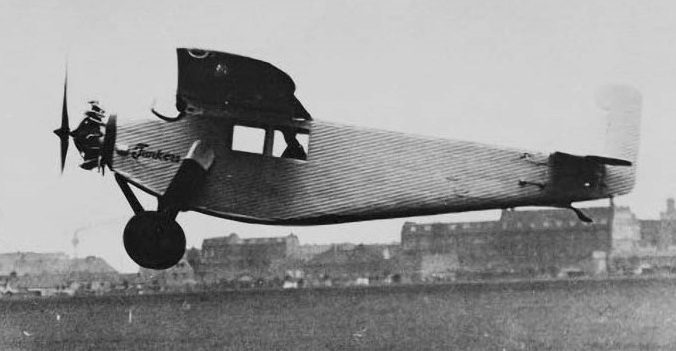
It was stored by Fokker until the restrictions were relaxed and work recommenced at Junkers’ Dessau factory in 1924. The wingspan of the prototype was 11 m but production aircraft wingspan was 12.80 m and with an improved rudder.
In 1924, at the plant in Dessau the first production K16a was built. It differed from the prototype of the new chassis, improved aerodynamics and Siemens Sh 5 engine of 85 hp. It is possible to increase the payload of the aircraft up to 315 kg and reach a maximum speed of 170 km / h.
The initial production in 1924 was followed by two more versions. The K16ba with a new wing (span increased to 12.80 m to 11 m compared with the prototype) and K16be / K16ba version of the engine Bristol Lucifer (100 hp). In 1927 came the K16bi / K16ba version with a Siemens Sh 12 (125 hp) engine, and the last variant, the K16bo with a Walter NZ-120 (120 hp) engine.
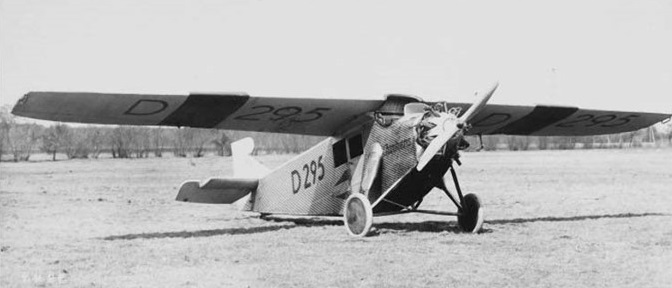
Junkers entered two K 16s in the 1925 Deutsche Rundflug, with one machine winning second place in the competition.
By this time, however, the airline niche that the tiny K 16 had been intended to fill no longer existed, and the seventeen that were produced were mostly sold to private owners. They were delivered with different motors, mainly with “Siemens & Halske AG” radial engines from Berlin-Spandau.
Variants
K 16 – initial version with Siemens-Halske Sh 4 engine, later changed to Sh 5
K 16a – modified undercarriage and rear fuselage (modified from prototype)
K 16b – production versions with new wing and a variety of engine choices:
K 16ba – Siemens-Halske Sh 5 engine
K 16bi – Siemens-Halske Sh 20 engine
K 16bo – Walter NZ 120 engine
K 16c – as K 16b but with modified nose section to accommodate engine change
K 16ce – Bristol Lucifer engine
Specifications
K 16 prototype
Engine: 1 × Siemens-Halske Sh 4, 49 kW (65 hp)
Length: 8.00 m (26 ft 3 in)
Wingspan: 11.00 m (36 ft 1 in)
Height: 2.75 m (9 ft 0 in)
Wing area: 16.50 m2 (178 ft2)
Empty weight: 430 kg (950 lb)
Gross weight: 850 kg (1,870 lb)
Maximum speed: 145 km/h (91 mph)
Range: 600 km (375 miles)
Crew: One pilot
Capacity: 2 passengers
Engine: Siemens Sh 4, 47 kW / 65 hp
Span: 12,80 m
Length: 8.00 m
Height: 2.75 m
Wing area: 19,00 m²
Max weight: 850 kg
Top speed: 150 km / h
Crew: 1
Passengers: 2
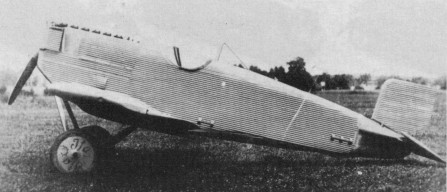
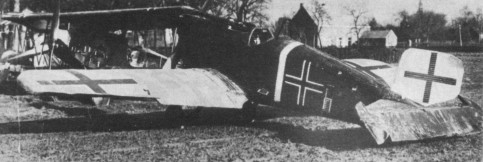
The J8/J10/J11 series were very much just two seat adaptations of the J7/J9 single seat fighters. All derived their origin from the innovative J1 of 1915. They were all metal low wing cantilever monoplanes, the J10/J11 was powered by a 185hp BMW or Benz engine. Typical for their appearance was the corrugated light duralumin skin and the flat radiator in front of the engine.
The J.11 was a float equipped derivation of the J10 two seat escort and ground attack fighter, which had been built in quantity during 1918 as the Junkers CL.I.
The J8 was the prototype for the J.11.
The J8/J10/J11 series were very much just two seat adaptations of the J7/J9 single seat fighters. All derived their origin from the innovative J1 of 1915. They were all metal low wing cantilever monoplanes. Typical for their appearance was the corrugated light duralumin skin and the flat radiator in front of the engine.
Replica: Haig Junkers J8
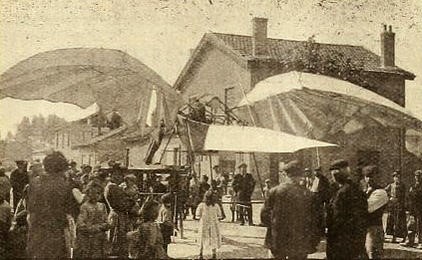
Thr Ornithopter of Jean-Baptiste Juge and Paul Rolland was designed and realized during 1907 through 1909. In a January 1909 magazine article written by Paul Rolland in “L’Aérophile” about the machine, Rolland begins with a plea to the editor of “L’Aérophile” for a more powerful engine (40 hp), as the one available had insufficient power. In the last paragraph he mentions that the first tests were made without any publicity given. Additionally, he states that the first wing flaps or “coups d’ailes” rather, “have given us every satisfaction.” Jean-Baptiste Juge had filed a French patent on September 28, 1907 (published November 28, 1908) for an “Aviateur”, which is remarkably similar to the finished model. That this patent has only Juge as inventor, gives the impression at least, that he was the driving intellectual force behind the design of the machine.
A very light single-seat monoplane (first flown 1996)
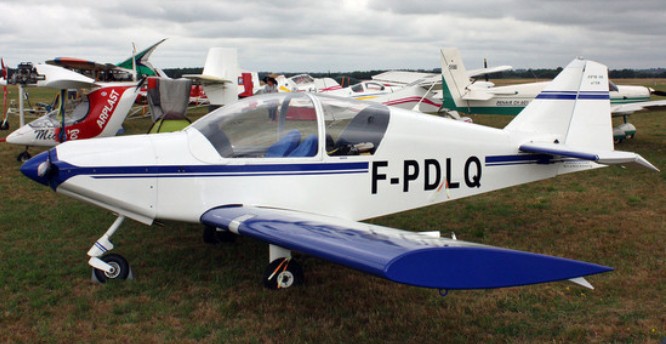
The JPM 01 Médoc is a French amateur-built aircraft that was designed by Jean-Pierre Marie in 1977 and produced by Les Avions Jean-Pierre Marie (JPM) of Le Mesnil-Esnard. The aircraft is supplied as plans for amateur construction, available in 2012 from Les Avions Jean-Pierre Marie (JPM).
The aircraft is named for the French community of Médoc.
The Médoc features a cantilever low-wing a two-seats-in-side-by-side configuration enclosed cockpit under a bubble canopy, fixed tricycle landing gear and a single engine in tractor configuration.
The aircraft is made from wood with its flying surfaces covered in doped aircraft fabric. Its 7.50 m (24.6 ft) span wing has an area of 9.30 sq.m (100.1 sq ft) and mounts flaps. Standard engines recommended are 60 kW (80 hp)-class Volkswagen air-cooled engines, including the 60 kW (80 hp) Limbach L2000 four-stroke powerplant.
The first example was completed by Pierre-Claude Guillem, and registered F-PGMB. It first flew on September 8, 1987. Originally fitted with a 65 hp JPX 4T-60A engine, it later received an 80 hp Limbach L2000 and the aircraft was winner of the 1988 SFACT Trophy for best multi place design. The JPM-01 built by the designer himself was first flown in August 1993, registered as F-PJPM.
A diesel engine powered version was designated JPM-01 Médoc Provence and the first example was completed by Didier Davenna in 2005. He had it registered as F-PDVN under the designation JPM-01 DDI. By mid-2012 at least fourteen Médocs has been built.
Almost forty years after its introduction the aircraft was redesigned and lightened, gaining slotted flaps to reduce stall speed.
JPM 01 Médoc / JPM-01 Tanagra
Engine: 1 × Limbach L2000, 60 kW (80 hp)
Length: 6 m (19 ft 8 in)
Wingspan: 7.50 m (24 ft 7 in)
Wing area: 9.30 sq.m (100.1 sq ft)
Empty weight: 286 kg (631 lb)
Gross weight: 496 kg (1,093 lb)
Fuel capacity: 60 litres (13 imp gal; 16 US gal)
Maximum speed: 210 km/h (130 mph; 113 kn)
Cruising speed: 175 km/h (109 mph; 94 kn)
Stall speed: 70 km/h (43 mph; 38 kn)
Never exceed speed: 247 km/h (153 mph; 133 kn)
Range: 700 km (435 mi; 378 nmi) with no reserve
Endurance: 4 hours plus 0.5 hour reserve
Service ceiling: 4,100 m (13,451 ft)
g limits: +3.5/–1.5
Rate of climb: 4 m/s (790 ft/min)
Wing loading: 53.3 kg/m2 (10.9 lb/sq ft)
Crew: one
Capacity: one passenger
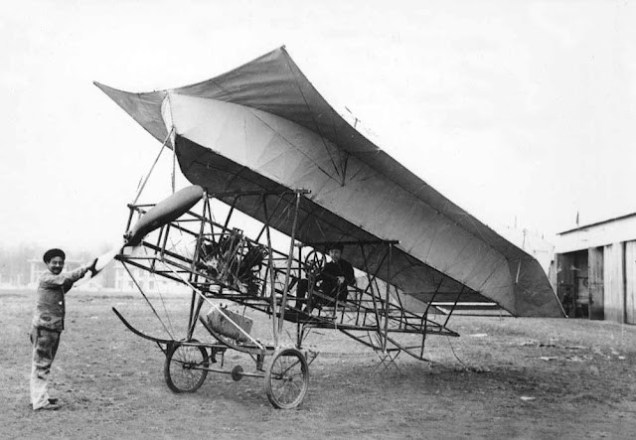
Henri Jourdan 1911
 All Aero