In 1941 the Piper P-1 NX38300 four-place cabin, high wing monoplane was built. Originally known as the 1937 Applegate Amphibian, which used wings and other components of the Cub. Powered by a 130hp Franklin 6AC engine, the wing design appeared in PA-16.
Monoplane
Piper Pilot 100i
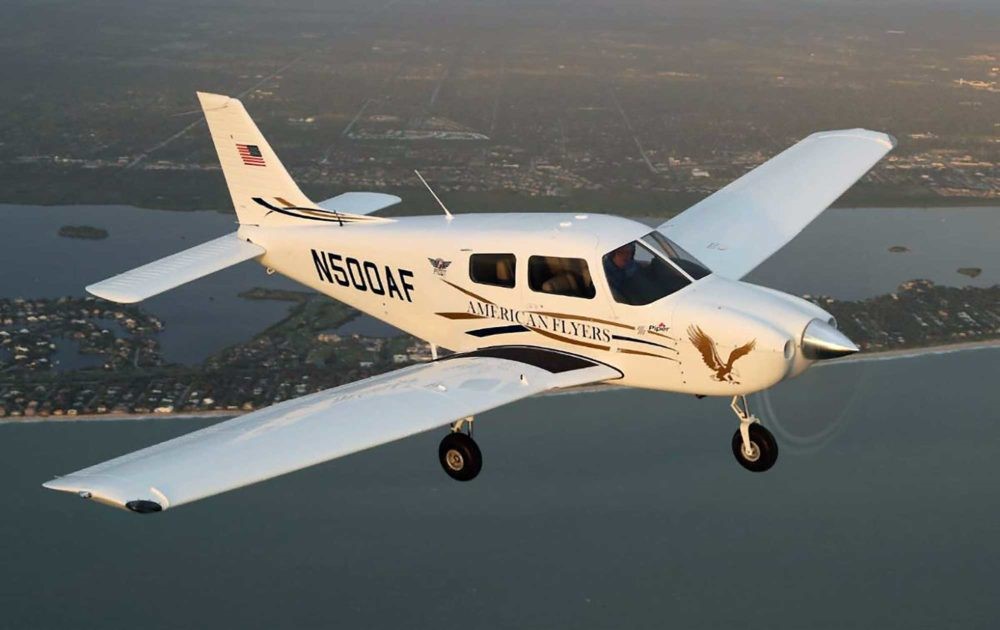
Immediately following certification in 2020, Piper began deliveries to its launch customer, American Flyers, who were to be taking delivery of eight Pilot 100i aircraft by the end of December 2020.
The new Piper Pilot 100i rounds off Piper’s five aircraft portfolio of training aircraft: Pilot 100i, Archer TX, Archer DX (diesel), Arrow (retractable), and twin-engine Seminole. The Piper 100i is priced under $300,000 and IFR equipped with digital autopilot.
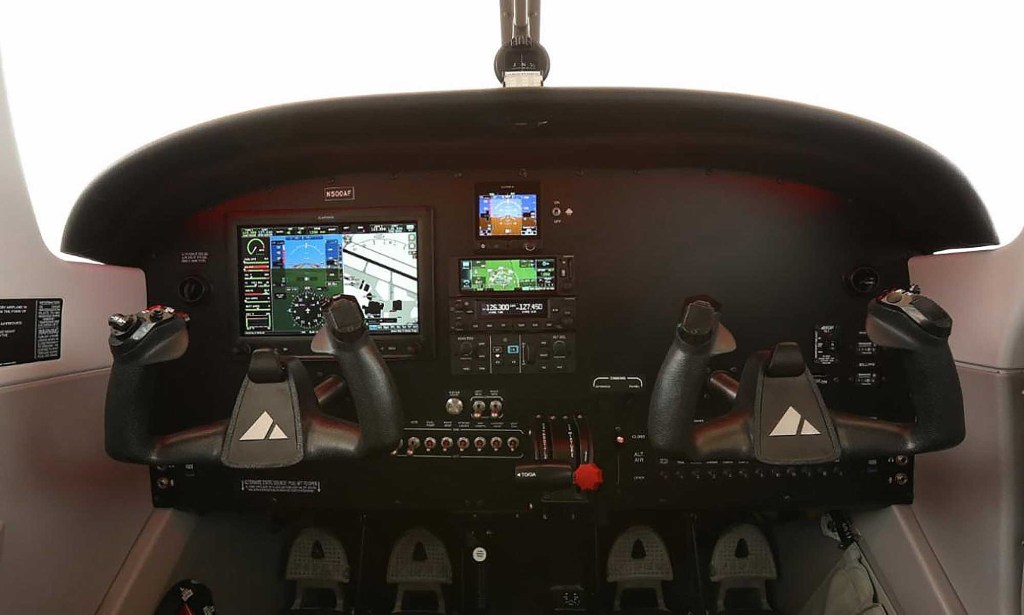
The Piper Pilot 100i G3X avionics suite is a glass platform that allows for toggling between round dial and tape displays in a touchscreen format. This outperformed the G1000 suite on many levels.
Avionics Garmin G3X Touch, Garmin G5, Garmin GFC500 autopilot, GNX 375 Touchscreen Nav/Xpndr w/ADS B In & Out, GNC 255A NAV/Comm Radio, GTR 20 2nd VHF COM Radio, GMA 245R Remote Audio Panel w/Bluetooth
Piper Pilot 100i
Engine 180hp Lycoming IO-360-B4A
Prop Sensenich 2-blade, fixed
Wingspan 10.8m
Height 2.2m
Length 7.3m
Fuel capacity 182 litres
Max cruise speed (@75% power) 128ktas
Take-off distance (over 50ft obstacle) 490m
Landing distance 427m
Max range 522nm
Piper PT-1
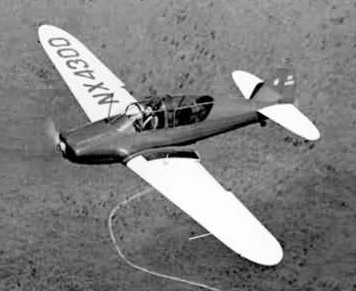
The Piper PT-1 was a 1940s American two-seat primary training monoplane designed and built by Piper for Army or Navy primary flight training. A low-wing tandem two-seat monoplane, the PT-1 was the first Piper aircraft to have a low-wing. It had a fabric covering over an all-metal fuselage frame and wooden spar wings and tail unit. The PT-1 had a retractable tailwheel landing gear and was powered by a 130 hp (97 kW) Franklin 6AC-2980D engine.
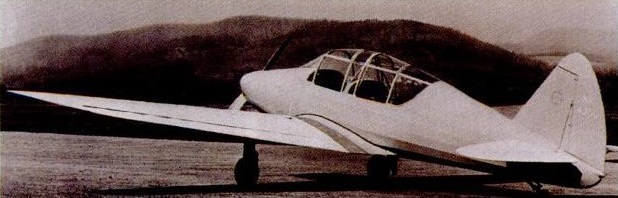
Designed by David Long, the prototype NX4300 first flew in 1942, no further aircraft were built. A four-seat development was designed as the Piper PWA-6 / PA-6 which did not go into production either.
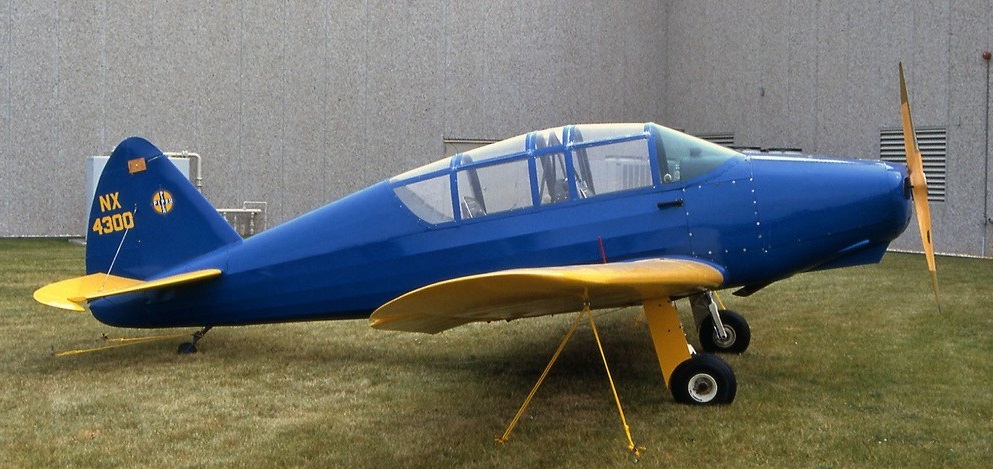
Engine: 1 × Franklin 6AC-298, 130 hp (97 kW)
Propeller: 2-bladed fixed pitch wooden airscrew
Wingspan: 35 ft 2 in (10.72 m)
Length: 22 ft 8 in (6.9 m)
Height: 6 ft 6 in (1.98 m)
Empty weight: 1,325 lb (601 kg)
Gross weight: 2,000 lb (907 kg)
Maximum speed: 150 mph (240 km/h, 130 kn) plus
Cruise speed: 135 mph (217 km/h, 117 kn) plus
Landing speed: less than 50 mph (43 kn; 80 km/h)
Range: 700 mi (1,100 km, 610 nmi)
Service ceiling: 12,400 ft (3,800 m)
Rate of climb: 750 ft/min (3.8 m/s) to 1,000 ft/min (300 m/min)
Crew: 2
Piper PA-48 Enforcer / Cavalier F-51
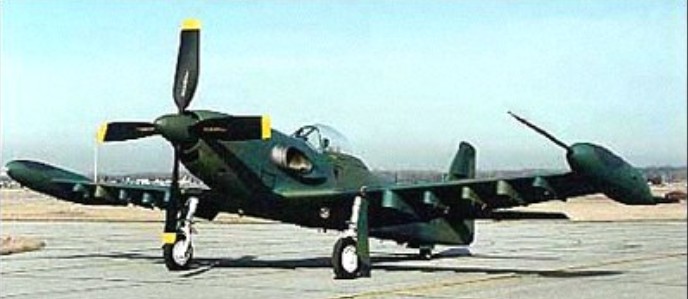
Piper Aircraft has received a USAF contract, expected to total about $12 million, to design, develop and test two new prototypes of the Enforcer as a lightweight close support air¬craft. The Enforcer, powered by a 2,445 ehp Lycoming T55 L 9 turboprop, was developed in 1971 as part of the activities of Cavalier Aircraft Corporation, which had produced a batch of updated North American F 51 Mustangs for export and evolved the Turbo Mustang III with a Dart engine. Piper acquired rights in the Enforcer in 1970 after Cavalier had developed the prototype, and for another 8 years Piper lobbied Congress to force the USAF to officially re-evaluate the Enforcer.
The two new prototypes were conversions of existing F 51 airframes, and modified by Piper at its Lakeland, Florida, plant. As well as the T55 installation, they feature wing tip tanks to increase total fuel capacity to 424 US gal (1605 1t), six wing strong points to carry two podded General Electric GAU 8 30 mm four-¬barrel cannon, 2.75 in (7 cm) unguided rockets or bombs, and aerodynamic improvements that include changes in the aileron control system and a 19 in (48 cm) extension of the rear fuselage, with enlarged tailplane and elevators. With a gross weight of 14,000 lb (6 350 kg), the Enforcer was expected to have a max speed of 350 kts (648 km/h). The USAF five month evaluation is expected to be conducted in the late summer of 1983 and completed by February 1984, embracing 98 flights.
In 1971 Piper built two Enforcers by heavily modifying two existing P-51 Mustang aircraft and fitting them with Lycoming T55-L9A turboprop engines (along with numerous other significant modifications). One airframe was single seat (called the PE-1 and FAA registered N201PE) and the other was a dual-control aircraft (called the PE-2, registered N202PE). Prior to the PAVE COIN evaluation, N202PE was lost in a crash off the Florida Coast.
The Piper PA 48 Enforcer flew for the first time on April 9 1971 from the company’s Lakeland, Florida, facility.
The Enforcer that flew is powered by a 2,445 shp Avco Lycoming T55 L 9 turboprop, turning a Skyraider propeller cut down by Piper from 14 feet to 11 feet, 6 inches in diameter. The fuselage has been stretched by 19 inches between the cockpit and fin; the fin area has been increased by nine percent, mostly in chord but slightly in height; the rudder is now equipped with a yaw stability augmentation system; and the tailplane/elevator area has been enlarged by 36 percent. Tip tanks provide 1,900 pounds of fuel capacity, in addition to some wing bending relief and end plate effect.
To ease stick loads at high speed and low level, the Enforcer’s ailerons are equipped with a boost system from a Lockheed T 33. The landing gear embodies Grumman G 1 wheels, T 39 Sabreliner brakes and Mustang type tires, and the tailwheel retracts. With six underwing pylons, the Enforcer’s main armament will be a pair of pod mounted 30mm General Electric four barrel rotary cannons capable of firing at a rate of 2,400 rounds per minute (40 rounds per second). Other weaponry could include miniguns, rockets and cluster bombs.
On the Enforcer’s first flight, the entire mission was flown in the takeoff and landing configuration to examine its stability, controllability and handling. Tests on the second flight included gear retraction, a climb to 20,000 feet and acceleration to 300 knots.
Eventually in the 1979 defense bill $11.9 million was allocated for Piper to build two new prototypes and for the USAF to perform another flight evaluation. Since the Enforcer was never in the Air Force inventory, it was not given an official military designation and did not receive an Air Force serial number. Instead, it carries the Piper designation PA-48 and Federal Aviation Administration (FAA) registration numbers N481PE and N482PE.
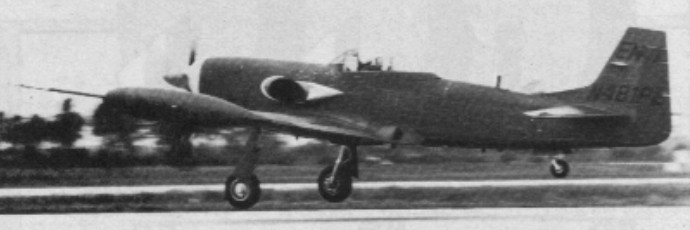
By the time the PA-48s were completed, they shared less than ten percent of their structure with the P-51. The two PA-48s were tested during 1983 and 1984 at Eglin AFB, Florida, and Edwards AFB, California. As in the PAVE COIN tests of 1971, the PA-48s were found to perform well in their intended role, but the USAF again decided not to purchase any.
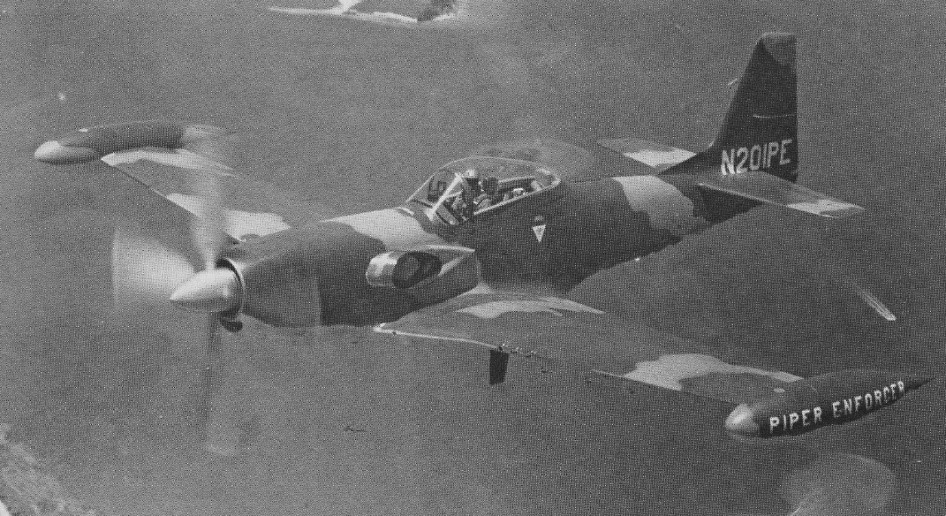
Of the prototype aircraft produced, three of the four still exist. The original PE-1 is disassembled and in storage. One of the PA-48s, N482PE, awaits restoration at Edwards Air Force Base. N481PE has been fully restored and resides in the ‘Prototype Hangar’ at the National Museum of the United States Air Force at Wright-Patterson Air Force Base near Dayton, Ohio.
Engine: 1 x Lycoming T55-L-9 turboprop, 1831kW
Max take-off weight: 6350 kg / 13999 lb
Wingspan: 12.60 m / 41 ft 4 in
Length: 10.40 m / 34 ft 1 in
Height: 4.00 m / 13 ft 1 in
Wing area: 37.9 sq.m / 407.95 sq ft
Max. speed: 650 km/h / 404 mph
Ceiling: 11465 m / 37600 ft
Range: 1480 km / 920 miles
Piper PA-47 PiperJet / Altaire

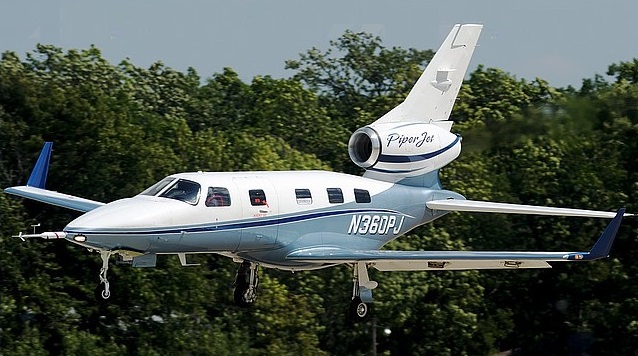
Piper Aircraft announced single-engined VLJ the PiperJet in October 2006, as a competitor to the twin-engined Eclipse 500 and Cessna Citation Mustang very light jets. The aircraft’s fuselage was the same cross section as the propeller-driven Piper PA-46 series, with a four-foot increase in length. It was to be capable of carrying up to 7 passengers and cruise at 360 knots (666.7 km/h), at a maximum altitude of 35,000 feet (10,668.0 m). Maximum range was expected to be 1,300 nautical miles (2,407.6 km), with a full-fuel payload of 800 pounds. Piper selected Williams International to supply its FJ44-3AP turbofan engine for the PiperJet.
Due to the engine being mounted above the center of gravity, power was highly stabilizing (addition of power would push the nose down), which could have been disconcerting to pilots. Initially, Piper designers incorporated an automatic pitch trim system to coordinate horizontal stabilizer angle of incidence with power setting. This system was later replaced by a vectored thrust nozzle, developed by Williams International, which resulted in reduced weight and simplified manufacturing processes.
A design feature of the aircraft was the use of a straight duct air intake design for the vertical stabilizer (tail) mounted engine, rather than an s-duct arrangement.
The prototype first flew on 30 July 2008.
A selling price of US$2.199 million in 2006 dollars was initially set and as of February 19, 2007, Piper announced that it had received 180 pre-orders. An entry-into-service date of early 2010 was initially anticipated, later changed to 2011-12. In October 2009 the company indicated that it had delayed the delivery of the first customer aircraft to mid-2013 and had informed depositors.
The PiperJet did not enter production and in October 2010 Piper announced it would instead develop an aircraft with a larger circular-section fuselage known as the Piper PiperJet Altaire. The 160 customers who had placed orders for the PiperJet retained their delivery positions with the new aircraft and at the same $2.2 million price.
Based on the PA-47 PiperJet prototype, the Altaire featured a slightly larger fuselage with a rounded cross-section, and included a conventional control yoke for flight control, as opposed to the original PiperJet’s side-stick controller.
Piper had been tooling up its facilities in Vero Beach, Florida (USA) to build four Altaire prototypes to be used for FAA (safety & performance) certification of the aircraft through 2013. First delivery of aircraft to customers was scheduled for 2014. The first flight was expected in 2012.
The fuselage of the original Piperjet was designed using the Piper Meridian single-engine turboprop as a template. The new owners of Piper, Imprimis, found fault with this design prompting a revision without direct reference to the Meridian. According to Piper CEO Geoffrey Berger, “We wanted to give our jet customers an even roomier light jet that incorporates a scalable design, paving the way for a future family of competitive business jets,”. The new fuselage design provided an additional 4 inches of headroom and nine more inches of elbow room and does away with a hump in the cabin floor that accommodated the wing spar in the old design.
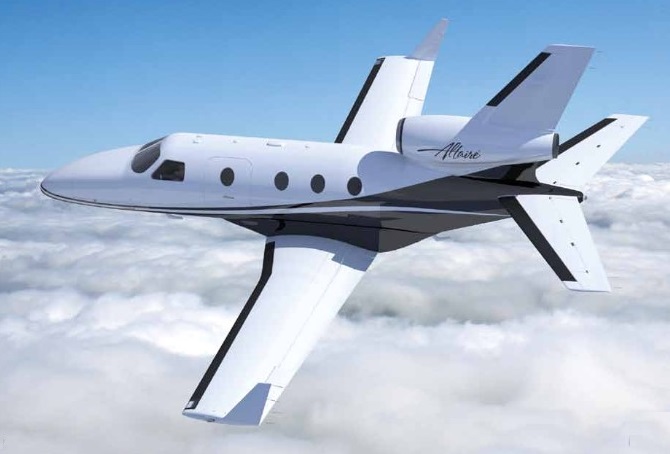
The Altaire had been designed for single-pilot operation allowing one passenger to occupy the co-pilot’s seat. Combined with 4 passenger seats in the cabin behind the flight deck, the jet would typically have seated 5 passengers. The cabin would have been specially configured to add an additional seat such that a total of 6 passengers can be accommodated in addition to the pilot. There was 20 cubic feet (570 L) of baggage space behind the passenger seats and another 20 cu ft (570 L). of heated but unpressurized space in the nose of the aircraft.
The Altaire would have been powered by the Williams International FJ44-3AP. This model of engine employs a “passive vectored thrust” design that helps compensate for nose-down pitch of the aircraft when power is increased as a result of mounting the engine relatively high up in the tail. Piper estimated that this engine would get the Altaire up to a 35,000 feet (11,000 m) maximum cruise altitude and a 320 knot cruise speed. Maximum cruise speed was projected to be 360 knots. The aircraft was expected to have a 1,200-to-1,300-nautical-mile (2,200 to 2,400 km) non-stop range.
The aircraft was expected to retail for around US$2.6 million, ‘standard’ equipped. Piper estimates variable operating cost at about US$730 per hour. This compares with about US$870 for the comparable model Cessna Mustang.
On 17 October 2011 the company announced that the PiperJet Altaire program was “under review”. Piper’s new interim CEO, appointed that same day, Simon Caldecott said, “This is being undertaken to ensure the company is properly aligning business goals and light-jet market forecasts with investment strategies and economic forecasts.” The next day, on 18 October 2011, AVweb editor-in-chief Russ Niles called for the project to be ended, calling it “unrealistic” to pursue the design in the face of Federal Aviation Administration opposition to certifying a single engined jet to 35,000 ft (10,668 m) and the lack of economic reasoning as the aircraft would cost the same as most twin-engined jets. Niles called on Piper saying, “the sooner it ends its “review” of the project and puts a bullet in it the better.”
On 24 October 2011, despite the Altaire’s development being “on schedule and on budget”, the program was indefinitely suspended by Piper due to economic issues, with the company laying off a number of workers who had been assigned to the project. It was stated the company would entertain offers for the PiperJet/Altaire project.
In 2012, the prototype was located at the Florida Air Museum.

original PA-47 PiperJet
Powerplant: 1 × Williams FJ44-3AP turbofan, 2,820 lbf (12.5 kN) thrust
Hot Section Inspection: 2,000 hours
TBO: 4,000 hours
Length: 35 ft 8 in (10.87 m)
Wingspan: 44 ft 3 in (13.49 m)
Height: 15 ft 8 in (4.78 m)
Full fuel payload: intended to be 800 lbs (363 kg) +/-5%
Usable Fuel: 457 USgal (1,730 liters)
Cruise speed: 360 kn (414 mph; 667 km/h) (intended maximum cruise speed +5% -2.5%)
Range: 1,300 nmi (1,496 mi; 2,408 km) (intended maximum range +/-5%)
Service ceiling: 35,000 ft (11,000 m)
Maximum Cabin Height: 55.0 in (1.4 m)
Cabin Length: 17.8 ft (5.4 m)
Cabin Width: 55.0 in (1.4 m)
Main Entry Door Width: 36.0 in (0.9 m)
Total Pressurized Cabin Volume: 260 cu ft (7.3 cu m)
Nose Baggage Compartment (unpressurized): 20 cu ft (0.57 cu m) / 200 lbs (90.9 kg)
Maximum Cabin Differential: 7.6 psid
Crew: 2
Capacity: 6-7 passengers
Piper PA-46 Malibu / Meridian / Matrix
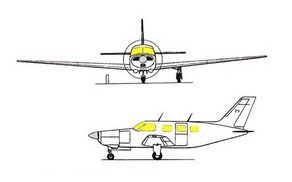
Initially flown for the first time on 30 November 1979, designated PA-46-300T, as an unpressurised development aircraft, the first real prototype flew on 21 August 1982. This was a pressurised, all-metal aircraft seating six, with retractable undercarriage.
Piper announced in late 1982 the intention to introduce in late 1983 a new aircraft which it claimed to be the world’s first cabin-class pressurised aircraft with a single piston engine.
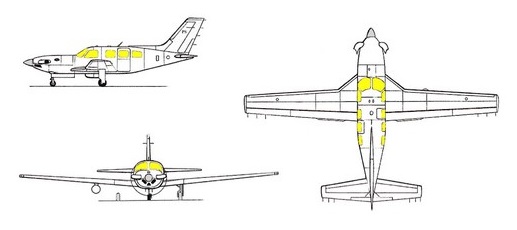
Designated Piper PA-46-310P Malibu, the aircraft is of cantilever low-wing monoplane configuration with retractable tricycle landing gear and powered by a Teledyne Continental TSIO-520-BE turbocharged engine, the pressurised cabin providing seating a pilot and five passengers.
The initial PA-46-310P Malibu production version received FAA certification on 27 September 1983 and deliveries into service began during November 1983. Fitted with a high aspect ratio wing, IFR avionics was standard and an airstair style door at the rear of the aircraft. Production was discontinued during 1988 after 344 had been built.
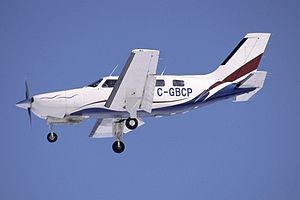
Certification (FAA A25SO) of the original PA-46-310P was achieved in September 1983 and deliveries commenced the following November and 402 were produced. Certification covered 46-8408001 to 46-8608067, and 4608007 to 4608007
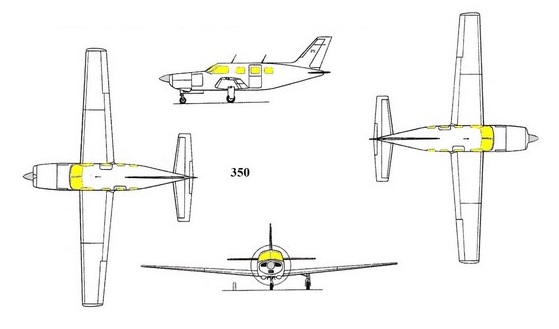
The turbocharged PA-46-350P Malibu Mirage was introduced in October 1988 replacing the -310, with deliveries beginning two months later at $679,900 as standard. This differed in having a 350 hp (261 kW) Textron Lycoming TIO-540-AE2A engine in place of the earlier 310 hp (231 kW) Teledyne Continental TSIO-520-BE. FAA certification was received on 30 August 1988.
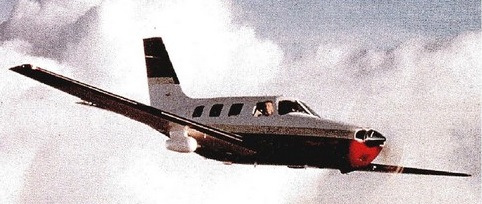
Fitted with a new wing, revised interior and electrical system, and standard Bendix / King avionics packages, around 250 were produced. Other features include a redesigned flight deck, two-piece glareshield and a 40-lb (18-kg) increase in useful load.
By spring 1991 Piper had orders for over 100 of the PA-46-350P Malibu Mirage but, after several aircraft broke up in adverse weather conditions, the FAA revoked its IMC certification and began a Special Certification Review. Piper worked hard to clear the design’s reputation and by February 1992 the Malibu was returned to full operations.
The first Meridian, a non conforming example, flew summer 1988/89. On 21 June 2001 the first Malibu Meridian was certified by the UK CAA.
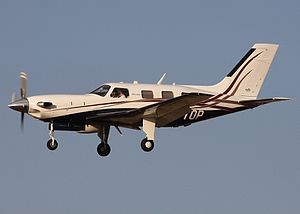
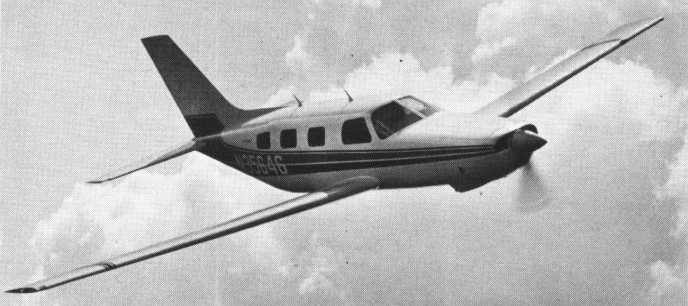
Plans to build a turbine powered Malibu was announced during 1987 and a prototype, N35646, was built which first flew on 26 September 1988. The prototype was powered by a 400 shp Pratt & Whitney Canada PT6A-11 turboprop and a revised type, the TP-600, was manufactured with a 600 shp PT6A-11 engine. New Piper were also producing the type, from 1994, with improvements to the autopilot, braking system and air-conditioning.

Rocket Engineering of Spokane, Washington produced turboprop conversions of Piper Malibu. Certificated during August 1998, around 90 320 and 350 types were converted to JetPROP models with Pratt & Whitney PT6A-34/35 engines. During 2003 the JetPROP DL conversions with Pratt & Whitney PT6A-21 engines were started, and by 2003 233 aircraft had been converted.
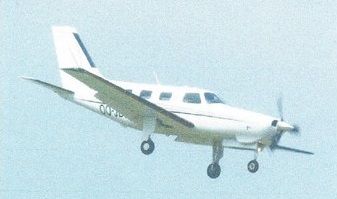
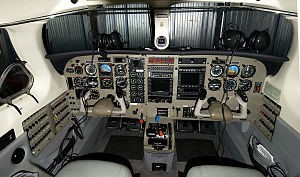
The PA-46R-350T is an unpressurised version of the Mirage, announced during October 2007 with deliveries Avidyne TAS610 dual antenna traffic advisory system and speed brakes. During 2010 a Garmin G1000 avionics system was available. Piper Aircraft received FAA certification of the G1000 NXi next generation integrated flight deck on both the M500 single engine turboprop and M350 pressurized, single-engine piston. Piper was set to offer it as a retrofit option (via STC) for fielded G1000 equipped Matrix, Mirage (M350), and Meridian (M500) aircraft.
Specifications:
PA-46 Malibu
Engine: Lycoming TIO-540, 350 hp
Wingspan: 43′
Length: 28′ 8″
Height: 11′ 3″
Cabin Length: 12′ 3″
Empty Weight: 3,000 lb
Ramp Weight: 4,318 lb
Takeoff Gross Weight: 4,300 lb
Useful Load: 1,318 lb
Payload: 598 lb
Max. Landing Weight: 4,100 lb
Baggage Capacity: 100 lb
Fuel Capacity: 120 USG
Fuel Burn (Idle): 9 USGPH
Climb Rate (Initial): 1,220 FPM
Takeoff – Over 50′: 2,550′
Landing – Over 50′: 1,950′
Service Ceiling: 25,000′
Max. Speed: 225 knots
Normal Speed: 200 knots
Normal Range: 1,018 NM
Cruise 65%: 206 kts
Cruise 55%: 200 kph @ 25,000 ft
Long Range Speed: 190 knots
Long Range: 1,150 NM
Normal Fuel Burn: 24 USGPH
Stall Speed (Flaps Down): 60 knots
PA-46-310
Max speed: 270 mph
Cruise speed: 226 mph
Max Cruise speed: 249 mph
Stall: 67 mph
ROC: 1143 ft/min
Service ceiling: 25,000 ft
Takeoff run: 1440 ft
Takeoff to 50 ft: 2025 ft
Ldg from 50 ft: 1520 ft
Ldg run: 640 ft
Range norm: 1531 mi
Range max: 1790 mi
Wing span: 43 ft 0 in
Fuel capacity: 101.6 imp.gal / 122 USG
Length: 28 ft 4.75 in
Empty weight: 2275 lb
Weight equipped: 2350 lb
Loaded weight: 3850 lb
Payload: 100 lb
PA-46-310P Malibu
Engine: Teledyne Continental TSIO-520-BE, 310 hp
Prop: Hartzell, 2 blade CS 6 ft 8 in
Cabin length: 12 ft 4 in
Cabin width: 49.5 in
Cabin height: 47 in
Rear pax door: 46 x 24 in
Baggage door left side nose: 23 x 19 in
Nose compartment capacity: 13 cu.ft / 100 lb unpressurised
Rear baggage compartment: 20 cu.ft / 100 lb pressured
PA-46-350
Max speed: 273 mph
Cruise long range: 193 mph
Cruise Econ: 229 mph
Cruise speed norm: 247 mph
Cruise speed max: 259 mph
Stall: 69 mph
ROC: 1220 ft/min
Service ceiling: 25,000 ft
Takeoff run: 1530 ft
Takeoff to 50 ft: 2375 ft
Ldg from 50 ft: 1960 ft
Ldg run: 1010 ft
Range norm: 1172 mi
Range econ: 1248 mi
Range max: 1450 mi
Wing span: 43 ft 0 in
Fuel capacity: 101.6 imp.gal / 122 USG
Length: 28 ft 11 in
Empty weight: 3080 lb
Weight equipped: 3121 lb
Loaded weight: 4340 lb
Payload: 100 lb
Piper 1998 PA-46-350P Malibu Mirage
Engine make/model:Lyc. TIO-540AE2A, 350 hp
TBO: 2000 hr
Propeller: Const. spd.
Landing gear: Tri/Retr.
Gross weight: 4300 lb
Empty weight, std: 3048 lb
Useful load, std: 1252 lb
Fuel: 120 USG
Wingspan: 43 ft
Overall length: 28 ft. 7 in
Height: 11 ft. 6 in
Wing area: 175 sq. ft
Seating capacity: 5
Cabin width: 50 in
Cabin height: 47 in
Baggage capacity: 200 lb
Cruise speed 75% power: 225 kt
Cruise speed 65% power: 215 kt
Max range (w/ res) 75% power: 990 nm
Max range (w/ res) 65% power: 1056 nm
Fuel consumption 75% power: 20 USgph
Fuel consumption 65% power: 18 USgph
Stall speed (gear, flaps down): 60 kt
Best rate of climb: 1218 fpm
Service ceiling: 25,000 ft
Takeoff ground roll: 1530 ft
Landing ground roll: 1018 ft
2001 New Piper Malibu Mirage
Engine: Lycoming TIO-540-AE2A, 350 hp / 261kW @SL to 17,000 ft
TBO: 2000 hr
Fuel type: 100
Propeller: Hartzell CS
Landing gear: Tri/Retr.
Gross weight: 4340 lb
Max landing weight: 4100 lb
Empty weight, std: 3157 lb
Useful load, std: 1183 lb
Payload, full std. fuel: 463 lb
Usable fuel, std: 120 USG
Oil capacity: 12 qt
Wingspan: 43 ft
Overall length: 28 ft. 8 in
Height: 11 ft. 6 in
Wing area: 175 sq. ft
Wing loading: 23.6 lbs./sq. ft
Power loading: 12.3 lbs./hp
Wheel base: 8 ft
Wheel track: 12 ft. 3 in.
Wheel size: 6.00 x 6
Seating capacity: 6
Cabin doors: 1
Cabin width: 50 in
Cabin height: 47 in
Baggage capacity: 200 lb
Cruise speed @ 25,000 ft 75% power: 213 kt
Cruise speed @ 25,000 ft 65% power: 203 kt
Max range (w/ res) 75% power: 1065 nm
Stall speed (gear, flaps down): 58 kt
Best rate of climb (SL): 1218 fpm
Service ceiling: 25,000 ft
Takeoff ground roll: 1090 ft
Takeoff over 50-ft. obstacle: 2090 ft
Landing ground roll: 1020 ft
Landing over 50-ft. obstacle: 1960 ft
2005 New Piper Mirage
Base price: $970,000
Engine: Lycoming TIO-540-AE2A, 350 hp to 17,000
TBO: 2000 hr
Fuel type: 100/100LL
Propeller: Hartzell three blade 80 in
Landing gear: Tri./Retr.
Max ramp weight: 4340 lb
Gross weight: 4340 lb
Landing weight: 4100 lb
Empty weight, std: 3100 lb
Useful load, std: 1240 lb
Payload, full std. fuel: 520 lb
Usable fuel, std: 120 USG
Oil capacity: 12 qt
Wingspan: 43 ft
Overall length: 28 ft. 6 in
Height: 11 ft. 5 in
Wing area: 175 sq. ft
Wing loading: 24.8 lbs./sq. ft
Power loading: 12.4 lbs./hp
Wheel size: 6.00 x 6
Seating capacity: 6
Cabin doors: 1
Cabin width: 49 in
Cabin height: 47 in
Cruise speed 75% power: 213 kt
Cruise speed 65% power: 199 kt
Cruise speed 55% power: 166 kt
Fuel consumption 75% power: 20.0 USgph
Fuel consumption 65% power: 18.0 USgph
Fuel consumption 55% power: 15.0 USgph
Range, 55% power: 1055 nm
Best rate of climb (SL): 1225 fpm
Max operating altitude: 25,000 ft
Vso: 58 kt
Takeoff ground roll: 1090 ft
Takeoff over 50-ft. obstacle: 2090 ft
Landing ground roll: 1020 ft
Landing over 50-ft. obstacle: 1960 ft
2006 Piper Mirage PA46
Engine: Lycoming TIO-540-AE2A, 350 ho @SL to 18,000 ft
TBO: 2000 hr
Fuel type: 100/100LL
Propeller: Hartzell three-blade CS
Landing gear: Tri./Retr.
Max ramp weight: 4358 lb
Gross weight: 4340 lb
Landing weight: 4123 lb
Empty weight, std: 3121 lb
Useful load, std: 1237 lb
Payload, full std. fuel: 517 lb
Useful fuel: 120 USG
Oil capacity: 12 qt
Wingspan: 43 ft
Overall length: 28 ft. 10 in
Height: 11 ft. 4 in
Wing area: 175 sq. ft
Wing loading: 24.8 lbs./sq. ft
Power loading: 12.4 lbs./hp
Wheel size: 6.00 x 6
Seating capacity: 6
Cabin doors: 1
Cabin width: 50 im
Cabin height: 45 in
Cruise speed 75% power: 213 kt
Fuel consumption 75% power: 20 USgph
Fuel consumption 65% power: 18 USgph
Vso: 58 kt
Max operating altitude: 25,000 ft
Best rate of climb (SL): 1220 fpm
Takeoff ground roll: 1090 ft
Takeoff over 50-ft. obstacle: 2090 ft
Landing ground roll: 1065 ft
Landing over 50-ft. obstacle: 1965 ft
PA-46R-350T
Engine: TIO-540-AE2A, 350 hp
Wingspan: 43 ft 0 in
Length: 28 ft 11 in
Height: 11 ft 4 in
Empty weight: 2937 lb
Loaded weight: 4340 lb
Payload: 1421 lb
Fuel capacity: 120 USG
Service ceiling: 25,000 ft
Takeoff to 50 ft: 2090 ft
Landing from 50 ft: 1968 lb
2008 Piper Malibu PA46-350 Matrix
Base price: $757,000
Engine: Lycoming O-TIO-540-AE2A. 350 hp
TBO: 2000 hr
Fuel type: 100/100LL
Propeller: 3-blade Hartzell
Landing gear: Tri./Retr.
Max ramp weight: 4358 lb
Gross weight: 4340 lb
Landing weight: 4123 lb
Empty weight, std: 2937 lb
Useful load, std: 1421 lb
Usable fuel:120 USG /720 lb
Payload, full std. fuel: 701 lb
Wingspan: 43 ft
Overall length: 28 ft. 11 in
Height: 11 ft. 4 in
Wing area: 175 sq. ft
Wing loading: 24.8 lbs./sq. ft
Power loading: 12.4 lbs./hp
Seating capacity: 6
Cabin doors: 1
Cabin width: 49.5 in
Cabin height: 47 in
Cruise speed 75% power @ 25,000 ft: 215 kt
Cruise speed 75% power @ 10,000 ft: 190 kt
Fuel consumption 75% power: 20 USgph
Fuel consumption 65% power: 18 USgph
Fuel consumption 55% power: 15 USgph
Vso: 58 kt
Best rate of climb (SL): 1150 fpm
Service ceiling: 25,000 ft
Takeoff ground roll: 1087 ft
Takeoff over 50 ft. obstacle: 2090 ft
Landing ground roll: 1020 ft
Landing over 50 ft. obstacle: 1968 ft
PA-46 Malibu Meridian
Engine: Pratt & Whitney PT6A-42A, 1090 shp
Wingspan: 43 ft
Wing Area: 183 sq. ft
Max Ramp Weight: 5134 lb
Useful Load: 1698 lb / 679 kg
Fuel Capacity, Useable: 170 USG
Cruise: 262 kt.
Endurance: 4.8 hr.
Vso: 69 kt
Rate Of Climb: 1556 fpm
Max Certified Altitude: 30,000 ft
Max Cruise Speed: 260 kt
Takeoff Distance: 1650 ft
Takeoff Over 50 Ft. Obstacle: 2438 ft
Landing Distance: 1020 ft
Landing Over 50 Ft. Obstacle: 2110 ft
2005 New Piper PA46-500T Meridian
Engine: Pratt & Whitney PT6A-42A, 500 shp @ FL200
TBO: 3500 hr
Fuel type: Jet A
Propeller: Hartzell CS
Landing gear: Tri./Retr.
Max ramp weight: 5134 lb
Max takeoff weight: 5092 lb
Empty weight, std: 3404 lb
Useful fuel: 170 USG
Payload, full std. fuel: 591 lb
Wingspan: 43 ft
Overall length: 29.6 ft
Height: 11.3 ft
Wing area: 183 sq. ft
Wing loading: 10.8 lbs./sq. ft
Power loading: 27.3 lbs./hp
Wheel size: 6.00 x 6
Seating capacity: 6
Cabin doors: 1
Cabin width: 49 in
Cabin height: 47 in
Max cruise speed: 260 kt
Fuel consumption: 37 USgph
Range: 1000+ nm
Best rate of climb (SL): 1556 fpm
Max operating altitude: 30,000 ft
Vso: 61 kt
Takeoff ground roll: 1650 ft
Takeoff over 50-ft. obstacle: 2438 ft
Landing ground roll: 1020 ft
Landing over 50-ft. obstacle: 2110 ft
P-46T Meridian
Engine: P&W PT6A-42, 500 hp
Wingspan: 43′
Length: 29′ 6″
Height: 11′ 3″
Cabin Length: 12′ 3″
Empty Weight: 3,403 lb
Ramp Weight: 4,892 lb
Takeoff Gross Weight: 4,850 lb
Useful Load: 1,489 lb
Payload: 350 lb
Max. Landing Weight: 4,850 lb
Baggage Capacity: 100 lb
Fuel Capacity: 170 USG
Noise Level (dB): 73.7
Fuel Burn (Idle): 21 USGPH
Climb Rate (Initial): 1,741 FPM
Takeoff – Over 50′: 2,775′
Landing – Over 50′: 2,250′
Service Ceiling: 30,000′
Max. Speed: 262 knots
Normal Speed: 258 knots
Normal Range: 1,000 NM
Long Range Speed: 240 knots
Long Range: 1,070 NM
Normal Fuel Burn: 41 USGPH
Stall Speed (Flaps Down): 61 kt
PA-46-600
Length: 29 ft 7 in
Loaded weight: 5300 lb
Piper PA-44 Seminole
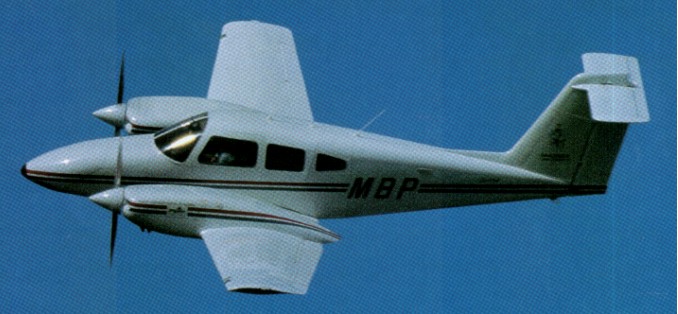
The PA 40 Arapaho was developed and ready to go, but Piper made the decision not to produce this airplane because of its projected high market price. Instead, they un¬dertook the PA 44 Seminole project in order to produce a more cost competitive light twin.
Announced on 21 February 1978, the Seminole is powered by 180-hp Lycomings, and will do 155 knots at 65-percent power and climb at 1,200 feet per minute. Single-engine service ceiling is 3,200 feet. Piper promised first deliveries in June 1978, and a base price of $73,900. A cantilever low-wing monoplane with a T-Tail, retractable tricycle landing gear and power provided by two Avco Lycoming O-360-E1AD counter-rotating engines.
A big help in holding cost down is commonality with existing airplanes. Most of its fuselage is from the Arrow III, from what would be the forward firewall to the aft cabin bulkhead. The T-tail was actually developed on the Seminole first, but introduced on the Lance II. The wings are basically beefed-up versions of the semi-tapered Arrow III to within four feet of the tip. Like the Seneca II and the Navajo C/R, the Seminole uses counter-rotating propellers for balanced thrust, and optional three-blade propellers in 1979 provided a quieter ride. Also in the same year, a propeller synchrophaser further reduced cabin noise levels.
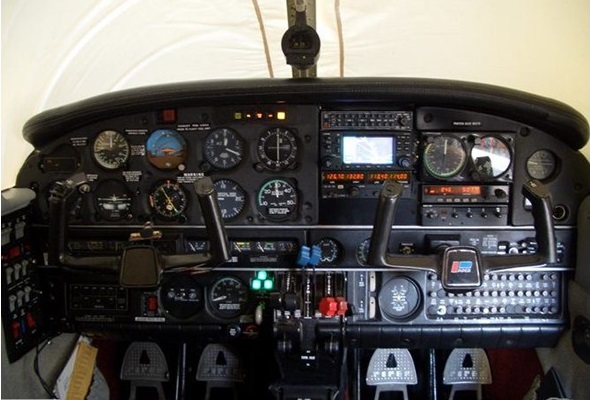
Two 54-gallon fuel tanks are fitted in the engine nacelles, because the engines attach to the wing right where the gas tank is located on four place Piper singles, and placing fuel in the nacelles meant no drastic change in the wing outboard of that point. Piper opted for Lycoming’s new series of engines, which are made on automated equipment at a slightly lower cost. These engines are deeper than previous Lycomings, and thus the nacelles had to be thicker.
At 75% power and 7,000 feet, the Seminole cruises at 191 mph. When leaned to 65%, best-economy power cruise speed is 181 mph, and range is 898 miles with a 45-minute reserve. At 3,800 pounds gross, the Seminole weighs the same as Gulfstream American’s Cougar, which flies between a pair of 160-hp engines; thus, each Seminole horsepower must heft only 10.6 pounds compared to the Cougar’s 11.9 pounds/hp loading. From the beginning, Piper intended the Seminole as a relatively inexpensive alternative to high-performance singles.
408 of the PA-44-180 were built.
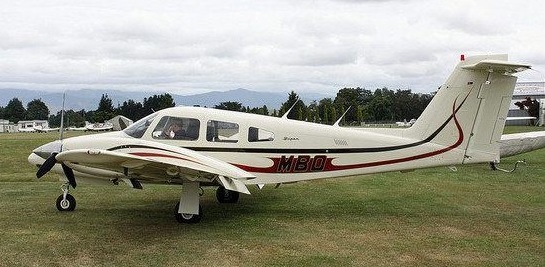
The Seminole was complemented on 24 April 1980 by a turbocharged version designated PA-44-180T Turbo Seminole with TO-360-E1AD counter-rotating engines. At 65-percent power economy cruise, the Turbo Seminole can travel at 194 mph over a distance of 920 miles burning fuel at a rate of 19 gph. Standard equipment includes a built-in oxygen system that consists of a rear-mounted bottle with easy-to-reach overhead outlets, night-lighted pressure gauge, oxygen masks, and a control-wheel mike button.
Piper’s financial troubles brought Seminole production to an end in 1990 after 469 were built. Five years later, New Piper Aircraft resumed making the entry-level twin, the only remaining T-tail aircraft in the line, and 29 were delivered over the next three years.
All were certified to FAA A19SO.
PA44-180 Seminole
Engine: 2 x Lycoming O-360-E1AD, 180 hp / 134kW
TBO: 2000 hrs
Prop: Hartzell 2 blade, constant speed 74 in
Seats: 4
Wing area: 183.8 sq.ft
Wingspan: 38 ft. 6.6 in
Overall length: 27 ft. 7.2 in
Height: 8 ft. 6 in
Wing aspect ratio: 8
Max ramp wt: 3816 lb
Max take off wt: 3800 lb
Standard empty wt: 2354 lb
Max useful load: 1462 lb
Max landing wt: 3800 lb
Baggage capacity: 200 lb
Wing loading: 20.7 lbs/sq.ft
Power loading: 10.66 lbs/hp
Max useable fuel: 648 lbs (2×208 lt tanks)
Climb rate: 1340 fpm @ 88 kt
Climb gradient: 913 ft/nm
Rate of climb @ 8000 ft: 740 fpm
Service ceiling; 17,100 ft
SE rate of climb: 217 fpm @ 88 kt
SE climb gradient: 148 f/nm
SE ceiling: 4100 ft
Vne: 202 kt
Vmca: 56 kt
Vfe: 111 kt
Vmo: 169 kt
Cruise speed 75% power: 166 kt
Cruise speed 65% power: 162 kt
Cruise @ 65% power @ 8,000ft: 155 kt
Fuel consumption 75% power: 22.4 USgph
Fuel consumption 65% power: 20.6 USgph
Fuel flow @ 65% power @ 8,000ft: 102 pph
Endurance @ 65% power @ 8,000ft: 6.1 hr
Max range (w/ res) 75% power: 790 nm
Max range (w/ res) 65% power: 850 nm
Stalling speed clean: 57 kt
Stall speed gear/flaps down: 55 kt
Turbulent air penetration speed: 133 kt
Retractable undercarriage
Takeoff distance (50′) 1,400 ft
Landing distance (50′) 1,190 ft
Takeoff ground roll: 880 ft
Landing ground roll: 383 ft
Cabin width: 41.5 in
Cabin height: 49 in
PA44-180T Turbo Seminole
Engine: 2 x Lycoming TO-360-E1A6D, 180 hp
TBO: 1800 hr
Prop: Hartzell 2 blade, constant speed 74 in
Seats: 4
Length: 27.6 ft
Height: 8.5 ft
Wingspan: 38.6 ft
Wing area: 183.8 sq.ft
Wing aspect ratio: 8
Max ramp wt: 3943 lb
Max take off wt: 3925 lb
Standard empty wt: 2430 lb
Max useful load: 1513 lb
Max landing wt: 3800 lb
Wing loading: 21.4 lbs/sq.ft
Power loading: 10.9 lbs/hp
Max useable fuel: 648 lb
Climb rate: 1290 fpm @ 88 kt
Climb gradient: 879 ft/nm
Rate of climb @ 8000 ft: 1140 fpm
Certificated ceiling; 20,000 ft
SE rate of climb: 180 fpm @ 88 kt
SE climb gradient: 123 ft/nm
SE ceiling: 12,500 ft
Max speed: 195 kt
Cruise @ 65% power @ 8,000ft: 154 kt
Cruise @ 65% pwr @ 18,000 ft: 169 kt
Fuel flow @ 65% power @ 18,000ft: 132 pph
Endurance @ 65% power @ 18,000ft: 4.7 hr
Stalling speed clean: 60 kt
Stall speed gear/flaps down: 56 kt
Turbulent air penetration speed: 133 kt
Retractable undercarriage
Takeoff distance (50′) 1,500 ft
Landing distance (50′) 1,190 ft
Piper PA-42 Cheyenne IV
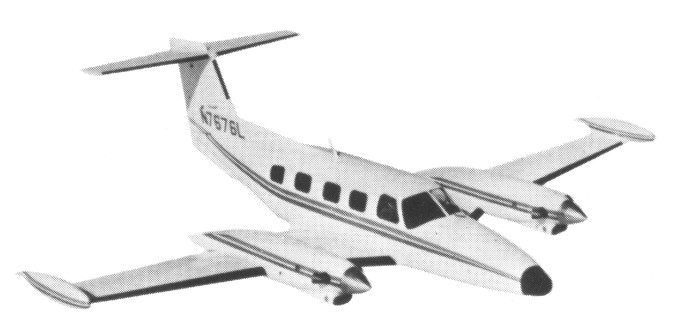
The PA42-1000 Cheyenne IV was announced in 1983 as basically a Cheyenne III with more powerful engines. In September 1983 it was renamed Cheyenne C400LS. The PA-42-1000 Cheyenne 400LS received its type certificate FAA A23SO July 13, 1984. Forty-three were built.
Keeping company with all the new commuter aircraft, the Cheyenne 400 was slightly over-weight, necessitating a 100 lb increase to take-off and landing weights – now 12,050 and 11,100 lbs respectively. In spite of the increased weight Piper engineers have lowered the full flap stall speed from 92 knots to 84 knots I.A.S. and increased the single engine rate of climb from 980 to 997 feet/minute. Piper hoped to improve the accelerate-stop and accelerate-go figures, which were 3275 feet (998 metres) and 3485 feet (1062 metres) respectively.
On 30 June 1980 Piper began production deliveries of a new version, intended as a 6/11-seat corporate or commuter transport, this Cheyenne III differs considerably from its predecessors, having a wing of increased span, lengthened fuselage, a T-tail, and more powerful Pratt & Whitney Aircraft of Canada PT6A turboprop engines installed in lengthened nacelles.
The Cheyenne III in production was complemented by the Cheyenne IIIA which differs primarily by having 634kW PT6A-61 turboprop engines flat-rated at 537kW and offering performance improvements. 149 were built.
In addition to the Cheyenne III, Piper was involved in the certification programme of a new Cheyenne IV during 1983, with two 1,227kW Garrett TPE331-14A/14B counter-rotating turboprop engines, each of them flat-rated at 746kW. Deliveries of the Cheyenne IV began in the early summer of 1984. It was one of the fastest propeller light twins, at over 644km/h.
The Cheyenne was one of the very few Piper products to remain in volume production after the company’s financial reorganisation in 1991/92. Versions on offer included the Cheyenne IIIA of which 59 had been delivered by early 1993. Nine Cheyenne IIIs delivered to the US Drug Enforcement Administration, fitted with AN/APG-66 radar and a ventral FLIR, were used for day and night time surveillance missions. They are known as Customs High Endurance Tracker (CHET) aircraft. Cheyenne IIIs are joined at the Lock Haven production line by the PA-42-1000 Cheyenne 400. Originally the Cheyenne IV, it later became the Cheyenne 400LS. Deliveries total 43.
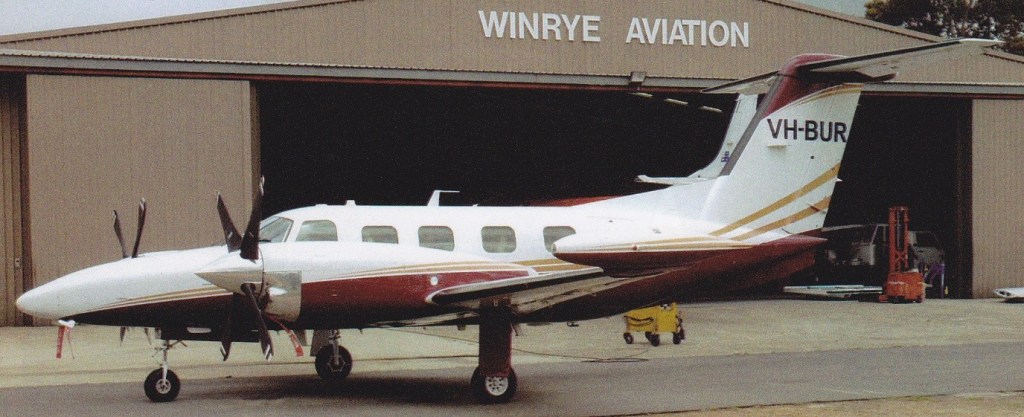
PA-42-720 Cheyenne III
First built: 1980
Engines: 2 x P&W PT6A-41, 720 shp / 537kW
Props: Hartzell 3-blade, 95-in
Seats: 9/11
Length: 13.23 m / 43 ft 5 in
Height: 14.8 ft
Wingspan: 47.7 ft
Wing area: 293 sq.ft / 27.22 sq.m
Wing aspect ratio: 7.8
Maximum ramp weight: 11,285 lb
Maximum takeoff weight: 11,200 lb / 5080 kg
Standard empty weight: 6389 lb / 2898 kg
Maximum useful load: 4896 lb
Zero-fuel weight: 9758 lb
Maximum landing weight: 10,330 lb
Wing loading: 38.2 lbs/sq.ft
Power loading: 7.8 lbs/hp
Maximum usable fuel: 3819 lb
Best rate of climb: 2236 ft
Certificated ceiling: 33,000 ft
Max pressurisation differential: 6.3 psi
8000 ft cabin alt @: 28,500 ft
Maximum single-engine rate of climb: 531 fpm @ 115 kt
Single-engine climb gradient: 277 ft/nm
Single-engine ceiling: 14,550 ft
Maximum speed: 290 kt
Normal cruise @ 28,000ft: 275 kt
Fuel flow @ normal cruise: 516 pph
Endurance at normal cruise: 6.4 hr
Stalling speed clean: 99 kt
Stalling speed gear/flaps down: 84 kt
Turbulent-air penetration speed: 174 kt
PA-42-1000 Cheyenne IV
Engines: 2 x Garrett TPE331-14, 1000shp
Prop: Dowty-Rotol, 4 blade, 106 inch dia
Length: 43.4 ft
Height: 16.4 ft
Wingspan: 47.7 ft
Wing Area: 293 sq.ft
Wing Aspect Ratio: 7.82
Standard Empty Weight: 7,546 lb
Max Ramp Weight: 12,135 lb
MTOW: 11,950 lb/12,050 lb
MLW: 11,100 lb
Max Zero fuel wt: 9600 lb
Std useful load: 4985 lb
Wing Loading: 41.1 lbs/sq.ft
Power Loading: 6 lbs/hp
Max Usable Fuel: 3,819 lb
Max cruise 25,000ft: 351 kt (404 mph)
Max cruise 30,000ft: 349 kt (402 mph)
Max cruise 35,000ft: 341 kt (392 mph)
Max cruise 41,000ft: 302 kt (348 mph)
Max range @ 39,000 ft with 45 min res) 8 pax: 1400nm
Max range @ 39,000 ft with 45 min res) 2 pax: 2240 nm
ROC: 3242 fpm
SE ROC: 980 fpm
SE Best-rate of-climb Airspeed: 125 kt
SE Climb Gradient: 479 ft/nm
SE Ceiling: 27,000 ft
TO dist 50 ft: 1930 ft
Ldg dist 50 ft: 2780 ft
Acc-stop dist: 2840 ft
Seats: 7/9
Ceiling (Certificated): 41,000 ft
Max Pressurization Differential: 7.5 psi
8,000 Foot Cabin Altitude At: 35,000 ft
SE Rate Of Climb: 997 fpm
Normal Cruise At 35,000 Feet: 334 kt
Fuel Flow At Normal Cruise: 600 pph
Endurance At Normal Cruise: 4.1 hr
Stalling Speed, Clean: 93 kt
Stalling Speed, Flaps/Gear Down: 84 kt
Turbulent air Penetration Speed: 195 kt
Piper PA-41 Cheyenne 400LS
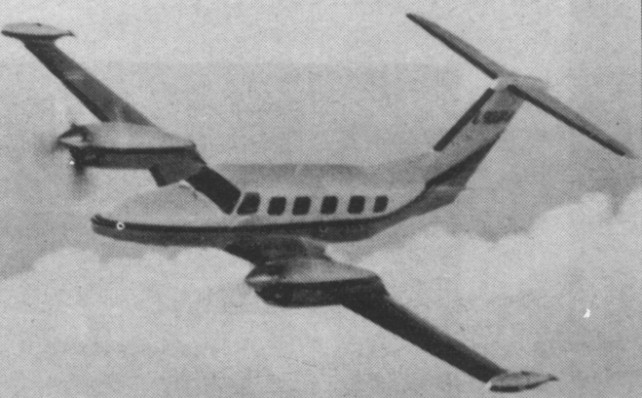
Piper designed this Cheyenne model in the early 1980s to compete with the pro¬posed King Air 350, but ran out of money for development and certified it to lower weight and speed than its ultimate capability. Only 45 were made between 1984 and 1991, although a handful more came out of the Piper factory for Lufthansa trainers.
The PA-41 differs from other, Chieftain-based, Cheyennes with a new airframe and pair of 1000 shp Garrett TPE 331-14-801 big block engines. Counter-rotating Dowty Rotol composite propellers of 106 in diameter transfer the power to the air, giving the 400LS more speed and range than some small jets, with those capabilities being given more weight than large numbers of passengers.
Engines: 2 x Garrett TPE 331-14-801, 1000 shp
Econ cruise: 300 kt
Piper PA-40 Arapaho
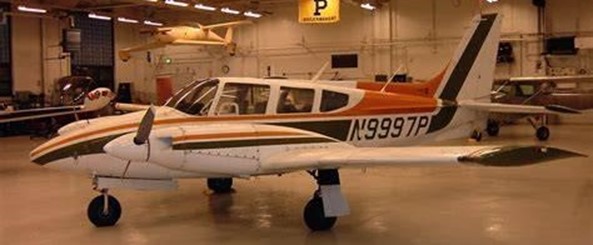
The Piper PA-40 Arapaho twin-engined cabin monoplane designed by Piper as a replacement for the PA-39 Twin Comanche C/R. The Arapaho was similar in size to the Twin Comanche and had six seats but had a taller main landing gear and larger cabin windows. It had two counter-rotating 160 hp Lycoming IO-320 engines.
The prototype was damaged in June 1972 when the factory at Lock Haven, Pennsylvania, flooded and the prototype, registered N9999P, did not fly until 16 January 1973. It crashed on 21 September 1973 during spin trials when the anti-spin drag chute failed to deploy, and the aircraft was redesigned with a taller tailfin. The second modified prototype with normally aspirated engines first flew in April 1974 and was followed by a third aircraft with turbocharged engines.
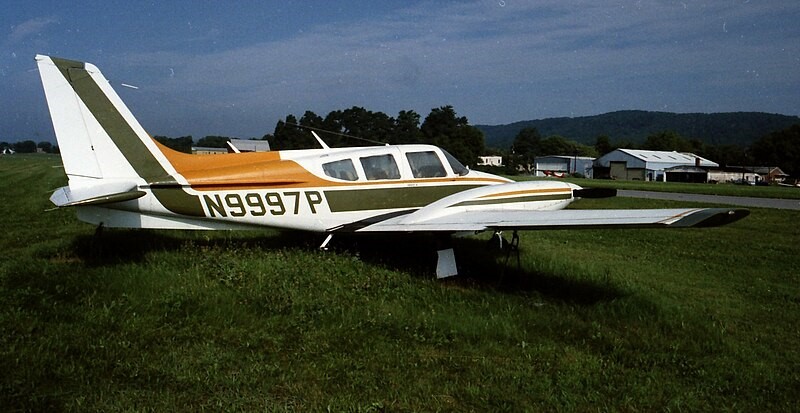
The PA-40 was type certified on 18 July 1974, as an amendment to the Twin Comanche type certificate. The Arapaho was scheduled to be launched as a 1975 model, but the company decided not to market the aircraft and the project was cancelled in December 1974. Piper stated that the cancellation was for financial reasons as it did not want to establish a new production line during the 1973–1975 recession.
Following cancellation the two aircraft were used by Piper as company liaison and communication aircraft, one based at Lock Haven, the other at Lakeland, Florida. Later, one aircraft was scrapped by Piper and the third, registered N9997P, was privately owned in Texas, following use by the Purdue University student maintenance program.
28-May-21 Barnstormers advert:
This is the only remaining Piper PA-40 Arapaho out of 3 built. Extensive mechanical restoration completed. (15 SMOH) Original paint and interior. It was rescued from Purdue University in 2018 and is in airworthy condition. Please review the Specs Page for the extensive amount of work that has been completed and other details before calling with any questions. Delivery available. We are taking offers now and will be showing it publicly for the first time at Oshkosh 2021. This is probably the only one of a kind Piper aircraft that is still flyable and airworthy.
**
From the specs page:
1974 Piper PA-40 Arapaho
1270 Total Time Airframe/Engine
15 SMOH both engines and propellers in 2018
Lycoming (L)IO-320-B1A
Condition Inspection due August 2021
Original Engines Installed
Original Airframe and Engine Logbooks
History
The PA-40 Arapaho was designed to be the follow-on aircraft to the PA-39 Twin-Commanche.
The Arapaho differences include leading edge cuffs both inside and outside both nacelles which lower Vmc and stall speeds by approximately 10-15 kts., a single 60 gallon bladder in each wing, 6 inch taller main landing gear, a completely redesigned hydraulic landing gear operating system, strakes on both sides of the rear fuselage as well as above and below the rear fuselage, a redesigned windshield that extends further rearward at the top of the fuselage, redesigned dual pane side windows, as well as other minor changes.
The aircraft has similar cruise speeds to a PA-39 but much lower approach speeds as well as much better pitch authority in the flare which contributes to much nicer landing characteristics.
This aircraft is serial number 3 and is the last remaining Arapaho out of 3 built.
PA-40 Arapaho
1973
Engines: two 160hp Lycoming IO-320
Wing span: 36’5″
Length: 25’2″
Useful load: 1460 lb
Max speed: 201 mph
Cruise: 181 mpj
Stall: 69 mph
Range: 1115 mi
Seats: 6

