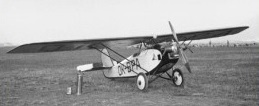
The 1930 Racek PB-4 was designed by Přikryl and Blecha of Czechoslovakia.
The 1930 Racek PB-4 was designed by Přikryl and Blecha of Czechoslovakia.
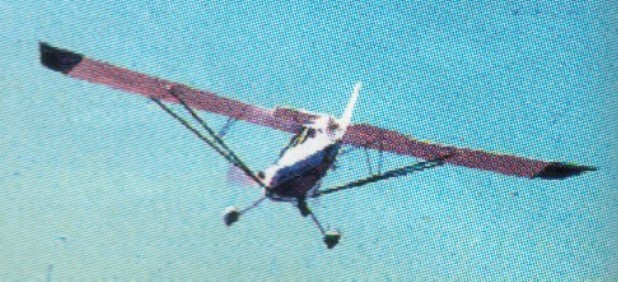
Ed Fishers “Skylite” Ultralight gained a lot of attention, winning Grand Champion Ultralight at Oshkosh in 1991. Under the name of Raceair, plans and components were developed and marketed for the Skylite. Green Sky Adventures, Inc added some Raceair items to its product line shortly thereafter.
Speed max: 60 mph. Cruise: 47 mph. Range: 90 sm. Stall: 27 mph. ROC: 400 fpm. Take-off dist: 400 ft. Landing dist: 600 ft. Service ceiling: 9,000 ft. Engine: Rotax 277, 28 hp. HP range: 28-50. Fuel cap: 5 USG. Weight empty: 240 lbs. Gross: 520 lbs. Height: 6.83 ft. Length: 17.5 ft. Wing span: 29.16 ft. Wing area: 117 sq.ft. Seats: 1. Landing gear: nose wheel.
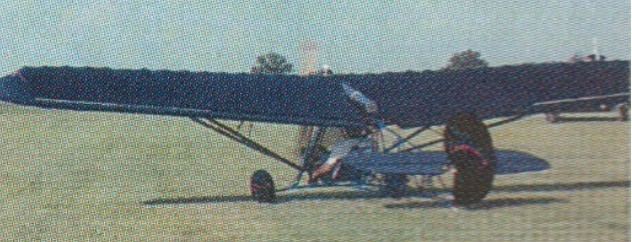
Designed by Ed Fisher.
Engine: Rotax 277, 28 hp
HP range: 25-40
Height: 5 ft
Length: 15.75 ft
Wing span: 27 ft
Wing area: 145 sq.ft
Weight empty: 235 lb
Gross: 500 lb
Fuel cap: 5 USG
Speed max: 50 mph
Cruise: 40 mph
Range: 120 sm
Stall: 27 mph
ROC: 500 fpm
Take-off dist: 300 ft
Landing dist: 300 ft
Service ceiling: 8,000 ft
Seats: 1
Landing gear: tail wheel
The Raache LR-1 or Honroth Special of 1947 was a single-place cabin, low wing monoplane, NX/N5595N, powered by a Continental engine.
In its first Goodyear competition, when rounding the first pylon, this racer twisted its frame so badly it limped in and was immediately retired from flying.
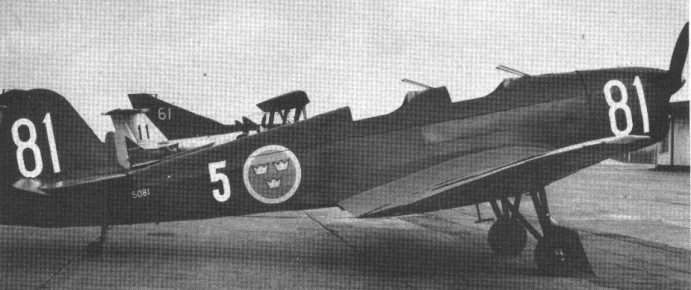
First product was Schwalbe two-seat training biplane with Siemens engine.
Twenty five were operated by the Swedish Flygvapnet as trainers.
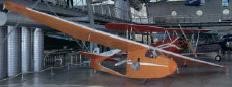
The Raab Krähe (English: crow) is a West German high-wing, single-seat, pusher configuration motor glider that was designed by Fritz Raab for amateur construction. The Krähe first flew in 1957, shortly after powered flight was again permitted in the Federal Republic of Germany. The most widespread problem was that engines proved unreliable when restarted in flight after being switched off for lengthy periods. Inevitably, there was a great deal of trial and error, and the Krähe was fitted with engines from various manufacturers. The aircraft was never commercially manufactured.
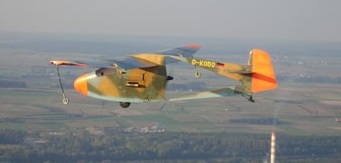
The Krähe is constructed from wood, with the fuselage made from a wooden structure covered in doped aircraft fabric. The 12.0 m (39.4 ft) span wings are built with a wooden structure and covered in plywood and fabric. The wings feature spoilers and a custom Raab-designed airfoil. The tailplane is braced with four cables to the wing trailing edge. The landing gear is a fixed monowheel.
The engine is mounted in the rear of the cabin area, with the propeller in between the top and bottom tail boom tubes. Motors used are usually of an output of about 30 hp (22 kW).
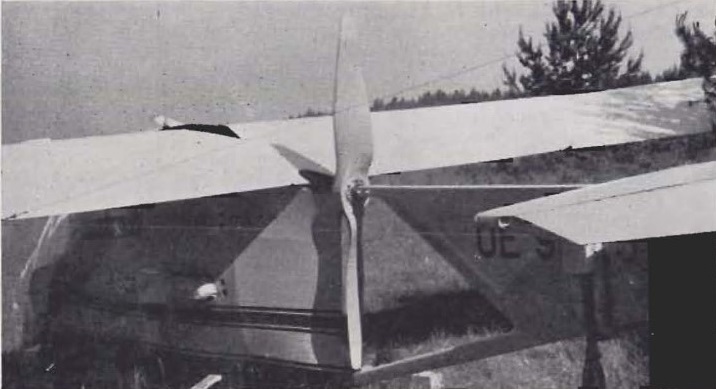
Raab designed the Krähe specifically for homebuilders. About 30 examples were reported completed by 1974.
Variants:
Krähe
Initial model with monowheel landing gear and propeller in between top and bottom tail boom tubes.
Austria Krähe
Later model with tricycle landing gear and propeller rotating around the upper tail boom tube.
Krähe
Engine: 1 × Steyr , 20 kW (27 hp)
Propeller: 2-bladed wooden fixed pitch
Wingspan: 12 m (39 ft 4 in)
Wing area: 14.3 m2 (154 sq ft)
Aspect ratio: 10:1
Airfoil: Raab
Empty weight: 238 kg (525 lb)
Gross weight: 333 kg (735 lb)
Fuel capacity: 8 U.S. gallons (30 L; 6.7 imp gal)
Fuel burn: 1.2 U.S. gallons (4.5 L; 1.00 imp gal) per hour
Wing loading: 23.3 kg/m2 (4.77 lb/sq ft)
Cruise speed: 121 km/h (75 mph, 65 kn)
Endurance: 10 hours loiter
Maximum glide ratio: 18-20:1 at 77 km/h (48 mph)
Rate of sink: 1.2 m/s (240 ft/min) at 68 km/h (42 mph)
Crew: one
Krähe IV
Engine: Hirth F 10, 19 kW
Wingspan: 12.0 m
Take-off weight: 340 kg
Best glide ratio: 20 : 1 at 78 km/h
Minimum sink rate: 1 m/s at 65 km/h
Maximum rate of climb: 1.7 m/s
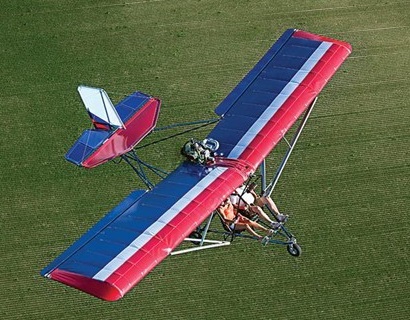
One of the most successful wide-open-airplane manufacturers is Temecula, California-based Quicksilver. Until now, Quicksilver has offered its products only as ultralights, which are restricted to one seat, or with Experimental airworthiness certificates, which means you would have to build one, trust someone else to build one properly or join a flying club to fly one. The Experimental category also makes it difficult to obtain training.
Around 2011, Escutia, a Mexican national who shares his time between his home in Guadalahara, Mexico, and Temecula, took over the operation. Escutia felt that the amateur-built category was a barrier to sales, so he embarked on a journey to bring the 2S to LSA certification. About 18 months later, he had the first light-sport airworthiness certificate for the S2SE in hand.
In 2014 Quicksilver achieved the special category light-sport aircraft (S-LSA) certification from the FAA for its Sport 2SE, the slightly modified, factory-made version of the experimental Sport 2S.
The Quicksilver Sport 2SE is a two-seat open cockpit airplane constructed of aluminum tubes and double-side sailcloth. The airframe has been tested to load factors of plus-6 and minus-3 G, though not under FAA as part of any certification program. The S2SE is powered by a 65-horsepower Rotax 582 engine and Warp Drive three-blade carbon fiber 72-inch propeller — a prop that had previously not achieved an LSA sign-off. Fuel burn is 5.6 gph at 75 percent power.and cruise around 45 mph. The S2SE was approved for production in May 2014 and the retail price was set at $39,999.
The parts for the S2SE are organized into vacuum wrapped packages, just like those of amateur-built kits, making the assembly process streamlined. The initial assembly of the S-LSA happens in a small space at the back of the factory where the fuselage parts are put together. The final assembly is completed at the French Valley Airport. Once the structure is complete, the large double-side wing covers are pulled over the wing framework like a jacket. The whole process takes about seven weeks, including the flight testing.
The Sport 2SE has tricycle gear and the pilot and passenger sit in a side-by-side arrangement. The airplane has dual throttles and dual rudder pedals, and there is an airspeed indicator and altimeter located between the two sets of pedals. Engine instruments are in a digital box on a crossbar above the seats.
The S2SE flies mostly like any other airplane. Push forward on the throttle and you get more power. Pull back on the stick and you climb or slow down. Push forward and you descend or pick up speed. The airplane moves in the direction of the rudder pedal you step on or the direction you move the stick.
The offices and main production plant are in an industrial mall in Temecula, where most of the ¬airplanes’ components are cut, shaped and welded, and the sailcloth for the wings is cut and sown by hand. The factory assembled two-seat LSA was ready to be delivered to customers through three facilities in Temecula, California, Reserve, Louisiana, and Rochester, Minnesota, most notably to a Chinese university for which the Chinese government ordered 77 units.
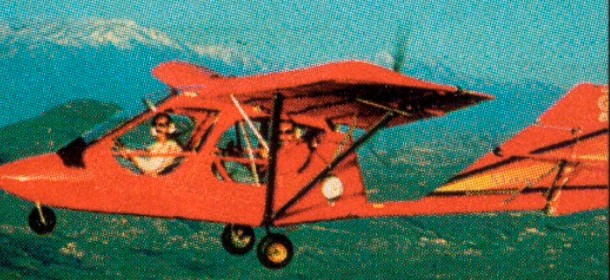
The GT-500 development program was started with the goal of producing the best performing Quicksilver ever, and an aircraft that would transcend the category of ultralight & provide general aviation with the entry level aircraft it desperately needed. The focus was on more speed, better aerodynamics, and a greater range using CAD/CAM design & engineering techniques.
During the certification process of the GT 500 the original Quicksilver company went bankrupt.
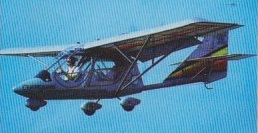
The first Sport Airplane in the world to receive FAA certification in the Sportplane class of the Primary category, the GT-500 has dual three-axis controls. The GT-500 cruises from 55-80 mph, with a top speed of around 90 mph. The inflight adjustable trim & 3 position flaps allow for positive slow flight and gentle stall at about 39 mph. Only approximately 140 feet is needed for the take-off roll.
Standard features include:
Steerable Nose Wheel
3 Blade Carbon Fiber Propeller with Ground Adjustable Pitch
Full Size Shock Mounted Instrument Panel w/ Keyed Ignition Switch, Remote Choke, & 8 Instruments: Tachometer, Temperature Gauge, Hobbs Meter, Compass, Altimeter, Vertical Speed Indicator (VSI), Front & Rear Seat Airspeed Indicators (R912UL Version Also Includes Oil Temperature &Oil Pressure Gauges)
Parking Brake
Hydraulic Main Wheel Disk Brakes
Double Surface Wings
Extra Ribs for Firm Airfoil
Tapered Wing
Adjustable Pilot Seats
Front & Rear Seat Shoulder Harnesses
Removable Doors: Can be Flown with the Doors On or Off
The GT500 Agricultural Spray System is for aerial crop spraying. Tests and real world results show the Quicksilver Spray System provides excellent coverage.
The Quicksilver GT500 performs with a spraying speed of 65 m.p.h. covering an average of 6 acres (2.5 hectares) per minute and extremely short take-off and landing distances.
Engine: Rotax 582/40 Dual CDI, 65 hp
Recommended TBO: 250 hrs
Propeller: 3 Blade, Carbon Fiber 72 in dia
Pitch: 17 to 19 degrees-LH
Length: 20′ 5″
Height: 6′ 6″
Wingspan: 30′ 0″
Wing Area: 155 sg. ft.
Wing Loading: 6.45 lb./sq.ft.
Power Loading: 15.38 lb./hp.
Seats: 2
Empty Weight: 575 lbs.
Max. Take-off Weight: 1000 lbs.
Useful Load: 425 lbs.
Payload w/Full Fuel: 329 lbs.
Fuel Capacity: 16 U.S. gal.
Ultimate Load Factors: +6.0 g., -3.0g.
Take-off Distance, Ground Roll: 220 ft.
Take-off Distance, 50 ft. Obstacle: 689 ft.
Rate of Climb, Sea Level 1000 lbs. Take-off Weight: 650 fpm.
Max. Level Flight Speed w/out Doors: 81 mph.
Max. Level Flight Speed with Doors: 88 mph.
Landing Distance, 50 ft. Obstacle: 580 ft.
Landing Distance, Ground Roll: 260 ft.
Glide Ratio (w/out doors): 7.0:1
Glide Ratio (w doors): 7.5:1
Minimum Sink Rate (w/out doors): 570 ft/min
Minimum Sink Rate (w doors): 540 ft/min
Service Ceiling: 12,500 ft.
Cruise 55% Power (5300 rpm): 71 mph.
Cruise 65% Power (5600 rpm): 75 mph.
Cruise 75% Power (5900 rpm): 79 mph.
Cruise 100% Power (6500 rpm): 87 mph.
Fuel flow/range 55% Power (gph/mi): 4.5/240
Fuel flow/range 65% Power (gph/mi): 5.0/225
Fuel flow/range 75% Power (gph/mi): 5.6/215
Fuel flow/range 100% Power (gph/mi): 7.5/175
Vx (Best angle of climb): 47 mph.
Vy (Best rate of climb): 55 mph.
Va (Design maneuvering): 90 mph.
Vne (Never exceed): 103 mph.
Vs1 (Stall, fLaps up, power off): 45 mph.
Vs0 (Stall, flaps down, power off): 39 mph.
Landing Approach Speed: 51 mph.
Cockpit width: 29 in
Engine: Rotax R912UL 80 hp
Recommended TBO: 1000 hrs
Propeller: 3 Blade, Carbon Fiber 72 in dia
Pitch: 17 to 19 degrees-LH
Length: 20′ 5″
Height: 6′ 6″
Wingspan: 30′ 0″
Wing Area: 155 sg. ft.
Wing Loading: 7.09 lb./sq.ft.
Power Loading: 13.75 lb./hp.
Seats: 2
Empty Weight: 638 lbs.
Max. Take-off Weight: 1100 lbs.
Useful Load: 462 lbs.
Payload w/Full Fuel: 366 lbs.
Fuel Capacity: 16 U.S. gal.
Ultimate Load Factors: +6.0 g., -3.0g.
Take-off Distance, Ground Roll: 244 ft.
Take-off Distance, 50 ft. Obstacle: 621 ft.
Rate of Climb, Sea Level 1000 lbs. Take-off Weight: 655 fpm.
Max. Level Flight Speed w/out Doors: 88 mph.
Max. Level Flight Speed with Doors: 91 mph.
Landing Distance, 50 ft. Obstacle: 905 ft.
Landing Distance, Ground Roll: 390 ft.
Glide Ratio (w/out doors): 6.5:1
Glide Ratio (w doors): 7.0:1
Minimum Sink Rate (w/out doors): 584 ft/min
Minimum Sink Rate (w doors): 555 ft/min
Service Ceiling: 12,500 ft.
Cruise with/without doors 55% Power (4500 rpm): 70 mph / 75 mph.
Cruise with/without doors 65% Power (4800 rpm): 75 mph / 79 mph.
Cruise with/without doors 75% Power (5000 rpm): 78 mph / 83 mph.
Cruise with/without doors 100% Power (5500 rpm): 86 mph / 91 mph.
Fuel flow/range 55% Power (gph/mi): 3.7/300
Fuel flow/range 65% Power (gph/mi): 4.3/280
Fuel flow/range 75% Power (gph/mi): 4.9/270
Fuel flow/range 100% Power (gph/mi): 6.3/215
Vx (Best angle of climb): 50 mph.
Vy (Best rate of climb): 58 mph.
Va (Design maneuvering): 94 mph.
Vne (Never exceed): 103 mph.
Vs1 (Stall, fLaps up, power off): 47 mph.
Vs0 (Stall, flaps down, power off): 42 mph.
Landing Approach Speed: 55 mph.
Cockpit width: 29 in
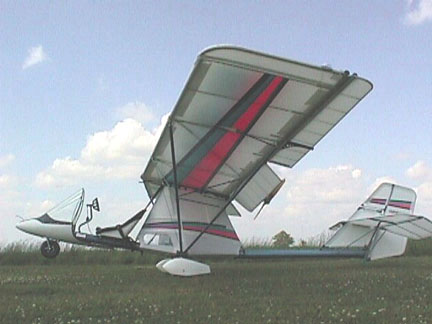
The GT400S was originally known as the X-2 and later Esprit.
The GT 400 was the first certified ultralight type one seat aircraft in the USA. The kit is true assembly style.
Features include;
Spring loaded steerable nose wheel
Four position flaps
58 mph cruise
Airspeed indicator
Quick set-up and breakdown
Adjustable pilot seat
Delivered in easy-to-assemble-kit
Optional 50 hp 503 Rotax engine.
The GT 400 Special Edition has a GT 400 R447B kit, small nose fairing and windshield, and removable 5 USgallon fuel tank
Standard configuration-strut braced wing
Engine: Rotax 447 w/Gear drive, 40 hp
TBO: 250 hrs
Propeller: 60″ x 32″
Fuel Capacity: 5 gal
Length: 237 in
Height: 78 in
Wingspan: 30 ft
Wing area: 146 sq ft
Wing loading: 3.9 lb/sq ft
Power loading: 14.25 lb/hp
Seats: 1
Max takeoff weight: 570 lbs
Empty weight: 276 lb
Useful load: 294 lb
Payload w/full fuel: 264 lb
Takeoff distance, ground roll: 75 ft
Takeoff distance, 50 ft obstacle: 215 ft
Rate of climb: 1000 fpm
Max level speed, sea level: 61 mph
Landing distance, 50 ft obstacle: 350 ft
Landing distance, ground roll: 100 ft
Glide Ratio: 7:1
Minimum sink rate: 450 fpm
Cruise 55% power (rpm/mph): 5300/51
Cruise 65% power (rpm/mph): 5600/55
Cruise 75% power (rpm/mph): 5900/58
Cruise 100% power (rpm/mph): 6500/61
Fuel flow 55% power (gpm/mi): 3.0/85
Fuel flow 65% power (gpm/mi): 3.5/78
Fuel flow 75% power (gpm/mi): 4.0/72
Fuel flow 100% power (gpm/mi): 4.5/67
Vx (Best angle of climb): 32 mph
Vy (Best rate of climb): 41 mph
Va (Design maneuvering): 61 mph
Vne (Never exceed): 74 mph
Vs1 (Stall, power off): 29 mph
Vs0 (Stall, flaps down, power off): 27 mph
Landing approach speed: 40 mph
Cockpit width: 29 in
Optional configuration-strut braced wing
Engine: Rotax 503 w/Gear drive, 50 hp
TBO: 250 hrs
Propeller: 68″ x 32″
Fuel Capacity: 5 gal
Length: 238 in
Height: 78 in
Wingspan: 30 ft
Wing area: 146 sq ft
Wing loading: 3.9 lb/sq ft
Power loading: 11.4 lb/hp
Seats: 1
Max takeoff weight: 570 lb
Empty weight: 306 lb
Useful load: 264 lb
Payload w/full fuel: 234 lb
Takeoff distance, ground roll: 65 ft
Takeoff distance, 50 ft obstacle: 169 ft
Rate of climb: 1450 fpm
Max level speed, sea level: 78 mph
Landing distance, 50 ft obstacle: 350 ft
Landing distance, ground roll: 100 ft
Glide Ratio: 7.5:1
Minimum sink rate: 450 fpm
Cruise 55% power (rpm/mph): 5300/64
Cruise 65% power (rpm/mph): 5600/68
Cruise 75% power (rpm/mph): 5900/72
Cruise 100% power (rpm/mph): 6500/78
Fuel flow 55% power (gph/mi): 3.67/87
Fuel flow 65% power (gph/mi): 4.33/79
Fuel flow 75% power (gph/mi): 5.00/72
Fuel flow 100% power (gph/mi): 6.67/58
Vx (Best angle of climb): 32 mph
Vy (Best rate of climb): 41 mph
Va (Design maneuvering): 61 mph
Vne (Never exceed): 74 mph
Vs1 (Stall, power off): 29 mph
Vs0 (Stall, flaps down, power off): 27 mph
Landing approach speed: 40 mph
Cockpit width: 29 in
Quicksilver Mfg GT-400
Engine: Rotax 447, 40 hp
HP range: 40-50
Height: 6.75 ft
Length: 19.75 ft
Wing span: 30 ft
Wing area: 146 sq.ft
Weight empty: 276 lb
Gross: 570 lb
Fuel cap: 5 USG
Speed max: 61 mph
Cruise: 58 mph
Range: 78 sm
Stall: 27 mph
ROC: 1000 fpm
Take-off dist: 80 ft
Landing dist: 100 ft
Service ceiling: 12,000 ft
Seats: 1
Landing gear: nose wheel
Cockpit width: 29 in
GT400S
Engine: Rotax 503, 46 hp
Wing span: 9.14m
Length: 6.2m
Empty wt: 126 kg
MAUW: 236 kg
Range: 80 km
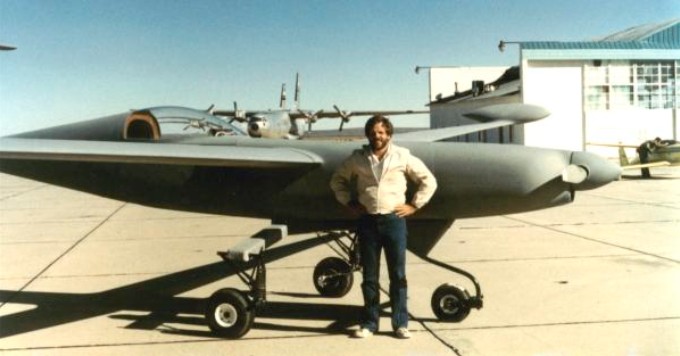
Himself an aeronautical engineer, Jewett designed, and the Quickie Aircraft shop staff started building, an airplane called Big Bird in which Jewett intended to break the absolute distance record for un-refueled airplanes, set in 1962 at 12,519 miles by a B-52. Burt Rutan thought ill of the design, and after he fell out with Jewett and Sheehan, the principals of Quickie Aircraft and RAF repeatedly sniped at each other in unseemly ways on the ramp at Mojave and in the aviation press.
After a hostile encounter on the airport camp with Jewett and Sheehan, Dick Rutan proposed to Burt that they do Jewett one better and build an airplane that could fly un-refuelled all the way around the world. The Rutan brothers soon made a public announcement of their goal, reducing Big Bird to insignificance even before it had flown. Stung, Jewett quickly announced the same goal for Big Bird — which he rechristened Free Enterprise [N82X] — though his airplane was not really equal to the task. Mike Huffman was brought to Mojave by Quickie to help finish the design and construction. His contributions included the unique landing gear dolly, which was designed to be jettisoned after the airplane took off on its record-attempting flight. At the completion of the flight, the airplane was to be landed on a wooden skid on the bottom of the aircraft.
Big Bird was an updated version of the concept used by Jim Bede’s BD-2 Love One, also designed for a global flight: both aircraft use modified sailplane wings, but Big Bird is rather smaller and less powerful than the BD-2.
Quickie’s aircraft was based on the bonded-aluminium wings of a Laister Nugget sailplane, modified with tip and integral fuel tanks and mated to a new glassfibre/foam fuselage and T-tail.
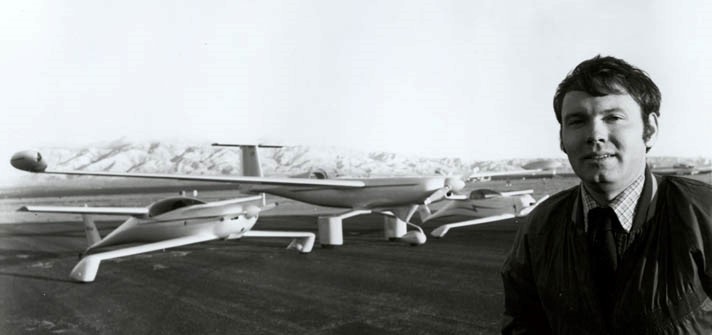
Powered by a Polish-built Pezetel-Franklin 135 horsepower PZL-F 4A-235 four-cylinder engine, but designed to carry only one person – the pilot – the plane featured a full autopilot system, a specially developed S-Tec AFCS with a three-axis alarm system to warn of excursions from track, with alarms that enabled the pilot to sleep for short periods, while being supplied oxygen from a cryogenic liquid oxygen, rather than the typical gaseous oxygen. Jewett planned to carry 10 gallons of drinking water and follow a low-residue diet similar to that used by astronauts.
The “Big Bird” carried 350 gallons of fuel, and the planned world flight was slated to both begin & end in Houston, Texas. A lightweight Litton Omega/VLF navigation system and lightweight weather warning equipment were also installed, helping the plane cruise at 24,000 feet at 175 knots.
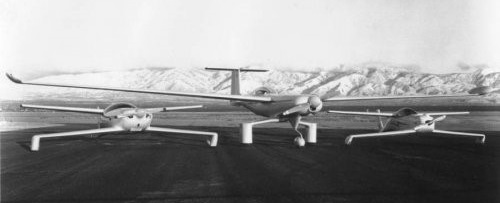
On July 2nd, 1982, Tom Jewett took “Big Bird” on a test flight. But immediately after takeoff, Jewett radioed the chase plane that he had some minor problem & was going to land. After turning final, about 200 feet above the ground, he reported “Something broke, I’m going in…” and the aircraft crashed at a slight nose down attitude a half mile short of the end of the runway.
The NTSB investigation found that the continuity of flight control was established & no evidence of preimpact flight control was evident. Unfortunately, there were no drawings or design data available for the aircraft, and its fuselage & empennage had not been static tested.
The investigators also concluded that a break at the rear of the cockpit appeared to be in an area of poor design and the composite structure behind the cockpit rails looked questionable in its cross-sectional area to handle the bending loads in this area. The NTSB determined that an in-flight separation of the fuselage at the rear of the cockpit by as much as a single inch could have placed the stabilizer in a three-degree nose up pitch angle rendering the elevator insufficient to hold the nose up.

