
The Ruby Monoplane was built in 1914, with a pusher propeller.
The Ruby Monoplane was built in 1914, with a pusher propeller.
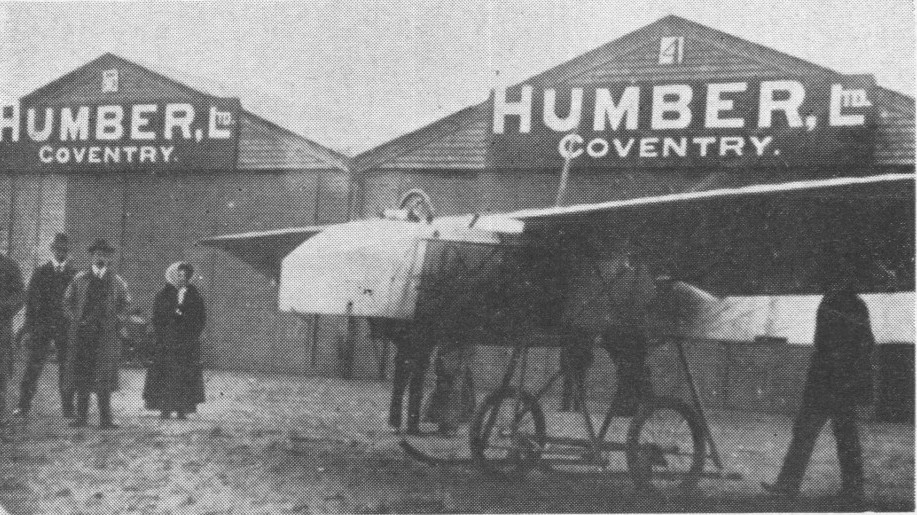
Edward and Henry Petre, both famous pilots, built this monoplane, with a propeller behind its tail, in 1909.
It did not fly.
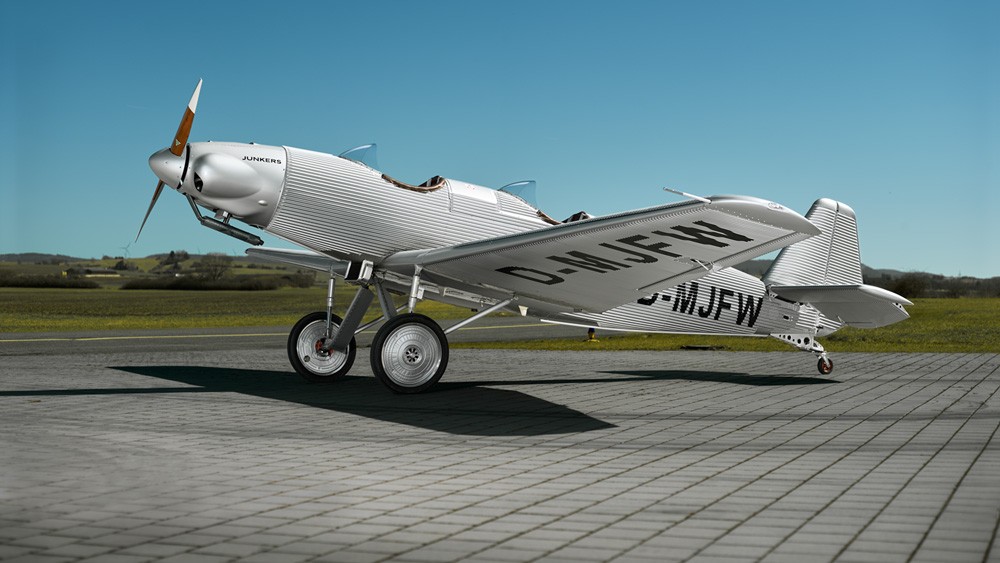
The Junkers Aircraft A50 Junior is a sleek, light sport two-seater that merges the pioneering spirit and flair of the 1930s with the very latest aviation technology and safety.
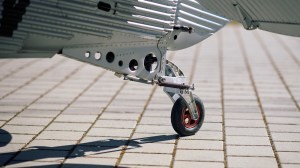
Inspired by the A50 Junior that first took flight back in 1929, this reborn, reimagined successor features the signature corrugated, lightweight aluminum skin, oval fuselage cross-section, twin-blade wooden propeller, and even the spoked wheels of the iconic original.
It’s a brand-new, fully certified model, handcrafted by Junkers Aircraft GmbH in Oberndorf, Germany.
Powering the A50 Junior is the proven and ultra-dependable, Rotax 912iS fuel-injected, 4-cylinder engine producing 100 hp.
It gives the lightweight, 1,323-pound (827 pounds empty) A50 a top speed of 112 knots and relaxed cruising at 84, coupled with an impressive fuel economy. With its 27-gallon (US) tank full, the A50 has a range of over 770 miles, sipping fuel at the rate of just four gallons an hour.
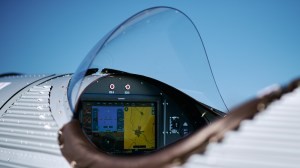
Built-in safety comes from the stiffness and rigidity of the fuselage, the integrated Galaxy ballistic parachute rescue system, Beringer brakes, and the latest Garmin G3X avionics with a 10.6-inch pilot touchscreen for advanced navigation.
It takes over 2,500 hours it takes to build one, to the more than 1,000 hand-built components—98 percent of which are crafted in-house—to the over 10,000 hand-applied rivets used in construction.
Like the 1929 original, the A50 Junior is defined by its streamlined, corrugated aluminum skin, designed to provide strength and rigidity while giving the aircraft a truly unique look.
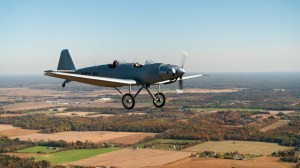
The twin cockpit layout puts the pilot in the rear and the co-pilot up front, with rounded, frameless windshields for protection. Each cockpit features hand-stitched leather trim for comfort and style, while to personalize each A50 Junior, there’s a choice of six distinctive, art deco–style exterior colors. Everything from white aluminum, to carrara white, to bold saffron yellow and papaya metallic, to cool frozen blue and black metallic. Flying goggles and a leather helmet are custom to the pilot.
For true authenticity, JUNKERS also offers an A50 Heritage model, powered by a 124 hp Verner Scarlett 7U radial engine with old-school analog gauges. It comes standard as a single seater, with the option of a second seat up front.
Since the launch of this new A50 Junior in 2022, production has been centered on JUNKERS’ main facility in the heart of Germany’s Black Forest. But that was about to change with the opening of the company’s new manufacturing space in Battle Creek, Michigan.
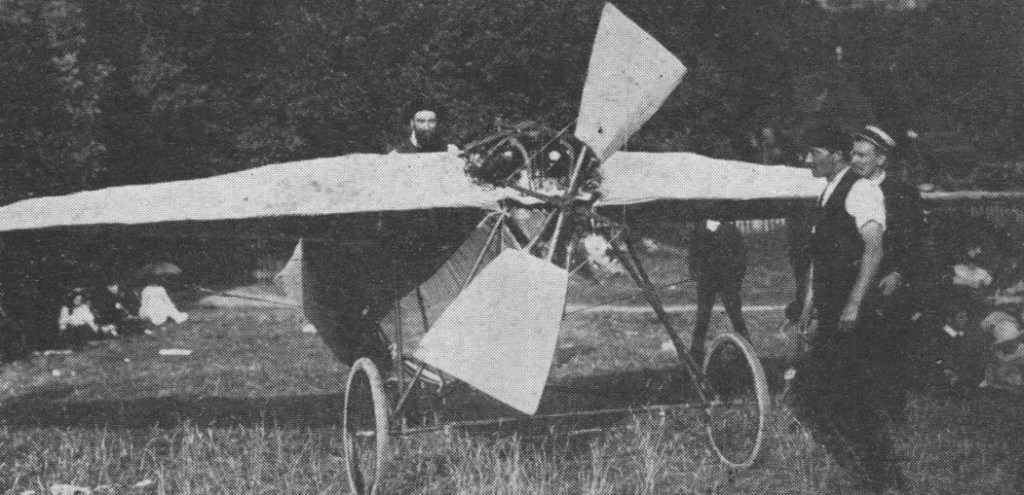
Bellamy’s later tailless monoplane, tested at Petersham Meadows in August 1908 did not fly, but taxied quite quickly along the ground.

In the late 1930s, Belgian aircraft maker Constructions Aéronautiques G. Renard developed the R.35, a sleek, pressurised airliner built for long-distance travel. Designed to serve SABENA’s route to the Belgian Congo, the R.35 featured a low-wing monoplane layout with three engines and retractable landing gear.

Alfred Renard initiated the design in 1935. SABENA requested a three-engine configuration, prompting a metal monoplane that could seat 20 passengers in a pressurised cabin. On April 3, 1936, an order for a single prototype was confirmed. Though compatible with more powerful engines, the prototype used less powerful Gnome-Rhône 9Ks.
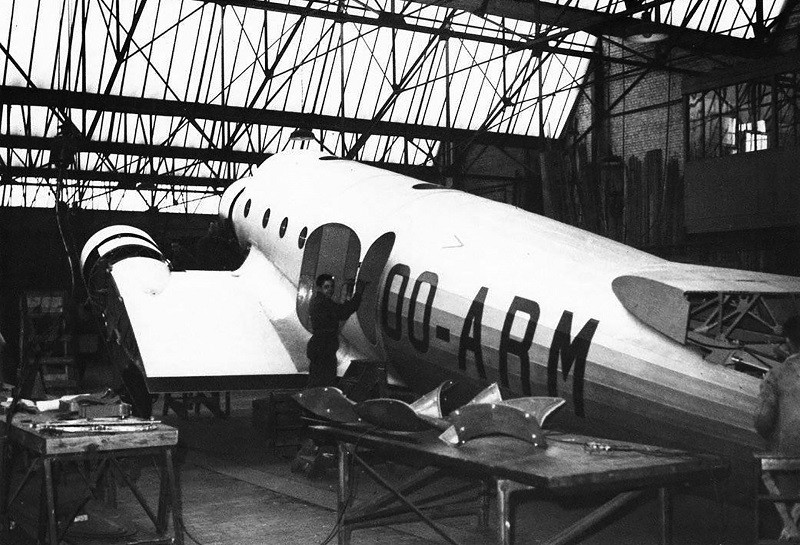
By early 1938, the R.35 was ready for testing. On April 1, it stood on Evere airfield, poised for high-speed taxi trials before a crowd of VIPs and journalists. After one ground run, it unexpectedly lifted off during the second. The pilot, Georges Van Damme, tried to complete a circuit, but the aircraft dove suddenly and crashed, killing Van Damme.
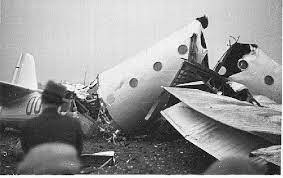
With the cause undetermined, SABENA withdrew its support, and the R.35 project was abandoned.

Powerplant: 3 × Gnome-Rhône 9K, 560 kW (750 hp) each
Wingspan: 25.50 m (83 ft 8 in)
Length: 17.50 m (57 ft 5 in)
Wing area: 87 m2 (940 sq ft)
Height: 5.50 m (18 ft 1 in)
Empty weight: 6,100 kg (13,448 lb)
Max takeoff weight: 10,500 kg (23,149 lb)
Capacity: 20 passengers or 2,000 kg (4,400 lb)
Crew: 3 (2 pilots and radio operator)
Maximum speed: 435 km/h (270 mph, 235 kn) at 5,000 ft (1,500 m)
Cruise speed: 350 km/h (220 mph, 190 kn)
Range: 1,800 km (1,100 mi, 970 nmi)
Service ceiling: 9,000 m (30,000 ft)


A red, white and blue built by Schmutz in 1904.

The company’s Midnight flagship air taxi broke cover in November 2022, sporting 12 rotors mounted along its wings – six dual-blade types at the rear locked in upward configuration plus six five-blade versions to the front capable of tilting for forward flight. Archer was aiming for top speeds of 150 mph (241 km/h) and a per-charge range of 100 miles (161 km).
By early 2023, a Midnight prototype was built and ready start test flights, which began in October. Its first transition from vertical hover to forward flight followed in July of last year, but May 2025 the pilot seat has been empty.
Archer’s five-seat Midnight air taxi rose vertically from the tarmac in the latter half of 2023, following years of testing and tweaking of prototypes like the two-seat Maker demonstrator.
In May 2025 Archer was testing the piloted conventional take-off and landing (CTOL) capabilities of its Midnight aircraft. Archer has released video footage of the first flight of its Midnight eVTOL with a pilot at the controls, though the aircraft rolled down a runway to take off rather than using its rotors to lift it vertically.
With chief test pilot Jeff Greenwood in the cockpit taking the aircraft prototype down a runway and up into the air to “demonstrate the robustness of Midnight’s landing gear” during conventional take-off and landing operations.

The pilot managed to get the eVTOL in CTOL testing mode up to 125 mph (over 200 km/h) and reached a maximum altitude of more than 1,500 ft (~460 m) above ground level.



 All Aero