St. Louis Aircraft PT-LM-4

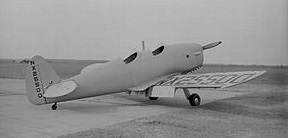
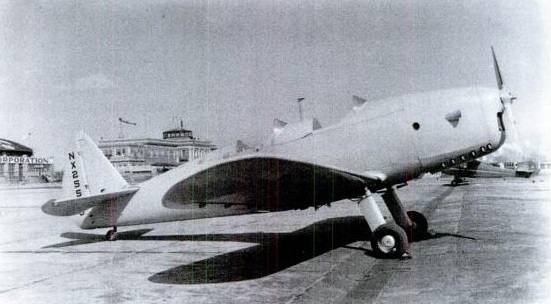
The 1940 PT-LM-4 was a low-wing, open cockpit, tandem seat, trainer with conventional landing gear, powered by a 180 hp (134 kW) Ranger 6-440C-3 engine. The fuselage was constructed of welded steel tubing with aluminum skins. The wings used aluminum construction with aircraft fabric covering.

The St. Louis PT-LM-4 was a primary trainer designed for use in the Civilian Pilot Training Program of World War II. Fairchild won the training contract, with St. Louis Aircraft Company building licensed versions of the PT-19 instead. Only one, NX25500, was ever built.

PT-LM-4
Engine: 1 × Ranger 6-440C-3, 180 hp (130 kW)
Length: 24 ft 9 in (7.54 m)
Wingspan: 30 ft (9.1 m)
Height: 7 ft 10 in (2.39 m)
Wing area: 157 sq ft (14.6 m2)
Gross weight: 2,012 lb (913 kg)
Maximum speed: 119 kn; 220 km/h (137 mph)
Cruise speed: 109 kn; 201 km/h (125 mph)
Stall: 55 mph
Range: 345 mi
Service ceiling: 18,000 ft (5,500 m)
Rate of climb: 1,000 ft/min (5.1 m/s)
Crew: 2

St. Louis Aircraft C2 Cardinal / Senior Cardinal / Super Cardinal

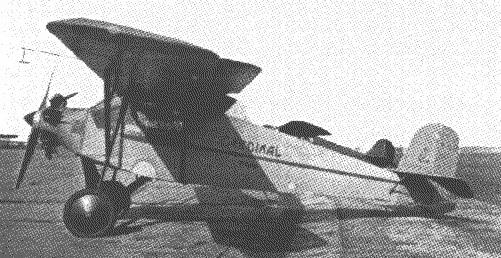
St. Louis Cardinal, 100 hp. model, at Lambert Field ca. 1929

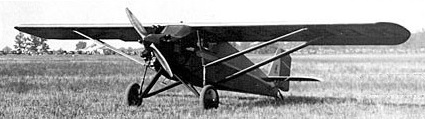
St. Louis Aircraft seized the opportunity afforded by the “Lindbergh Boom” in 1928 to produce a line of light, enclosed-cabin, two-seat, single radial-engine monoplanes christened Cardinals. At 1929 Detroit Aircraft Show exhibited the Cardinal high-wing monoplane, the company’s first airplane. Cardinal Senior which followed had more power.

St Louis C2-85 Cabin

Unfortunately, the Cardinal’s timing was not ideal: having been beaten into production by such highly successful similar private aircraft as the Monocoupe, Curtiss Robin, and others, the Cardinal did not sell well, becoming an early victim of the Depression-era aeronautical slump.

The last of 21 Cardinals was delivered in 1931.

St Louis C2-60 as C2-110 NC951K

C2-60 Cardinal
1929
ATC 2-92, superseded by 273
Engine: LeBlond 5D, 60hp
Wingspan: 32’4″
Length: 20’7″
Useful load: 600 lb
Max speed: 105 mph
Cruise: 90 mph
Stall: 35 mph
Range: 500 mi
Seats: 2
Price: $3,700
No built: 10
1 later converted to C2-85 (N903K)
1 to C2-90 (NC31H)
1 to C2-110 (NC951K)

C2-65
1929
Modified C2-60 NC1111

C2-85 Cardinal
1930
ATC 350
Engine: LeBlond 5DF, 85hp
Length: 21’0″
Useful load: 580 lb
Max speed: 116 mph
Cruise: 98 mph
Stall: 40 mph
Range: 490 mi
Seats: 2
No built: 1 NC559N
Price: $3,750

C2-90 Senior Cardinal
1929
ATC 264
Engine: LeBlond 7D, 90hp
Length: 21’3″
Useful load: 545 lb
Max speed: 118 mph
Cruise speed: 102 mph
Stall: 40 mph
Range: 300 mi
Seats: 2
Designer: Harry McKay
Price: $3,750
No built: 6, 1 converted from C2-60.

C2-100 Super Cardinal
1929
Engine: 110hp Warner Scarab
Seats: 2
No built: 1 conversion, NX12319, for factory tests

C2-110 Super Cardinal
1929
ATC 277 / 2-188
Engine: Kinner K-5, 100hp
Length: 20’6″
Useful load: 557 lb
Max speed: 125 mph
Cruise speed: 107 mph
Stall: 39 mph
Range: 475 mi
Price: $4,250
No built: 6, with 1 converted from C2-60; 1 as C2-100 Special under (2-188)
Plush version of C2-90 with Kinner K-5

St.Croix Excelsior

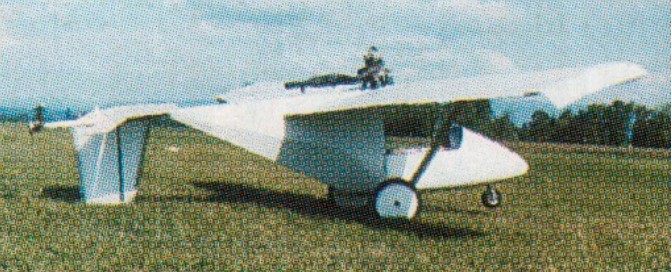
Single seat single engined high wing monoplane with conventional three axis control. Wing has unswept leading edge, swept forward trailing edge and tapering chord; inverted conventional tail. Pitch control by elevator on tail; yaw control by fin mounted rudder; roll control by spoilerons; control inputs through stick for pitch/roll and pedals for yaw. Wing braced from below by struts; wing profile; double surface. Undercarriage has two wheels side by side with tailskid; bungee suspension on both wheels. Push right go right nosewheel steering connected to yaw control. No brakes. Aluminium tube/glassfibre/steel tube framework partially enclosed (totally enclosed optional). Engine mounted above wing driving pusher propeller.

St.Croix Excelsior Article

The Excelsior was designed by Chad and Charles Wille with the experience gained from the construction in 1947 of a Pietenpol Aircamper by Charles, who redesigned it in 1977 as a biplane called Aerial.

The Excelsior is immediately recognisable thanks to its unusual tail, with the fin forming a keel under the horizontal tail surfaces. On it is hinged the rudder, itself mounted on the tube which forms a tail skid. Even more unusual, the pusher propeller is placed behind this tail driven by a very long shaft from the motor mounted above the wing, a flexidyne damper being used to eliminate the vibrations implicit in such a long transmission.

A variety of materials are used in the Excelsior’s construction. A welded steel frame acts as the bottom of the fuselage structure and provides a mounting for the undercarriage, while the rest of the fuselage consists of aluminium tubes pop rivetted to the main transmission tube. The wings use a D section leading edge spar with foam ribs, the wings coming jig built from the factory. Covering is aircraft grade Dacron, heat shrunk with an iron and then doped.

The Excelsior was sold as plans for $95 or as a complete kit, in 1983.

Engine: Zenoah G25B, 20 hp at 6500 rpm
Power per unit area 0.15 hp/sq.ft, 16.2 hp/sq.m
Fuel capacity 3.0 US gal, 2.5 Imp gal, 11.4 litre
Length overall 6.1 ft, 1.83 m
Height overall 17.5ft, 5.33m
Wing span 34.6ft, 10.54m
Mean chord 3.8ft, 1.17m
Sweepback 0 deg
Total wing area 133 sq.ft, 12.4 sq.m
Wing aspect ratio 8.9/1
Wheel track 4.8 ft, 1.45 m
Empty weight 200 lb, 91kg
Max take off weight 450 lb, 204kg
Payload 250 lb, 113kg
Max wing loading 3.38 lb/sq.ft, 16.5 kg/sq.m
Max power loading 27.5 lb/hp, 10.2kg/hp
Load factors; +4.0, 4.0 ultimate
Max level speed 75 mph, 121 kph
Max cruising speed 70 mph, 113kph
Stalling speed 20mph, 32kph
Max climb rate at sea level 600 ft/min, 3.1 m/s
Best glide ratio with power off 20/1
Take off distance 200 ft, 60 m
Landing dis¬tance 150 ft, 45 m
Staudacher S-900

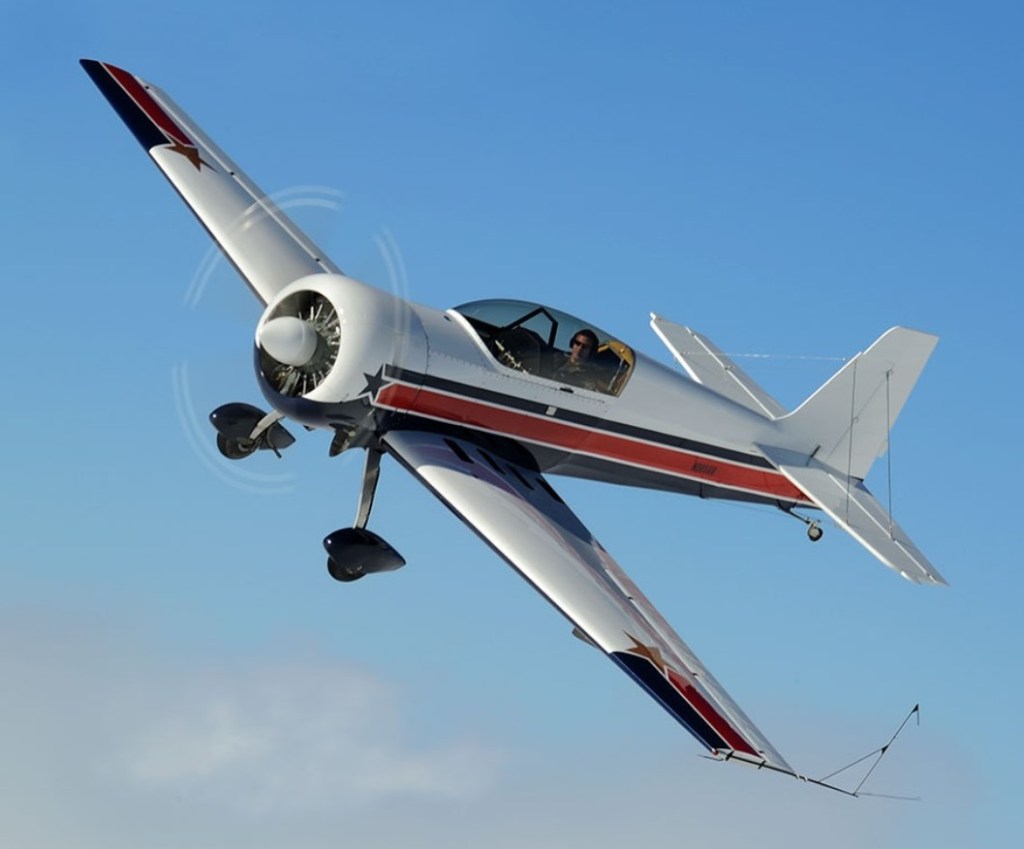
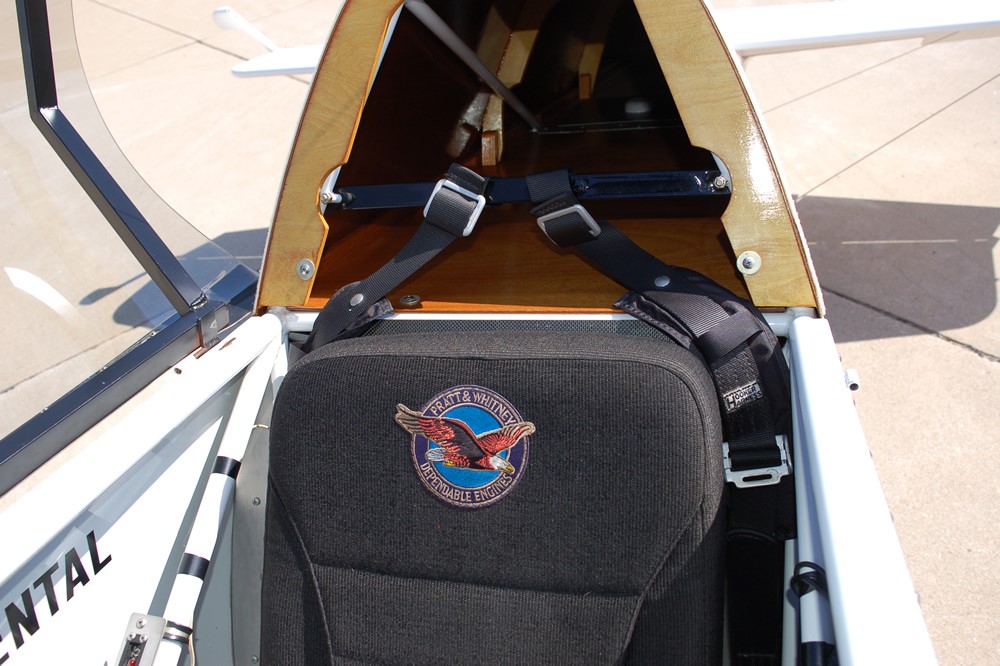
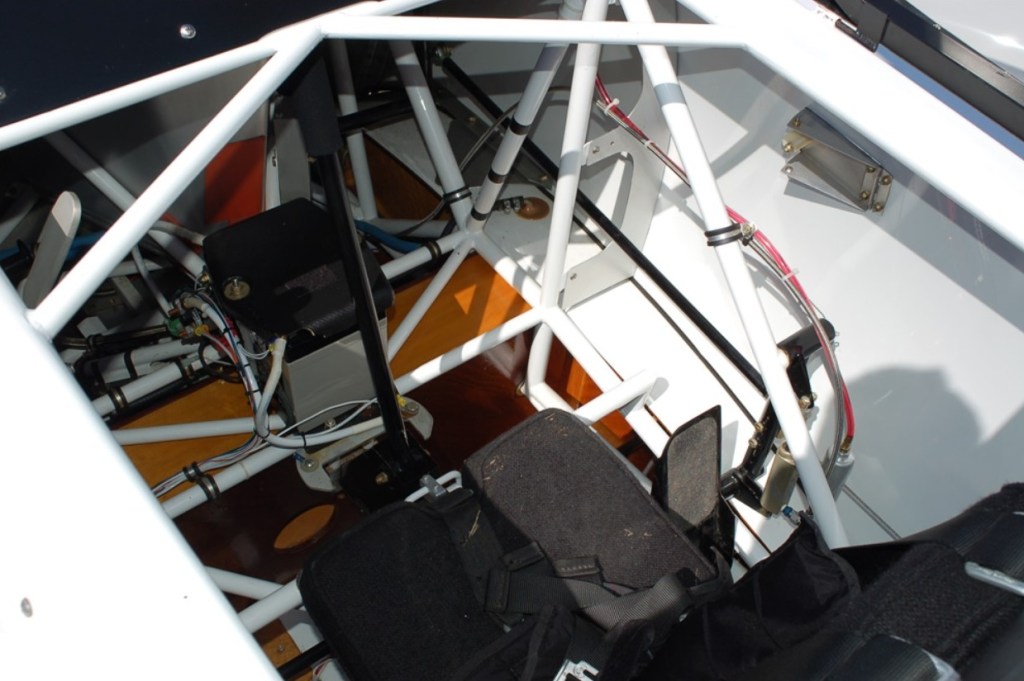
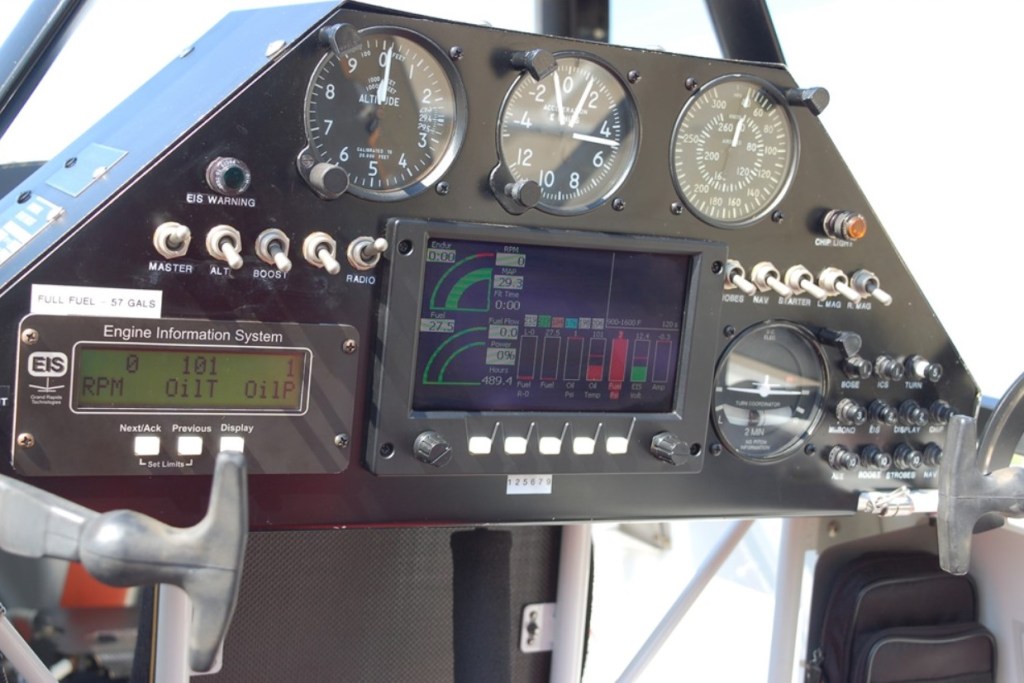
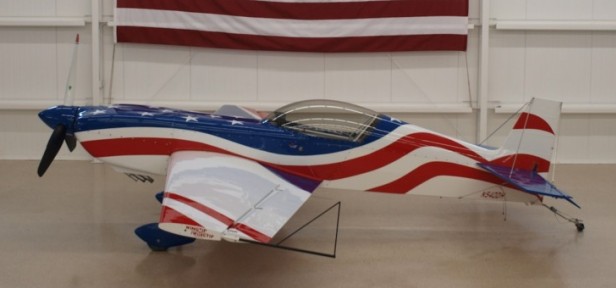
The only Staudacher 985 aircraft in existence, the 1994 built model is powered by a P&W R-985 engine and is an aerobatic experimental aircraft.

In 1997 it received the Oshkosh Reserve Grand Champion for an experimental “Plans Built” aircraft. This fully aerobatic aircraft has inverted capability, a second seat in front of the main pilot seat (full controls, no brakes).

In 2020 N985SB S/N: 17 was for sale for USD$219,000. It was located at Sugar Grove, Illinois, USA, and had 489 hours total time engine & prop.

Gallery

Statler Firefly

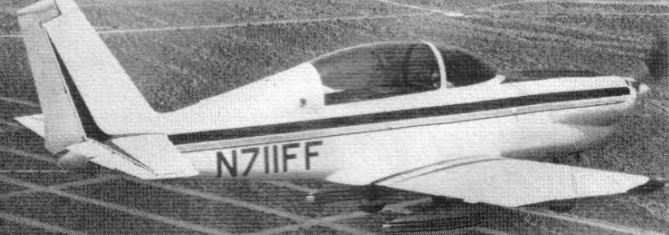
Firefly was designed by Bill Statler, former Lockheed engineer who earlier designed an all-metal midwing racer, Little Mike, in the Goodyear 190-ci. class, Firefly was designed to resemble a two-place For¬mula One racer, carries 80 sq.ft of wing instead of 66. Both cockpit places have complete controls; Firefly is soloed from front seat. Con¬struction is basically metal, with fiberglass cowl, wingtips, fairings, wheel pants. Flaps are electrically operated.

Offered with plans and construction manuals for home-builders, the Statler Firefly N711FF first flew on 8 October 1976, piloted by Al Foss.

Engine Continental C-85-12F
Wingspan 19’2”
Length 18’11”
Gross Wt. 1300 lb
Empty Wt. 835 lb
Fuel capacity 18 USG
Top speed 240 mph
Cruise 143 mph
Stall 63 mph clean, 56 mph flaps down
Climb rate 800 fpm
Ceiling 16,000 ft
Takeoff roll 600 ft
Landing roll 800 ft
Range 400 mi
Endurance 3 hrs. plus res
Seat 2

States Aircraft B-4

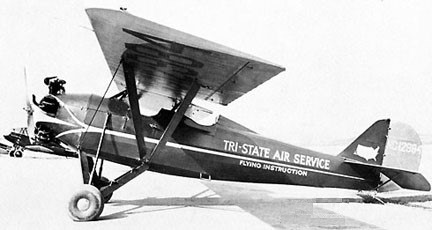
States B-4 NC12984

About five of the 1932 States Aircraft Co B-4 (ATC 477) were built, priced at $4,000. They included NC11984, NC12902, and NC12984, most of which were manufactured in Texas.

Engine: 125hp Kinner B-5
Wingspan: 32’0″
Length: 22’0″
Useful load: 555 lb
Max speed: 115 mph
Cruise: 97 mph
Stall: 38 mph
Range: 290 mi
Ceiling: 15,000′
Seats: 2

States Aircraft B-3 / S-E-5

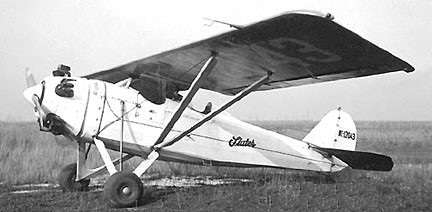
States B-3 NC12043

In 1930 States Aircraft Corp built, at Chicago Heights, Illinois, B-3 parasol monoplane, with two tandem seats.

Designed by Frederick Jolly, the B-3, or S-E-5 1930 (ATC 349 and ATC 2-438) was priced at $3,645.

Six were built; NC943N, NC10369, NC10556, NC10719, NC10723, and NC12043, and possibly a few more.

Engine: 100hp Kinner K-5
Wingspan: 32’0″
Length: 22’0″
Useful load: 552 lb
Max speed: 108 mph
Cruise: 90 mph
Stall: 35 mph
Range: 325 mi
Seat: 2