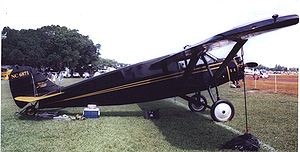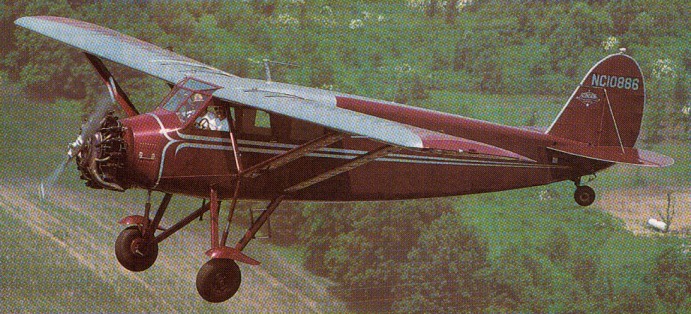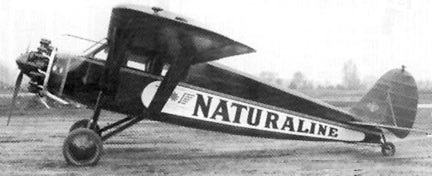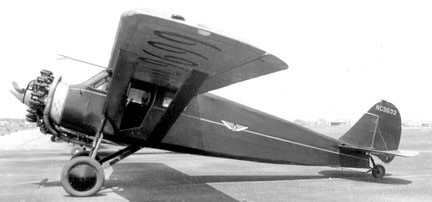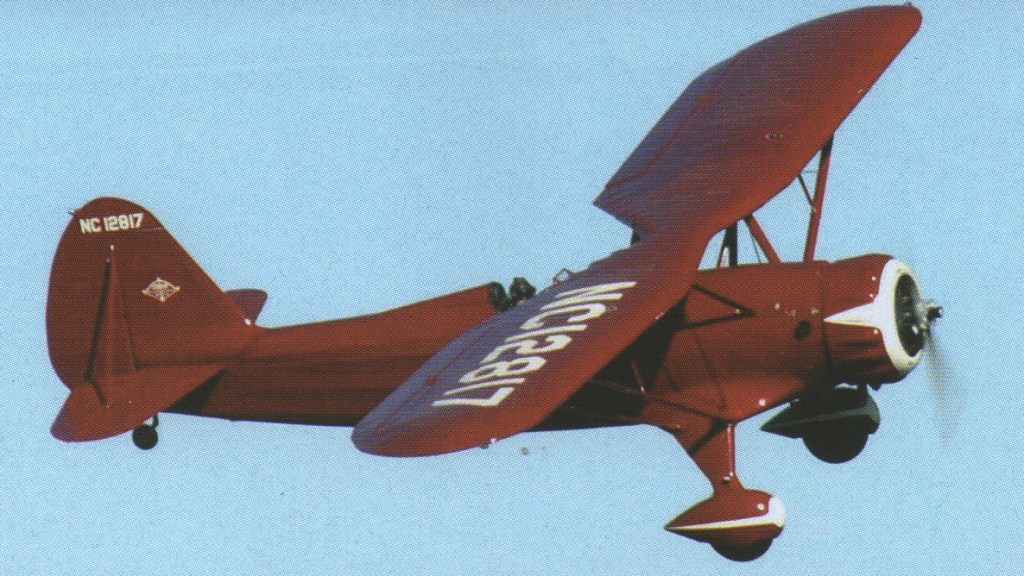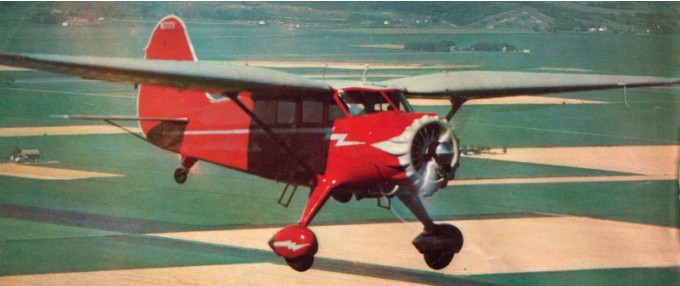
Stinson Reliant SR / AT-19 / C-81 / L-9 / Vultee V-77

SR-9C

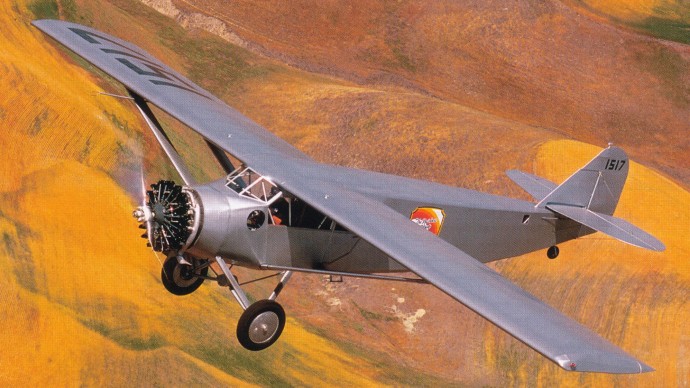
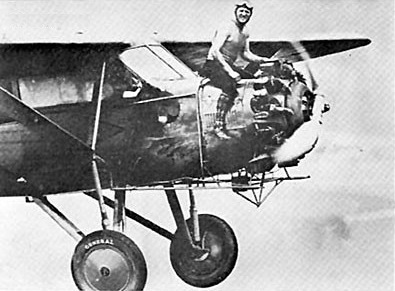
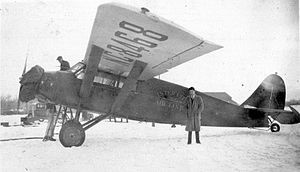
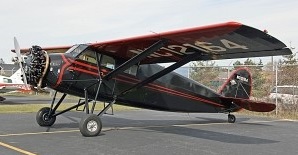
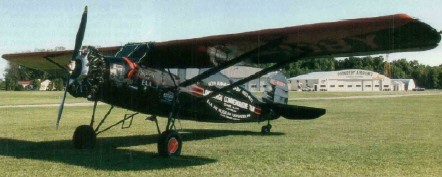
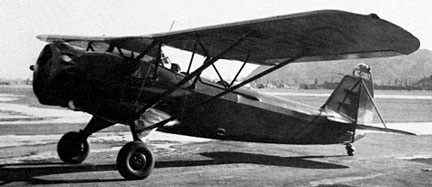
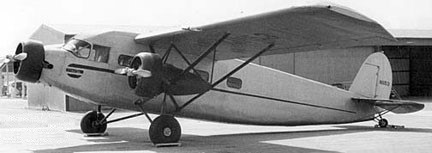
By the mid 1930s, Stinson had developed the classic gullwing models, the SR 9 and SR 10, which were the standard of busi¬nesses until the beginning of the War, when they became model V 77 personnel transports and navigation trainers.

The Stinson SR of 1933 (ATC 510) was a replacement for the R series, designed by Lloyd Skinner and priced at $3,995.
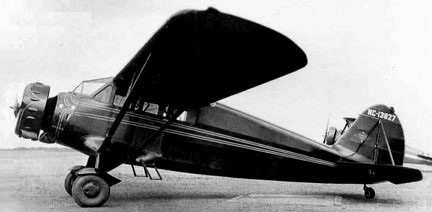
Stinson SR NC13827

Eighty-eight SR model were built, of which two were SR Special: one under (2-499) [NS3=NS6] and one with 240hp R-680 under (2-471) [NS81Y=NC13542].

The 1933 SR-1 Reliant (ATC 513) were powered with 240hp Lycoming R-680 engines. The were built, NC13485 and NC13499, of which the first became SR-1 Special with a 225hp R-680 engine under (2-496).

The one SR-2 Reliant built, in 1933 (ATC 510) was an SR with equipment additions and weight adjustment. As NS13832 it went to the Pennsylvania Aeronautics Dept.

Two SR-3 Reliant were built, in 1933 (ATC 513), being SR-1 with slight differences in tail group and added equipment. The useful load was 993 lb.

Two 1933 SR-4 Reliant (ATC 519) were built, including NC1328.

Eleven SR-5 Reliant and SR-5 Special were built from 1934; NX13834, NC13836/13838, NC13843/13847, NC13649, and NC13856. Built without flaps, they were priced at $5,774. Using ATC 530, 2-492 was for smaller tail, wing flaps as SR-5 Special for NX13834 and NC13836; (2-494) for 245hp R-680 NC13838. (530) later extended to cover SR-5A and -5E.

About 75 SR-5A (ATC 536) were built from 1934. Two served in the Army as L-12 in 1942, one each to USN and USCG as XR3Q-1 and RQ-1 in 1935. (2-491) for EDO float conversion; (2-511) as SR-5A Special with weight adjustment. (536) later cancelled and replaced by (530).
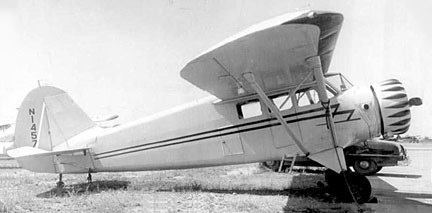
Stinson SR-5A NC1457x

The 1934 SR-5B (ATC 530) was powered with a 240hp Lycoming R-680 engine. Only one was built. The 1934 SR-5C added flaps a 260hp Lycoming R-680 engine. At least six were built.

One SR-5D was built (ATC 536, 2-493), in 1934, as a cargo version with wood prop and smaller tail. It was powered with a 215hp Lycoming.

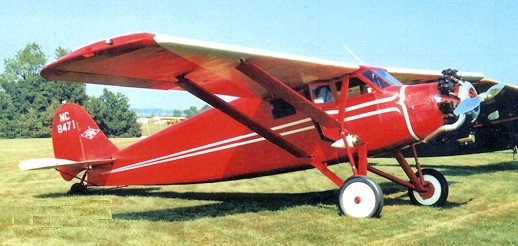
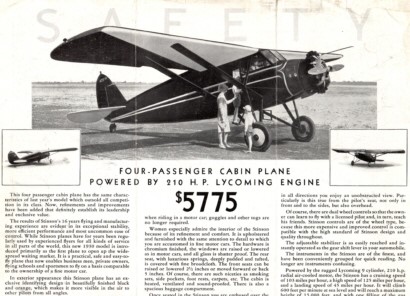
The 1934 SR-5E (ATC 537) powered with a 225hp Lycoming R-680 engine, was priced at $5,775. Fifty-two were built, the (537) later cancelled and replaced by (530).
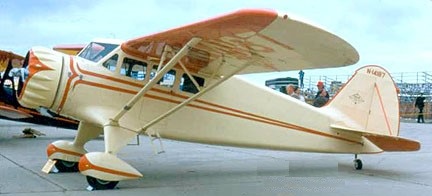
Stinson SR-5E NC14187

The two SR-5F built in 1934 (ATC 550) were custom-built SR-5E. One with a 285hp Wright Cyclone, NC14156, and one with a 250hp Wright Cyclone, NC14162.

The SR-5X built in 1934, NX14199, was the prototype SR-6, and powered with a 245hp Lycoming R-680 engine.
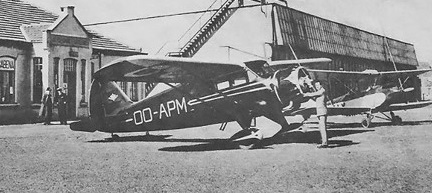
Stinson SR-6 Reliant OO-APM c/n 9299

About 50 of the 1935 SR-6 Reliant (ATC 580) were built. Seating 4-5, powered by a 245hp Lycoming R-680 engine, they were priced at $6,000-9,000. Three SR-6A were built, and three SR-6B, priced at $6,995. The SR-6C was possibly never completed. All under ATC 580.

An experimental model SR-6X was built in 1935 (ATC 580), registered NC15139.

Designed by Robert Hall, Harold Hoekstra, C R Irvine, and Lloyd Skinner, the SR-7 Reliant was the first of the distinctive “gull-wing” SR series.
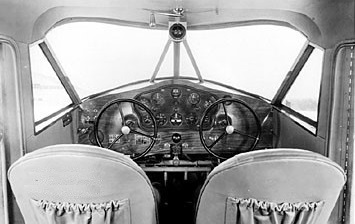
SR-7

The SR-7A was not built. Forty-seven of the 1936 SR-7B (ATC 594) were built, priced at $6,485.

SR-7

Powered by the 260hp Lycoming R-680-B5 engine, three 1936 SR-7C (ATC 594) were built.

The SR-8 Reliant were four-place. The M-suffix denoted “Multi-purpose” cargo modified models.
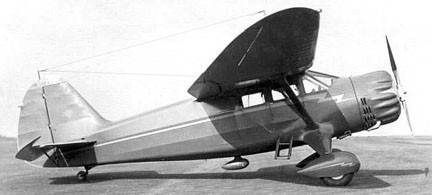
SR-8

Two SR-8A (ATC 608) were built in 1936, NC16145 and N16172, powered by 225hp Lycoming R-680-B4 engines and priced at $6,500.
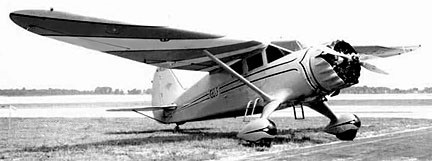
Stinson SR-8B NC16173

The SR-8B (ATC 608) were built in 1936. The SR-8BM was a cargo model with double doors on the right side, metal cabin walls, and removable seats.
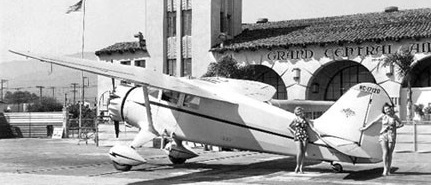
Stinson SR-8BM NC17120

Priced at $10,000, fifty-seven SR-8B were built of which one, NC16142, was converted to SR-8C and four went to the USAAF as UC-81.

Twenty SR-8C (ATC 608) were built from 1936, priced at $10,000. Two of them went to the USAAF as UC-81L.

Priced at $10,500, eleven SR-8D (ATC 609) were built in 1936.
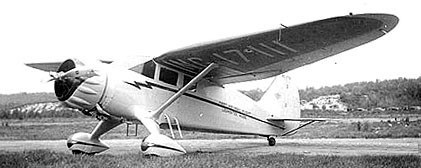
Stinson SR-8E NC17111

The 1937 SR-8E (ATC 609) was powered by 320hp Wright R-760-E2 engines and priced at $12,000. Thirty-five were built, of which one went to the USAAF as UC-81B.

The five-place SR-9 Reliant were the first Reliants to have curved windshields, as well as other streamlining.

The SR-9A was not produced.
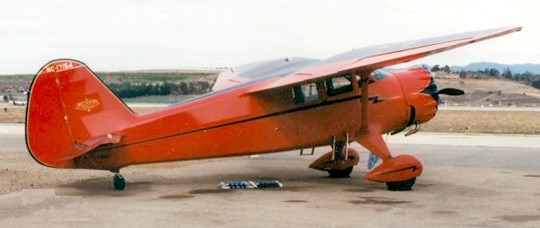
Stinson SR-9B NC17154

The SR-9B (ATC 621) of 1936 was also Available in SR-9BM cargo version, one, NX17192, of which was used to test a 310hp Guiberson A-1020 engine in 1942. Price at $9,385, thirty-five were built, some which went to the USAAF as UC-81N.
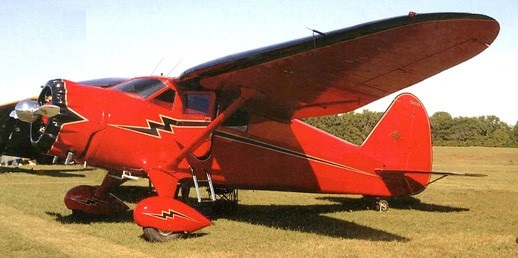
Stinson SR-9C NC18439

Sixty-five of the SR-9C (ATC 621) were built from 1936, price at $10,000. The SR-9CM was a cargo version. Some went to the USAAF as UC-81C.

The 1937 SR-9D (ATC 625) was priced at $12,000 and used by the USAAF as UC-81G.
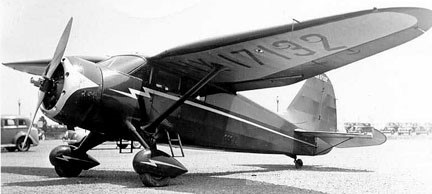
Stinson SR-9D NC17132

The 1937 SR-9F (ATC 640) was powered by a 400hp P&W Wasp engine and priced at $18,000. Thirty-four were built, operated by the USAAF as UC-81E.
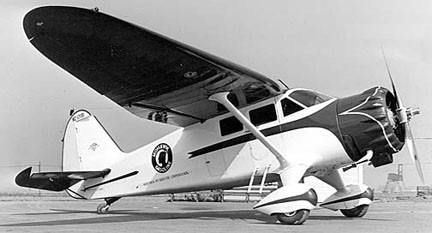
Stinson SR-9F NC17191

The 1937 SR-9FM NC89 was a “Multi-purpose” cargo version.

The 1937 SR-9FD NC2215 was a “Deluxe” model powered with a 450hp P&W and extra fuel tank for an 850-mile range.
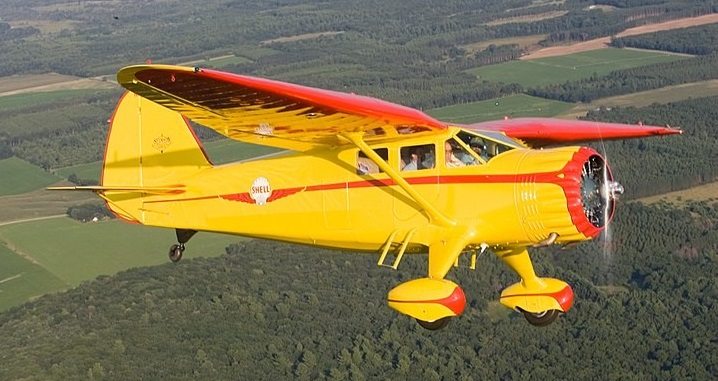
Jimmy Doolittle’s Shell Stinson Reliant SR-10, restored

The Stinson SR-10 Reliant five-place was designed by Gordon Israel. The SR-10A was not produced. Two 1938 SR-10B (ATC 678), NC18480 and G-AFHB, were sold as an “economy model” for $9,995.

Fifty-three of the 1938 SR-10C (ATC 678), powered by a 260hp Lycoming R-680-D5 engine, were sold as “standard model” for $10,995, some to the USAAF as UC-81K.
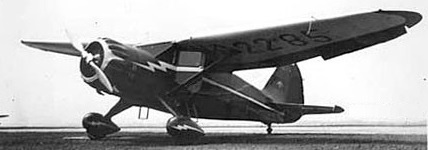
Stinson SR-10C NC2285

The three 1938 SR-10D (ATC 679) built were exports to Brazil, for $14,000.

From 1938 twenty-one SR-10E (ATC 679) were built at $14,350. One was impressed by the USAAF as UC-81H, and one went to Argentina.

Eighteen SR-10F (ATC 685) were built from 1938. The last of the civil Reliants. Eight were impressed by the USAAF as UC-81F, with one tested as XC-81D glider tow in civil registration; NX2311.
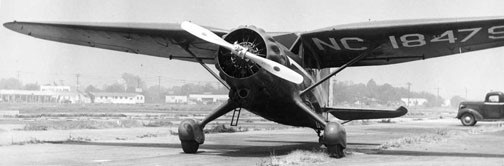
Stinson SR-10F NC18479

Twelve 1938 SR-10G (ATC 678) went to the USAAF as UC-81A for $12,585. They were powered by 290hp Lycoming R-680-E1 engines.

The SR-10H was to be powered by 265hp Lycoming R-680 engines but no records found of any being built.

Eleven civil 1941 SR-10J / Vultee V77 (ATC 774) were built, plus 500 military versions principally for Lend-Lease to Great Britain as Reliant I through IV instrument trainers and cargo ships. Of this lot, 62 were impressed by USN, but apparently did not get the pre-war Navy designation of RQ.

The two 1938 SR-10K (ATC 679), NC21147 and NC21148 were special modification of SR-10F with 450hp Wright R-975-E3 engines for the NYC Police Dept. priced at $19,000.

The L-12 Reliant of 1944 were USAAF personnel transport. Four were built, 44-52992, -52994/52996, with four seats and the same as the SR-5.
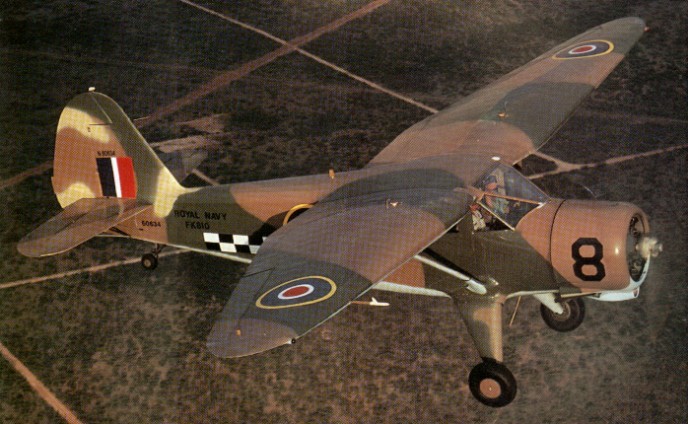
AT-19 Reliant

The AT-19, or Stinson-Vultee V77 (ATC 774), of 1942 was military production of the SR-10J as personnel transport and trainer.
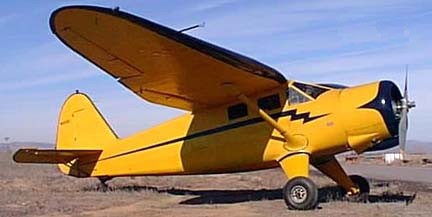
Stinson-Vultee V77 N69990

500 were built, with most going to Great Britain under Lend-Lease as Reliant I/II/III/IV, but registered and used by USAAF as AT-19 [42-46640/46889, 43-43964/44213], and with 62 to USN [30481/30542]. One, NX39414, with a 450hp P&W R-985 designated as V77-B.

The AT-19 and -19A were 8 three-place instrument and navigation trainers. Civil Voyagers were provisionally assigned the AT-19A and -19B designations before becoming L-9A and -9B, which often causes confusion in the ranks, but Reliant was the official AT-19.

The L-9 (AT-19) were civil Voyager impressed by the USAAF in a utility role/ personnel transport.

There were eight 1942 L-9A; 42-88666 to 42-88673, powered with 90hp Franklin O-200 engines. The twelve L-9B of 1943; 42-94130, -94136, -97051, -97430, -97432, -97434, -107278, -107406/107410, were powered by 90hp Franklin AC-199 engines.

The L-9 (AT-19) were civil Voyager impressed by the USAAF in a utility role/ personnel transport.

There were eight 1942 L-9A; 42-88666 to 42-88673, powered with 90hp Franklin O-200 engines. The twelve L-9B of 1943; 42-94130, -94136, -97051, -97430, -97432, -97434, -107278, -107406/107410, were powered by 90hp Franklin AC-199 engines.

Twelve AT-19B from 1943 were observation and photo-survey aircraft.

The 1943 AT-19C were single-place cargo carrier.

500 AT-19s were delivered with USAAF s/ns for Lend-Lease. There has always been, and still is, a question about how many actually went to England or overseas, and how many stayed unassembled in crates in the US:
c/n 1-186 RAF [FK814/999] USAAF [42-46640/46825] total: 186
c/n 187-250 RAF [FL100/163] USAAF [42-46826/46889] total: 64
c/n 251-500 RAF [FB523/772] USAAF [42-43964/44213] total: 250
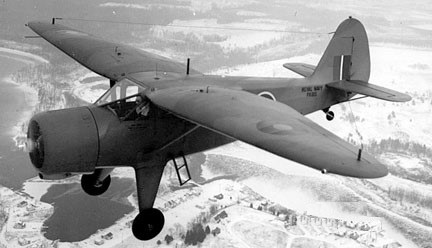
Stinson Reliant I RNAS FK-815

Either late in the war, or after it was over, various Lend- Lease planes were returned to the US, such as the Fairchild PT-26 Cornells of the RCAF, and it is claimed that 353 of these were given to the USN. At that time there were other USAAF planes transferred to the USN. The s/ns for this batch were [11294/11646], and they were listed as “Reassignment” and “Reverse Lend-Lease.

To muddy the waters further, there were 62 Navy serials, [30481/30542], listed as “Duplicate Assignment” for AT-19s by the USN, plus 2 more, [37637/37638], listed as “Cancelled.” I don’t think that these numbers should be considered as “real” airplanes, and were paper assignments only.

The letter “Q” (as in RQ) was only used for Stinson from 1934- 36, according to the latest USN 1910-95 book, it was not used for Stinson during WW2. It was not unusual for the USN to use an USAAF designation on something they didn’t buy, and if you look at all of the WW2 impressments of civilian planes by the USN, they used the civil designation on their aircraft history cards, etc..

As to whether or not the USN ever operated the AT-19s, I would say probably not, but there is no proof either way. It’s all very fuzzy!

The SR-5A in naval uniform were designated XR3Q-1 in 1934 to the USN (9718)
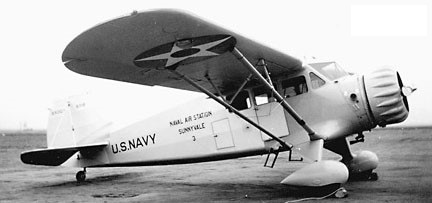
Stinson XR3Q-1 9718

One went to the USCG in 1935 as RQ-1 [381=V149]—mismarked on its tail as QR-1—then in 1937 renumbered [V149] and redesignated R3Q-1.
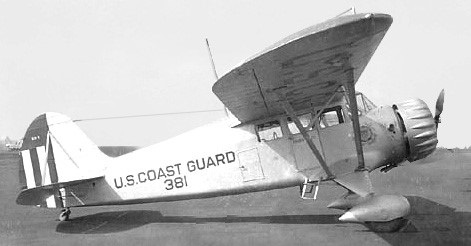
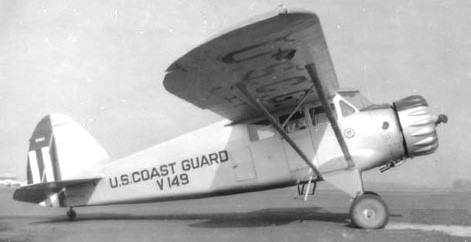
Stinson QR-1/RQ-1 [381=V149]
Stinson R3Q-1 [V149]

Forty-three of the 1937 SR-9E (ATC 625) went to the USAAF as UC-81J. They were priced at $12,500. Also, one in -9EM cargo version, NS/NC3640, impressed by the AAF in WW2 as UC-81M 42-94134. One experimental model, NX17132, was fitted with a 310hp Guiberson D diesel engine.
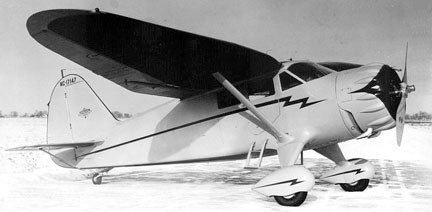
Stinson SR-9E NC17147

Gallery

Civilian variants:

SR Reliant
Engine: 215 hp (160 kW) Lycoming R-680
Wingspan: 43’3″
Length: 27’0″
Useful load: 1085 lb
Max speed: 133 mph
Cruise: 115 mph
Stall: 55 mph
Range: 460 mi
Ceiling: 14,000′
Seats: 4

SR-1
Engine: 240 hp (180 kW) Lycoming R-680-2
Wingspan: 43’3″
Length: 27’0″
Useful load: 984 lb
Max speed: 135 mph
Cruise: 118 mph
Stall: 55 mph
Range: 440 mi
Ceiling: 15,000′
Seats: 4
Two built.

SR-1 Special
Engine: 225hp Lycoming R-680

SR-2
Engine: 240-hp (179-kW) Lycoming R-680-7
Wingspan: 43’3″
Length: 27’0″
Seats: 4

SR-3
Similar to the SR-1, but with minor structural changes.
Useful load: 993 lb

SR-4
Engine: 250-hp (186-kW) Wright R-760-E
Wingspan: 43’3″
Length: 27’0″
Useful load: 1088 lb
Max speed: 138 mph
Cruise: 122 mph
Stall: 57 mph
Range: 360 mi
Seats: 4

SR-5
Engine: 225-hp (168-kW) Lycoming R-680-4
Wingspan: 41’0″
Length: 27’2″
Useful load: 1075 lb
Max speed: 132 mph
Cruise: 120 mph
Stall: 56 mph
Range: 430 mi

SR-5A
Engine: 245-hp (183-kW) Lycoming R-680-6
Wingspan: 41.011 ft / 12.5 m
Length: 27.264 ft / 8.31 m
Height: 8.432 ft / 2.57 m
Max take off weight: 3475.1 lb / 1576.0 kg
Weight empty: 2326.3 lb / 1055.0 kg
Max. speed: 117 kt / 217 km/h
Cruise: 120 mph
Stall: 50 mph
Service ceiling: 15502 ft / 4725 m
Range: 560 nm / 1038 km
Seats: 4

SR-5B
Engine: 240-hp (179-kW) Lycoming R-680-2

SR-5C
Engine: 260-hp (194-kW) Lycoming R-680-5

SR-5D
Engine: 215hp Lycoming

SR-5E
Engine: 225-hp (168-kW) Lycoming R-680-4
Wingspan: 41’0″
Length: 27’2″
Useful load: 1075 lb
Max speed: 133 mph
Cruise: 120 mph
Stall: 56 mph
Range: 450 mi

SR-5F
Engine: 250-hp (186-kW) Wright R-760-E, NC14162
Engine: 285hp Wright Cyclone, NC14156
Two built

SR-5X
Engine: 245hp Lycoming R-680
NX14199

SR-6
Engine: 225-hp (168-kW) Lycoming R-680-6
Wingspan: 43’3″
Length: 27’0″
Useful load: 1235 lb
Max speed: 140 mph
Cruise: 128 mph
Stall: 52 mph
Range: 470-695 mi
Seats: 4

SR-6A
Engine: 225-hp (168-kW) Lycoming R-680-6
Useful load: 1015 lb
Max speed: 137 mph
Cruise: 125 mph
Stall: 50 mph
Range: 470 mi
Seats: 4

SR-6B
Engine: 260-hp (194-kW) Lycoming R-680-5
Useful load: 1203 lb
Max speed: 142 mph
Cruise: 130 mph
Stall: 52 mph
Range: 455-600 mi
Seats: 4

SR-6X

SR-7
First gull wing series.

SR-7B
Engine: 225-hp (168-kW) Lycoming R-680-B4 and B6, 245hp
Wingspan: 41’7″
Length: 27’0″
Useful load: 1115 lb
Max speed: 144 mph
Cruise: 136 mph
Stall: 53 mph
Range: 475 mi
Ceiling: 12,300′
Seats: 4
47 built

SR-7C
Engine: 260-hp (194-kW) Lycoming R-680-B5
Seats: 4
Three built

SR-8A
Engine: 225hp Lycoming R-680-B4
Wingspan: 41’7″
Length: 27’0″
Useful load: 1113 lb
Max speed: 145 mph
Cruise: 136 mph
Stall: 53 mph
Range: 475 mi
Ceiling: 12,800′
Seats: 5

SR-8B / UC-81
Engine: 245hp R-680-B6
Length: 27’2″
Useful load: 1400 lb
Max speed: 147 mph
Cruise: 138 mph
Stall: 57 mph
Range: 645 mi
Ceiling: 13,800′
Seats: 5

SR-8BM
Engine: 225-hp (168-kW) Lycoming R-680-6

SR-8C / UC-81L
Engine: 260-hp (194-kW) Lycoming R-680-B5
Useful load: 1350 lb
Max speed: 148 mph
Cruise: 140 mph
Stall: 57 mph
Range: 639 mi
Ceiling: 14,500′
Seats: 5

SR-8D
Engine: Wright R-760-E2, 285hp
Wingspan: 41’7″
Length: 21’2″
Useful load: 1405 lb
Max speed: 150 mph
Cruise: 140 mph
Stall: 58 mph
Range: 645 mi
Seats: 5

SR-8DE
Utility transport version of the SR-8E.

SR-8DM
Utility transport version of the SR-8D.

SR-8E / UC-81B
Engine: 320-hp (239-kW) Wright R-760-E2
Useful load: 1335 lb
Cruise: 155 mph
Stall: 58 mph
Range: 525 mi
Ceiling: 18,500′
Seats: 5

SR-9
1937 series
Fitted with a curved windshield, unique to this series

SR-9A
Proposed version with Lycoming R-680-B4 engine.
Unbuilt.

SR-9B
Engine: 245 hp (183 kW) Lycoming R-680-B6
35 built

1937 Stinson Reliant SR-9B
Base Price: $7,985 (1937)
Engine: Lycoming R-680-13, 300 hp
Fuel type: 80/100LL
Propeller: Hamilton Standard constant speed
Landing gear type: tailwheel
Max ramp weight: 3750 lb
Gross weight: 3750 lb
Max landing weight: 3750 lb
Empty weight, std: 2515lb
Useful load, std: 980 lb
Payload, full std. fuel: 728 lb
Usable fuel: 82 USG
Oil capacity: 5 qt
Wingspan: 41 ft. 11 in
Overall length: 27 ft. 11 in
Height: 8 ft. 6 in
Wing area: 258.5 sq. ft
Wing loading: 14.5 lbs./sq. ft
Power loading: 12.5 lbs./hp
Wheel track: 96 in.
Wheel size: 8.50 x10 in
Seating capacity: 4
Cabin doors: 2
Cabin width: 52 in
Cabin height: 48 in
Baggage capacity: 150 lb
Cruise speed 75% power: 124 kt
Max range (w/ res) 75% power: 690 nm
Fuel consumption 75% power: 14 USgph
Stall speed (flaps up): 56 kt
Stall speed (flaps down): 50 kt
Best rate of climb: 900 fpm
Service ceiling: 16,500 ft
Takeoff ground roll: 780 ft
Landing ground roll: 700 ft

SR-9BM
Engine: 245hp Lycoming R-680-B4

SR-9C
Engine: 260 hp (190 kW) Lycoming R-680-B5
Useful load: 1235 lb
Max speed: 148 mph
Cruise: 140 mph
Stall: 57 mph
Range: 690.
65 built

SR-9CM
Engine: 260 hp (190 kW) Lycoming R-680-B5
cargo version

SR-9D / UC-81G
Engine: 285 hp (213 kW) Wright R-760-E2
Wingspan: 41’11”
Length: 28’1″
Useful load: 1450 lb
Max speed: 152 mph
Cruise: 140 mph
Stall: 60 mph
Range: 630 mi
Ceiling: 14,500′
22 built.

SR-9E
Engine: 320 hp (240 kW) Wright R-760-E2
Useful load: 1410 lb
Max speed: 161 mph
Cruise: 150 mph
Stall: 60 mph
Range: 600 mi
43 built.

SR-9F / UC-81E
Engine: 450 hp (340 kW) Pratt & Whitney Wasp Junior
Wingspan: 41’11”
Length: 27’11”
Useful load: 1510 lb
Max speed: 173 mph
Cruise: 165 mph
Stall: 63 mph
Range: 500 mi
34 built

SR-9FD
Engine: 450 hp (340 kW) Pratt & Whitney Wasp Junior
Range: 850 mi
1 built NC2215

SR-9FM
“Multi-purpose” cargo version
1 built NC89

SR-10

SR-10B
Engine: Lycoming R-680-D6, 245hp
Wingspan: 41’11”
Length: 27’8″
Useful load: 1345 lb
Max speed: 150 mph
Cruise: 147 mph
Stall: 57 mph
Range: 660 mi
2 built.

SR-10C / UC-81K
Engine: Lycoming R-680-D5, 260hp
Useful load: 1345 lb
Max speed: 150 mph
Cruise: 147 mph
Stall: 57 mph
Range: 660 mi
46 built

SR-10D
Engine: Wright R-760E-1, 300hp
Wingspan: 41’11”
Length: 27’9″
Useful load: 1425 lb
Max speed: 160 mph
Cruise: 150 mph
Stall: 60 mph
Range: 650-780 mi
3 built.

SR-10E / UC-81H
Engine: Wright R-760E-2, 320hp
Useful load: 1420 lb
Max speed: 163 mph
Cruise: 155 mph
Stall: 60 range: 620+
21 built.

SR-10F / UC-81F / XC-81D
Engine: Pratt & Whitney R-985 Wasp Junior SB, 450hp
Useful load: 1605 lb
Max speed: 177 mph
Cruise: 170 mph
Stall: 63 mph
Range: 800
18 built.

SR-10G / UC-81A
Engine: Lycoming R-680-E1, 290hp
Useful load: 1395 lb
Max speed: 160 mph
Cruise: 150 mph
Stall: 59 mph
Range: 700 mi
Ceiling: 15,000′
12 built.

SR-10H
Engine: 265hp Lycoming R-680
Possibly not built

SR-10J / V77 Reliant
Engine: Lycoming R-680-E3
Useful load: 2610 lb
Range: 675 mi
Ceiling: 16,500′
Seats: 1-4
11 built.

SR-10K
Engine: 450hp Wright R-975-E3
Two built.

Military variants:

AT-19
USAAF designation for a training variant of the UC-81 for the Royal Navy under Lend-Lease as the Reliant I
500 built.

AT-19 / V77
Engine: 300hp Lycoming R-680
Wingspan: 41’11”
Length: 28’3″
Useful load: 1340 lb
Max speed: 145 mph
Cruise: 120 mph
Stall: 60 mph
Range: 575 mi
Ceiling: 14,000′
Seats: 1-5

AT-19A
Original designation of the L-9A which was a Voyager not a Reliant.

AT-19B
Original designation of the L-9B which was a Voyager not a Reliant.

AT-19C
Conversions of AT-19s for photo-survey aircraft for the USAAF
51 conversions.

UC-81
Impressed SR.8B and -9E.
42-53524, -60771, -97057, -107415, -107423

UC-81A
Two impressed SR.10Gs.
42-57225, -56086

UC-81B
One impressed SR.8E.
42-57510

UC-81C
Three impressed SR.9Cs.
42-61098, -68691, -107418

XC-81D
One civil SR.10F operated by the military for the development of glider pick-up techniques.
1942
NX2311

UC-81E
Four impressed SR.9Fs.
42-38297/38300, -97042

UC-81F
Seven impressed SR.10Fs.
1942
42-22248, -39301/38303, -43516, -53009, -107420

UC-81G
Three impressed SR.9Ds.
42-49072, -78020, -78042

UC-81H
Two impressed SR.10E.
1942
42-49073/49074

UC-81J
Nine impressed SR.9Es.
42-53011/53012, -57226, -56088, -68685

UC-81K
Six 1942 impressed SR.10Cs.
42-68343/68346, -97056, -107419

UC-81L
Two 1942 impressed SR.8Cs.
42-78030, -107424

UC-81M
One 1942 impressed SR.9EM.
42-94134

UC-81N
Two impressed SR.9Bs.
42-107416/107417

L-9A
Engine: 90hp Franklin O-200

L-9B
Engine: 90hp Franklin AC-199

L-12
Two SR.5As impressed into service with the USAAF during World War II.

L-12A
Two SR.7Bs impressed into service during World War II.

RQ-1
One SR-5 Reliant was acquired by the US Coast Guard in 1935
Later redesignated XR3Q-1 and decommissioned in 1941.

XR3Q-1
One SR-5 Reliant was acquired by the US Navy in 1935.

Reliant I
500 Reliants were supplied to the Royal Navy under Lend-Lease.
light transport and communications, navigation and radio training duties.
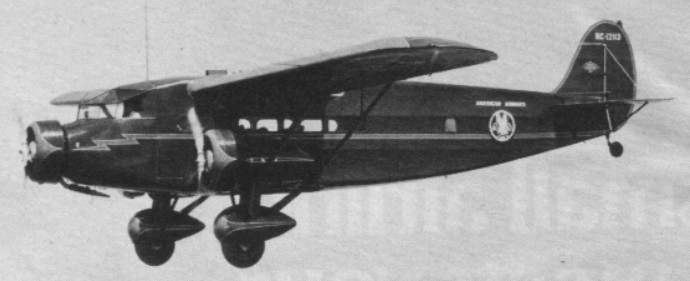
Stinson SM-6000 Trimotor / Model T / C-91

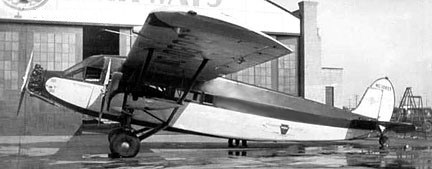
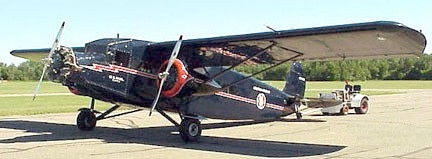
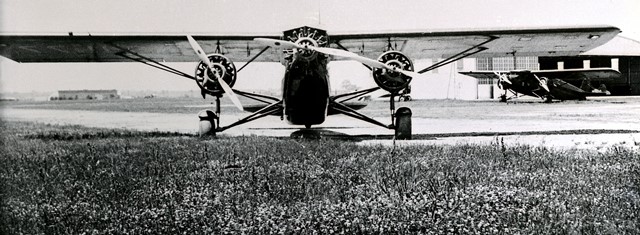
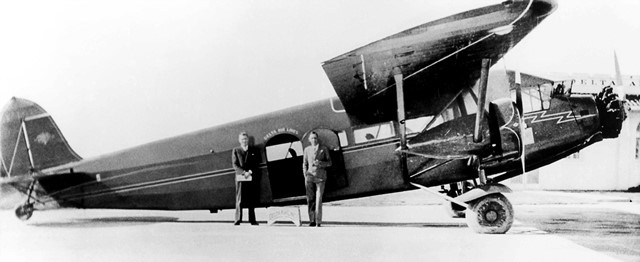
Eddie Stinson introduced his tri-motors in 1929, for American and Eastern Airlines. The 11-place SM-6000, or Model T of 1930 (ATC 335) was developed from the Corman 3000. Priced at $18,000-23,900, ten were built; NC429Y, NC475Y, NC497Y/498Y. NC974W/979W, of which one went to the USAAF as C-91. The model evolved into U model.

Stinson SM-6000 N1153

Stinson SM-6000 Article

The 1931 SM-6000-A (ATC 367) were deluxe 12-place versions. Priced at $25,000 and later production was under ATC 420, several were upgrades from -6000.

The 1931 SM-6000-B (ATC 420) were modified with luxury interiors, cowlings, and wheel pants for increase in payload and performance.

Stinson SM-6000B NC10823

The SM-6000-B1 accommodated 10 passengers, and the -6000-B2 was for mail and 8 passengers.

Stinson SM-6000B NC11153

The 6-8 place Club model was customized for executives as an “airborne office”.

Priced at $25,000 for the basic plane (reduced to $19,500 in 1932), about 40, possibly including -6000A, were built.

SM-6000B (Model T)

American Airways (later American Airlines) sold their SM-6000B (Model T) at discount price. Delta paid $5,400 each, compared to $22,500 when new.

Delta had high hopes of winning a badly needed mail contract in 1930, to cover the expenses of flying passengers. Instead, the contract went to AVCO, predecessor of American Airlines, forcing Delta to suspend passenger service in October 1930 and sell its planes.

In 1934, Delta got a chance to win back the route it had pioneered, when the new Franklin D. Roosevelt administration cancelled all airmail contracts and called for new bids. A bid of 24.8 cents per pound won Air Mail Route 24.

SM-6000B (Model T)

First delivered on June 23, 1934, Stinson T aircraft carried Delta’s very first air mail on July 4, 1934. Passenger service resumed on August 5th. Six were operated Fort Worth, Texas to Charleston, South Carolina (Air Mail Route 24) with the last retiring circa 1937.

One SM-6000 was impressed in 1942 as C-91 42-79547 and went to Panama.

Gallery

SM-6000 / C-91
Engines: 3 x Lycoming R680, 215 hp
Wingspan: 60’0″
Length: 42’10”
Useful load: 2930 lb
Max speed: 136 mph
Cruise: 115 mph
Stall: 65
Range: 350
Ceiling: 14,200′
Pax cap: 10

SM-6000-A
Pax cap: 12
Useful load: 2900 lb
Max speed: 146 mph
Cruise: 122 mph
Stall: 60 mph
Range: 500-600 mi
Ceiling: 15,000′

Stinson SM-6000B (Model T)
Engines: 3 x Lycoming R680, 215 hp
Max peed: 146 mph
Cruise: 125 mph
Stall: 65 mph
Seats: 7 passengers

Stinson SM-1 Detroiter / SM-6

SM-1b

The first design from the Detroit-based Stinson Aircraft Syndicate was the Stinson SB-1 Detroiter, a four-seat cabin biplane with novel features such as cabin heating, individual wheel brakes and electric starter for the nose-mounted 220 hp (164 kW) Wright J-5 Whirlwind engine.

Stinson SM-1

Designed by William Naylor, the SM-1 Detroiter prototype NX1524 first flew in April 1927.

Priced at $12,500, seven were sold as SM-1 Special (2-174) issued in 1930 for increased load as SM-1 Special NC3647 (ATC 2-174). SM-1 NC857 took first place in the 1927 Ford Air Tour, SM-1 was the first Braniff Airways plane, in 1928.

Stinson SM-1B Hunter Brothers City of Chicago1930 endurance
flight with mechanic’s external running-board NC5189
Stinson SM-1B Hunter Brothers City of Chicago1930 endurance
flight with mechanic’s external running-board NC5189

Thirty-six SM-1B (ATC 2-24) were built from 1928; NC3696, NC4185, NC4473, NC4876, NC5189, NC5485, NC5639, NC5676, NC5679, NC5683/5684, NC5741, NC5993, NC6657, NC6764, NC6827/6828, NC6868/6869, NC7023/7024, NC7127, NC7168, NC7218, NC7313/7314, NC7369, NC7422, NC7468/7470, NC7472/7474, NC7575/7576, plus some conversions from SM-1. ATC 2-224n 1930 was for the five-place SM-1B Special NC3348, NC5325, and NC6763, with allowable weight increase.

This aircraft was soon developed into the six-seat Stinson SM-1D Detroiter, a braced high-wing monoplane version which made its first flight on 25 January 1926. The aircraft was soon a success and it enabled Stinson to get $150,000 in public capital to incorporate the Stinson Aircraft Corporation on 4 May 1926.

The SM-1D Special (ATC 60) had a 220hp Wright J-5 conversion in 1929. NS6762 c/n D-302, was the SM-1DA. ATC 2-142 was for a 300hp Wright J-6 as SM-1D-300.

Five of the 1928 SM-1DA (ATC 74) were built, priced at $12,500, including NC5900 and NC6762.

The 1928 SM-1DB (ATC 76) was as the SM-1DA with interior refinements. One was built; NC6580.

The SM-1DC of 1928 (ATC 77) was a two-place cargo version of the SM-1DA

The 1928 SM-1DD (ATC 78) NC486H was an SM-1DA with greater load (2220 lb) for bush operations.

Designed by L M Woolson, the 1928 SM-1DX NX7654 (ATC 2-228) was powered by a 225hp Packard diesel (the first diesel to fly).

The 1929 SM-1F (ATC 136) sold for $11,000-13,500. SM-1FS was floatplane version under (ATC 212) for about $15,000. About 26 were built.

Seventy-five of the Wright J-5-powered versions were built, followed by 30 Wright J-6-powered aircraft. From 1928, SM-1 aircraft were used on scheduled services by Paul Braniff’s Braniff Air Lines and by Northwest Airways.

Three of this model were bought by Honduran Air Force in 1933. The China National Aviation Corporation, China Airways Federal, and Shanghai-Chengtu Airways operated the Detroiter in the 1920s–30s, and in Peru they were operated by Faucett and the Peruvian Air Force.

Stinson SM-1F

In 1930 a SM-1FS with a crew of three reached Bermuda from New York City, the first flight ever to the islands. Getting there the aircraft had to land twice, once because of darkness and later after running out of fuel. With a wing strut damaged, it was shipped back to New York.

A Detroiter version of the Stinson Junior powered with a Packard diesel engine, held the world record for endurance without refuelling.

In all over 100 were built, and in 1928 Stinson developed the smaller SM-2 Junior model to appeal to private owners.

Gallery

Variants:

SM-1 Detroiter
Engine: 220hp Wright J-5
Wingspan: 45’10”
Length: 32’0″
Useful load: 1515 lb
Max speed: 128 mph
Cruise: 105 mph
Stall: 55 mph
Range: 600-700 mi
Ceiling: 14,000′
Seats: 6

SM-1D
High-wing monoplane version with a 220hp (164kW) Wright J-5 Whirlwind engine.

SM-1DA
As SM-1D with detailed improvements.
Engine: 220hp Wright J-5
Useful load: 2068 lb
Max speed: 120 mph
Cruise: 105 mph
Stall: 60 mph
Range: 750 mi
Seats: 6

SM-1DB
As SM-1D with minor improvements
Useful load: 1978 lb

SM-1DC
As SM-1D with detailed improvements.
Useful load: 1986 lb
Seats: 2

SM-1DD
Freighter variant cargo-carrying interior, one built.
As SM-1DA
Useful load: 2220 lb
Seats: 2

SM-1DE
Freighter variant with two seats and cargo-carrying interior, one built.

SM-1DX
Engine: 225hp Packard DR-980 Diesel
Seats: 3
first diesel powered aircraft to fly.

SM-1F
Engine: 300hp (224kW) Wright J-6
Wingspan: 46 ft 8 in (14.22 m)
Length: 32 ft 0 in
Useful load: 1686 lb
Maximum speed: 132 mph (212 km/h)
Cruise: 115 mph
Stall: 56 mph
Range: 650 mi
Ceiling: 17,000′
Crew: 1 pilot
Capacity: 6 passengers

SM -1FS
Engine: 300hp (224kW) Wright J-6
Wingspan: 46 ft 8 in (14.22 m)
Length: 32 ft 0 in
Crew: 1 pilot
Capacity: 6 passengers

SM-1D300
SM-1Ds modified with a 300hp (224kW) Wright J-6 engine.

SM-1FS
Floatplane variant of the SM-1F.

SM-6A
Engine: 450hp (336kW) Pratt & Whitney Wasp C1
Wingspan: 52’8″
Length: 34’4″
Useful load: 1854 lb
Max speed: 148 mph
Cruise: 128 mph
Stall: 60 mph
Range: 575 mi
Ceiling: 18,000′
six-seat
2 built
ATC 217, 2-89
1929 $18,500, $15,995 in 1930

SM-6B
Engine: 450hp (336kW) Pratt & Whitney Wasp C1
eight-seat i
8 built
ATC 217, 2-89

Stinson SM-1 3-view drawing from L’Aérophile September, 1927

Stinson SM-2 / SM-7 / SM-8 / Junior

Stinson Aircraft had introduced their large high-winged six-seat SM-1 Detroiter in 1927. The SM-1 was sold successfully to airlines and other commercial operators, but it was too large to appeal to private owners.

1928 Stinson SM-2 Junior

Stinson therefore redesigned the aircraft with shorter span wings, shorter fuselage and a choice of less powerful engines as the SM-2 Junior. The aircraft was a strut-braced high-wing monoplane with a sturdy outrigger undercarriage which was braced against the wing support struts and the initial 110 h.p. Warner Scarab engine was normally left uncowled. The first SM-2 flew in mid-1928 and deliveries commenced that year. Later versions of the SM-2 had higher-powered engines of between 165 h.p. and 225 h.p.

Stinson introduced its revolutionary Detroiter in February 1926. The first ever enclosed passenger aircraft used by an airline (Northwest on 5 July 1927), and designed by Eddie Stinson. The Detroiter was named after the group of Detroit motor moguls who financed their building.

The Jr-S has solid spruce plank wing spars, routed to I section, and a total of 36 wooden ribs. The wing also contains mild carbon steel drag tubes and steel drag wires. The ailerons span 9ft 8in and have a chord of 15.75in. They have steel frames, a 4130 tubular spar and nine metal ribs. The wing is braced by gin chord lift struts. The struts have a streamlined shape formed with a 4130 steel tube and 11 mild steel stamped ribs in the forward struts, and 14 in the rear struts.

Jr-S

The fuselage is a conventional welded chromoly structure and has a nicely upholstered cabin which is 8ft 3in long from the instrument panel to the rear bulkhead, and 40in wide across the front and rear seats. The height at the forward seats is 48in, and 46in at the rear. A 69 lb capacity baggage area is located aft of the rear seats. Dual con¬trol wheels are fitted, and the instrument panel layout is close to the original, although it now contains mostly modern instru¬ments.

The tail surfaces have 4130 tubular steel frames with tubu¬lar ribs, and the tailplane spans 13ft. The 31.5in high fin, which has a maximum chord of 34in, has two ribs. The rudder is 67in high, and has a 28in maximum chord and seven ribs. The tailplane’s maximum chord is 31in, the elevator’s 23.25in, and each has ten ribs. Ailerons and rudder are cable controlled, and push pull tubes are used in the elevator. The tailplane can be adjusted by a centrally posi¬tioned lever in the cabin which activates push pull tubes connected to a crank in the aft end of the fuselage.

The strut braced main land¬ing gear is made from chromoly tubes and employs a Stinson ¬designed oleo and spring hydraulic strut with 7in travel. The main tubular vees are streamlined with pine fairings and covered with Ceconite. Original Autofan wheels, with mechanical brakes, carry McCreary 8.50 x 10in tyres. Track is 9ft 6in. The tailwheel is again an Autofan, with a 5.00 x 4in tyre, and its wheel is installed on a fully castoring oleo strut. A small brake is attached to the outer cylinder to prevent shimmy.

The Jr S has a span of 41ft l in and a chord of 6ft 3in. Its over¬ all length is 26ft 1lin, and height 8ft 9in. It weighs 2,300 lb empty and 3,265 lb fully loaded. Its original fuel capacity was 60 US gal. The Jr S’s performance was similar to that of many other four seaters of the early 1930s, but the type saw heavy service with small airlines, charter operators, and private owners.

The take off run is 570 to 600ft at 50 mph with two aboard, or 1,000ft with four passengers. It climbs at 600ft/min at 65 mph with two, and cruises at 90 mph at 1,850 rpm (engine redline is 2,200 rpm). At cruising speed its fuel consumption is 13 14 US gal/hr, permit¬ting a 5hr range with reserves.

In 1931 a Stinson Jr S was factory priced at $5,775.

The first of the Stinson “Junior” line, the SM-2, rolled off the Northville, Michigan factory floor in 1928. The airplane fuselage was welded chrome-moly steel tubing construction attached to a wooden wing structure with an overall fabric cover. Although designed to be used extensively for private use, with successive power increases, the aircraft became too big and heavy for the light plane class. They were put into service as air taxis and flight demonstrators. One of the early SM-2 models participated in the 1928 National Air Tour. Piloted by Randolph Page, the plane placed third in the tour. Later models of the Junior series would see many engine and dimensional changes.

Stinson SM-2

The 1928 SM-2 Junior (ATC 48) was designed by William Naylor and sold for $6,950 About 27 were built.

Stinson SM-2 NC6871

Only one SM-2A was built, in 1929, registered N9699 c/n M-1047.

SM-2A NC9699

Twenty-two of the 1929 SM-2AA (ATC 145) were built, priced at $8,500, the ATC 2-173 was for weight adjustment.

Stinson SM-2AA NC8471

Thirty-two 1929 SM-2AB (ATC 161) were built priced at $10,500. ATC 2-267 was for the 220hp Wright J-5 and EDO floats in 1930.

ATC 194 covered the SM-2AC of 1929, priced at $11,000. ATC 2-143 was for the SM-2ACS floatplane version for $13,500, possibly NC8475.

The 1929 SM-2K (ATC 2-136) was powered by 100hp Kinner K-5 engines. Three conversions (2-414) for 125hp Kinner B-5 were made in 1932 as SM-2K Special.

1932 Stinson SM-8A Junior N408Y

The design was further developed to produce the more powerful and heavier SM-7 and SM-8 models which were full four-seaters and these were also used by commercial firms. The Junior R of 1932 had a deeper fuselage and a low-set stub wing to mount the undercarriage and wing struts.

The 1930 SM-7A, ATC 298, was priced at $8,995 and a float version as SM-7AS, ATC 2-313. Eight were built.

The SM-7B (ATC 329) was priced at $10,695 and eight were built.

The SM-8A, A.T. C. #295 and 2-301, equipped with a Lycoming R-680 9-cyclinder radial engine was introduced in April of 1930. Designed by Kenneth Ronan, the price was $5775. The low price tag paid off and by the end of 1930 there were more SM-8As sold, about 300, then all other cabin airplanes put together. The airplane could cruise comfortably at 105 mph with a ceiling of 14,000 feet and a range of about 500 miles.

ATC 2-461 was for a 220hp Wright J-5 powered SM-8A Special in 1933, NS13 c/n 4091, destroyed in a fire in August 1934.

Five SM-8B (ATC 294) were built in 1930, powered by a 225hp Wright J-6, for $8,495. Three were converted to SM-8B Special (NS25, NS27=NC18627, NS28=NC18628).

Two SM-8D (ATC 312) were built in 1930, NC200W and NC227W, powered by a 225hp Packard DR-980 diesel. They were priced at $8,995.

A total of 321 Stinson Juniors were built between 1928 and 1933, of which 27 survived in 2001 and several of these were airworthy in private hands.

1929 Stinson SM-8A Junior

Gallery

Variants:

SM-2 Junior
Engine: Warner Scarab 110 h.p.
Wingspan: 41’5″
Length: 26’3″
Useful load: 984 lb
Max speed: 106 mph
Cruise: 90 mph
Stall: 42 mph
Range: 425 mi
Ceiling: 13,500′
Seats: 3-4

SM-2A

SM-2AA
Engine: Wright J6-5 165 h.p.
Wingspan: 41’6″
Length: 26’4″
Useful load: 1180 lb
Max speed: 115 mph
Cruise: 97 mph
Stall: 47
Range: 580 mi

SM-2AB
Engine: Wright J-6 165 h.p.
Useful load: 1060 lb
Max speed: 130 mph
Cruise: 112 mph
Stall: 49 mph
Range: 600 mi
Ceiling: 15,000′

SM-2AB
Engine: Wright J-5, 220 hp
U/C: floats

SM-2AC
Engine: Wright J6-7 225 h.p.
Length: 29 ft 0 in
Wingspan: 41 ft 8 in
Height: 8 ft 3 in
Wing area: 236 ft2
Empty weight: 2,169 lb
Gross weight: 3,229 lb
Maximum speed: 135 mph
Cruise speed: 113 mph
Range: 450 miles
Service ceiling: 22,000 ft
Rate of climb: 1,200 ft/min
Crew: 1
Capacity: 3 passengers

SM-2ACS
Length: 29 ft 0 in
Wingspan: 41 ft 8 in
Wing area: 236 ft2
U/C: floats

SM-2ACS
floatplane version of the SM-2AC
Engine: Wright J6-7 225 h.p.
Length: 29 ft 0 in
Wingspan: 41 ft 8 in
Height: 8 ft 3 in
Wing area: 236 ft2
Crew: 1
Capacity: 3 passengers

SM-2K
Engine: 100hp Kinner K-5
Seats: 3

SM-2K Special
Engine: 125hp Kinner B-5
Seats: 3

SM-7A
Engine: Wright J6-9 300 h.p.
Wingspan: 41’8″
Length: 30’11”
Useful load: 1266 lb
Max speed: 142 mph
Cruise: 120 mph
Stall: 60 mph
Range: 550 mi
Undercarriage: tailwheel
Seats: 4

SM-7AS
Engine: Wright J6-9 300 h.p.
Wingspan: 41’8″
Length: 30’11”
Undercarriage: floats
Seats: 4

SM-7B
Engine: P&W Wasp Junior 300 h.p.
Wingspan: 41’8″
Length: 29’11”
Useful load: 1188 lb
Max speed: 142 mph
Cruise: 120 mph
Stall: 60 mph
Range: 550 mi
Seats: 4

SM-8A Junior
Engine: Lycoming R-680 215 hp
Wing Span: 41 ft. 6 in
Wing Area: 234 sq. ft
Airfoil: Clark Y
Length: 28 ft. 11 in
Height: 8 ft. 9 in
Empty Weight: 2061 lb
Gross Weight: 3195 lb
Useful Load: 1134 lb
Maximum Speed: 125 mph
Cruising Speed: 105 mph
Stall: 55 mph
Ceiling: 14,000 ft
Cruising Range: 500 mi
Price April 1930: $5775 at factory

SM-8 Special
Engine: Wright J-5, 220 hp
Wing Span: 41 ft. 6 in
Length: 28 ft. 11 in
Useful load: 1134 lb
Maximum Speed: 125 mph
Cruising Speed: 105 mph
Stall: 55 mph
Range: 500 mi

SM-8B
Engine: Wright J6-7 225 h.p.

SM-8B Special

SM-8D
Engine: Packard DR-980 diesel 225 hp
Wingspan: 41’8″
Length: 29’0″
Useful load: 1025 lb
Max speed: 128 mph
Cruise speed: 108 mph
Stall: 50 mph
Range: 495 mi

Junior R
deeper fuselage.
28 Units built
Engine: Lycoming R-680 215 h.p.

Junior R-2
Engine: Lycomong R-680-BA 240 h.p. 3 Built.

Junior R-3
as R-2 with retractable undercarriage 3 built.
Engine: Lycomong R-680-BA 240 h.p.

Junior R-3-S
Engine: Lycoming R-680-6 245 h.p.

Jr S Detroiter
Engine: Lycoming R 680 radial, 215 hp
Cruise: 85 mph
Seats: 4.

Stinson Model O Senior Trainer

Stinson O NC13817

The model ‘O’ was designed by Robert Hall following the Stinson Company receiving a requirement for a military trainer from the fledgling Honduran Air Force in 1933. In a 90 day project the wings, tail, struts, and lnding gear of a Stnson SR reliant were married to a newly constructed fuselage, a new wing centre section replacing the space occupied by the cabin fuselage of the SR. This resulted in a two place open cockpit parasol that is flown from the front seat, it being the only open cockpit aircraft ever produced by Stinson.

Powered by a Lycoming R-680-4 the aircraft was capable of a maximum speed of 136 mph / 219 kph, cruised at 124 mph / 200 kph and had a range of 440 miles / 708 km.

First flying in May 1933, only ten model ‘O’s were originally manufactured 1933 and 1944. Five were sold to Honduras, three to China, and one to Brazil. The prototype, NX13817 (ATC 520), stayed in the US and ended up as an instrument trainer in Long Beach, California. It was then moved to Love Field in Texas when WW2 started and stricken from the FAA registry in 1945.

(replica)

Replica:
Evergreen Aviation Services Stinson Model O Senior Trainer replica

Engine: 220hp Lycoming R-680-4
Wingspan: 39’11”
Length: 27’8″
Useful load: 710 lb
Max speed: 136 mph
Cruise: 122 mph
Stall: 50 mph
Range: 400-450 mi
Ceiling: 16,000′
Seats: 2

Stiles Dragon Fly / Dragon Fly Aircraft Co Dragon Fly NAF-1

Built in 1927, the Stiles Aircraft Dragon Fly was a two-place, open cockpit high-wing monoplane powered by an 80hp Detroit Air Cat or Anzani engine. Designed by Russell C Mossman, it had optional folding wings and sold for $1,985.

At least two were built; N4193 and N5737 with Anzani engines.

One appears in a 1929 register as Velie-powered Dragon Fly NAF-1 N7600, with manufacturing credit to Dragon Fly Aircraft Co, 1807 Foster St, Chicago IL.

Engine: 80hp Detroit Air Cat or Anzani
Wing span: 36’0″
Length: 23’11”
Useful load: 537 lb
Max speed: 105 mph
Cruise: 85 mph
Stall: 38 mph
Range: 450 mi
Seats: 2

Stickel URSA 1 / URSA 2

URSA 1

The Ursa is the result of the desire of Roberto Stickel to improve the Fledges.

The tensioning of the drag cables takes place automatically when the rear mast cable is installed. The marginal edges are tensioned thanks to a lever that does not require push pin or bolt. The lower tensioning tension is also made by a lever located at the top of the trapezium and intended to lower the trapezoid, thus straining the cable ties.

URSA 2

Stewart Texas Bluebird

The 1946 Stewart Texas Bluebird was a rebuild of the Welch OW-6M with changes in dihedral, control cables, and powerplant, built by Walter E Stewart.

A two-place cabin, high wing monoplane, the aircraft first flew on 16 December 1946 (possibly earlier), piloted by L G Welch.

Planned production never occurred, but ship was slated to sell for about $2,000.

Engines: 65hp Lycoming
Wing span: 34’5″
Length: 20’6″
Useful load: 435 lb
Max speed: 105 mph
Cruise: 85 mph
Stall: 35 mph
Range: 250 mi
Seats: 2

Steward-Davis Jet-Packet 3400

Jet-Pak 3402 equipped C-119

The 1962 Jet-Packet 3400 was a Steward-Davis Jet-Packet 1600 Fairchild C-82A with a single 3250 lb Westinghouse J34-WE-34 or 3400 lb WE-36 jet-pak. At least four were converted.

The Jet-Packet II involved airframe weight reduction to increase cargo weights. With two P&W R-2800CB-16 engines, the application was applied to Jet-Packet 1600 or 3400. At least three were converted, including TWA C-82A Ontos N9701F.

In 1967 Stewart-Davis completed a new version of its C-119 STOLmaster with a Jet-Pak 3402 detachable jet engine under each wing and provision for a third above the fuselage, supplementing the two R-3350-89a piston engines. Each Jet-Pak contains a 3400 lb thrust Westinghouse J34 engine.