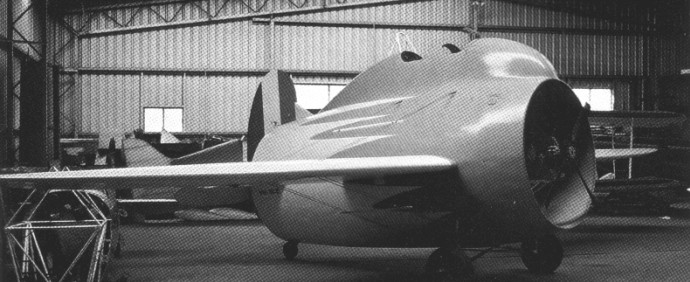
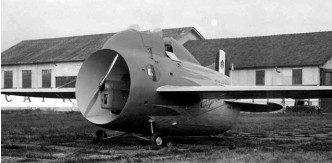
In 1933 Caproni was testing a new monoplane, call ed the “Flying Barel”, the standard fuselage was replaced with a hollow barel-shaped body that was intended to reduce drag.
The Flying Barel has a 47 t wingspan and wing area of 205 sq.ft.
The 1919 Stout Cootie was a single-place open cockpit, mid-wing monoplane with a thick cantilever wing. The wingspan was about 18 feet. Taken to Morrow Field in Detroit for testing in March 1919, but the 38hp two-cycle Sperry-Wills engine refused to run and the aircraft never flew.
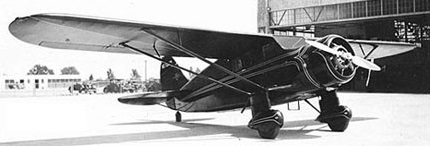
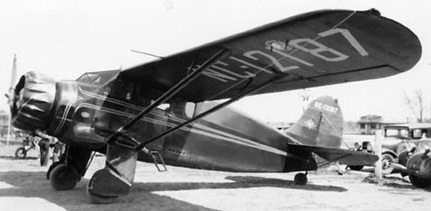
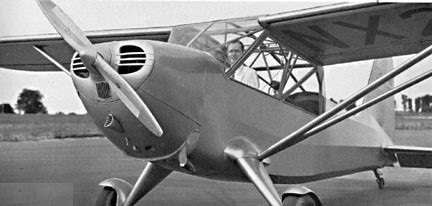
The Stinson R / R-1 (ATC 457) of 1932 was designed by Robert Ayer and C R Irvine as a four-place cabin high wing monoplane. A deluxe Junior, and forerunner of Reliant, powered by a 215hp Lycoming R-680 engine, the R-1 was to have a retractable gear added, but was never built.
Thirty R-1 were sold, priced at $5,595, including NC436M/440M, NC446M/448M, NC479M, NC10861, NC10874, NC10876, NC12134, NC12139, NC12147/12156, prototype NC12178, NC12189, and NC12197.
Stinson R NC12153
Eddie Stinson was fatally injured in a crash landing of the prototype R on 25 January 1932.
The 1932 R-2 (ATC 489), powered with a 240hp Lycoming R-680 engine, was advertised for $6,497 with retractable gear modification, but none was produced as such. Three were built; NS40, NX447M, and NX12178 modified from R, and possibly one other.
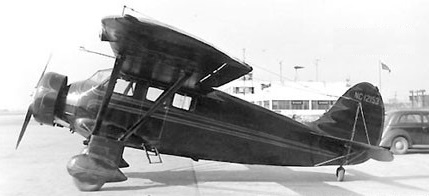
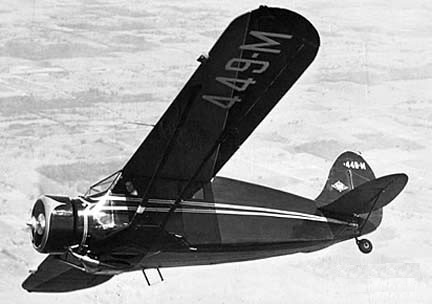
Stinson R-3 NC12187
The 1933 R-3 (ATC 493) was the same as the R-2, but with fixed, non-operating prototypical retracting gear. Three were built; NC449M, NC12131, and NC12187, priced at $5,995. Only one was so modified to operating retractable gear as R-3S
The 1934 R-3S (ATC 539) conversion from R-3 NC449M featured a 245hp Lycoming R-680 engine, controllable prop and other improvements.
The 1931 Stinson S Junior (ATC 423) was a four-place cabin, high wing monoplane. Initially priced at $4,995, rising to $4,595 in 1932, about 35 were built.
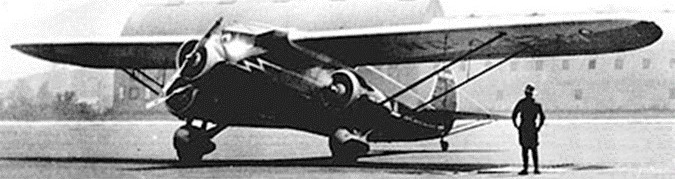
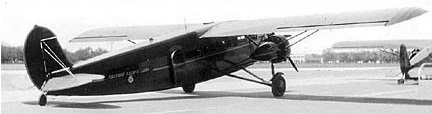
The 1932 Stinson Model U (ATC 484) was a 10-12 seat cabin monoplane, designed by Art Saxon. Almost a sesquiplane with its stub wings on the undercarriage, they were priced at $19,500.
Twenty-three were built for American Airways, including one for competition (NR/NC12127), and one experimental model, NX12132, that crashed on 2 August 1933.
Stinson U Prototype NC432M
ATC 2-413 was for a weight adjustment for prototype X/NC432M c/n 9000.
The 1933 U-1 (ATC 2-437) was an 11 seat Model U with three 285hp Wright R-760 engines. One was built for Eastern Air Transport, NX12129 c/n 9014.
U Engines: three 240hp Lycoming R-680BA Wingspan: 66’2″ (stub-wing 14’3″) Length: 45’3″ Useful load: 3100 lb Max speed: 145 mph Cruise: 123 mph Stall: 60 mph Range: 450-500 mi Ceiling: 14,000′ Seats: 10-12
The Stinson 76 Sentinel of 1940, designed by A P Fontaine, featured full-span slots, which created a problem during testing with near-fatal results. It first flew on 28 June 1941, powered by a 175hp Lycoming, and piloted by Al Schramm. With modification to half-span slots and enlarged tail surfaces it became final prototype for L-5.
The 1929 Stinson SM-4 Junior was a special retractable-gear, high-wing two-place cabin monoplane endurance plane, Sally Sovereign, developed from SM-1 NX9696 and powered by a 300hp Wright R-975 engine. It was damaged in a wheels-up landing after a failed endurance flight, piloted by Eddie Stinson and Randolph Page.
It was rebuilt with fixed gear as K of New Haven for an aborted attempt at a US-Argentina non-stop flight on 7/15/30, when the crew became lost in a fog over Georgia and ran out of gas. They bailed out and the SM-4 crashed to destruction.
One prototype SM-3 was built in 1927 for retractable gear tests. A four-place cabin low-wing monoplane, the SM-3 featured a tapered, strut-braced gullwing, and was powered by a 220hp Wright J-5C engine. Flown in one test by Eddie Stinson, who likened its flight characteristics to “a brick” and cancelled the project in 1928.
 All Aero