From 1937 Tachikawa produced a number of interesting designs which did not go into series production. These included the TS-1 single-seat ultra-light low-wing cabin monoplane.
Monoplane
Tachikawa A-26 / Ki-77
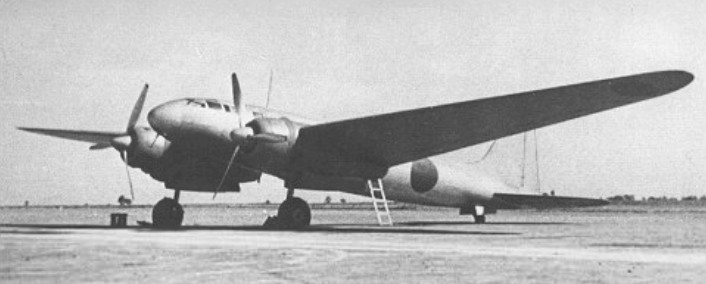
The A-26, later redesignated Ki-77, was a long-distance record aircraft with a remarkably slim fuselage and finely tapered wide-span monoplane wings. The first prototype flew on November 18, 1942, and later set two endurance records during the war. Two were built, the second was lost two months after completion.
Allied code name Clara.
Engines: 2 x Mitsubishi Ha.104ru, 1730 hp
Ki-77
Engines: 2 x Nakajima Ha-115, 875kW / 1170 hp
Max take-off weight: 16725 kg / 36873 lb
Empty weight: 7237 kg / 15955 lb
Wingspan: 29.44 m / 96 ft 7 in
Length: 15.3 m / 50 ft 2 in
Height: 3.85 m / 13 ft 8 in
Wing area: 79.56 sq.m / 856.38 sq ft
Max. speed: 440 km/h / 273 mph
Cruise speed: 300 km/h / 186 mph
Ceiling: 8700 m / 28550 ft
Range: 18000 km / 11185 miles
Crew: 5
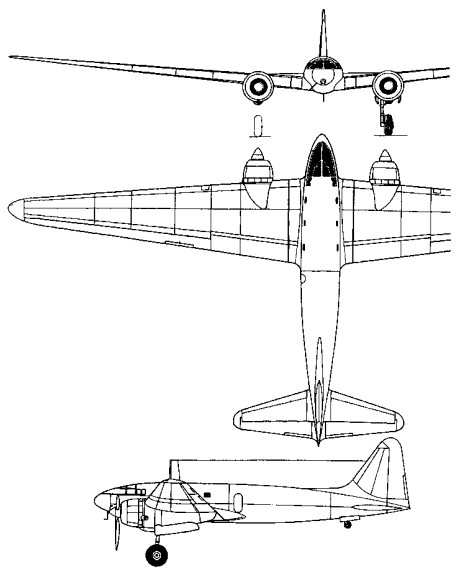
Tachikawa Ki-74
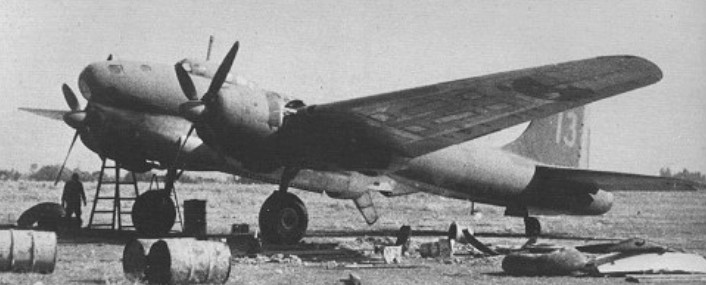
From 1937 Tachikawa produced a number of interesting designs which did not go into series production. The Tachikawa Ki-74 monoplane attracted official support. By 1941 the project had been confirmed as a long-range high-altitude bomber reconnaissance aircraft, and the first of the prototypes, powered by 1641kW turbocharged Ha-211-Ru radials, flew in March 1944.
Thirteen pre-production machines followed, powered by more reliable 1491kW Ha-104 Ru engines, giving a maximum speed of 570km/h at 8500m. They carried 1000kg of bombs and were defended by a single remotely-controlled 12.7mm machine-gun in the tail.
Although not used operationally, the Ki-74 received the Allied codename ’Pat’ when first identified, mistakenly, as a fighter. When it was discovered it was an experimental bomber, the name was feminised as ‘Patsy’.
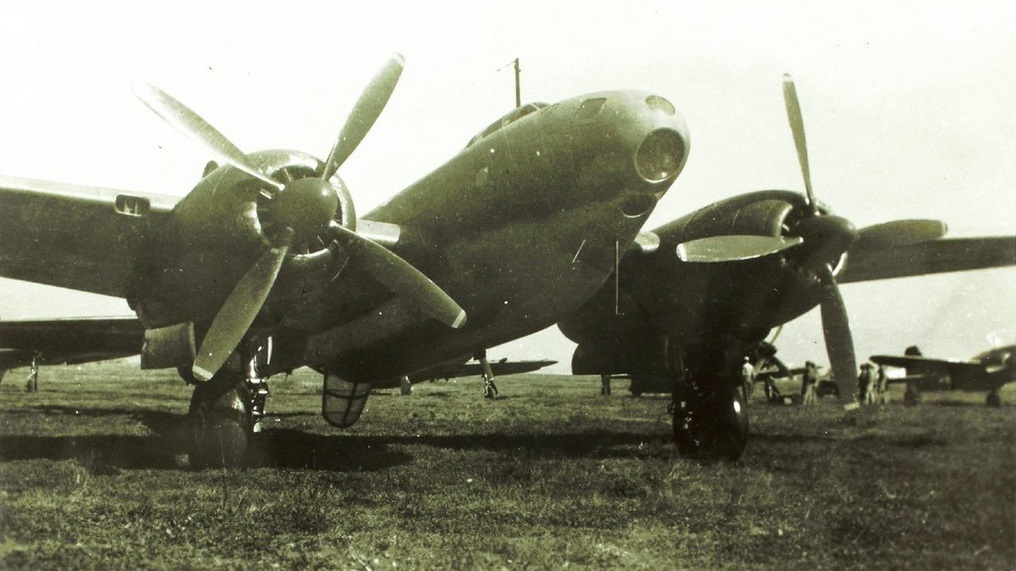
Ki-74
Engines: 2 x Mitsubishi Ha-104-Ru, 1500kW
Max take-off weight: 19400 kg / 42770 lb
Empty weight: 10200 kg / 22487 lb
Wingspan: 27 m / 89 ft 7 in
Length: 17.65 m / 58 ft 11 in
Height: 5.1 m / 17 ft 9 in
Wing area: 80 sq.m / 861.11 sq ft
Max. speed: 570 km/h / 354 mph
Cruise speed: 400 km/h / 249 mph
Ceiling: 12000 m / 39350 ft
Range w/max.fuel: 8000 km / 4971 miles
Armament: 1 x 12.7mm machine-guns, 1000kg of bombs
Crew: 5
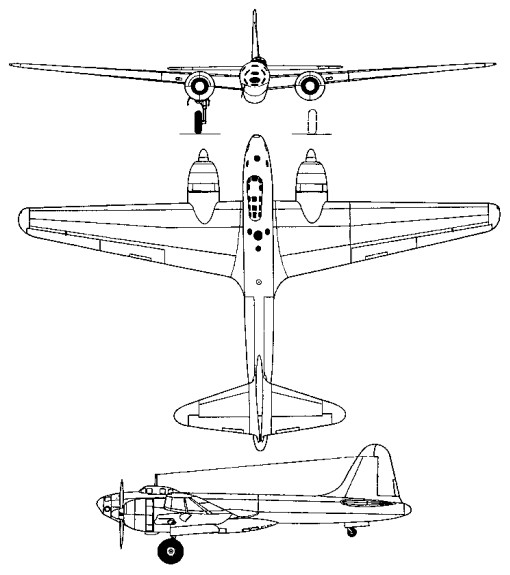
Tachikawa Ki-70
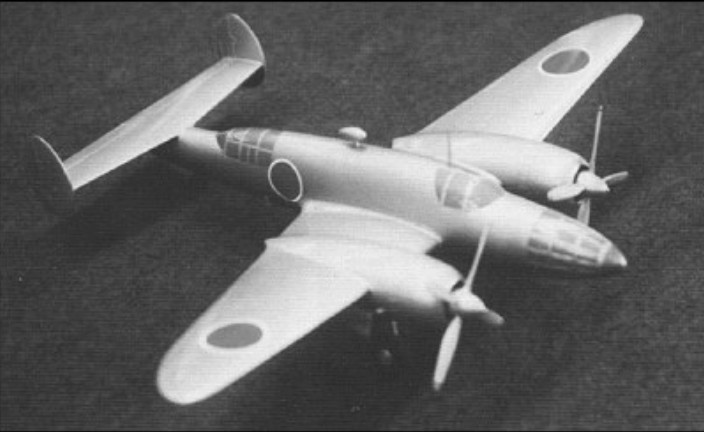
The Ki-70 was a twin-engined high-speed reconnaissance monoplane intended to replace the Ki-46. The first prototype flew in 1943. Built in prototype only, allied code name Clara was allocated as a result of identification in captured enemy documents. ‘Clara’ never appeared in any recognition manuals during the War for its appearance was a mystery until the Wat ended.
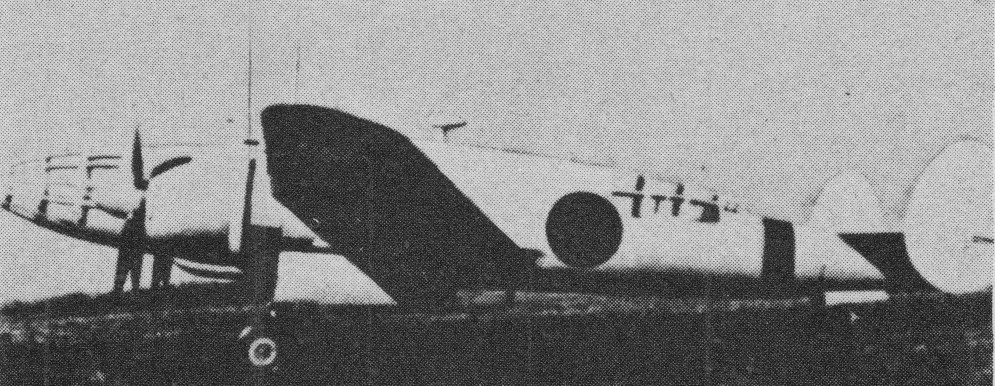
Ki-70
Engines: 2 x Mitsubishi Ha-104M, 1425kW
Max take-off weight: 9855 kg / 21727 lb
Empty weight: 5895 kg / 12996 lb
Wingspan: 17.8 m / 58 ft 5 in
Length: 14.5 m / 48 ft 7 in
Height: 3.46 m / 11 ft 4 in
Wing area: 43 sq.m / 462.85 sq ft
Max. speed: 580 km/h / 360 mph
Cruise speed: 490 km/h / 304 mph
Ceiling: 11000 m / 36100 ft
Range: 2480 km / 1541 miles
Crew: 3
Armament: 1 x 12.7mm machine-guns, 1 x 7.7mm machine-guns
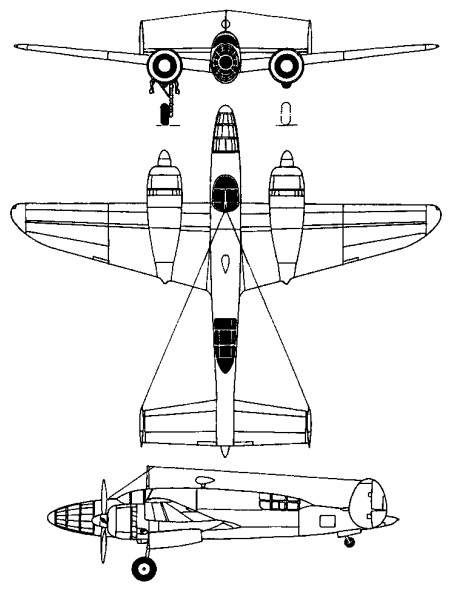
Tachikawa Ki-54 / Y-59
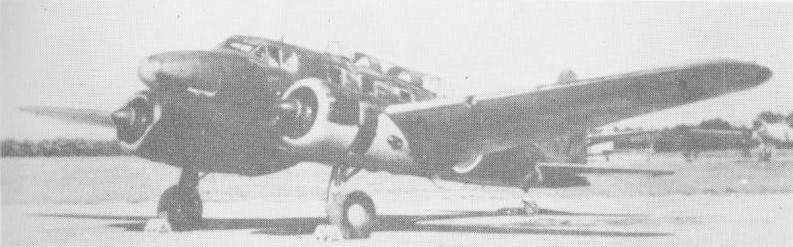
The Ki 54was a 1939 design by Ryokichi Endo of the Tachikawa Hikoki K K, as an advanced trainer/crew trainer, and made its first flight in mid 1940. It was a twin engined, low wing monoplane of all metal construction (except for the control surfaces, which were fabric covered) and had retractable landing gear. It was powered by two wing-mounted Hitachi Ha-13a radial engines. Successful testing led to the initial version intended primarily for pilot training, ordered during 1941 as the Army Type 1 Advanced Trainer Model A (Tachikawa Ki-54a).
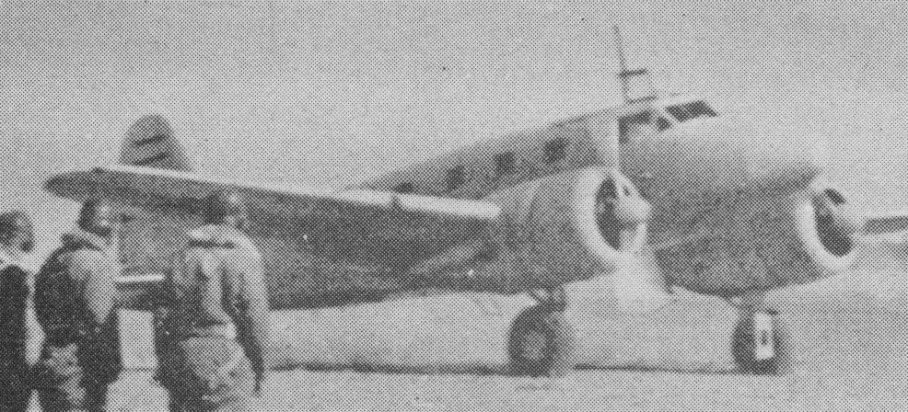
The initial military version, which entered production in 1941, was the Ki 54a or Army Type 1 Advanced Trainer Model A. Both the prototype and the Ki 54a were powered by two 510 hp Hitachi Ha 13a nine cylinder radial engines, each driving a two blade variable pitch propeller. Intended for pilot training, the Ki 54a was built in fairly small numbers before being supplanted by the Model B (Ki 54b), the most widely used version. Both models could carry from five to nine occupants. In the case of the Ki 54b (a bomber crew trainer) there were four stations for gunnery trainees who could each operate a free 7.7 mm (0.303 in) Type 89 machine-gun. The installation was characterized by twin dorsal turrets, a distinctive recognition feature of the Ki 54b.
Its operating reliability and roomy fuselage made the Ki 54 an obvious candidate for light transport and communications duties, and these were the functions of the third production version, the Ki 54c, or Army Type 1 Transport Model C. It differed from the previous variants in being unarmed, and therefore having no turrets on the fuselage. The Ki 54c carried a flight crew of two and eight passengers. Production included about two dozen civil examples (designated Y 59), some of which were used in Manchuria.
A fourth model, the Ki 54d antisubmarine patrol version, or Type 1 Patrol Bomber Model D, could carry an offensive load of 480 kg (1060 lb) of depth charges, but was not built or used in great numbers. Three developed versions of the Ki 54 were not finished before the end of the war. Completion of the Ki 110 prototype a wooden construction version of the Ki 54 was prevented by US air attack. The Ki 114, a development of the Ki 110, and the projected Ki 111 flight-refuelling tanker development of the Ki 59 were never built.
The Ki 54 was the standard aircrew trainer of the Second World War for the pilots of multi-engined aircraft, navigators, bomb aimers, radio operators and air gunners. It. Between 1940 45, Tachikawa produced 1368 examples 1342 of them for the Japanese army air force in a variety of models, all of which were given the name Hickory under the Allied Pacific codename system.
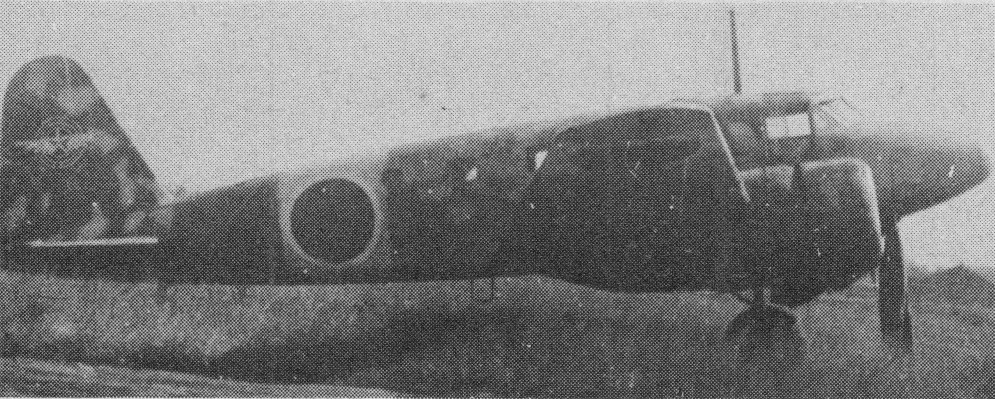
Ki 54b
Engines: 2 x Hitachi Ha-13a, 380kW
Span: 17.9 m (58 ft 9 in)
Length: 11.94 m (39 ft 2 in)
Height: 3.58 m / 12 ft 9 in
Wing area: 40 sq.m / 430.56 sq ft
Empty weight: 2954 kg / 6512 lb
Gross weight: 3897 kg (8590 lb)
Maximum speed: 376 km/h (234 mph)
Ceiling: 7180 m / 23550 ft
Range: 960 km / 597 miles
Crew: 2
Passengers: 8
Armament: 4 x 7.7mm machine-guns
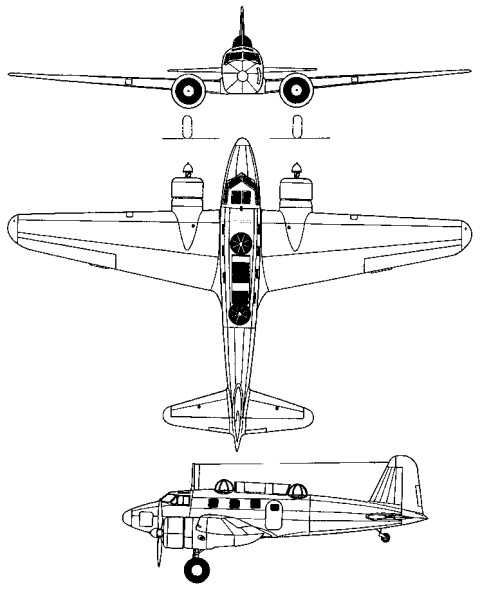
Tachikawa Ki-36 Ida / Ki-55 Ida
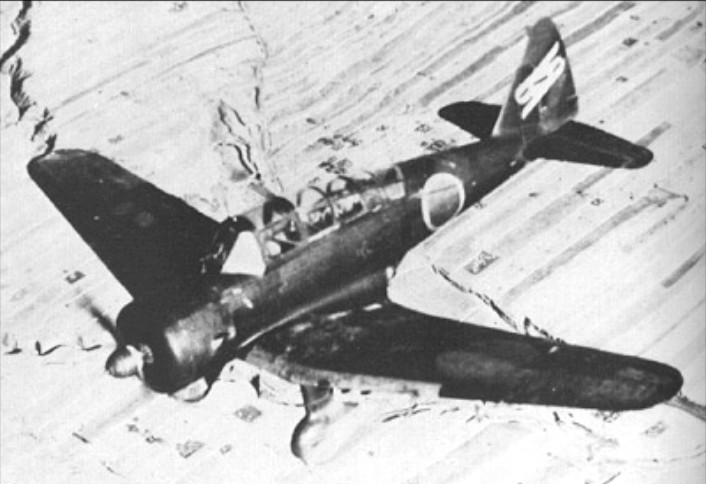
In 1937 army air headquarters authorized the construction of two prototypes of a two seat army cooperation aircraft developed by Ryokichi Endo’s design team from Tachikawa Hikoki K K (Tachikawa Aircraft Company).
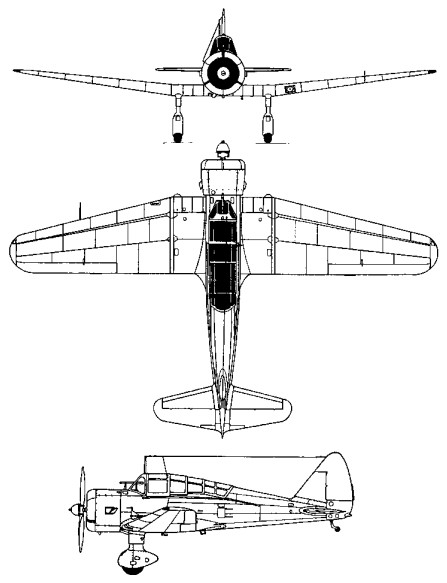
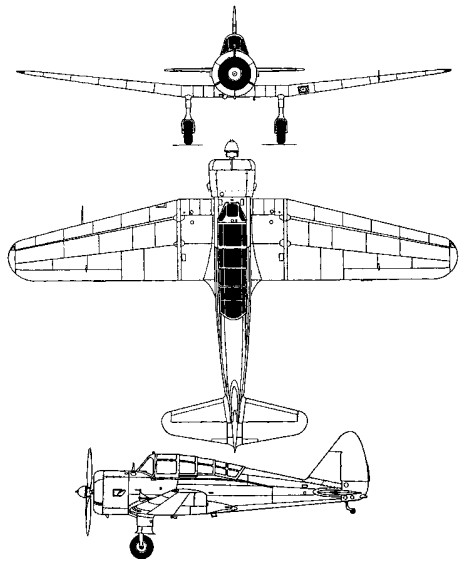
The first of two prototypes was flown on 20 April 1938 flew from Tachikawa airfield, the Tachikawa Ki-36 was a cantilever low-wing monoplane of all-metal basic structure, covered by a mix of light alloy and fabric. Landing gear was of fixed tailwheel type, the main units enclosed in speed fairings, and power was provided by a 336kW (450-hp) Hitachi Ha-13 radial engine. The two-man crew was enclosed by a long ‘greenhouse’ canopy and both men had good fields of view, that of the observer being improved by clear-view panels in the floor.
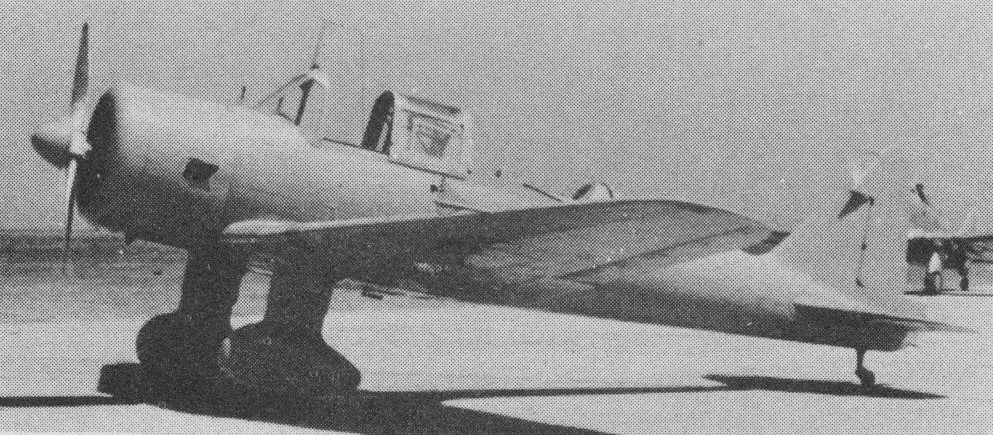
The aircraft was very sensitive to the controls and fully satisfied the army, although later production aircraft incorporated a 2′ wing washout to counter a tendency to stall which had become apparent during very tight manoeuvring.
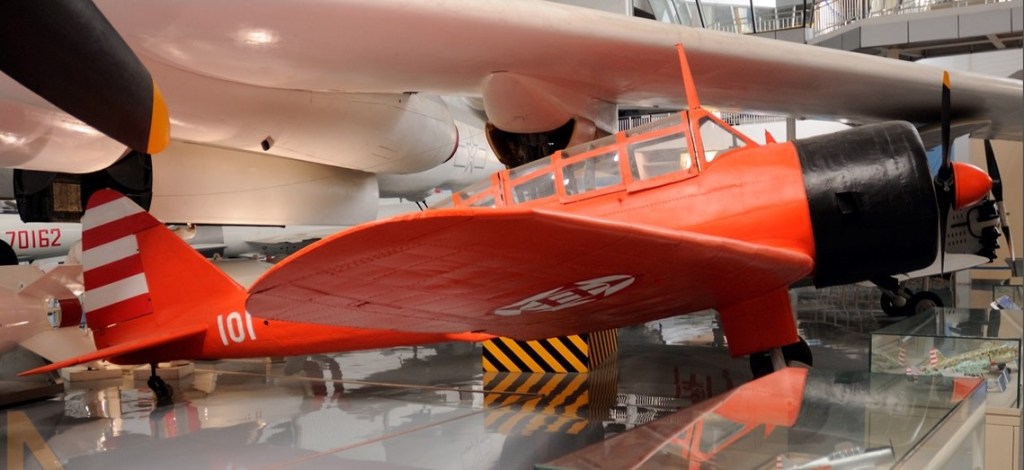
The type was ordered into production in November 1938 as the Army Type 98 Direct Co- Operation Plane. Generally similar to the prototypes, the type was armed with two 7.7mm (0.303-in) Type 89 machine guns, one in the engine cowling synchronized to fire through the propeller, and the other on a flexible mounting operated by the observer, and introduced the more powerful Hitachi Ha-13a engine. Up to 150 kg (330 lb) of bombs were carried on underwing racks. In 1939 Kawasaki joined the production programme.
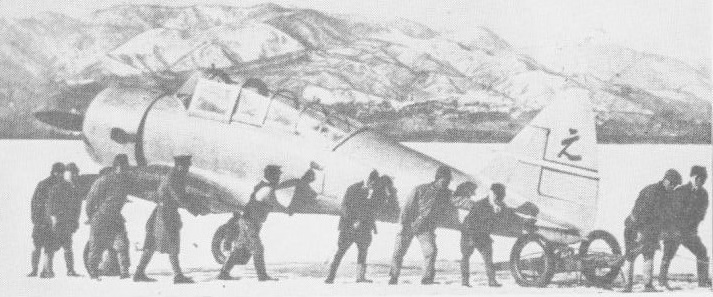
When construction ended in January 1944, a total of 1,334 had been built by Tachikawa (862) and Kawasaki (472).
The handling characteristics and reliability of the Ki-36 made the army realize that it was ideal for use as an advanced trainer, resulting in development of the Ki-55, intended specifically for this role and having armament reduced to a single forward-firing machine-gun. Following the testing of a prototype in September 1939, the army ordered this aircraft as the Army Type 99 Advanced Trainer; when production was terminated in December 1943 a total of 1,389 had been built by Tachikawa (1,078) and Kawasaki (311).
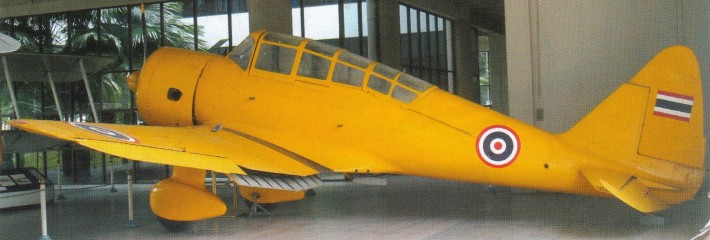
Both versions were allocated the Allied codename ‘Ida’, and the Ki-36 was first deployed with considerable success in China. However, when con¬fronted by Allied fighters at the begin¬ning of the Pacific War it was found to be too vulnerable, being redeployed in China where it was less likely to be confronted by such aircraft.
Ki 36s were employed against the Allies from December 1941, but were withdrawn from 1943 onwards, in which role, with wheel spats removed and necessary equipment modifications, they were very successful, so much so that production as the Army Type 99 Advanced Trainer or Ki 55 was initiated by both Tachikawa and Kawasaki. . In the closing months of the war, many examples of both versions were pressed into service as suicide bombers carrying a 250 kg (550 1b) or 500 kg (1100 lb) bomb. Allied name for all models was Ida.
Twenty-four Ki-55 served with the RTAF throughout the period of Japanese ascendancy and the immediate post war period. One survives.
Ki-36
Engine: one 380-kW (510-hp) Hitachi Ha- l3a radial
Maximum speed 348 km/h (216 mph) at 1800 m(5905 ft)
Cruising speed 235 km/h (146 mph)
Service ceiling: 8l50 m (26740 ft)
Range 1235 km (767 miles)
Empty weight 1247 kg (2749 lb)
Maximum take-off 1660 kg (3,660 lb)
Wing span 11.80 m (38 ft 8.6 in)
Length 8.00 m (25 ft 3 in)
Height 3.64 m (11 ft 11.3 in)
Wing area 20.00 sq.m (215.29 sq.ft)
Armament: two 7.7-mm (0.303-in) machine-guns
Bombload: 150 kg (331 lb)
Crew: 2
Ki-55
Engine: 1 x Hitachi Ha-13a, 380kW
Span: 11.8 m (38 ft 9 in)
Length: 8 m (26 ft 3 in)
Height 3.64 m (11 ft 11.3 in)
Wing area 20.00 sq.m (215.29 sq.ft)
Empty weight: 1292 kg / 2848 lb
Gross weight: 1721 kg (3794 lb)
Maximum speed: 348 km/h (216 mph).
Cruising speed 235 km/h (146 mph)
Ceiling: 8200 m / 26900 ft
Range: 1060 km / 659 miles
Crew: 2
Szep HFC-125
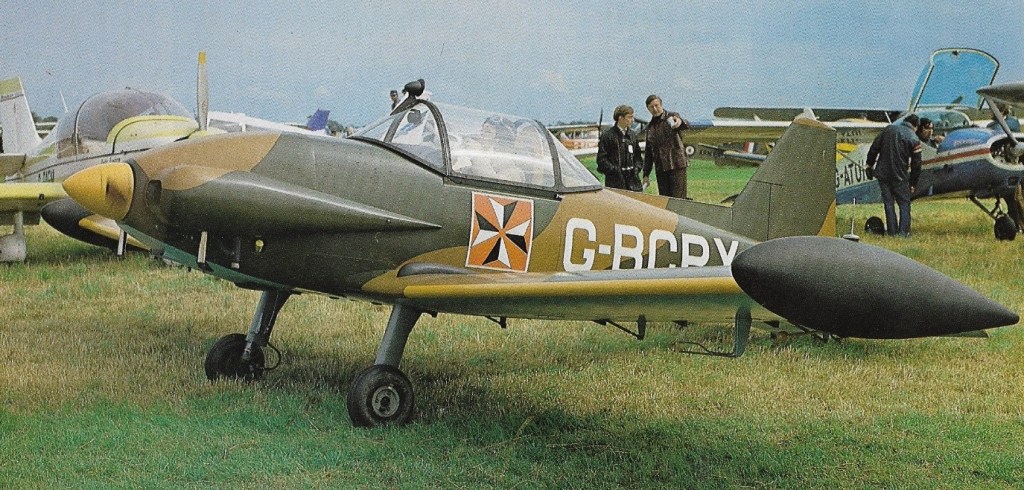
Andrew Szep designed and built the HFC-125 over a five year period, finished in 1979.
Registered G-BCPX PFA 012-00019/ msn AS.001, power was a Lycoming O-290-G engine.
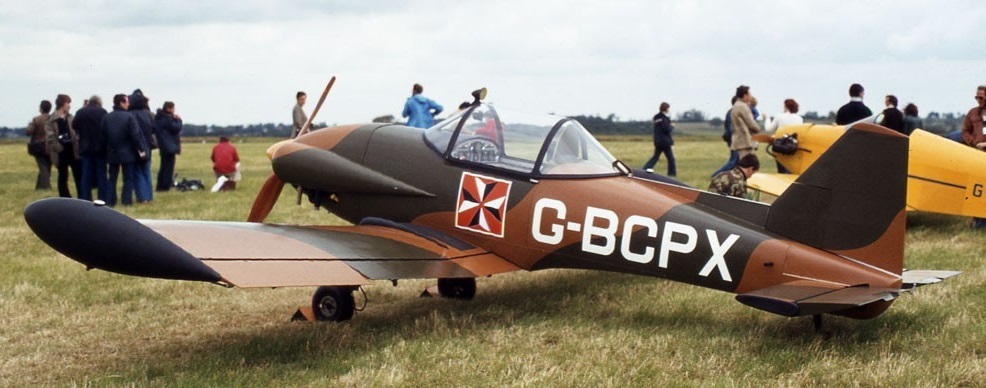
The registration was cancelled on 2000-01-11 and it resides in the Magyar Műszaki és Közlekedési Múzeum in Hungary in 2014.
Szekely Flying Dutchman
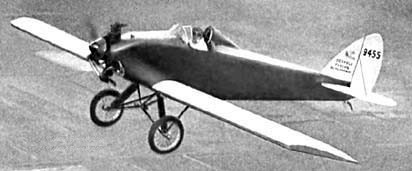
In 1930, at Holland, Michigan, Szekely Corp made small single-seat low-wing cantilever monoplane called Flying Dutchman.
Priced at $2,200, three were built, registered NX4448, N9455, and N910.
An open cockpit, low wing monoplane powered by a 150hp Hisso A, one was built for W C Williams of San Antonio TX (N910). It crashed in October 1927 as a reported “total washout.”
Engine: 40hp Szekely SR-3
Wingspan: 26’0″
Length: 18’6″
Useful load: 215 lb
Max speed: 80 mph
Cruise: 70 mph
Stall: 25 mph
Range: c.300 mi
Seats: 1
Székely IV

The Székely IV Parasol of 1913 was designed and built by the Hungarian Mihály Székely (Hungary then part of the K.u.k – Austro-Hungary). A typical parasol wing machine with the pilot and passenger sitting in a nacelle beneath the wing-tractor configuration, with the engine high before the wing and petrol tanks above.

1913 Szekely IV 2-seater “parasol” monoplane received 2nd altitude prize achieving 610 meters.

Span: 36’1″
Length: 28’11”
Weight empty: 521 lbs
Speed: 44 mph
SZD IS-2 Mucha
The SZD-22 Mucha Standard Standard Class single-seater had its origins in the IS-2 Mucha (or Fly) intermediate single-seater of 1948, which was produced in several versions and used in some numbers by the Polish gliding clubs; the Mucha-ter set up several national records for altitude and distance, and the type achieved several Diamond C flights. The IS-2 Mucha had a single-spar high wing with an aspect ratio of 15, and was fitted with dive brakes and spoilers; the fuselage was of elliptical cross-section. The Mucha-ter was developed into the SZD-12 Mucha 100 of 1953, this single-seater being used for training. It was of all-wood construction, the cantilever high wings having a single main spar and an oblique auxiliary spar, with a plywood-covered leading edge torsion box; air brakes were fitted and the ailerons were aerodynamically and mass balanced. The oval-section fuselage was plywood-covered and the pilot sat under a onepiece Plexiglas canopy. Landing gear consisted of a monowheel and short front and rear skids sprung with rudder pads.
 All Aero