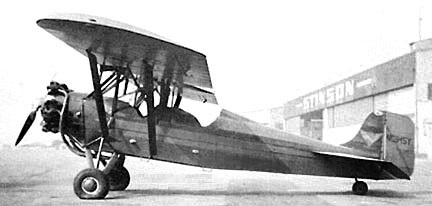
The sole 1931 TW-120 Collegiate (2-323) built, N945Y c/n 106, was a two place, open cockpit monoplane powered by a 120-130hp Western L-7 engine.
The sole 1931 TW-120 Collegiate (2-323) built, N945Y c/n 106, was a two place, open cockpit monoplane powered by a 120-130hp Western L-7 engine.
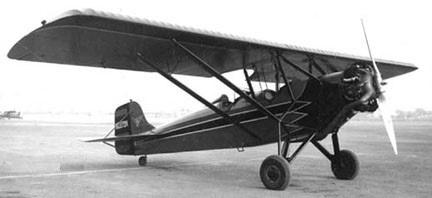
The 1930 TC-165 Collegiate (2-265) was a two place, open cockpit, high-wing monoplane. Powered by a 165hp Continental A-70, only one was built, NX16E.
The M-150 Collegiate NX/NC279V of 1930 (2-239) was similar to the K-100, but with a 150hp McClatchie Panther engine. As City of Los Angeles, The M-160 set an endurance record of 378h:48m in flying the equivalent of 27,677 miles over Rosamond Dry Lake CA in 1930.
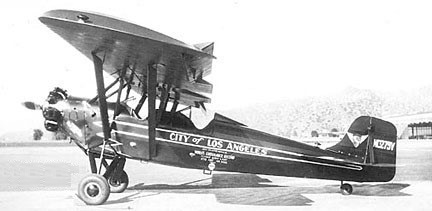
Engine: 150hp McClatchie Panther
Useful load: 706 lb
Max speed: 118 mph
Stall: 35 mph
Range: 500 mi
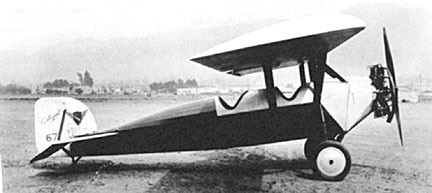
The K-90 Collegiate (ATC 180) built in 1928 was O W Timm’s first company and first commercial plane. The prototype NX/NC887E c/n 102, was initially powered by a 90hp Anzani.
The K-100 had a 130hp Comet [C337] c/n 101.
One each of the K-90 and K-100 were built, priced at $5,500.
K-90 Collegiate
Engine: 90hp Anzani
K-100 Collegiate
Engine: 100hp Kinner K-5
Wingspan: 35’0″
Length: 24’7″
Useful load: 643 lb
Max speed: 108 mph
Cruise speed: 92 mph
Stall: 35 mph
Range: 600 mi
Seats: 2
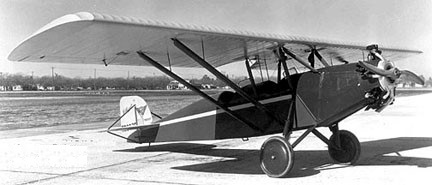
The 1930 Timm C-165 Collegiate (ATC 2-209) was a two place monoplane powered by a 165hp Comet 7-E engine. Two were built: NC337 and NC887E.
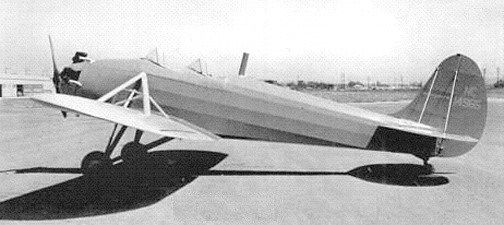
The Aerocraft 2AS of 1938 was a Kinner B-2R Sportwing modified to satisfy USAAC’s requirements for a two-place primary trainer. Orders were not placed, but went to the Fairchild PT-19 instead.
Only the one prototype was built, NC14965 c/n 230.
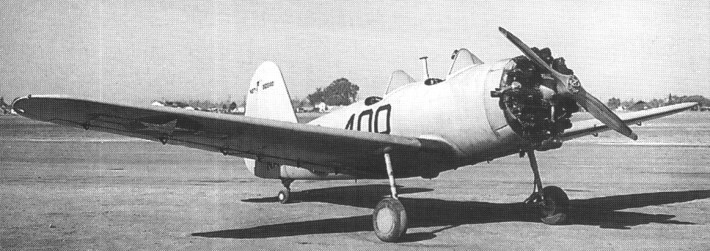
Under the trade name Aeromold, the Timm Aircraft Corporation developed a special form of construction using bonded plywood. To validate the new structural medium and ultimately to provide a commercial outlet, the company produced its private-venture S-160 / PT-160K (747) cantilever low-wing trainer with tandem accommodation in open cockpits and fixed tailwheel landing gear whose main units looked very spartan with their unfaired tubular metal legs. Designed by Otto Timm the sole S-160, NX15593, had an optional cockpit canopy.
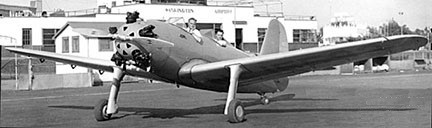
Don Mitchell went to the new Timm Aircraft factory in Van Nuys, where he helped with the molding of the fuselage of the S-160, a plastic-bonded wood basic trainer developed for use by the U.S. Navy and U.S. Army Air Corps. Mitchell later assisted the Civil Aeronautics Administration when the time came to perform the static tests of the aircraft. It passed with flying colours and later became, in April 1941, one of the first if not the very first ever plastic-bonded aircraft to receive an American Approved Type Certificate.
This prototype was developed into the PT-175K (750 2-573) for the civil market, and 262 of a modified variant with the Continental R-670 radial engine were ordered by the US Navy with the designation N2T-1, the aircraft being delivered in three batches during the course of 1943. The one prototype was NX15593 and 262 to the USN as N2T-1 were 41-05875 & 41-05876, 41-32387-32636, and 41-39182-39191.
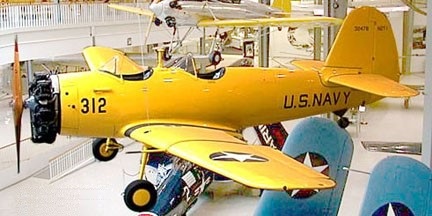
The USAAF operated them as PT-220.
S-160 / PT-160K
Engine: Kinner R-5, 160hp
Wingspan: 35’0″
Length: 26’4″
Useful load: 614 lb
Max speed: 137 mph
Cruise speed: 125 mph
Stall: 42 mph
Range: 450 mi
Seats: 2
PT-175K
Engine: Kinner R-5, 175hp
Length: 25’6″
Useful load 700 lb
Max speed: 140 mph
Cruise speed: 126 mph
Stall: 50 mph
Range: 520 mi
Seats: 2
N2T Tutor
two-seat primary trainer
Powerplant: l x Continental R-670-4, 164kW (220 hp)
Span: 10.97m (36ft)
Length: 7.57m (25ft 10 in)
Max TO weight: 1236 kg (2,725 lb)
Useful load: 680 lb
Max speed: 144 mph at sea level
Cruise speed: 120 mph
Stall: 50 mph
Range: 350 mi
Seats: 2
Armament: none
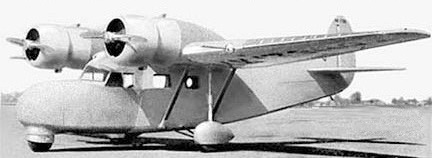
Designed by Wally Timm, Timm Aircraft produced prototype T-840 twin-engined six-seat transport.
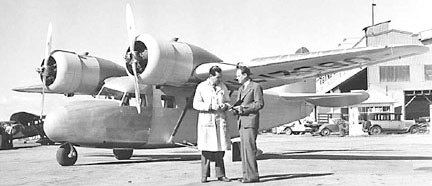
The T-840 featured plastic-bonded plywood (Aeromold) construction, tricycle gear, and wing slots.
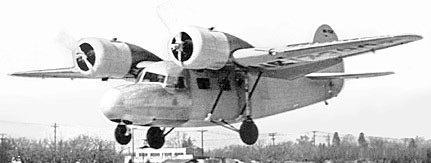
First flying in February 1938, only one was built, NX17390.
Engines: 2 x Wright R-975E, 420hp
Wingspan: 50’0″
Length: 30’6″
Useful load: 384 lb
Max speed: 207 mph
Cruise speed: 193 mph
Stall: 60 mph
Range: 790 mi
Seats: 6-10
The Timm Monoplane was built in the early 1900s and described only as this with an OX-5 engine. One was built, registered N1782.
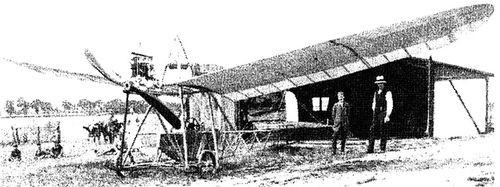
Heinrich Timm, owner of a sawmill in Kummer near Ludwigslust, built two monoplanes. The first in 1912, and an improved model in 1913. Both of them flew. An earlier doppeldecker was not completed. The latter eindecker, something of a Taube-Blériot hybrid, was flown regularly until WWI, although Timm did not have a flying licence until, after joining the German flying corps, passed his “Feldpilotenprüfung” in 1915. Timm, born in 1885, died in the winter of 1917, having succumbed from severe burns suffered in a crash landing.
 All Aero