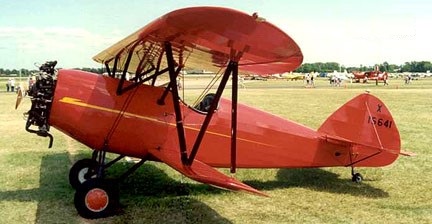
Only one Speed Bird Corp Model A was built, NX15641 in 1935. It was a two place open cockpit biplane, powered by an 85hp LeBlond 5DF engine.
Only one Speed Bird Corp Model A was built, NX15641 in 1935. It was a two place open cockpit biplane, powered by an 85hp LeBlond 5DF engine.
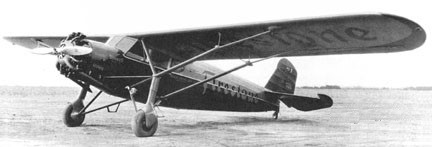
The 1920 C4 model (ATC 300) was powered by a 240hp Wright J-6 engine. Selling for $9,750, five were built, the first model, NC750N, had a smaller rudder.
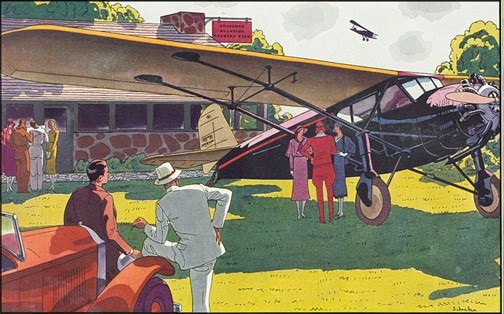
Five of the 1930 C4-225 (ATC 310) were built (NC750N to NC752N, and NC10482 to NC10483), selling for $11,700. They were powered with a 225hp Wright J-6 engine.

Three of the 1930 C4-300 and C4-301 / E4-301 (ATC 394) were built (NC981N, NC988N, and NC10593), powered with a 300hp P&W Wasp Jr and selling for $11,900.
C4
Engine: 240hp Wright J-6
Wingspan: 50’0″
Length: 32’3″
Useful load: 1190 lb
Max speed: 130 mph
Cruise: 110 mph
Stall: 50 mph
Range: 700 mi
Seats: 4
C4-225
Engine: 225hp Wright J-6
Length: 32’7″
Useful load: 1398 lb
Max speed: 143 mph
Cruise: 121 mph
Stall: 56 mph
Range: 600 mi
C4-300 / C4-301 / E4-301
Engine: 300hp P&W Wasp Jr
Useful load: 1448 lb
Max speed: 145 mph
Cruise: 128 mph
Stall: 57 mph
Range: 610 mi
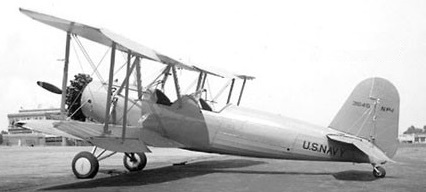
In 1940 U.S. Navy ordered 201 Spartan NP-1 biplane trainers for new Naval Reserve schools, serial numbers 3645 to 3845.
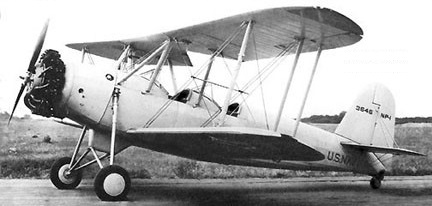
Engine: 220hp Lycoming R-680-8
Wing span: 33’9
Length: 24’3″
Useful load: 706 lb
Max speed: 108 mph
Stall: 48 mph
Range: 300 mi
Ceiling: 13,200′
Seats: 2
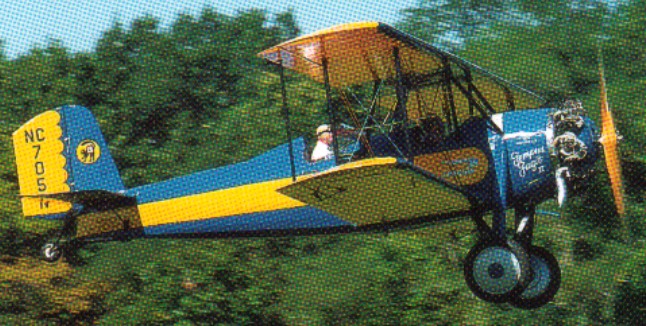
First flying on 25 October 1936, the three-seat, open cockpit Spartan C3 was built with various engines.
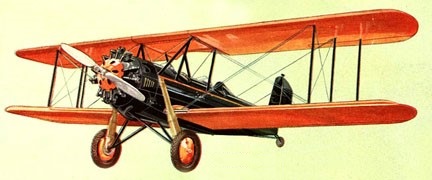
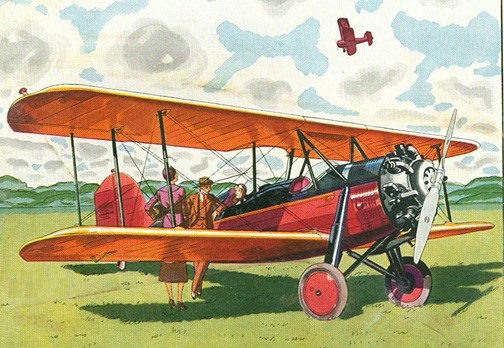
Designed by Willis Brown, the 1928 125hp Ryan-Siemens powered C3-1 (ATC 71) was priced at $5,200. About 100 were built.
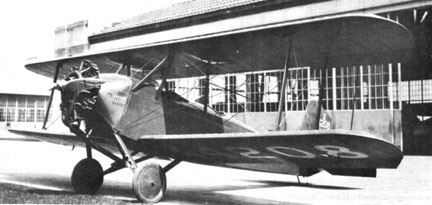
Four of the 1928 C3-2 (ATC 73) were built (N8063, NC10003, NC10080, NC11985) powered by a 120hp Walter, redesignated C3-120 in 1929

The 1929 thee-seat C3-3 (ATC 2-77) was powered by a 170hp Curtiss Challenger engine.
The 1929 C3-4 (ATC 2-78) was powered by a 115hp Axelson A engine.
The 1929 C3-5 (ATC 2-79), later re-designated C3-165, was powered by a 165hp Wright J-5 engine.
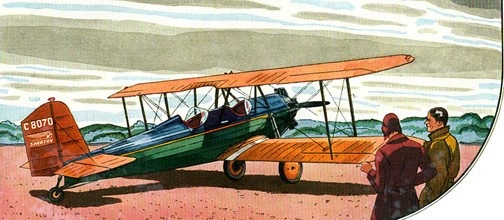
Over forty of the 1929 C3-165 (ATC 195) were built, priced at $6,750 and increasing to $5,975 in 1930.
Only one C3-166 (ATC 290) was built, NC707N. Built in 1929 it was similar to the C3-165, powered by a 165hp Comet 7-E engine, and priced at $5,675.

Fourteen of the 1930 C3-225 (ATC 286) were built, powered by a 225hp Wright J-6 engine, and priced at $7,750.
C3-1
Engine: 125hp Ryan-Siemens
Wingspan: 32’0″
Length: 23’6″
Useful load: 800 lb
Max speed: 115 mph
Cruise: 98 mph
Stall: 42 mph
Range: 450-500 mi
Ceiling: 11,000 ft
C3-2 / C3-120
Engine: 120hp Walter
C3-3
Engine: 170hp Curtiss Challenger
Seats: 3
C3-4
Engine: 115hp Axelson A
C3-5 / C3-165
Engine: 165hp Wright J-5
C3-165
Engine: 165hp Wright J-6
Length: 23’2″
Useful load: 905 lb
Max speed: 115 mph
Cruise: 100 mph
Stall: 45 mph
Range: 500+ mi
C3-166
Engine: 165hp Comet 7-E
C3-225
Engine: 225hp Wright J-6;
Length: 23’3″
Useful load: 959 lb
Max speed: 130 mph
Cruise: 110 mph
Stall: 55 mph
Range: 460 mi
Early in 1927 Spartan G-3 three-seat open-cockpit biplane was built by Mid-Continent Aircraft Company.
Designed by Willis Brown, the prototype first had a 100hp LeRhône rotary, later changed to a 125hp Ryan-Siemens.
Engine: 125hp Ryan-Siemens
Wingspan: 32’0″
Length: 23’6″
Useful load: 800 lb
Max speed: 115 mph
Cruse: 93 mph
Stall: 37 mph
Range: 600 mph
Seats: 3
(John Nicholas) Sparling Propeller & Aeroplane Factory
E St Louis MO.
USA
In 1912 the Sparling Propeller & Aeroplane Factory built a single-place, open biplane, personal representation of the Curtiss headless design with trailing-edge top-wing ailerons.
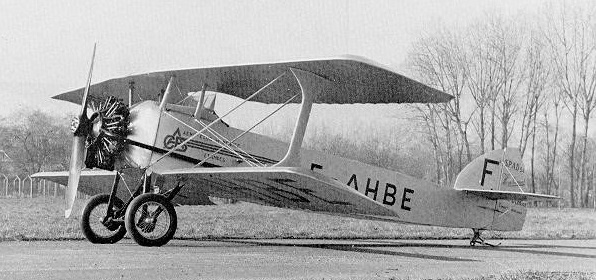
The SPAD S.54 was a French biplane trainer aircraft of the early 1920s, developed by Société Pour L’Aviation et ses Dérivés (SPAD).
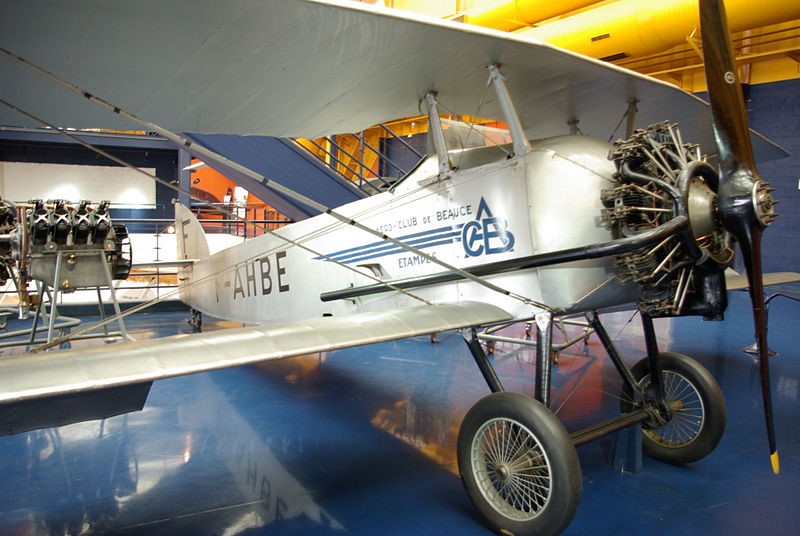
Designed by Louis Béchéreau, the S.54 first flew on 23 February 1922.
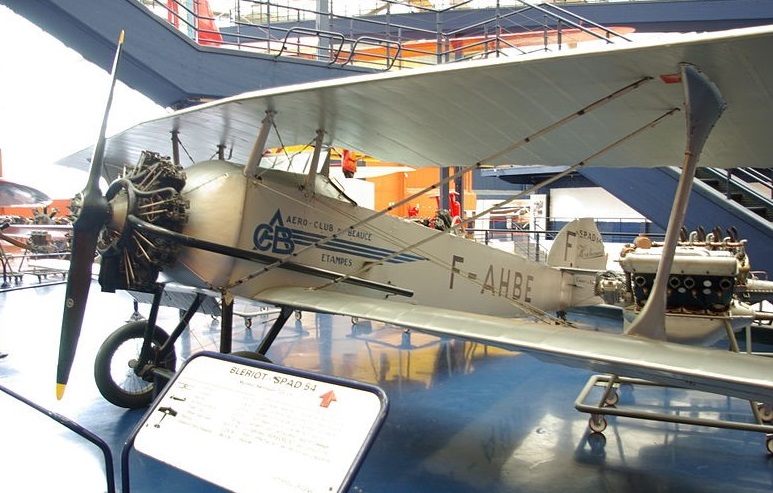
Twenty-five were built, operated by the Aéronautique Militaire.
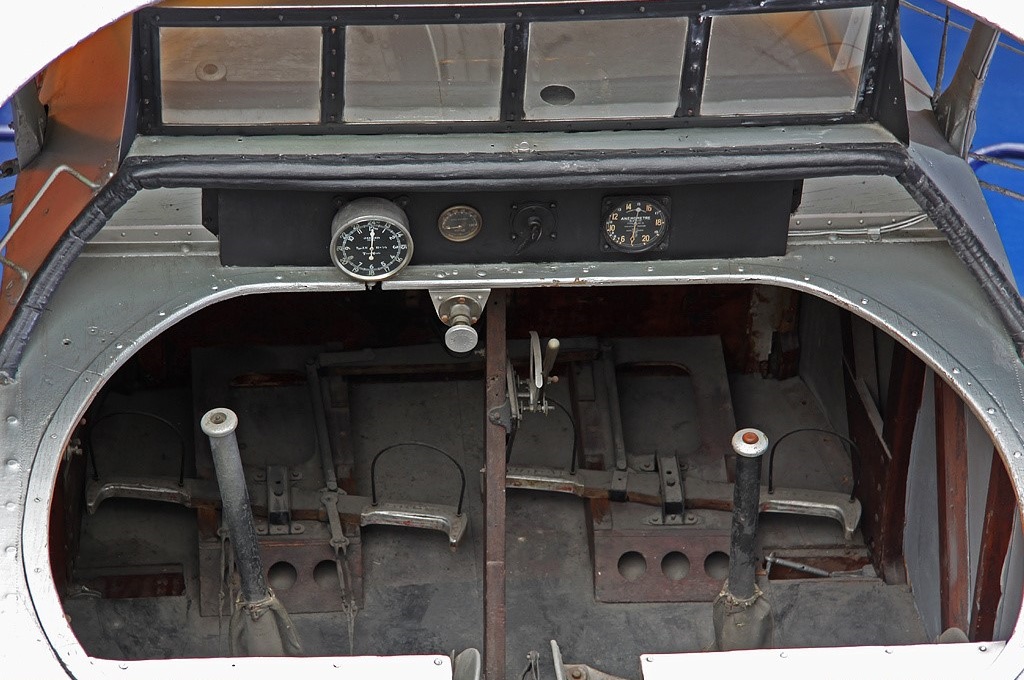
Engine: 1 × Clerget 9B, 97 kW (130 hp)
Wingspan: 8.96 m (29 ft 5 in)
Wing area: 23.52 m2 (253.2 sq ft)
Length: 7.24 m (23 ft 9 in)
Height: 2.57 m (8 ft 5 in)
Empty weight: 520 kg (1,146 lb)
Gross weight: 757 kg (1,669 lb)
Maximum speed: 120 km/h (75 mph, 65 kn)
Crew: 2
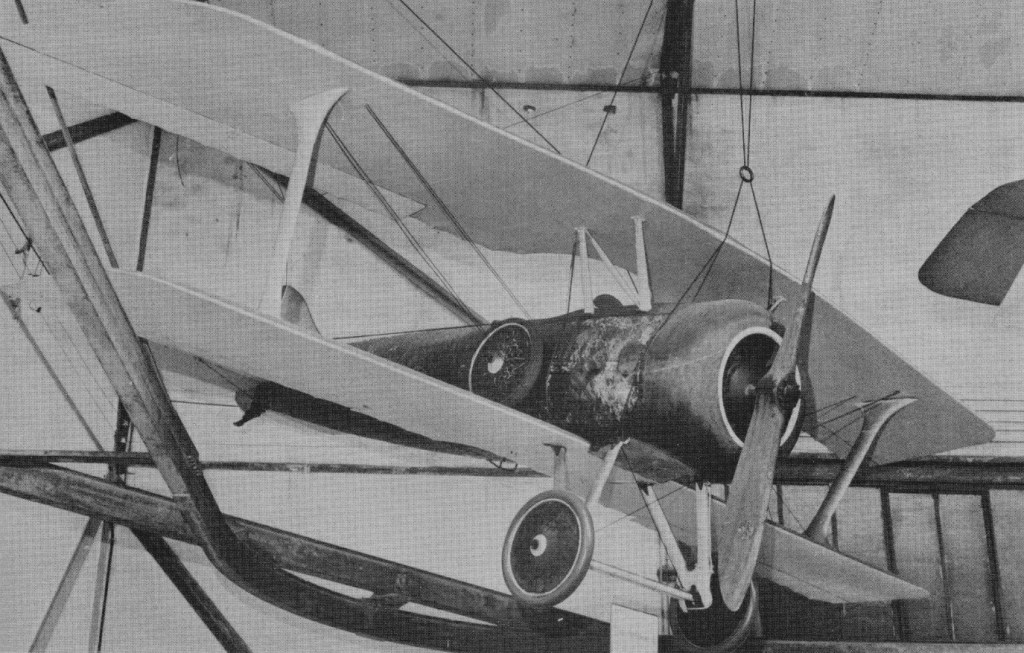
Derived from the SPAD 29, this was a one-and-only for aerobatic pilot Jean Casale who used it during air meets. The craft carried a spare wheel on each side of the fuselage.
It was donated to a museum by racing pilot Sadi-Lecointe.
Engine: Gnome-Rhone, 120 hp
Wingspan: 25.26 ft
Length: 18.99 ft
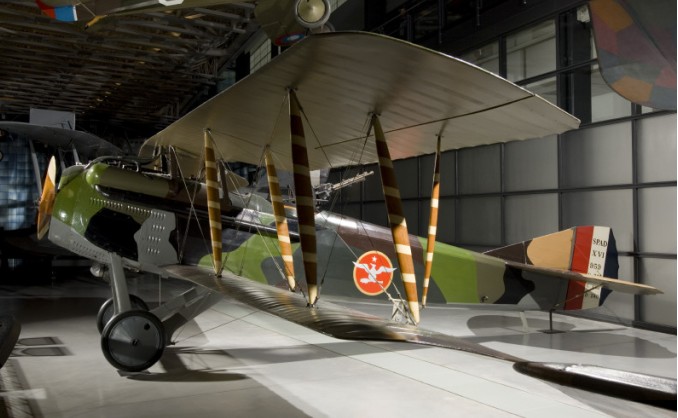
The Spad XVI was a two-seat version of the very successful single-seat Spad fighters of World War I, the Spad VII and the Spad XIII. The first Spad two-seater design to see front-line service was the Spad XI. The Spad XVI was an attempt to improve upon it by replacing the Spad XI’s 220-horsepower Hispano-Suiza engine with a 240-horsepower Lorraine-Dietrich 8Bb. The Spad XVI appeared in January 1918. It was slightly faster than the Spad XI, but had a lower ceiling and the same poor handling qualities. It offered no overall improvement. Nevertheless, approximately 1,000 Spad XVIs were built, ultimately equipping 32 French escadrilles.
Wingspan: 11.2 m (36 ft 9 in)
Length: 7.8 m (25 ft 7 in)
Height: 2.8 m (9 ft 2 in)
Weight: Empty, 906 kg (1,994 lb)
Gross, 1,140 kg (2,508 lb)
Materials:
Airframe: Wood
Covering: Fabric
Physical Description:
Single-engine, two-seat, French-built World War I reconnaissance and bomber aircraft; 240-horsepower Lorraine-Dietrich 8Bb engine.
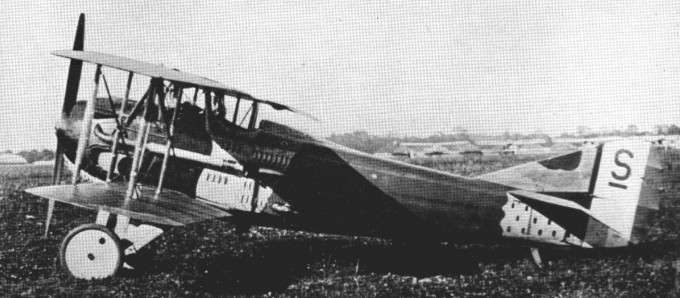
The SPAD XIII designed by M.Béchereau replaced the S.VII from mid-1917 with more power and double the armament. A two bay biplane, the two spar wooden wings and wooden fuselage are fabric covered. Conventional controls are fitted with ailerons are on the top wing only. Wings and control surfaces all have wire trailing edges giving the scalloped look.
The SPAD XIII had an exhaust-driven supercharger mounted vertically behind the cockpit. But this early development was hampered by lack of suitable alloys for the supercharger rotors.
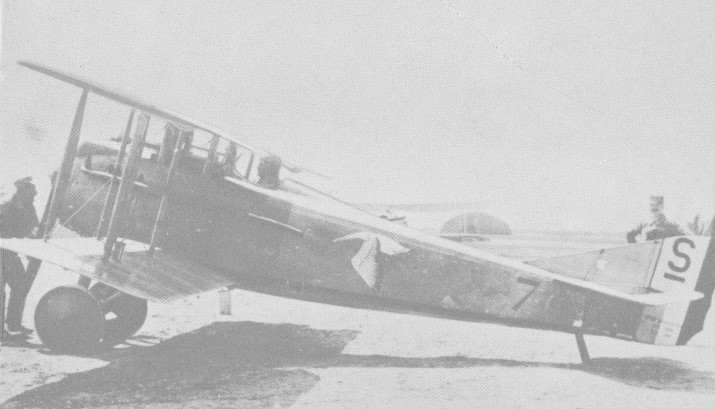
It was the Spad S.XIIIC.1 which was used almost exclusively by US and French squadrons in France in 1918. It was built initially with a 200 hp Hispano engine, but later models had a 235 hp Hispano, which made them very fast indeed. Standard armament was twin Vickers guns, but some, re designated S.17, carried cameras for high speed photo-reconnaissance duties.
There were flown about sixty Spad VII and XIII in Czechoslovakia after the Great War.
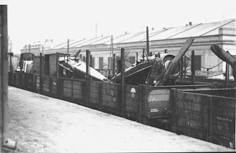
The Spad XIII was produced and deployed in great numbers. By the end of 1918, the parent company and eight other French manufactures had built 8,472. Almost every French fighter squadron was equipped with them by the end of the war, as well as the American units that were part of the American Expeditionary Force. Spads were also used by the British, the Italians, the Belgians, and the Russians.

Ultralight replica:
Squadron Aviation SPAD XIII
Loehle Aviation Spad XIII
Early Bird Aircraft Spad XIII
Light Sport Replica:
R.A.D. Inc Spad XIII
Engine: Hispano Suiza Model E, 180hp.
Engine: Hispano Suiza 8BA 8 cylinder, 220 hp
Length: 20 ft 4 in
Wingspan: 26 ft 4 in
Speed: 133 mph
Ceiling: 22,300 ft
Range: 200 miles
Engine: 220-horsepower Hispano-Suiza 8Be
Wingspan: 8.2 m (26 ft 11 in)
Length: 6.3 m (20 ft 8 in)
Height: 2.4 m (7 ft 11 in)
Weight: Empty, 566 kg (1,245 lb)
Gross, 820 kg (1,808 lb)
Max speed: 130 mph at 6000 ft
Service ceiling: 22,300 ft
Endurance: 2 hr
Seat: 1
Armament: 2 x Vickers mg
S.XIIIc.1
Span 20 ft. 4 in
Length 20 ft. 8 in
Height 7 ft. 6 in
Wing area 215 sq. ft
Max. speed 138.5 mph
Service ceiling 22,350 ft
S.XIIIc.1
Engine: Hispano Suiza, 220 hp
Span: 8.08 m
Length: 6.22 m
Empty weight: 570 kg
Top speed 215 km.p.h
Climb to 2000 m: 4 min 24 sec
Service ceiling: 6650 m
Range: 295 -400 km
Armament: two synchronized machine guns over the engine
 All Aero