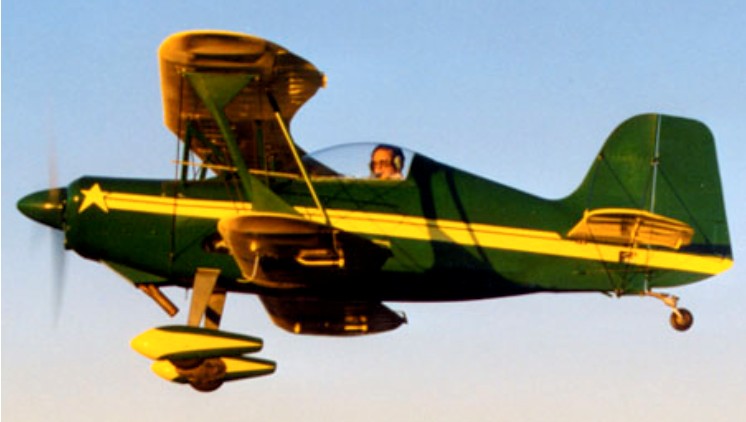
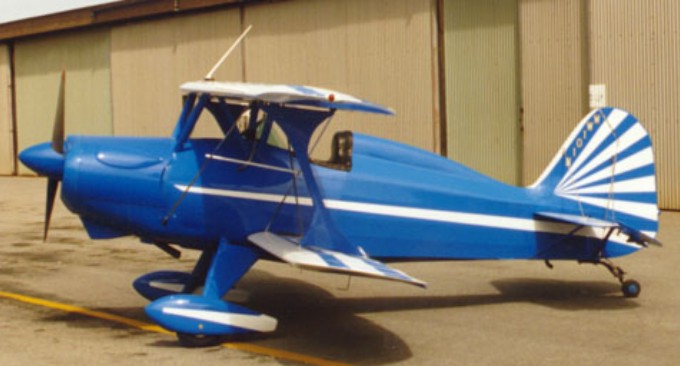
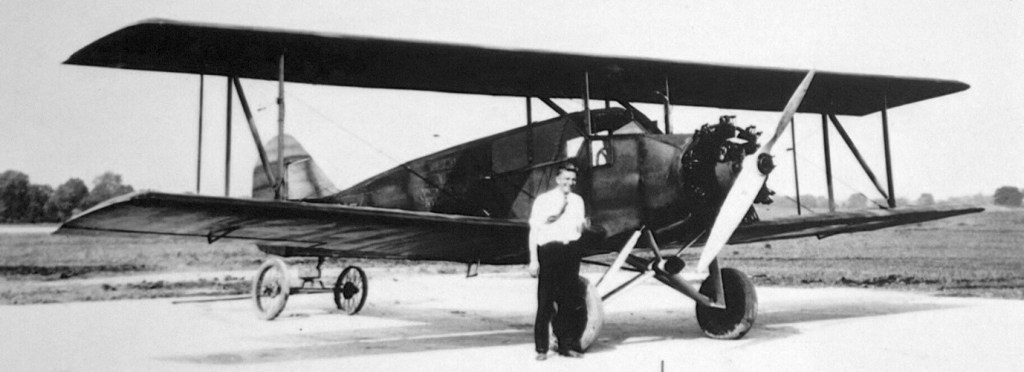
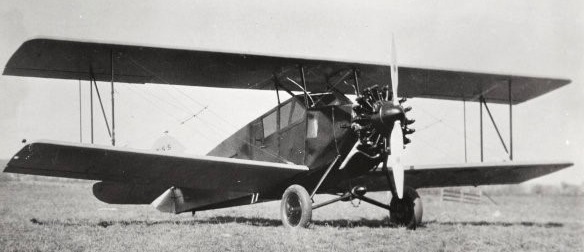
Designed by Lou Stolp, this single-place member of the Stolp family is the younger brother to the two-place Starduster Too. The Starduster is intended for the Lycoming 125-hp engine, but it has been built with engines ranging from 85 to 170 hp with a constant-speed prop. The 125 to 160 hp range is optimal.
The Starduster One SA100 was built to fill a need for a single-place, open sport biplane. It was built to fly just for fun and is not intended to be an aerobatic airplane. It is quite strong, however, and many owners use the aircraft for aerobatic flight, but this is beyond the original concept of the machine.
The main structure of the airplane is built of 4130 steel tubing and sheet stock and has no machined fittings or other complicated bends, which is an advantage for the average homebuilder with limited machine equipment to use. The wings have spruce spars and the ribs are made of 1/4″ plywood using a modified M-6 airfoil. Construction of the plane has been kept as simple as possible and it goes pretty well.
The prints are quite complete with ribs and most fittings full size, which saves considerable time on construction of these parts.
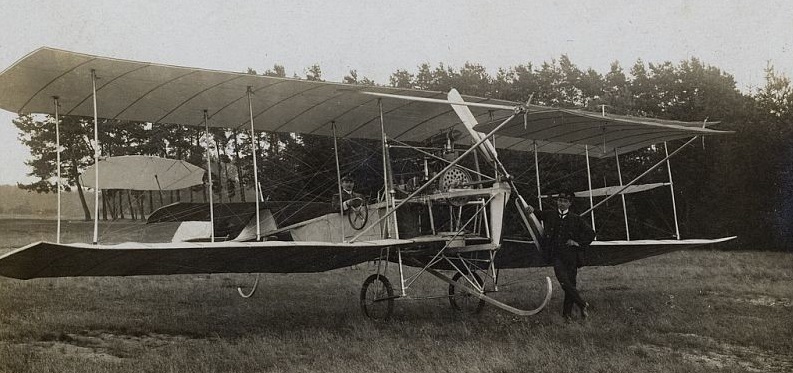
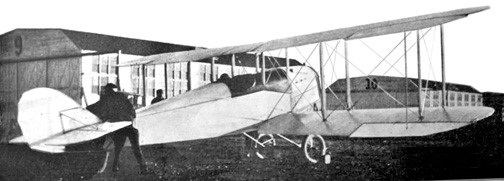
In 1910-1911, a small group of aviation enthusiasts from Paderborn, Johann Stockhausen, Oskar Martini, Paul Schröder, Karl Vogt and Anton Bickmeier built their tents on the edge of the parade ground at Dörenkamp in Paderborn, Germany, working on their projects for the conquest of the air, but nothing further is known.
In February and March 1911, Stockhausen and Schröder leased on the edge of today’s airfield Bad Lippspringe, the former parade ground, a land on which they built the first Paderborn aircraft hall proudly bearing the name “Aeroplanhalle Joh. Stockhausen”. For the 17 May 1912 Stockhausen invited pilot Gustav Tweer. The biplane of Stockhausen had a 60 hp engine.
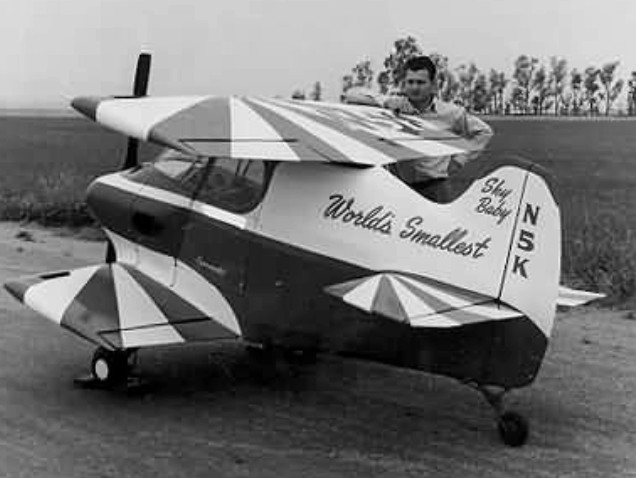
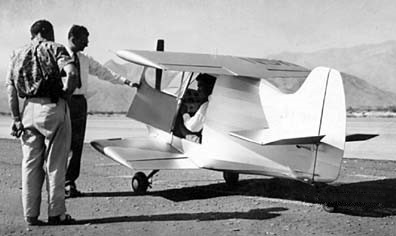
The Sky Baby was designed by Ray Stits, who built his Junior in 1948. No sooner had Stits completed it than word spread that someone was working on a design just a fraction smaller. Not about to be inched out of his record, Stits set to work again and finished the Sky Baby at his Riverside, California workshop in the summer of 1952.
Stits Sky-Baby N5K
It was incredibly small, with biplane wings 2.18 m (7 ft 2 in) in span. The Sky Baby was powered by a 112 hp Continental engine, race tuned, which gave it a maximum speed close to 322 kph (200 mph).
Bob Starr, Ray Stits’ partner, flew it and had the experience and outstanding piloting qualities which the tricky midget apparently demanded. There was a second pilot, Lester Cole of Cole Bros Airshows.
Courtesy Don Stits
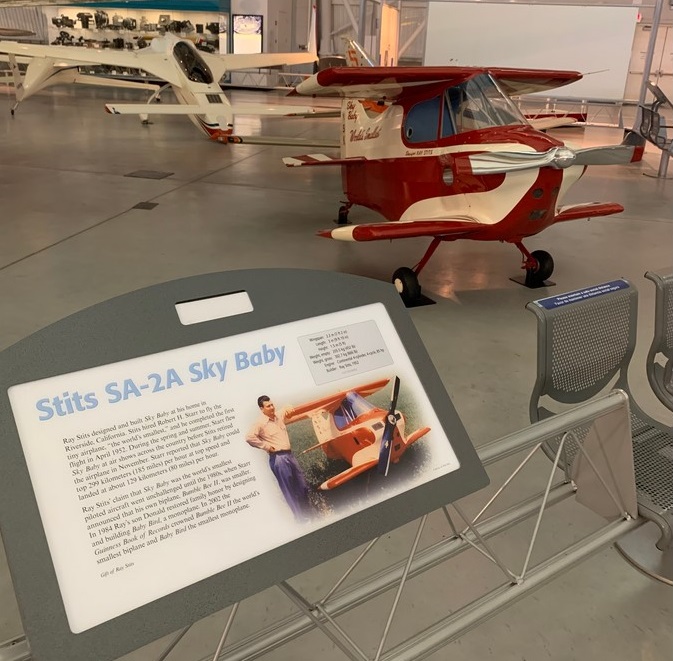
The Sky Baby still holds the title of world’s smallest aircraft in 1980. It was preserved at the Experimental Aircraft Association’s museum in a suburb of Milwaukee, Wisconsin, then on display at Smithsonian Air & Space museum.
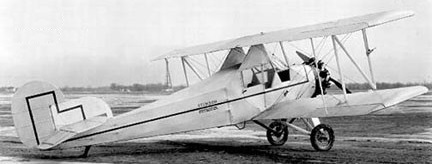
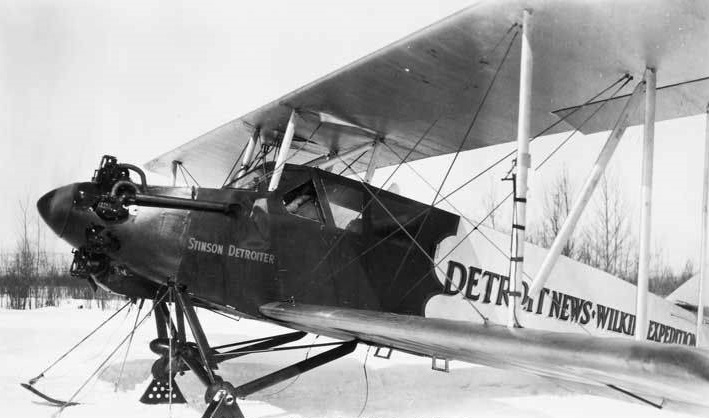
The first design from the Detroit-based Stinson Aircraft Syndicate was the Stinson SB-1 Detroiter, a four-seat cabin biplane with novel features such as cabin heating, individual wheel brakes and electric starter for the nose-mounted 220 hp (164 kW) Wright J-5 Whirlwind engine. The Harley Davidson brakes were demonstrated on a snowy maiden flight requiring wheel chains to be added to prevent skidding.
The prototype sold to Horace Elgin Dodge, first production model sold to John Duval Dodge of Dodgeson.
A 1928 photo of Eddie Stinson in front of an SB-1
Stinson SB-1 Detroiter NC1419 msn 112
The SB-1 was much modified.
Twenty-six SB-1 were built.
This aircraft was soon developed into the six-seat Stinson SM-1D Detroiter, a braced high-wing monoplane version which made its first flight on 25 January 1926.
SB-1
Certified ATC 24, the 1926 SB-1 Detroiter was equipped with electric starter and individual wheel brakes. They sold for $11,000-12,000.
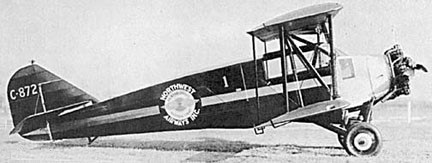
Of the 26 built, the first planes went to Northwest Airlines.
Stinson SB-1 NC872 c/n 1
ATC 2-330 in 1931 was for SB-1 powered by 200hp Wright J-4 as Detroiter Special (3 conversions).
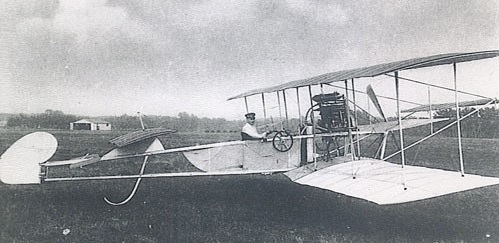
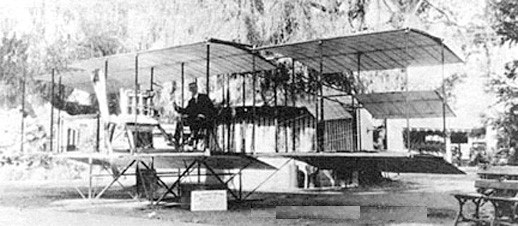
The 1911 Stewart Aerial Vehicle Co 1911 Biplane was a single place Boxkite type with multi-paneled wings. The motor drove twin pusher props. Apparently. several variations were made. US Patent #984,311 was granted.
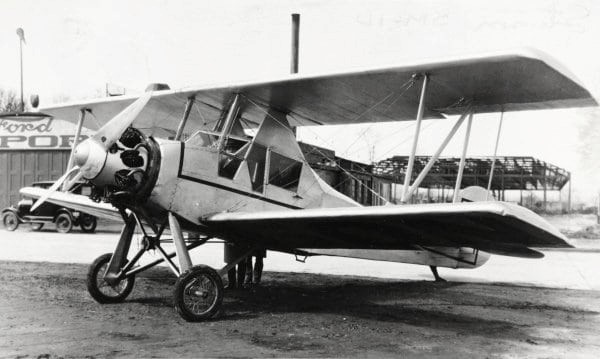
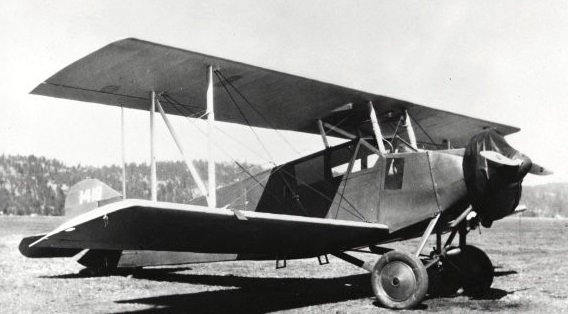
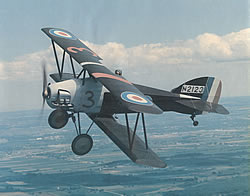
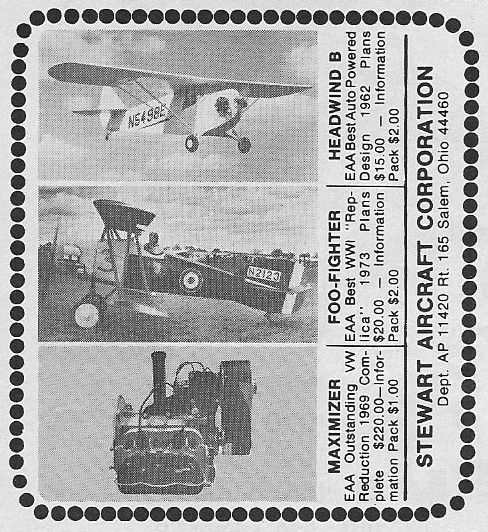
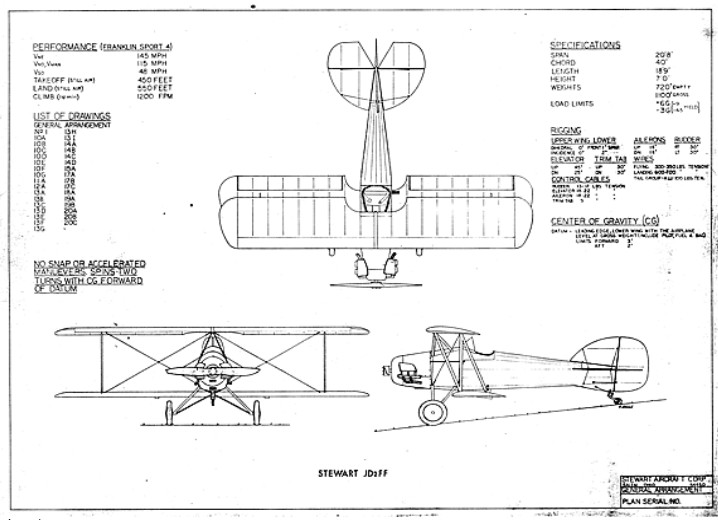
The Foo Fighter was designed and built in 1967 by Don Stewart and Tom Raybourn, Mohawk Airline pilots, and inspired by the Alcock A-1, a World War I war bird that resembles the Sopwith Pup. One distinguishing feature of the Foo Fighter is its lower wing that crosses below the fuselage, aft of the gear, and attaches on the centerline. The airframe is built from steel tubing and covered with fabric. Originally, a Falcon 200 six cylinder CID auto engine was installed, but a 130-hp Franklin Sport Four can also be used. It was first flown in 1970 with a PSRU but the engine proved to be too heavy for the power provided and the airplane was modified to use a Franklin “Sport Four” of 130 HP.
Dec 1973
This engine went out of production and so the airplane was once again redesigned to accept any of the four cylinder Lycoming engines from the O235 up to the O320 series. It is a very docile sport airplane that offers limited aerobatic capabilities.
The prototype was registered N2123.
Engine: Franklin Sport 4, 130 hp Gross Wt. 1100 lb Empty Wt. 720 lb Fuel capacity 19 USG Wingspan 20’8” Length 18’9” Top speed 145 mph Cruise 115 mph Stall 45 mph Climb rate 1200 fpm Takeoff run 450 ft Landing roll 550 ft Range 345 sm
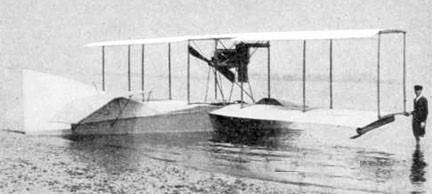
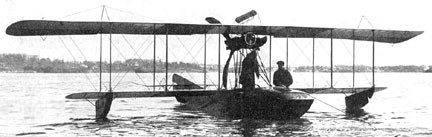
The 1915 B Stevens & Sons flying boat was designed by George Armitage, and constructed by Fred Chanonhouse, production superintendent at Sturtevant Co.
1916
A two-place open cockpit, powered by a 105hp Sturtevant pusher engine, a variation appeared in 1916.
 All Aero