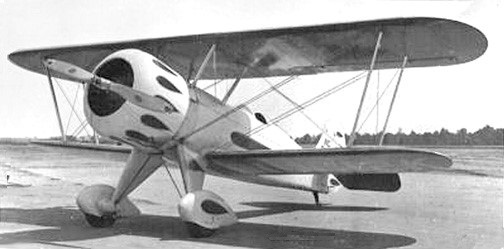
Two 1929 Travel Air 11 were built (ATC 2-399) for competition, the first one converted from a D-2000.
The B-11D NR612K was a modified 4-D with a 240hp Wright J-6 engine under (2-399) for competition in the Nationals.
Seats: 2
Two 1929 Travel Air 11 were built (ATC 2-399) for competition, the first one converted from a D-2000.
The B-11D NR612K was a modified 4-D with a 240hp Wright J-6 engine under (2-399) for competition in the Nationals.
Seats: 2
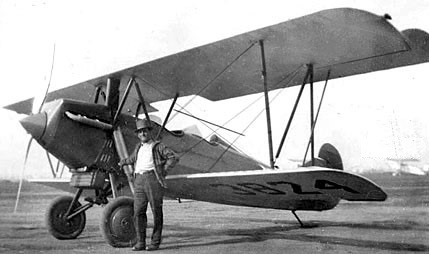
Similar to the Travel Air 2000, about 50 3000 1926 Travel Air 300 (ATC 31) were built as three-place open cockpit biplanes.
Engine: Hispano-Suiza A, 150-hp (112-kW)
Wingspan: 34’8″
Length: 24’3″
Useful load: 926 lb
Max speed: 112 mph
Cruise speed: 100 mph
Stall: 46 mph
Range: 425 mi
Engine: Hispano-Suiza E, 180-hp (134-kW)
Wingspan: 34’8″
Length: 24’3″
Max speed: 119 mph
Cruise speed: 105 mph
Stall: 46 mph
Range: 400 mi
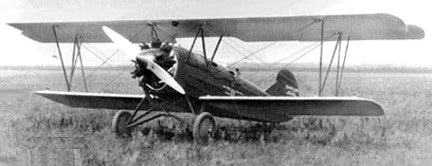
The original Travel Air Model A was engineered chiefly by Lloyd Stearman—with input from Travel Air co-founders Walter Beech, Clyde Cessna, and Bill Snook—largely as a metal-framed improvement of his immediately previous design of the wood-framed, metal-cowled Swallow New Swallow biplane, with elements of the best fighter aircraft of World War I, the metal-framed German Fokker D-VII. Most subsequent Travel Air biplanes were derived, directly or indirectly, from the original Model A.
The types shared a common structure of a conventional single-bay biplane with staggered wings braced by N-struts. The fuselage was of fabric-covered steel tube and included two open cockpits in tandem, the forward of which could carry two passengers side-by-side.
Like other aircraft in the Travel Air line, it was available with a variety of different, interchangeable wings, including a wing shorter and thinner than the rest known as the “Speedwing” designed, as the name suggests, for increased cruise speed.
The 1926 Model B was a Travel Air Model A fitted with a Wright J-6 piston engine and divided axle.A three – four seat open cockpit biplane, it became the model 2000. The B-2000 of 1927 was the 2000 redesignated.
Production figures of the 1925 Model A were lumped together with B and subsequent 2000 models and the number built is undetermined.
The 1926 BH N11509 was the same as B, but with 150hp/180hp Hisso A/E engine.
The 1926 BW was the same as the Model B but with a 200hp Wright J-4. The Model BW was the winner of the 1926 Ford Reliability Tour piloted by Walter Beech. The BW became the CW-4000 series.
Model A
Engine: Curtiss OX-5, 90hp
Seats: 3
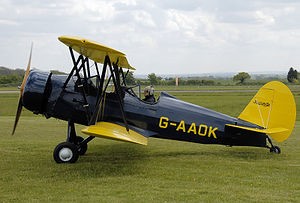
First flying in 1931, the Curtiss-Wright CW-12 Sport Trainer and CW-16 Light Sport (also marketed under the Travel Air brand that Curtiss-Wright had recently acquired) were high-performance training aircraft designed by Herbert Rawdon and Ted Wells and built in the United States in the early 1930s.
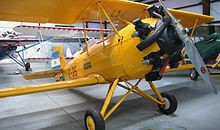
The CW-12 and CW-16 shared the same basic design as conventional single-bay biplanes with staggered wings braced with N-struts. The pilot and instructor sat in tandem, open cockpits, the forward cockpit of the CW-12 having a single seat, while the CW-16’s forward cockpit could seat two passengers side-by-side. Both versions of the aircraft were available in a variety of engine choices, and some CW-16s were exported as trainers to the air forces of Bolivia and Ecuador. Civil owners were in the USA and United Kingdom.
63 were built.
The Argentine Navy purchased 15 CW-16Es in 1935, with 13 more possibly being built from 1938. The type remained in use until 1949. The Bolivian Air Force purchased three CW-16s in 1934, with the type in use until 1943. The Brazilian Air Force received 15 CW-16Ws, with 125 hp (93 kW) Warner Scarab engines in 1935, the type remaining in service until 1940. The Colombian Air Force received six CW-16s in 1933. The Ecuadorian Air Force purchased six CW-16Es in 1935, with three more CW-16s following in 1936. Three remained in use until 1944.
Variants:
CW-12K
Engine: Kinner K-5
2 built
CW-12Q
Engine: Wright-built de Havilland Gipsy, 90 hp (67 kW)
Propeller: 2-bladed fixed-pitch
Wingspan: 28 ft 10 in (8.79 m)
Wing area: 206 sq ft (19.1 sq.m)
Airfoil: Clark Y (15%)
Length: 21 ft 5 in (6.53 m)
Height: 8 ft 10 in (2.69 m)
Empty weight: 1,071 lb (486 kg)
Gross weight: 1,725 lb (782 kg)
Maximum speed: 105 mph (169 km/h; 91 kn)
Cruise speed: 88 mph (142 km/h; 76 kn)
Range: 390 mi (339 nmi; 628 km)
Service ceiling: 12,000 ft (3,700 m)
Rate of climb: 600 ft/min (3.0 m/s)
Seats: 2
26 built
CW-12W
Engine: Warner Scarab
12 built + 1 replica
CW-16E
Engine: Wright J-6 Whirlwind 5
10 built
CW-16K
Engine: Kinner B-5
11 built
CW-16W
Engine: Warner Scarab
1 built
Travel Air 16 Sport-Modified
Engine: 145 hp
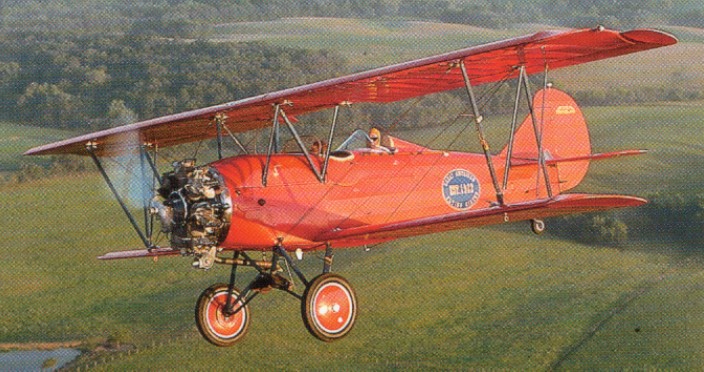
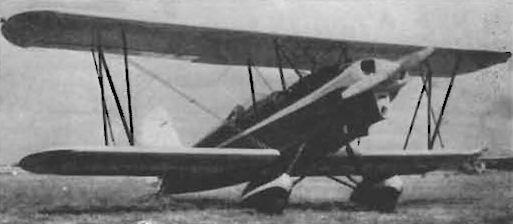
Selling for $7,960, nineteen of the 1929 Travelair 4-D were built (ATC 254) of which two were converted to E-4000. Performance was higher with cowl and wheel pants. Powered by a 220hp Wright J-5, they were also approved for a 240hp Wright J-6 under ATC 2-169 for NC9961 and ATC 2-300 for NC467N.
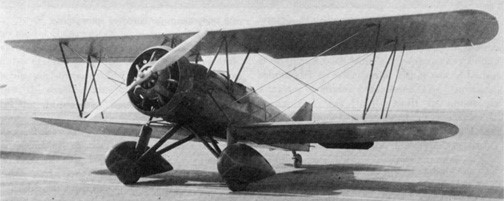
One model 4-P / 4-PT was built in 1929, NC419N (ATC 280, 2-160), powered by a 140hp ACE La-1 (Jacobs) engine, it was priced at $6,240.
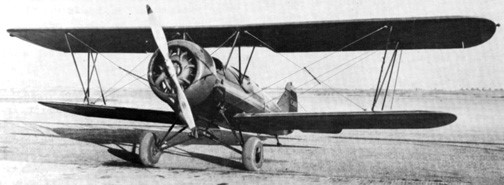
The model 4-S NX469N of 1929 was a 4000 with an experimental Powell motor. Only one was built.
The model 4-U of 1930 (ATC 2-432) were conversions of models 2000 and 4000 to 130-160hp Comet engines by O W Timm Aircraft Co of Glendale CA. Sixteen were converted.
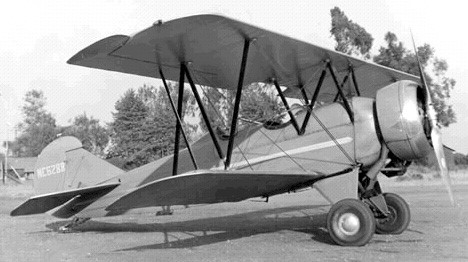
Ninety-nine of the 1926 Travel Air 4000 (ATC 32) were built at $9,800, many of which were conversions of older models. Ring cowls and balloon tires marked later versions.
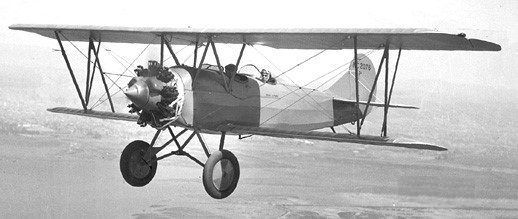
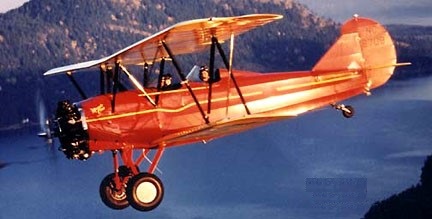
About 25 of the 1920 B-4000 (ATC 146) were built, price at $8,500. They featured a tripodal pneumatic landing gear.
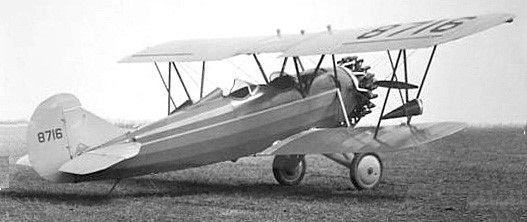
The B9-4000 of 1929 (ATC 2-381) was a three seater with a 300hp Wright J-6. Tt least 6, of which some were conversions of earlier 200hp J-5 models, were built.
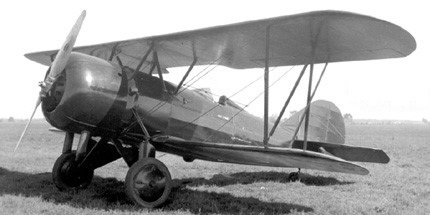
The 1929 BA-4000 was a Model 4000 with a 150hp Axelson engine.
The 1929 BC-4000 (ATC 189) was similar to the C-4000 but with tri-gear. Priced at $6,500, one was built and later mounted on floates as the SBC-4000 NC9821 (ATC 2-154).
The 1929 BE-4000 was the same as the E-4000 but with tripod-braced landing gear, and unbalanced ailerons. Twelve were built.
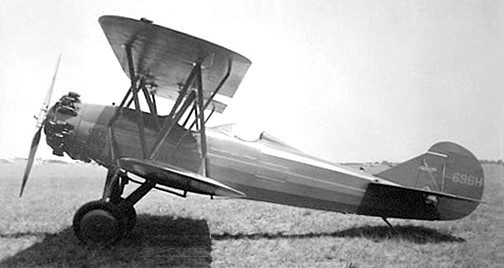
In 1930, BF-4000 was the initial designation of the Model 4-D.
Seven of the 1929 BM-4000 (ATC 147) were built. They were the B-4000 with a Wright J-5 engine modified as single place mail carriers.
The 1928 C-4000 (ATC 149) was priced at $6,275. Twenty-two were built, plus seven converted from 2000, and 2 from E-2000. Some were the first of the “Speed Wing” models without elephant-ears. They were powered by a 185hp Curtiss Challenger.
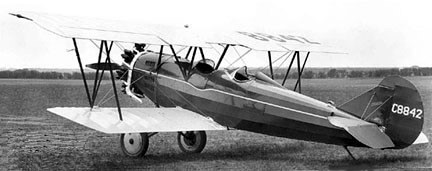
One Model CH, or CH-4000, was built in 1926 as a five place biplane. Four were in the cabin and the pilot sat in an open cockpit. It began the 7000 series.
The SC-4000 could be one of the modified Z-4-D dusters, NR375M.
The 1928 W-4000 (ATC 2-35) was a three-place with a 125hp Warner Scarab engine. The initial production (ATC 2-35) was superseded by ATC 112. Twenty-seven were built, priced at $5,575.
Three Travel Air CW, or CW-4000, were built in 1927. Two with the 200hp Wright J-4 engine, and one with 220hp J-5.
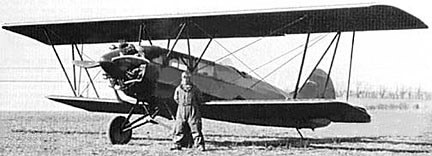
The 1930 D-4-D (ATC 2-222) was approval for “Speed Wing” conversions of models 2000, 3000, and 4000 to 240hp Wright R-760 engines. About 10 were converted.
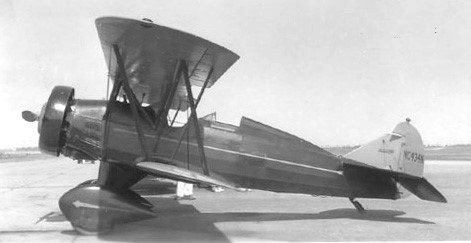
The D-2000 of 1929 were single place 2000 with narrower-fuselage competition modification for Art Goebel, named Chaparral. Five were built, later rebuilt as Model 11.
The 1928 D-3000 was a 3000 with a straight wing used for competition.
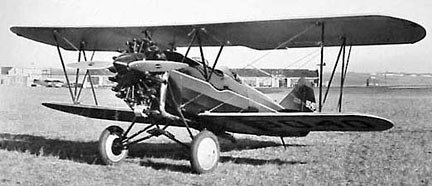
The 1929 D-4000 (ATC 2-84) were 1-3 place “Speed Wing” versions of the J-5 powered 4000. Seventeen were built.
The D-4000 had split axle type landing gear with rubber cord shock absorbers. The wings were all wood spars and ribs, fabric covered. The fuselage, tail surfaces and rudder were welded steel tube, fabric covered. The ailerons were aerodynamically balanced and of wood and metal construction.
The 4000-CAM became the model 8000.
The 1929 D9-4000 was a single place D-4000 with a 300hp Wright J-6 powered competition model for Art Goebel, registered NR481N.
One DC-4000 was built, in 1929, N8843, a “Speed Wing” version of the C-4000.
The 1929 built DW-4000 N6269 was a prototype”Speed Wing” version of the W-4000.
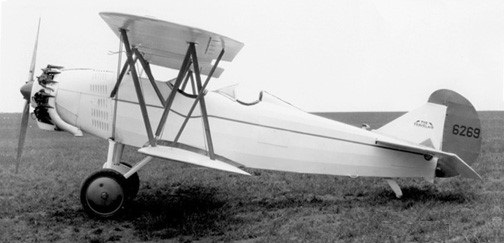
Fifty-nine of the 1929 Travel Air E-4000 (ATC 2-156, later superseded by 188) were built. A few with elephant-ear ailerons on conversions of older models. They sold for $6,425 in 1929 and $5,850 in 1930.
Six of the Model 2000 and 4000 were modified to J4-4000 (ATC 2-243) in 1930, powered by a 200hp Wright J-4.
The K-4000 (205) was built in 1929. Of the seven built, one was converted to model 4-U (NC9963), and one (N8841) was fitted with a “Speed Wing” as model DK-4000. They had sold for $5,000±.
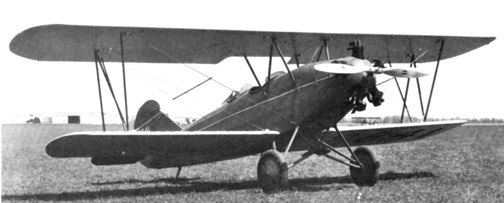
The Parks Air College repowered at least two of the two place model 4000 225hp Lycoming R-680 engines as flight school planes. Upgraded in 1941, they were designated L-4000 (ATC 2-560).
The 4000-SH became the model 9000.
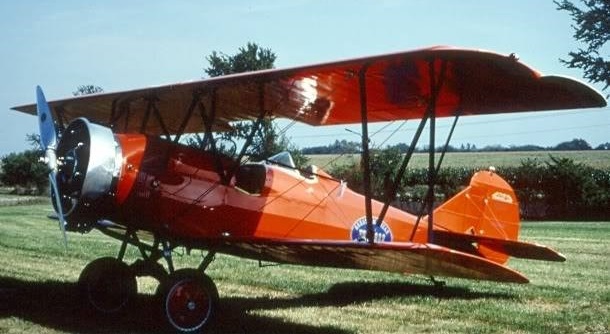
Travel Air entered a specially-modified Model 4000 (designated 4000-T) in the Guggenheim Safe Aircraft Competition of 1930, but it was disqualified. The one converted, NX165V, was equipped with a 300hp Wright J-6 engine, Curtiss-built wings, and floating ailerons. It was later converted to model D-4-D.
One Travel Air 4000 was modified with a Ranger engine as Frank Tallman’s “Wichita Fokker” for film work.
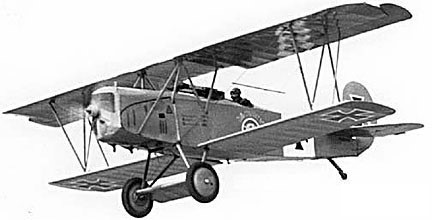
The 1930 V-4000 was a model 4000 with a 180-200hp Velie engine.
One D-4000 was competition-modified in 1930 as the single-place W-4-B NR6129. Designed by Ted Wells, it was fully cowled and featured flaps and wing slots and I-struts. Refered to as the Ted Wells Special, it was destroyed in a crash on 10 September 1930.
Two Z-4-D were built in 1930, N410N and NR375M, based on the 4-D, as crop dusters with 300hp Wright J-6 engines. One was possibly exported.
Following Travel Air Manufacturing Company purchase in August 1929 by Curtiss-Wright, the Model 4000 continued in production into the early 1930s as the CW-14, and the range was expanded to include a military derivative dubbed the Osprey.
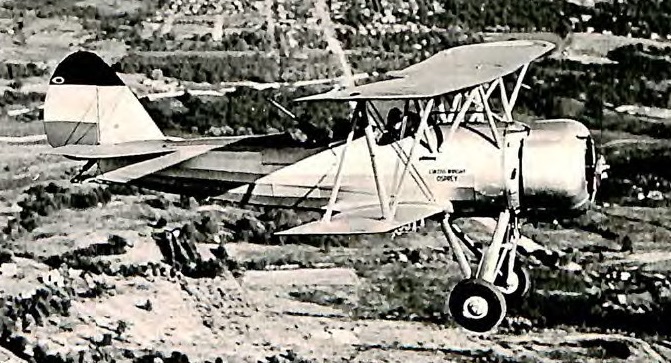
The Curtiss-Wright CW-13 designation was not used and the next was the CW-14, developed on the basis of Travel Air 4000/4 – it was first designated Speedwing, but later renamed Sportsman. The name Osprey was given a two-seater military model designed for export.
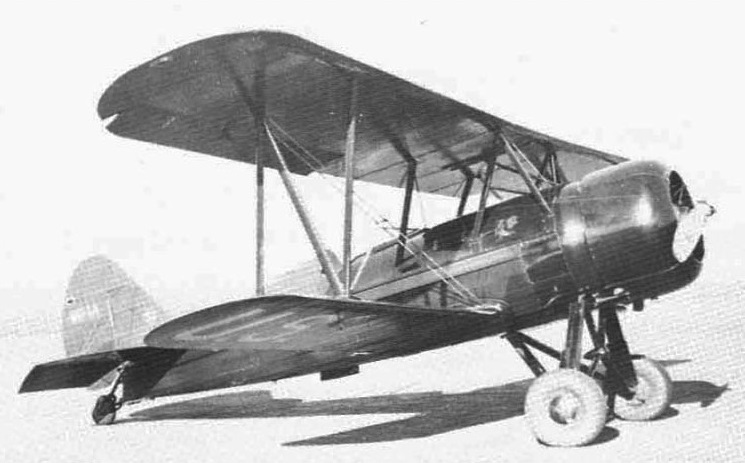
The CW-B14B Speedwing Deluxe (2 manufactured) had a 300hp Whirlwind J-6-9 (R-975E) engine (224 kW), and the single CW-B14R Special Speedwing Deluxe was powered with a 420-hp turbocharged SR-975E engine (313 kW).
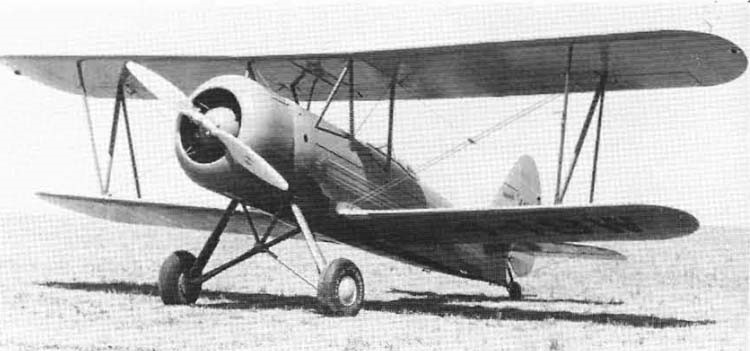
The military CW-C14B Osprey was powered with a 300 hp R-975E engine (224 kW). This was fitted with bomb racks, a fixed, forward-firing machine gun, and a trainable tail gun. These aircraft were supplied to Bolivia and used during the 1933 Gran Chaco War with Paraguay, which eventually led to Curtiss-Wright’s successful prosecution for supplying these aircraft in violation of a U.S. arms embargo. The rugged, reliable Ospreys were the preferred mounts of the Bolivian pilots—of several competing aircraft supplied. The resulting heavy use led to high losses—half of the original 12 units being lost in accidents or action, another five or so were employed, though precise outcomes are unclear, owing in part to repairs on some of the “lost” aircraft, which were returned to service. However, the action brought favorable publicity and credibility to Curtiss-Wright aircraft.
The only CW-14C prototype was powered by a 185 hp Curtiss Challenger engine (138 kW), followed by the CW-A14D (5 produced) with a Wright Whirlwind J-6-7 (R-760E) engine of 240 hp (179 kW).
The CW-C14R was similar to the CW-C14B, but with the J-6-9 engine. Colombia operated three CW-C14R Osprey from 1932, Ecuador purchased two CW-14Rs in 1931, and Venezuela purchased three CW-14Rs in 1932.
Three 1928 Travel Air 8000 (ATC 37) were built, including N3562 (later converted to Model B) and NC5091. Price at $5,000 an alternate designation was 4000-CAM.
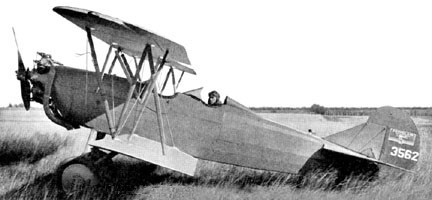
Four or five 1928 Travel Air 9000 (ATC 38) were built, priced at $5,000, converted from model 3000 and model 4000. An alternate designation was 4000-SH.
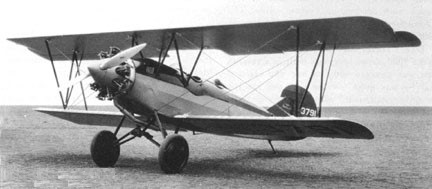
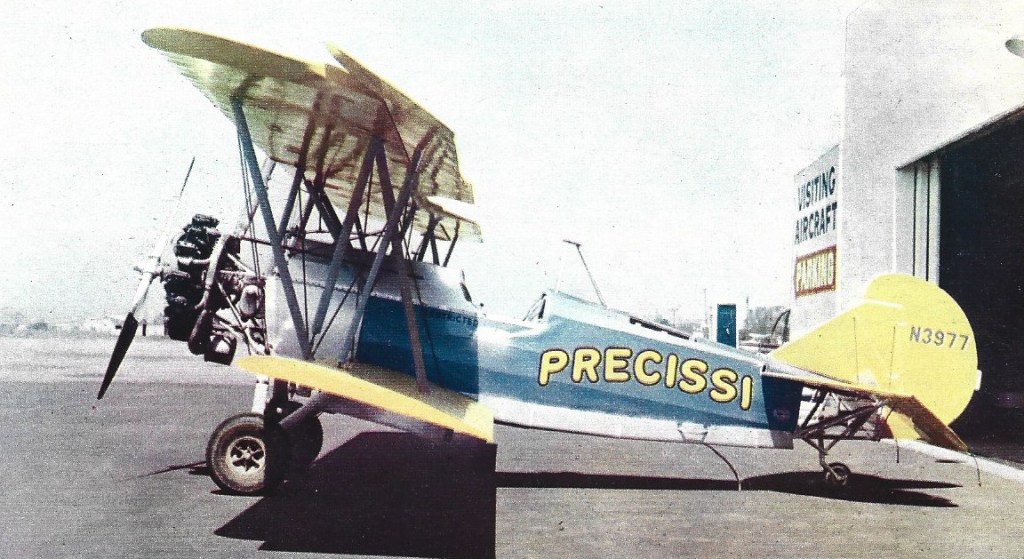
Travel Air 4000
Travel Air 4000
Engine: Wright J-5, 220-hp (164-kW)
Wingspan: 34’8″
Length: 23’6″
Useful load: 762 lb
Max speed: 130 mph
Cruise speed: 110 mph
Stall: 45 mph
Range: 525 mi
Seats: 3
A-4000
1929 (ATC 148)
Engine: Axelson (Floco), 120-150-hp (112-kW)
Wingspan: 34’8″
Length: 24’6″
Useful load: 995 lb
Max speed: 108 mph
Cruise: 92 mph
Stall: 47 mph
Range: 550 mi
Seats: 3
Price: $5,750-6,240
No built: 9
B-4000
Engine: Wright J-5, 220-hp (164-kW)
Wingspan: 33’0″
Length: 23’4″
Useful load: 1007 lb
Max speed: 128 mph
Cruise speed: 110 mph
Stal: 52 mph
Range: 530 mi
BC-4000 / SBC-4000
Engine: Curtiss Challenger, 185hp
Wingspan: 33’0″
Length: 24’6″
Useful load: 1007 lb
Max speed: 124 mph
Cruise speed: 105 mph
Stall: 48 mph
Range: 630 mi
Seats: 3
SBC-4000 float conversion
B9-4000
Engine: Wright J-6-9, 300-hp (224-kW)
C-4000
Engine: Curtiss Challenger, 170-hp (127-kW)
Wingspan: 33’0″
Length: 24’6″
Useful load: 1007 lb
Max speed: 124 mph
Cruise: 105 mph
Stall: 48 mph
Range: 630 mi
Seats: 3
CH / CH-4000
Engine: 180hp Hisso E
Seats: 5
CW / CW-4000
Engine: 200hp Wright J-4 or 220hp Wright J-5
Seats: 5
4-D
Engine; 220hp Wright J-5
Wingspan: 33’0″
Length: 23’4″
Useful load: 1043 lb
Max speed: 130 mph
Cruise speed: 110 mph
Stall: 52 mph
Range: 520 mi
Seats: 3
4-P / 4-PT
Engine: 140hp ACE La-1 (Jacobs)
Wingspan: 33’0″
Length: 24’6″
Useful load: 857 lb
Max speed: 115 mph
Cruise speed: 97 mph
Stall: 45
Range: 485 mi
Seats: 3
4-U
Conversions of 2000 and 4000
Engine: 130-160hp Comet
D-4000
Engine: Wright J-5 Whirlwind, 225 hp
Cruise: 110 mph
D-4-D
Engine: 240hp Wright R-760
DK-4000
K-4000 fitted with “Speed Wing”
Engine: 100hp Kinner B-5
Seats: 3
No built: 1 – N8841
E-4000
Engine: Wright J-6-5, 165hp (123-kW)
Wingspan: 33’0″
Length: 24’1″
Useful load: 1007 lb
Max speed: 120 mph
Cruise speed: 103 mph
Stall: 48 mph
Range: 650 mi
Seats: 3
J4-4000
Engine: 200hp Wright J-4
Seats: 3
No built: 6
K-4000
Engine: Kinner B5, 100-hp (75-kW)
Wingspan: 33’0″
Length: 24’8″
Useful load: 940 lb
Max speed: 100 mph
Cruise speed: 88 mph
Stall: 43 mph
Range: 425 mi
Seats: 3
L-4000
ATC 2-560
Engine: 225hp Lycoming R-680
Seats: 2
SBC-4000
floatplane version
W-4000
Engine: Warner Scarab, 110-hp (82-kW)
Wingspan: 34’8″
Length: 24’8″
Useful load: 906 lb
Max speed: 108 mph
Cruise speed: 93 mph
Stall: 43 mph
Range: 500+ mi
W-4-B
Wingspan: 23’8″
Length: 20’2″
Seats: 1
Z-4-D
Engine: 300hp Wright J-6
Travel Air 8000 / 4000-CAM
Engine: Fairchild-Caminez 447, 120-hp (89-kW)
Wingspan: 34’8″
Length: 24’4″
Useful load: 825 lb
Max speed: 110 mph
Cruise speed: 92 mph
Stall: 42 mph
Range: 500+ mi
Seats: 3
Travel Air 9000 / 4000-SH
Engine: Ryan-Siemens, 125-hp (93-kW)
Wingspan: 34’8″
Length: 28’8″
Useful load: 825 lb
Max speed: 112 mph
Cruise speed: 92 mph
Stall: 43 mph
Range: 450 mi
Seats: 3
CW-14C Sportsman
Engine: Curtiss Challenger, 185 hp (138 kW)
1 built
CW-A14D Deluxe Sportsman
Engine: Wright J-6-7 (R-760), 240 hp (180 kW)
Wing span: 9.44 m / 30 ft 12 in
Wing Area: 23,0 m² / 248 ft²
Length: 7.17 m / 23 ft 6 in
Height: 2.78 m / 9 ft 1 in
Empty Weight: 804 kg / 1773 lb
MTOW: 1302 kg / 2870 lb
Maximum speed: 249 km / h
Cruising speed: 208 km / h
Range: 966 km / 522 nm / 601 mi.
Ceiling: 4877 m / 16.010 ft
Seats: 3
5 built
NACA cowling
CW-B14B Speedwing Deluxe
Engine: Wright J-6-9, 300 hp (220 kW)
2 built
CW-B14R Special Speedwing Deluxe
Single-seat racer built for Casey Lambert
Engine: supercharged Wright R-975
1 built
CW-C14B Osprey
militarized version
Engine: Wright R-975E
CW-C14R Osprey
militarized version
Engine: Wright J-6-9
CW-17R Pursuit Osprey
CW-B14B with uprated engine; possibly not built

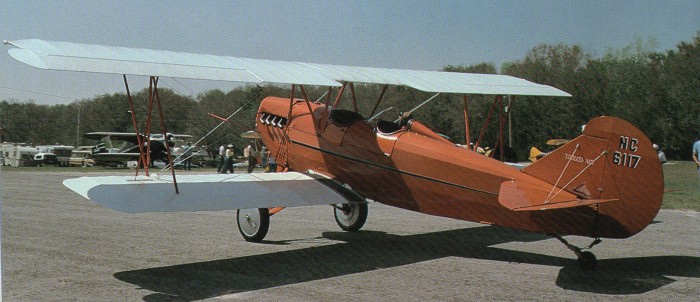
The 1927 Travel Air 2000 was built with ATC 30.
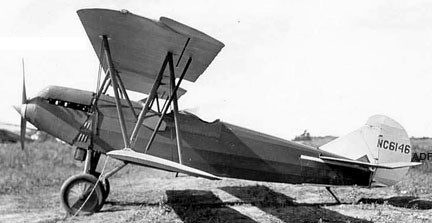
The S-2000 of 1927 was a floatplane version of the 2000 with a 102hp Curtiss OXX-6. A few were modified as landplanes.
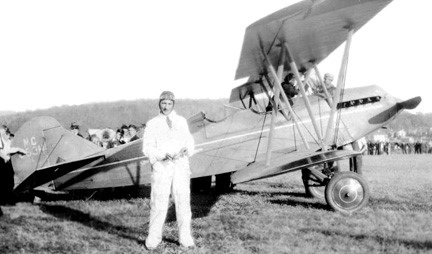
The 1928 SD-2000 NX6416 was the same as the 2000 model, but with a 150hp Aeromarine B engine. It was later converted to a 4000 model.
The 1929 SC-2000 model (ATC 111) were the same as the 2000 model, but with a 160hp Curtiss C-6 engine. Priced at $4,000, two (NC7574 and NC8110), were built, and possibly one more.
The improved B model sold for $2,950, and $3,677 in 1929. ATC 2-25 was a 120hp Anzani installation and ATC 2-42 for twin EDO floats.
The 1931 model 2000-T (ATC 2-368) was powered by a 115hp Milwaukee-Tank engine. Fifteen were built.
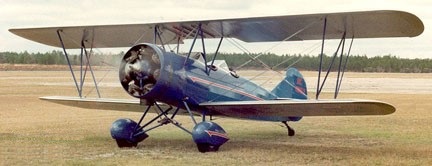
About 600 were built overall.
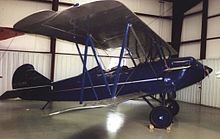
In 1933 a Travel Air 2000 was modified by George and William Besler where the usual inline or radial gasoline piston engine was replaced by an oil-fired, reversible 90° angle V-twin angle-compound engine of their own design, which became the first fixed-wing airplane to successful fly using a steam engine of any type. The Beslers are thought to have sold the plane to the Japanese in 1937.
Travel Air 2000
Engine: Curtiss OX-5, 90 hp
Wingspan: 34’8″
Length: 24’2″
Useful load: 845 lb
Max speed: 100 mph
Cruise speed: 85 mph
Stall: 40 mph
Seats: 3
Travel Air 2000
Engine: 120hp Anzani
Seats: 3
SC-2000
Engine: Curtiss C-6, 160-hp (119-kW)
Wingspan: 34’8″
Length: 24’2″
Useful load: 941 lb
Max speed: 120 mph
Cruise speed: 102 mph
Stall: 48 mph
Range: 500 mi
2000-T
Engine: 115hp Milwaukee-Tank
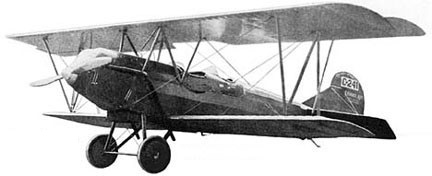
First of the Travel Air line, officially introduced in March 1926 as the Maiden Wichita. First flying on 13 March 1925 piloted by Walter Beech, it was priced at $3,500, rising to $2,195 in 1930.
A full-page company ad in Aero Digest of Aug 1928 featured “Old Number One” as being built in 1924 (the company was formed on 1/26/25), bought by O E Scott of St Louis, with a photo showing a tail number NC241 c/n 1. Since licensing came in 1927, it was obviously licensed and the photo made about that time.
Presently it is in the EAA collection, on display at the Beechcraft Heritage Museum.
Engine: Curtiss OX-5, 90hp
Wingspan: 33’0″
Length: 23’6″
Useful load: 650 lb
Max speed: 97 mph
Cruise speed: 85 mph
Stall: 38 mph
Range: 450 mi
Seats: 3
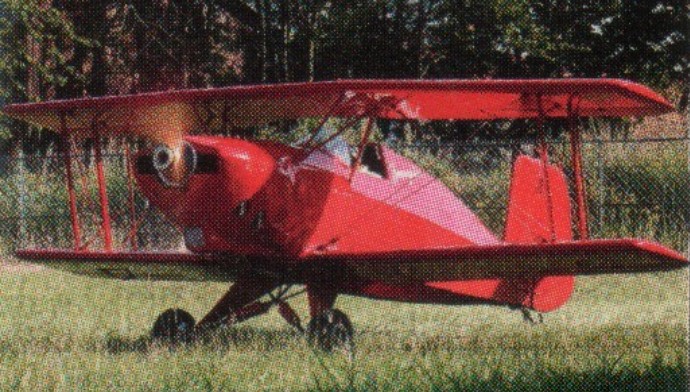
Engine: Lycoming O-290, 125 hp
HP range: 85-150
Length: 16 ft
Wing span: 16.6 ft
Wing area: 80 sq.ft
Empty weight: 606 lb
Gross weight: 1000 lb
Fuel capacity: 16 USG
Cruise: 125 mph
Stall: 52 mph
Rate of climb: 1500 fpm
Seats: 1
Cockpit width: 18 in
Landing gear: tailwheel
LSA: yes
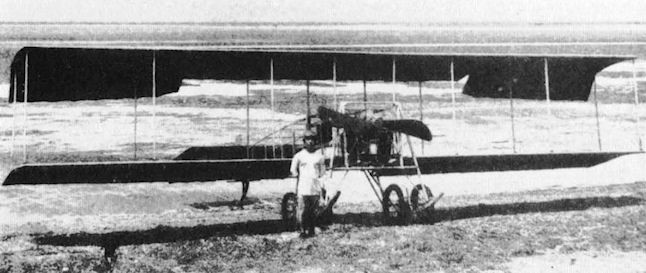
Shigesaburo Torigai with a new-found interest in aviation as a hobby, organized the Nihon Hiko Kenkyukai (Japan Flight Research Association). His ambition was to have an aeroplane of his own. To achieve this, he asked Toyokichi Daiguchi, who was associated with Narahara, for technical assistance in the building of his own aeroplane.
In 1913, to open the project, Torigai purchased a used 45hp Gregoire Gyp engine from Shinzo Morita of Osaka after his flying accident. Torigai completed his aeroplane in April 1913 and called it the Hayabusa-go (Falcon). It was an equal-span three-bay biplane with uncovered fuselage, tractor engine, ailerons on the upper wing and undercarriage comprising two sets of twin wheels and two skids. Otijiro Itoh assisted Shigesaburo Torigai, another Japanese pioneer, in the construction of the Torigai ”Hyabusa-go”.
He flew it for the first time on 3 May, 1913, at Inage, Chiba Prefecture, but at a height of about 20m the aeroplane stalled and crashed. Torigai survived, but the aeroplane was severely damaged.
After repairs by Daiguchi, Torigai took the aeroplane to Hokkaido. While preparing for a flying exhibition at the Tsukisappu Military Drill Grounds on 7 September, 1913, Torigai took off and, on the outskirts of Sapporo, soon crashed once again. Speculation about the cause of this and the earlier accident is that Torigai did not know how to fIy, for there was no record of him having been given formal flying lessons. Torigai escaped serious injury but the aeroplane was badly damaged. The wreckage was saved and eventually transferred to Otojiro Itoh, to help start his flying school at Inage the next year. Itoh made the necessary repairs along with his own modifications and made the aeroplane flyable.
Itoh eventually purchased the Gregoire Gyp engine from Torigai in August 1915 so that it could be installed in his first-built aircraft, the Emi 1 Aeroplane. This is the aeroplane that made the first flight to Tokyo from Inage on 8 January, 1916.
The 1984 Tomalesky TC-1 N2036T was a two-place open cockpit biplane powered by 260hp.
 All Aero