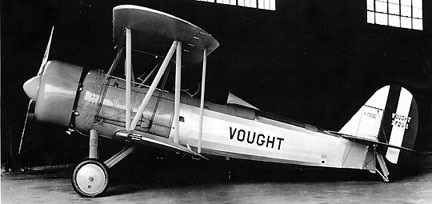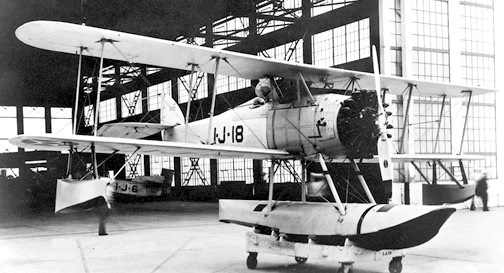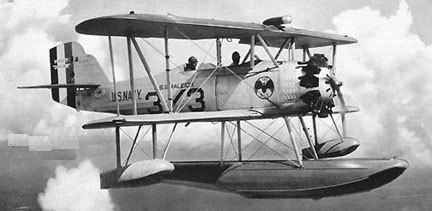
Vought O2U Corsair / XO-28 / O24-2 / Talleres Nacionales De Construcciones Aeronauticas Corsarios Azcarate O2U­-2M

Vought O2U-1 A-7536

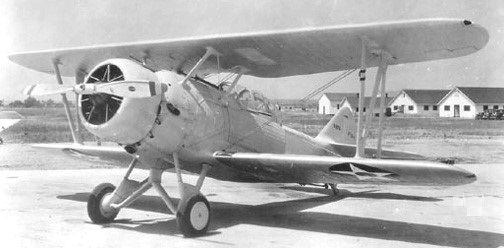
A carrier-borne reconnaissance seaplane of circa 1930. The O2U Corsair USN scout was on a single-float or wheels.

Vought O2U-1 Corsair Article

One-hundred and thirty-two of the 1927 O2U-1 were built (A7221-7222, A7567-7586, A7796-7831, and A7900-7940).

The 1927 O2U-2 was priced at $12,890 and thirty-seven were built (A8091-8127) of which six went to the USMC.
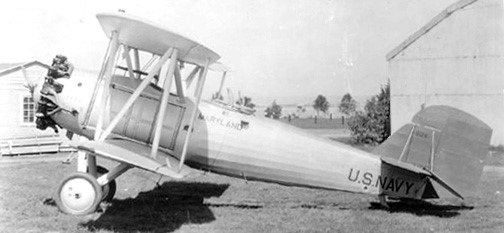
Vought O2U-2

Eighty of the 1929 O2U-3 were built (A8193-8272), including one to the Army as XO-28.
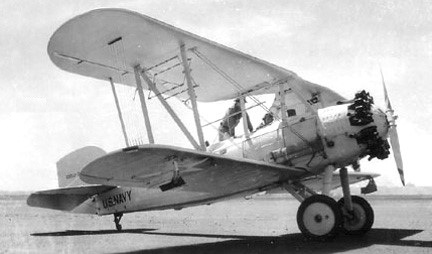
Vought O2U-3

Forty-two of the 1930 O2U-4 were built (A8315-8356) priced at $17,203-18,065.

Vought O2U-4 A-8338

Corsarios Azcarate were Mexican licence built Vought O2U¬-2M.

One USN O2U was used for evaluation by the Army in 1929, 29-323, as the O-28 Corsair.
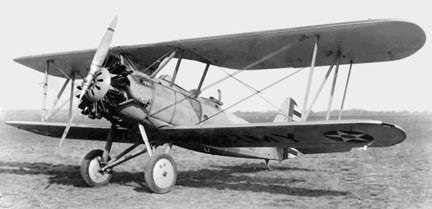
Vought XO-28 29-232

The O24-2 was a civil version of the O2U-1 Corsair. In 1928 one was civil licensed for F B Rentschler, pres of Pratt & Whitney Corp, NX7014. Some other ex-military noted were N61E, N111N, N367H, and N833H.

Gallery

O2U Corsair
Engine: 450hp P&W R-1340B
Wing span: 34’6″ Length: 24’6″
Speed: (float) 147 (wheels) 150
Ceiling: (float) 17,750′ (wheels) 18,700′
Seats: 2

O24-2
Engine: 450hp P&W Wasp
Wingspan: 36’0″
Length: 29’8″
Speed: 137 mph
Seats: 2
Vought FU-1 / FU-2

Vought FU-1 A-7372 Floatplane

In January 1927 the Chance Vought company produced a single seat fighter version of its mass produced VO 1 shipboard observation aircraft. A two bay biplane, the VO 1 was not entirely suitable as the basis for a competitive fighter, and with only the same engine as before, the 200 hp Wright R 1790 Whirlwind, performance was inadequate. Nevertheless, 20 FU 1 fighters were converted from UO-3 for the US Navy, most of them being central float seaplanes (at least two were fitted with wheels for airfield use).

Despite being pleasant to fly, the FU was really only suitable for training. In their first year, ending in the winter 1928 29, the FU 1s equipped fighter squadron VF 2B aboard the carrier Langley. Thereafter the 18 that survived were converted into FU 2 trainers, still with a fixed Marlin machine gun. They remained in use as trainers and general-purpose aircraft into the 1930s.

Equipped for catapult launch, they were the last fighter so equipped.

FU
Engine: 220hp Wright J-5 (supercharged R-1790)
Span: 10.46 m (34 ft 4 in)
Length: 7.44 m (24 ft 5 in)
Gross weight: 1093 kg (2400 lb)
Useful load: 694 lb
Maximum speed: 236 km/h (147 mph)
Stall: 53 mph
Range: 430 mi
Seats: 1-2

Vought VO-1

In January 1927 the Chance Vought company produced a single seat fighter version of its mass produced VO 1 shipboard observation aircraft. A two bay biplane, the VO 1 was not entirely suitable as the basis for a competitive fighter, and with only the same engine as before, the 200 hp Wright R 1790 Whirlwind, performance was inadequate. Nevertheless, 20 FU 1 fighters were built for the US Navy.

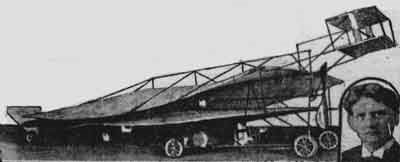
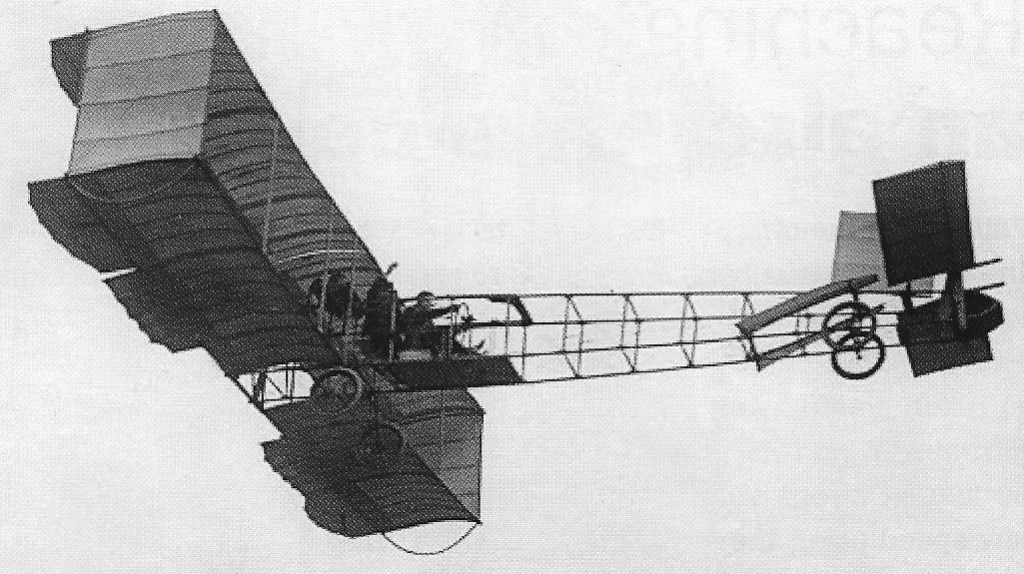
von Hagan 1911 Aeroplane

Built by German immigrant Alexander von Hagan in Seattle, Washington, the machine had two sets of silk wings, an aluminium framework, two motors and three propellers. It weighed 600 pounds without the operator. One propeller was in the front, the second three-quarters back, and the third at the rear. One 40 hp motor ran the two front propellers and a smaller one of 35 hp powered the rear. Von Hagan was born in 1859 and served in the German army for 14 years.

Volpar-Spencer Drag-n-fly

This single-seat waterborne biplane glider is designed to be towed in tethered flight behind a conventional motor boat. It was designed at the instigation of Volpar Inc. In February 1977 Volpar engaged Mr Percival H. Spencer, a pioneer pilot and amphibian designer, to design a small but fully manoeuvrable waterbased glider. This was to use modern plastics and foam materials for high strength and low cost, and to have simple controls that could be operated safely by an amateur or non-pilot.

Mr Spencer himself made the first flight of the prototype Drag-N-Fly, on 20 April 1977 (nearly 63 years after his first solo flight) and continued air and water trials have proved very satisfactory. Flight testing during 1978 resulted in the addition of a 1ft extension on each wing tip, to reduce the power requirements of the towing boat.

When in flight the tether can be disconnected by the pilot in an emergency, and will disconnect automatically if the glider tends to overrun the tow boat. The fuselage is hinged so that the Drag-N-Fly can be transported on a light road trailer without exceeding a width of 8ft 0in. The structure makes extensive use of stryrofoam and other lightweight materials; the strut-braced biplane wings are of constant chord and covered in glasscloth laminate, bonded with epoxy resin; there are spoilers on the outer panels of the upper wing. The wings themselves are built up of aerofoil shaped styrofoam blocks, with plywood spar caps bonded to styrofoam shear webs with epoxy resin. There are wooden blocks between the capstrips at each end to provide bolt attachments for joining the panels together. The fuselage and the twin floats which attach directly to the bottom of the lower wing are built up from plywood internal frames and bulkheads and are covered in polyester resin-bonded moulded glassfibre cloth laminate. The cantilever tail unit has a styrofoam core and glassfibre laminate covering; the vertical surfaces have wooden frame edges and the one-piece horizontal tail has plywood spar caps. The latter is hinged at the aft fuselage bulkhead and is statically balanced by means of a bob-weight; trim adjustment is by means of a bungee spring. There is a single open cockpit forward of the wings, an a water rudder is provided for control during towing, as well as the more conventional rudder.

Span: 17 ft 0 in
Length: 15 ft 11 in
Height: 5 ft 9 in
Wing area: 113.0 sqft
Aspect ratio: 2.56
Empty weight: 225 lb
Max weight : 425 lb
Max speed: 75 mph (in smooth air)
Required take-off speed: 40 mph

Voisin Canard

March 1911

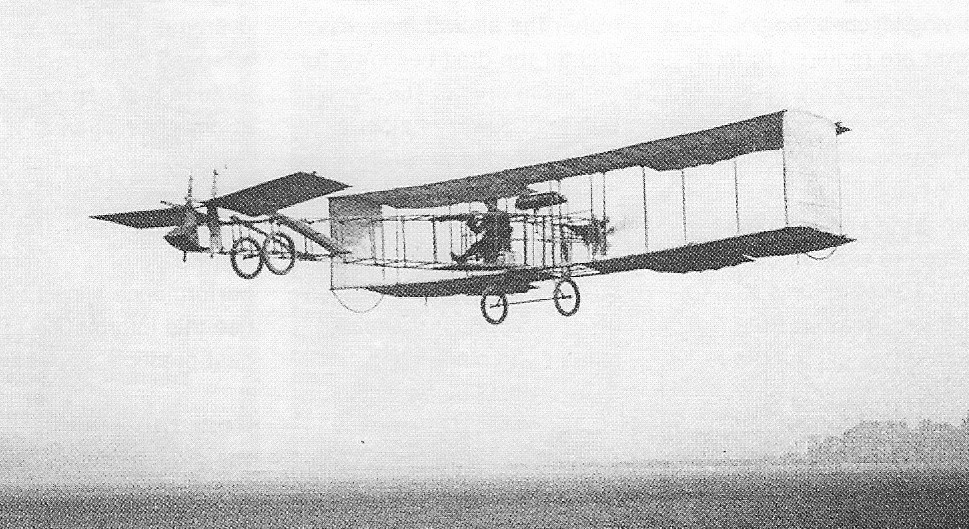
The Voisin Canard was an aircraft developed by Voisin brothers during 1910 and first flown early in 1911. It was originally flown as a landplane: with the addition of floats it became one of the first seaplanes used by the French Navy.

3 February 1911

As first flown at Issy-les-Moulineaux by Maurice Colliex, the aircraft had an uncovered fuselage of wire-braced wood construction with the 50 hp (37 kW) Rossel-Peugeot rotary engine at the rear and the front-mounted control surfaces consisting of an all-moving elevator divided into two halves, one either side of the fuselage, a rectangular balanced rudder mounted above the elevator, and a pair of short-span fixed horizontal surfaces with a high angle of attack mounted behind and below the elevators. Voisin’s characteristic side-curtains were fitted to the outermost pair of interplane struts and roll control was achieved using trailing-edge ailerons on both upper and lower wings.

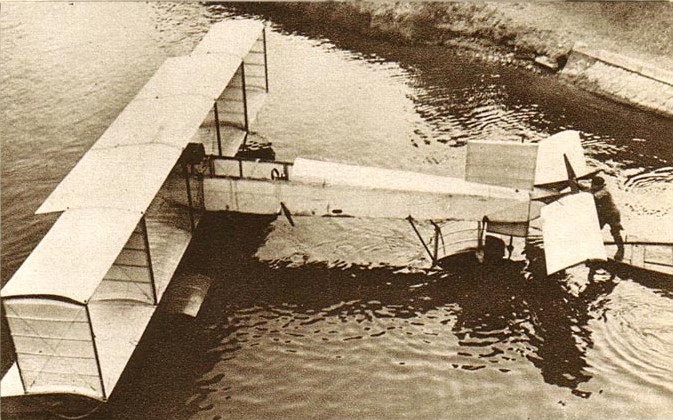
Voisin Canard floatplane being tested on the Seine, 3 August 1911

The aircraft was judged a success and Voisin manufactured a number of examples. There are variations between the individual production aircraft: the two examples flown in the French military aircraft trials in 1911 had a wingspan of 15 m (49 ft 3 in).; one was powered by a 56 kW (75 hp) Renault and the second by a 97 kW (130 hp) Gnome. The number of sets of side curtains varied, some aircraft having two or even three sets.

The seaplane variant, fitted with floats designed by Henri Fabre, was initially built to the order of Prince Bibesco, who intended to use it make a flight across the Black Sea. It was first successfully flown from water on 25 April 1911.

One example was bought by the French navy in March 1912 to equip the seaplane tender La Foudre, the first seaplane carrier in history. A second example was delivered to the Navy in December 1913.

47 of the 1911 Voisin Canard (amphibian) were built.

1911 Voisin 17m canard biplane

Powerplant: 1 × Gnome, 52 kW (70 hp)
Wingspan: 12 m (40 ft)
Wing area: 43.9 m2 (473 sq ft)
Length: 7.9 m (26 ft)
Gross weight: 549 kg (1,210 lb)
Maximum speed: 90 km/h (56 mph, 49 kn)
Seats: 2

1911 Voisin Canard (amphibian)
Span: 36’1″
Speed: 47 mph

1911 Voisin 17m canard biplane
Span: 55’9″
Length: 37’9″
Weight: 2140 lb empty