
The Vought V-85G Kurier of 1934 was a commercial seaborne catapult mailplane. Six went to Germany.
Engine: 700hp P&W R-1690
Wingspan: 36’0″
Length: 30’9″
Speed: 200 mph
Seats: 1
The Vought V-85G Kurier of 1934 was a commercial seaborne catapult mailplane. Six went to Germany.
Engine: 700hp P&W R-1690
Wingspan: 36’0″
Length: 30’9″
Speed: 200 mph
Seats: 1

The 1933 V-80 and V-80P Corsair were single place, with an enclosed cockpit, and interchangeable wheels and floats.
One V-80 went to Argentina and a number of V-80P to Peru.
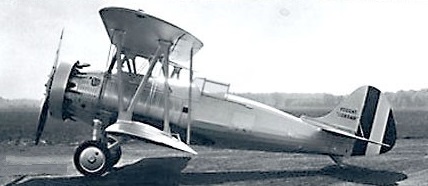
Engine: 675hp P&W R-1690
Wingspan: 36’0″
Length: 27’7″
Speed: 197 mph
Range: 760 mi
Ceiling: 27,800′.
Seats: 1

The 1931 V-50 Corsair was a two-place company demonstrator based on the O3U. The only one built, NX840W, was powered by a 635hp P&W R-1690 engine, at some time with a four-blade propeller. It was capable of 190 mph.


A single XO5U-1 was built (9399), featuring folding wings and amphibious floats, in 1934.
Engine: P&W R-1340
Wingspan: 36’0″
Length: 32’6″
Speed: 155
Ceiling: 15,100′
Seats: 2
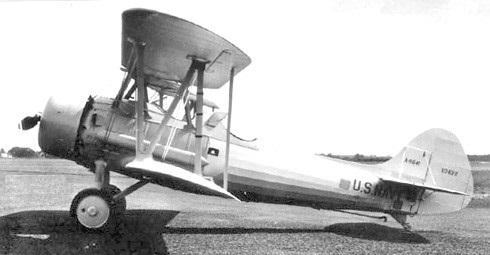
The XO4U-1 A8641 was built in 1931 with a shoulder-wing and powered by a 500hp P&W R-1340D engine. It crashed during testing and was rebuilt in 1932 as the XO4U-2 with a conventional wing placement and 625hp R-1535 engine.
XO4U-1
Engine: 500hp P&W R-1340D
Wingspan: 37’0
Length: 27’9″
Speed: 143 mph
Ceiling: 21,200′
Seats: 2
XO4U-2
Engine: 625hp R-1535
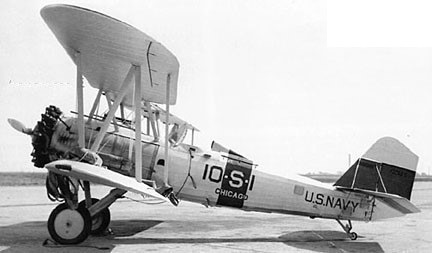
The Vought O3U was a two-place scout for the US Navy and US Marine Corp. The O3U operated on wheels and amphibious floats, and later became the SBU series.
Ninety-seven of the 1930 O3U-1 were built (A8547-8582, A8810-8839, and A8851-8871). They were priced at $10,607-12,653.
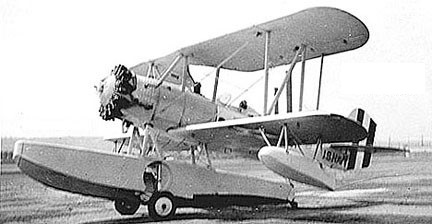
Fifteen of the 1930 O3U-2 were built, priced at $14,500.
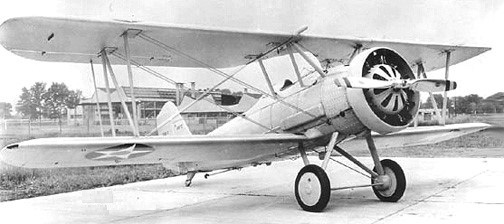
Seventy-five of the 1933 O3U-3 were built (A9142-9169, and 9283-93300), the last one modified as the XO3U-6.
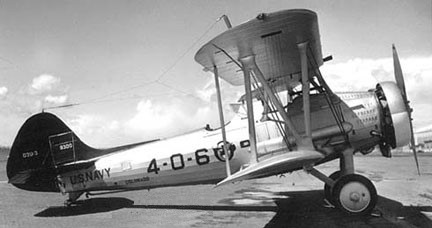
Sixty-five of the 1932 O3U-4 (A9077-9141) priced at $13,500-14,000. They became the SU model.
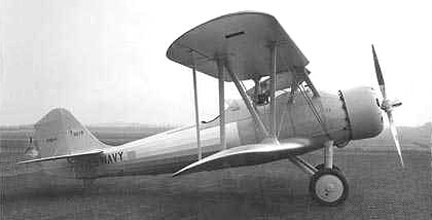
One O3U-4, A9078, was modified as XO3U-5 in 1934.
In 1934 O3U-3 9729 was modified to become the O3U-6 prototype.
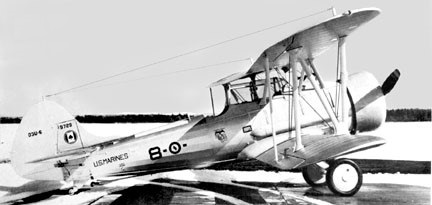
Thirty-one of the 1935 O3U-6 were built (9729-9744 and 0001-0016), the last one, 0016, temporarily as XOSU-1 scout version for testing. It later reverted to O3U-6.
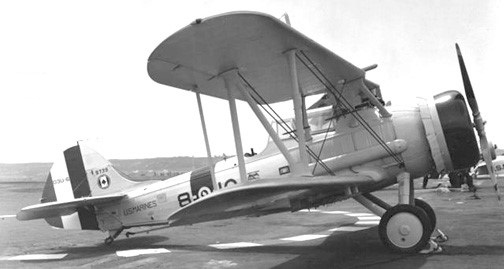
The SU re-designated from O3U was two seat and powered by a 600hp P&W R-1690C.
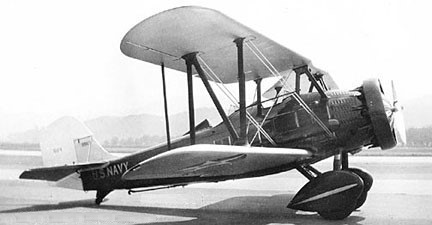
Twenty-eight SU-1 were built in 1933: A8872-8875, A8928-8937, and A9062-9076.
Fifty-three SU-2 were built in 1933; A9077, A9079-9108, and A9110-9121.
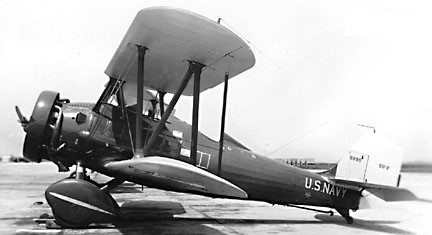
Twenty SU-3 were built in 1933; A9122-9141.
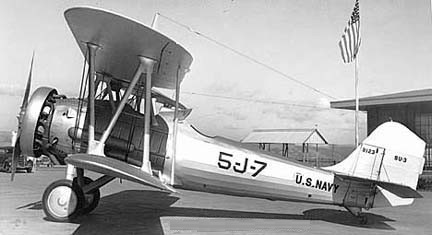
The one example of the XSU-4, A9109, was built in 1934.
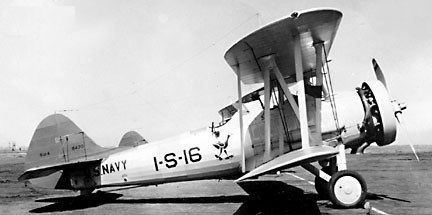
Forty SU-4 were built in 1934; 9379-9398, 9414-9433.
The 1933 V-65 and V-66 Corsair were export version of the SU-2.
V-65: 35 to Brazil, 46 to China, 12 to Argentina;
V-66: 8 to Brazil, 1 to Argentina, 1 to Britain.
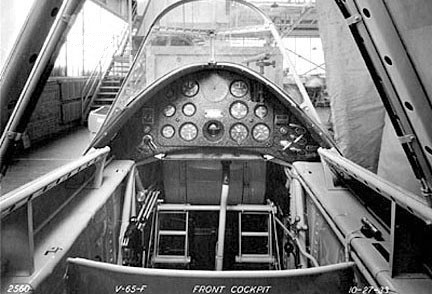
O3U
Engine: P&W R-1340, 450hp
Wingspan: 36’0″
Length: 26’1″
Speed: 141 mph
Ceiling: 16,100′
Seats: 2
Undercarriage: wheels
O3U
Engine: P&W R-1340, 450hp
Wingspan: 36’0″
Length: 26’1″
Speed: 137 mph
Ceiling: 15,000′
Seats: 2
Undercarriage: single-float
O3U
Engine: P&W R-1340, 450hp
Wingspan: 36’0″
Length: 26’1″
Speed: 132 mph
Ceiling: 15,000′
Seats: 2
Undercarriage: Amphibious
SU
Engine: 600hp P&W R-1690C
Wingspan: 36’0″
Length: 26’3″
Speed: 170 mph
Ceiling: 19,900′
Seats: 2
SU-4
Engine: 600hp P&W R-1690C
Length: 27’11”
Speed: 168 mph
Ceiling: 18,600′
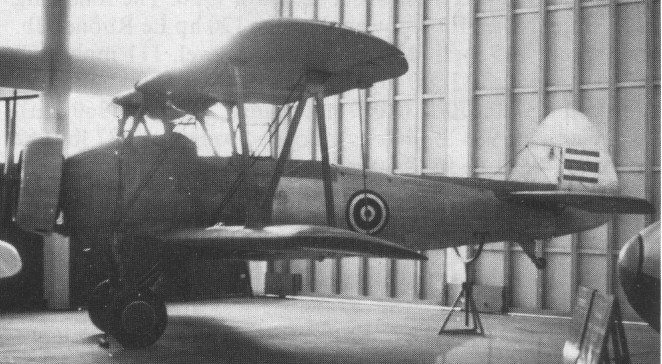
Although externally similar to the V-93, the V 100 Corsair Junior was a two seat trainer of which only one was built, NX14377, in 1934.
Engine: Pratt & Whitney R-985 Wasp Junior, 420 hp
Wingspan: 35’0″
Length: 26’8″
Speed: 155 mph
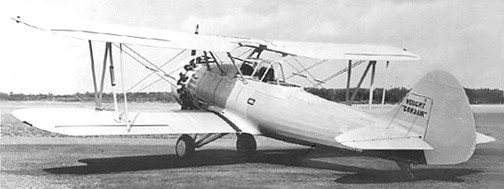
The 1933 V-90 Corsair was a two-place, open cockpit or cabin company demonstrator, similar to the O3U/SU. The one built, NX781N c/n 989, used various engines.
Twenty-one of the 1934 V-92 Corsair, similar to the SU-1, went to China.
The 1937 V-99 Corsair was similar to the O3U. One V 99M two seat fighter went to Mexico.
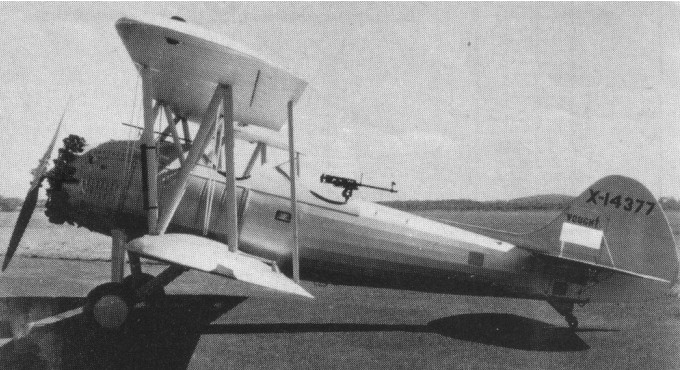
On 30 March 1933, twelve observation-attack Vought V-93S Corsairs were purchased and shipped to Siam (later Thailand, hence the ‘S’ in the designation) in 1934 where they were designated ‘Attacker Type 1’. Later the RTAF Directorate of Aeronautical Engineering was able to produce 150 Corsairs in 1936, 39 and 40. They were to become the first air combat fleet to serve in the Indochina conflict during October 1940-May 1941.
V-93S
Engine: Pratt & Whitney S5E-SD, 725 hp
Seats: 2
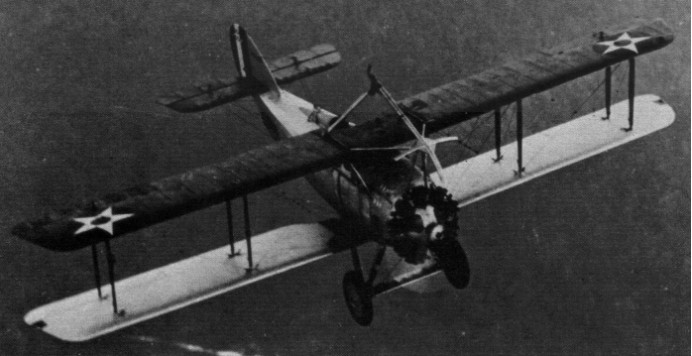
In 1922 the USN received eighteen UF-1 two-place scout-observation aircraft, A6482-6499, all re-designated to UO-1. One hundred and forty Vought UO-1 Aztec two seat biplane, were built from 1922, powered by 200hp Lawrance J-1 engines, as landplanes and seaplanes: A6482-6499 (converted from UF-1), A6546-6551, A6603-6615, A6706-6729, A6858-6877, A6984-7023, A7031-7050, of which one was converted by NAF to racer UO-2, and 13 to UO-5.
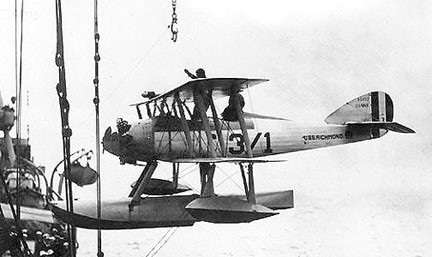
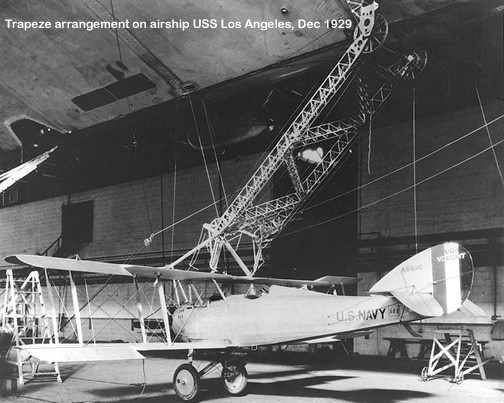
The UO-1 model was used in trials as hook-on scout/fighters with airships.
The two 1928 UO-1C (A7007 and one other) were a wheeled trainer version for USN Reserve. Possibly other conversions as the designation was also used for planes modified for catapult launching, regardless of floats or wheels.
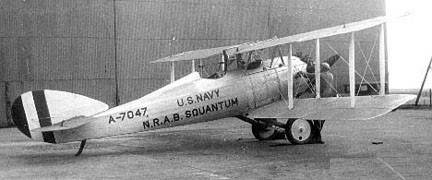

In 1922 NAF modified, wheeled UO-1 A6546 for 1922 Curtiss Marine Trophy competition. It was damaged in ground handling and did not race.
The UO-3 was re-designated as FU-1.
Two UO-4 were built in 1935 for the USCG with a single float; 404=V104, 405=V105.
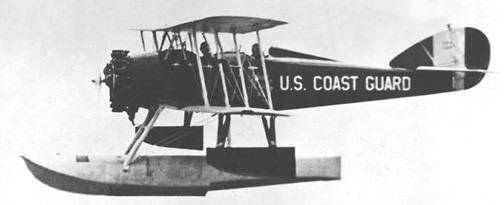
The UO-5 were modification of UO-1 with 220hp Wright R-790 engines. Thirteen were built; A6729, A6860, A6866, A6988, A6997, A6999, A7005, A7010-7012, A7016, A7035, and A7038.
UF-1
Engine: 220hp Lawrance J-1
Wingspan: 26’0″
Length: 20’1″
Speed: 132 mph
Ceiling: 21,700′
Seats: 2
UO-1
Engine: 200hp Lawrance J-1
Wingspan: 34’1″ length: (landplane) 22’1″ (seaplane) 28’6″
Speed: 122 mph
Ceiling: (landplane) 18,200′ (seaplane) 16,550′
UO-5
Engine: 220hp Wright R-790.
 All Aero