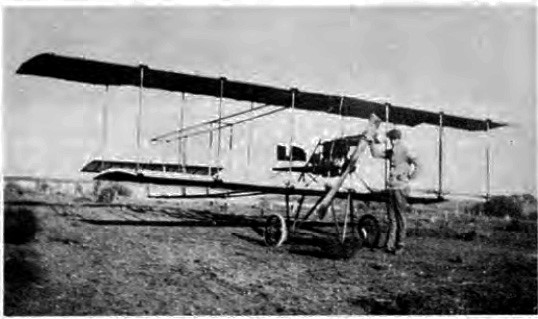
Several single place open biplane experimentals based loosely on the Curtiss design were produced by Waterman for himself and others in exhibition flying.
Individual aircraft were only lightly documented, but a particularly notable one used the wings and tail of the original Vought VE-7, which were discovered in an old hangar after WW2. Donated to the San Diego Air Museum, but perished in its 1978 fire.
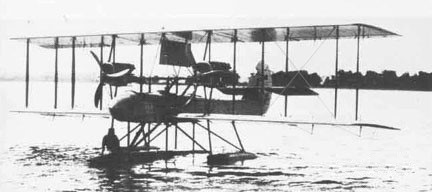
This was the second powered aeroplane built by Waldo Waterman of San Diego, born in 1894 and then a teenager. In 1911 Waterman built the single place open cockpit biplane powered by a 20hp Cameron tractor engine that had cooling problems, which allowed only short flights.
It was destroyed in a windstorm at North Island outside San Diego in February 1912. Undaunted, while at UC Berkeley in 1913, Waterman began construction of a twin-tractor flying boat planned for use at the Panama-Pacific Exposition, but lack of funding forced abandonment after the fuselage was built.
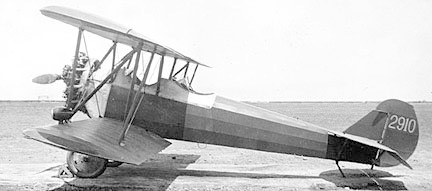
Designed by William Waterhouse and Lloyd Royer, the 1925 Roamair / Romair 2-3 place open cockpit biplane was built with various engines.
Both spellings were chosen, but Royer’s steadfast claim of “Romair” is tempered by some photos showing “Roamair” on the tail.
Waterhouse Roamair N2910
Five were built: NC990 c/n 18 with Wright J-5, to Pacific Coast Air Service, rebuilt in 1931 as a crop duster with 220hp Wright J-6, and re-registered NR12785
c/n 50 NR1637 with 160hp Curtiss C-6, also used as a crop duster
N2537 with 90hp Curtiss OX-5 in 1926, rebuilt in 1929 with 150hp Hisso as N4867
N2910 with 140hp Bailey Bulls-Eye, also for PAT
N3663 (possibly c/n 1) with 150hp Curtiss K-6, planned for 1928 Nationals cross-country race, but was damaged in a hard landing, possibly rebuilt in 1928 as NX7641 with 150hp Hisso.
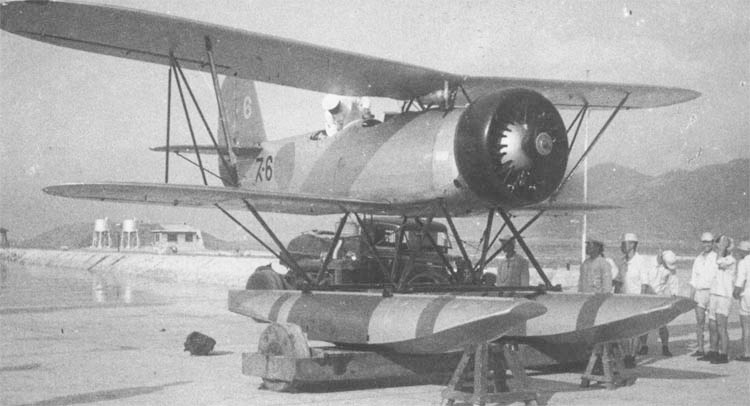
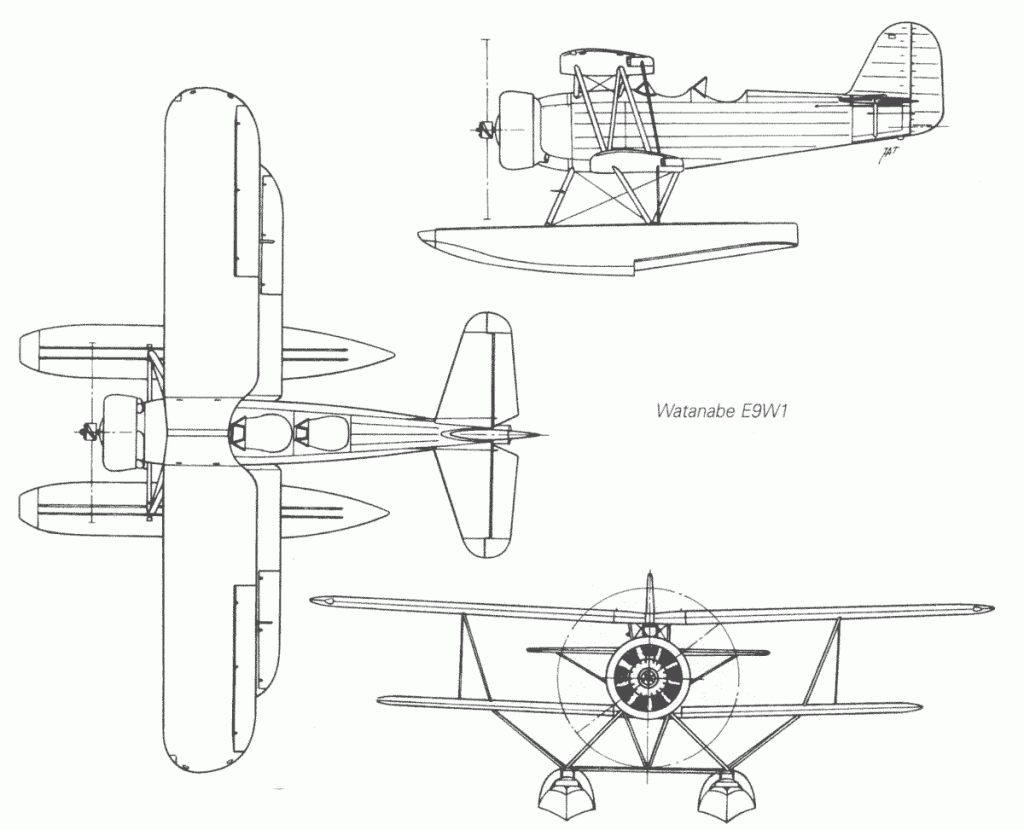
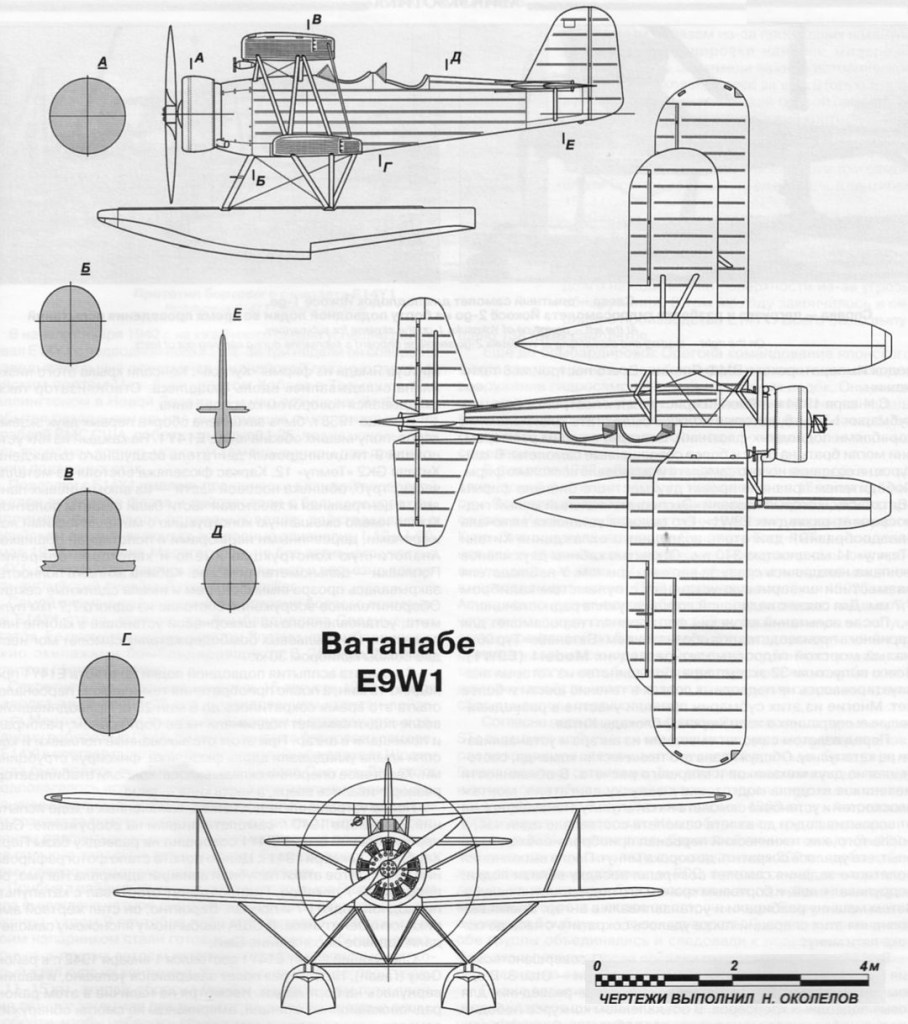
In January 1934, the Imperial Japanese Navy had a requirement for a two-seat reconnaissance seaplane to be operated from its J-3 type submarines, and placed an order with Watanabe Ironworks for design and development of an aircraft to meet this requirement.
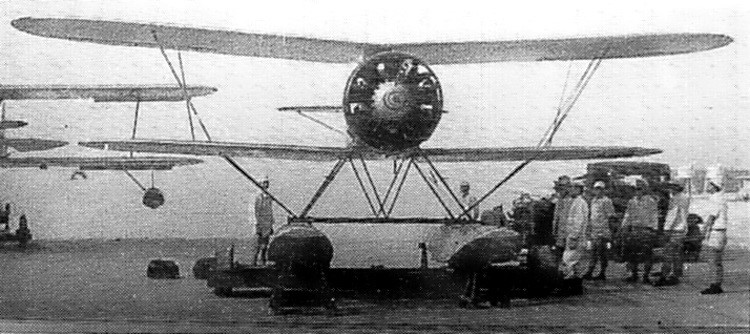
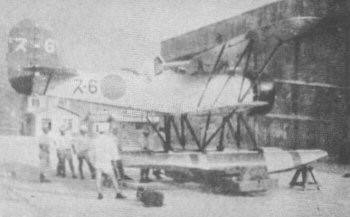
The E9W was a two-seat single-engine twin-float unequal-span seaplane designed to be easily dismantled for hangar stowage on a submarine, capable of being reassembled in two minutes 30 seconds and disassembled in one minute 30 seconds. It was armed with a 7.7 mm (0.303 in) machine gun operated by the observer.
The first of three prototypes flying in February 1935.
Following successful testing of one of the prototypes on the submarine I-5, an order for a production batch of 32 aircraft, designated E9W1, was placed. It was also built by Nakajima as the E9N1.
The aircraft entered service in 1938 with the Imperial Japanese Navy Air Service as the Navy Type 96 Small Reconnaissance Seaplane with the last being delivered in 1940. Although it was in the process of being replaced by the Yokosuka E14Y monoplane, it was still in front line service at the time of the Japanese attack on Pearl Harbor, remaining in service until July 1942, being used to direct their parent submarines onto Chinese ships attempting to pass the Japanese blockade of the South China Sea. The E9W1 was given the reporting name Slim in 1942 by the Allies of World War II.
E9W1 Engine: 1 × Hitachi Tempu II, 224 kW (300 hp) Wingspan: 9.91 m (32 ft 9½ in) Wing area: 23.51 sq.m (252.95 sq.ft) Length: 8.00 m (26 ft 3 in) Height: 3.71 m (12 ft 2 in) Empty weight: 882 kg (1,940 lb) Gross weight: 1,253 kg (2,756 lb) Maximum speed: 232 km/h (144 mph) Cruising speed: 148 km/h (92 mph) Range: 731 km (454 miles) Endurance: 4.9 hours Service ceiling: 6,740 m (22,100 ft) Crew: 2 (pilot, observer) Armament: 1 x 7.7mm (0.303in) machine gun
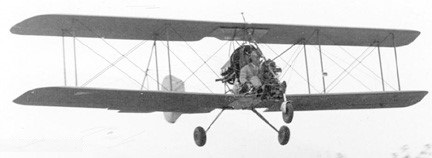
A seaplane for USN testing of pontoons was designed and built by a Lt Holden Richardson at the Washington Shipyard. A three place open cockpit biplane, power was from two engines.
One Seaplane / Richardson 82-A was built, A82, and three 3 ordered and s/ns issued. The last two, A83 and A84 were cancelled before construction.
The 1969 W-4 Hot Canary single place open cockpit biplane was intended for pylon racing in the sport biplane class. Featuring negative stagger, the W-4 was registred N4777W.
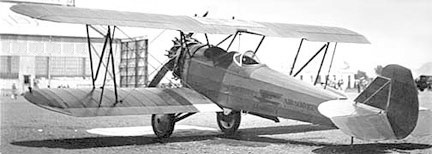
The 1931 CP-2 Warren Taperwing two place open cockpit biplane NX10257 was built as an aero engineering class project at California Polytechnic College.
The airplane carried c/n 3, and the alternative designation CP-3 has been seen, indicating the third airplane built at Cal Poly.
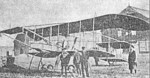
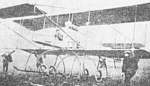
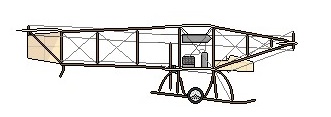
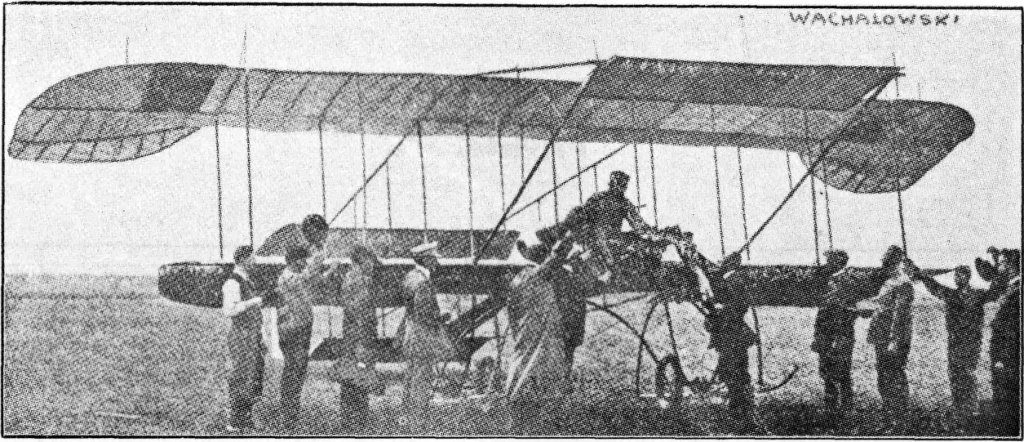
The Warchalowski V was built by Autoplan, Austria.
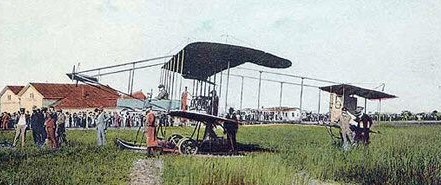
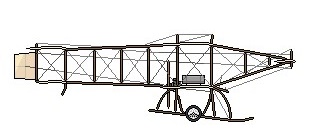
1911 Warchalowski V single-seater pusher biplane
From 1910 to 1912 Adolf Warchałowski started designing and building aircraft based roughly on Farman design. Within two years he built 15 aircraft that differed with various details. Warchłowski’s planes were highly succesful for a time and gained several records of Austria.
The Warchalowski V (“Vindobona Racer”), was flown by the constructor on June 7, 1911. It was a development of the Warchalowski IV and was reported to have a single rudder and a Gnôme engine. Examples were built. Two Warchalowski V aircraft took top positions in the Air Meeting in Wiener-Neustadt (11-18.06.1911). On 9.08.1911, a night flight over Vienna was made on a plane equipped with headlights. The VI version was reported to have a single horizontal tail was used and a Daimler inline engine. In August and September 1911, three examples were built. On this plane, in August and September 1911, the constructor participated in military exercises. One was broken down by J. Sablatnig on October 1, 1911, a second was crashed by Sablatnig on August 19, 1911 during a flight around lower Austria, where he reached a speed of 106 km/h.
From 1910 to 1912 Adolf Warchałowski started designing and building aircraft based roughly on Farman design. Within two years he built 15 aircraft that differed with various details. Warchłowski’s planes were highly succesful for a time and gained several records of Austria.





 All Aero