During 1910-11 Elling O Weeks and E A “Gus” Riggs built two aircraft, fairly traditional Wright-type designs.
Then Weeks and O E Williams built two tractor biplanes in Scranton PA in 1912, after which he joined forces with Gus Riggs for a couple more in 1915-16.
Professor of the Politechnika Lwowska (Lvov Institute of Technology) Zygmunt Sochacki and his assistant Jan Weber designed and begun construction of Farman-inspired aircraft. In November 1910 it made first short flight that ended with damage after it hit an obstacle. A repair was attempted but snowfall caused collapse of the shed in which it was stored.
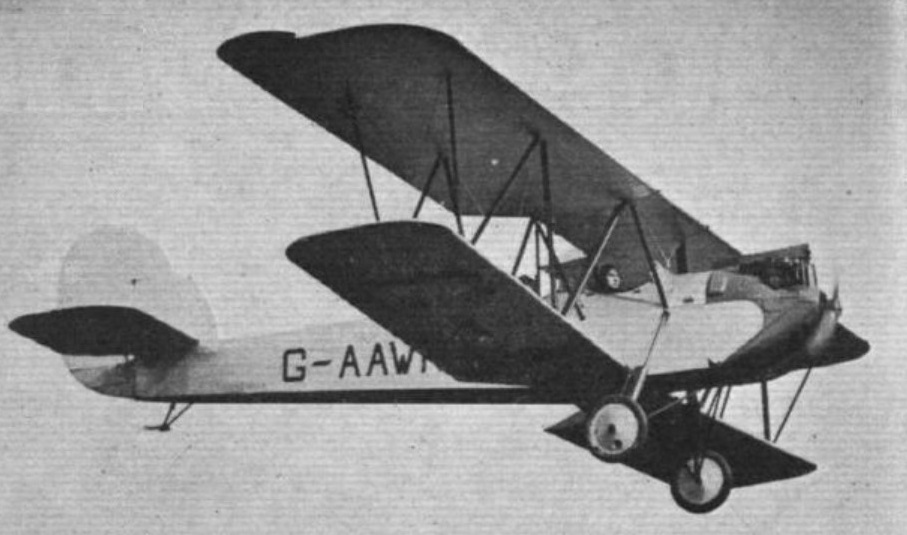
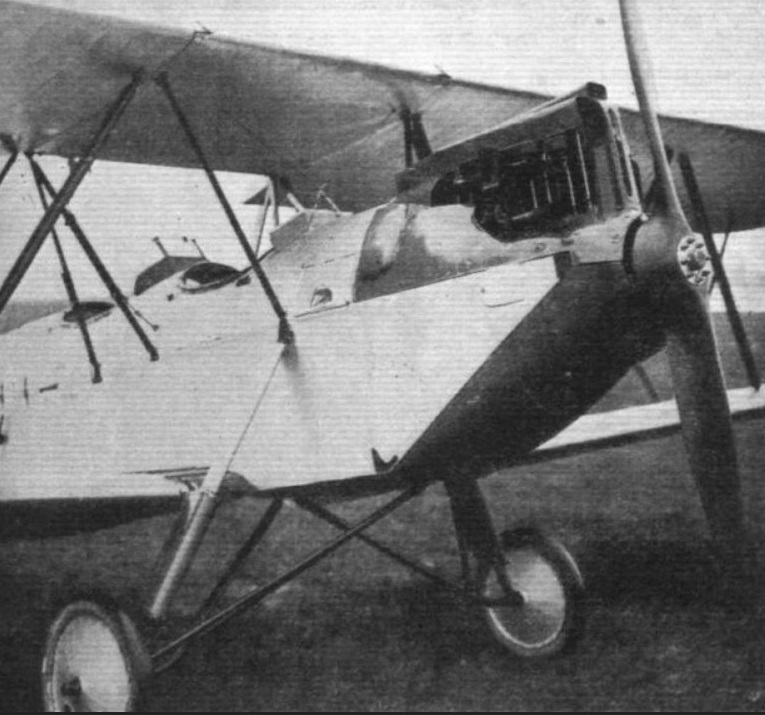
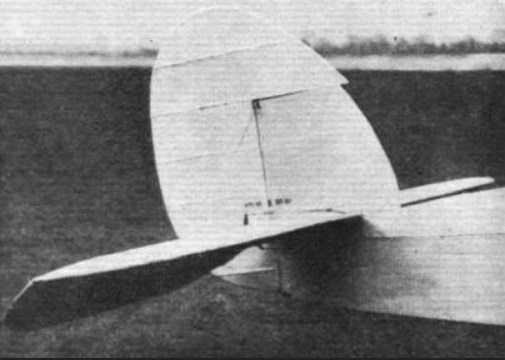
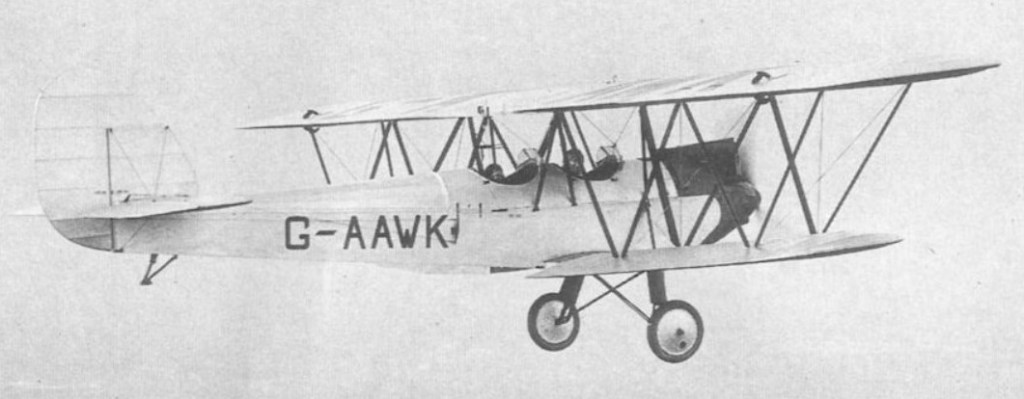
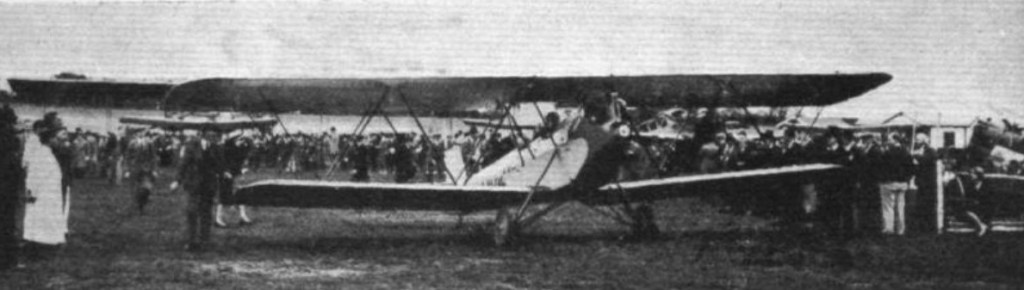
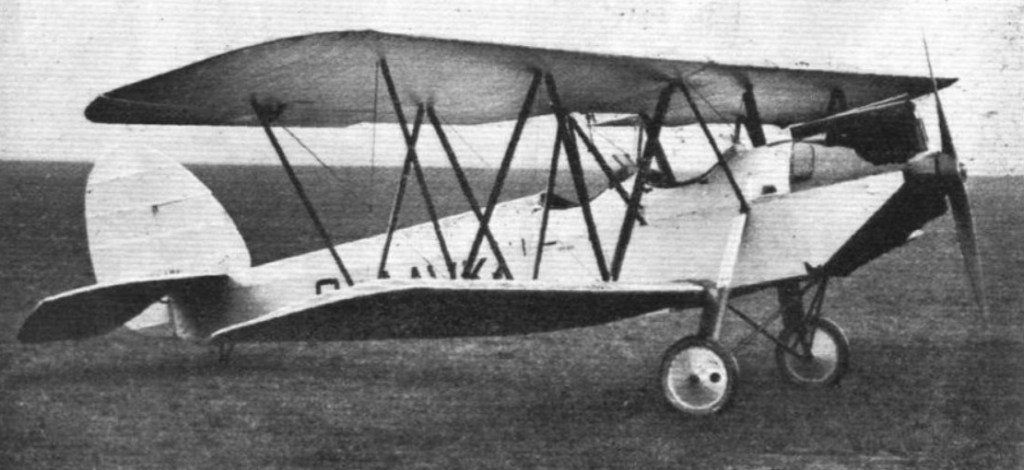
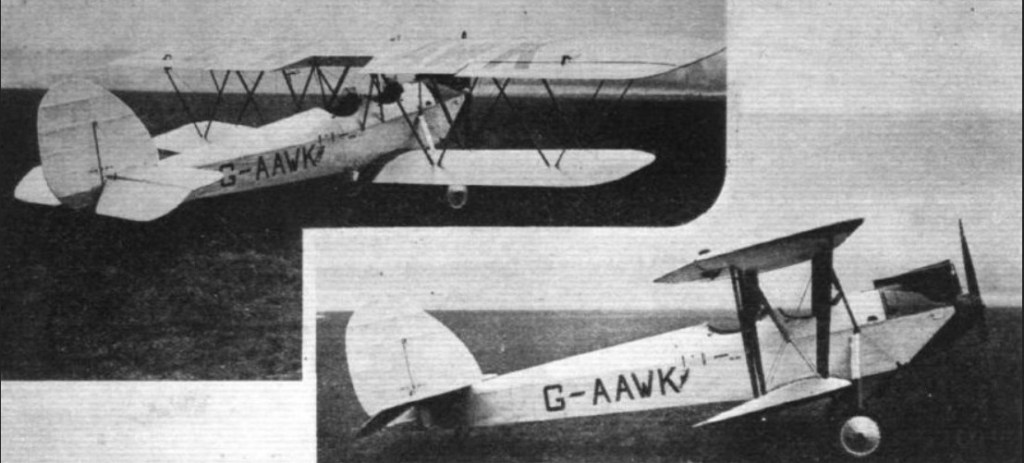
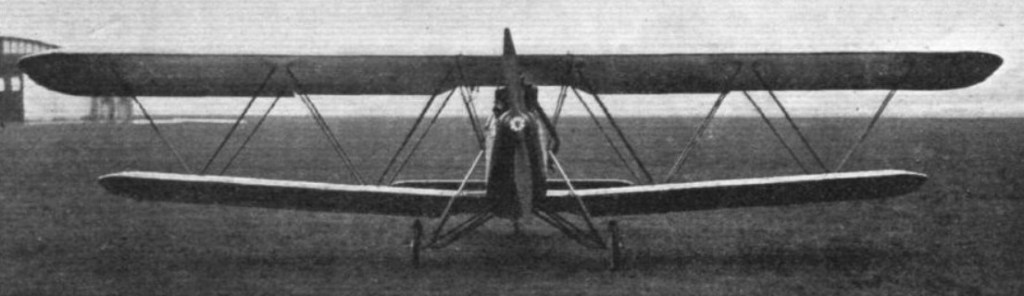
The Dudley Watt D.W.2 was a 1930s British two-seat light biplane designed by K.N. Pearson for Dudley Watt. The D.W.2 was built at Brooklands and was a wood and fabric biplane with a tailskid landing gear. It had two open cockpits and was powered by a 90 hp (67 kW) ADC Cirrus III piston engine.
The D.W.2 was designed to be offer exceptional handling at low speeds and to be a competitor for the de Havilland Moth family.
Construction was started in 1929 and it was built by K.N. Pearson at Brooklands, first flying on 17 May 1930.
Only one D.W.2 (registered G-AAWK cn.1) was built and this was sold by Dudley Watt in February 1934, it had been dismantled at Selsey by the end of year.
Powerplant: 1 × ADC Cirrus III, 67 hp (90 kW) Wingspan: 39 ft 8 in (12.09 m) Wing area: 350 ft2 (32.5 m2) Length: 25 ft 10 in (7.87 m) Empty weight: 1050 lb (476 kg) Gross weight: 1224 lb (555 kg) Maximum speed: 90 mph (145 km/h) Crew: 2
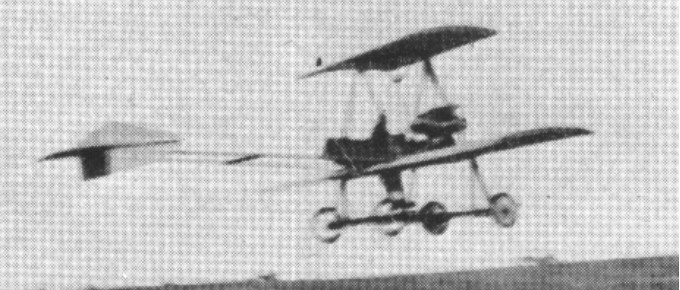
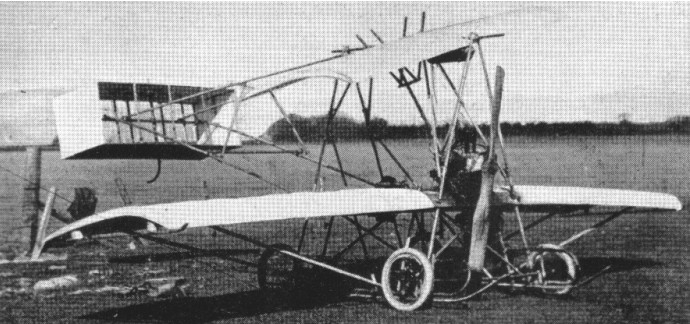
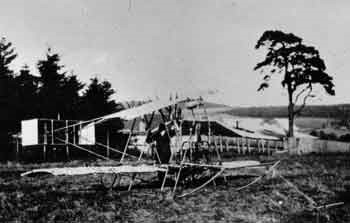
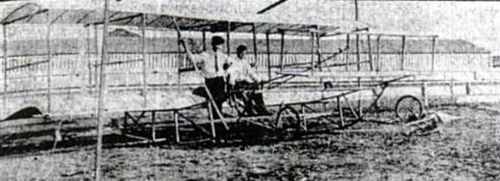
In 1902 Scotsman Preston Watson is said to have fitted a Santos-Dumont engine to a biplane glider and flown it successfully. The improved version is said to have made many successful flights in 1908.
Preston Watson’s first aeroplane, photographed at Errol, Perthshire, Scotland.
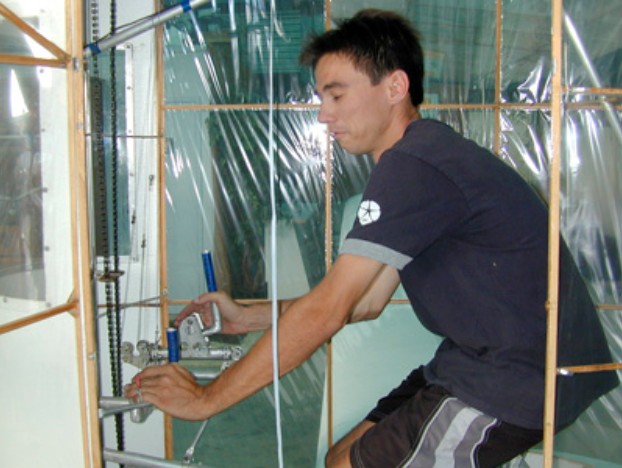
It is was the third full size aircraft Bill Watley has constructed since 1945. The Mayfly 3 is a very large Biplane: each wing is 50 ft in span and height of 10ft. (approx). The variable pitch propeller is made of blue foam and is 12 ft in diameter, turning at 100 RPM. Bill Watley constructed the aircraft over a period of three years full time, working almost every day. It had taken at least 6000 hours. The structure is normal commercial pine and white polystyrene covered with Mylar. The cockpit frame for the pilot is commercial aluminium. All parts of the aircraft were carefully drawn and the dimensions carefully adhered to. A water level was used at all times to ensure the diagonals were all correct The Mayfly 3 did achieve flight in Kooralbyn, Australia, after a number of structural amendments, including a redesign of the undercarriage and wheel diameter.
Wingspan: 50 ft Length: 26 ft Propeller: blue foam 12 ft diameter
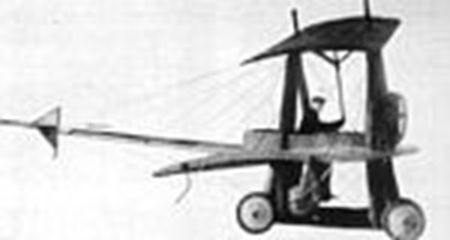
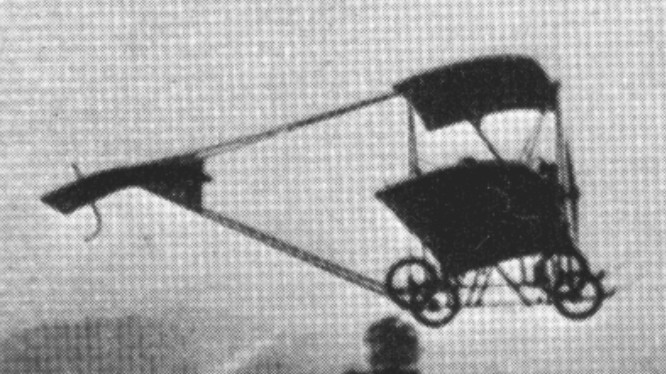
Waldo Waterman’s first powered creation (he built gliders in 1909), in 1910 in league with Kenneth Kendall, was a single place, open cockpit biplane, 2-cylinder Speedwell pusher.
It was so badly underpowered it had to be assisted by automobile tow to get off the ground, but it did and made a few flights before becoming ensnarled in the tow rope on a take-off. It crashed and Waterman earned two fractured ankles for his efforts. Although based on the Curtiss, it had an innovative concept of wheels that could be folded up via a lever-and-wires arrangement in order to land on its skids—this lever also shut off the motor at the same time.
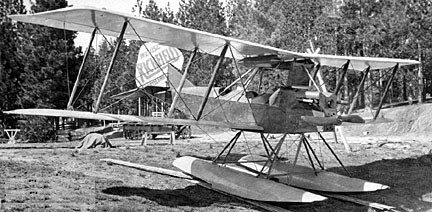
The 1924 Waterman-Boeing C were modified surplus USN floatplanes for passenger operations. Waterman was able, through craft, to buy six Model Cs for $200 each (USN cost $10,250 each, and selling nationally in lake areas for $2,000 each) for use a basis for his Big Bear (CA resort) Airlines.
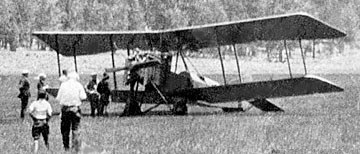
The five place Waterman-Boeing C was later converted to wheels and Renault engine, expanded four place front cockpit, internal gas tanks relocated under the top wing, and enlarged tailskid.
Waterman-Boeing C on wheels
One plane is seen in the 1926 film, “Mantrap,” in which Waterman also played a bit part, and two were destroyed in filming “Dawn Patrol” as the ones that crash on take-off during a raid on the German aerodrome.

 All Aero