The 1930 OW-X was a modified Swallow with a 300-gallon fuel tanks for an endurance flight that was never made. A single place open cockpit biplane, the single example, NX952W c/n 1, was powered by a 150hp Hisso A, and later a 110hp Dayton Bear.
It was converted into a seaplane in Kentucky in 1931.
The 1928 OW-3, aka Hi-Lift, open cockpit biplane was a modified Standard J-1 fuselage with a Welch-designed high-lift wing. Two were built: N378 c/n 10 and N3506 c/n ES-51.
Two 1928 Welsh OW-2 open cockpit biplanes were built. The first, N5105, was modified from an OW-1, then modified again as a 5 place with replacement motor, but destroyed in a hangar fire in November 1929.
A secod OW-2 was N11142 c/n 106.
Engine: Hisso A, 150 hp Wingspan: 31’2″ Length: 24’4″ Useful load: 800 lb Max speed: 101 mph Cruise speed: 96 mph Stall: 32 mph Range: 400 mi Seats: 3
The first original design by Orin Welch was the 1927 OW-1 open cockpit biplane. Four were built; N817 c/n 103, N4205 c/n 100, N5105 c/n 101, and N6838 c/n 104.
Designed by Fred Parker and Orin Welch, the open cockpit 1927 biplane was loosely based on a Swallow design. One was built, N1405, with. “Elephant ear” ailerons, and faired-in radiator underneath. The first production for Welch Co, dubbed Miss Anderso, it was used as a company hack until its eventual sale. Badly damaged after a forced landing in a cornfield, it went into storage, then lost.
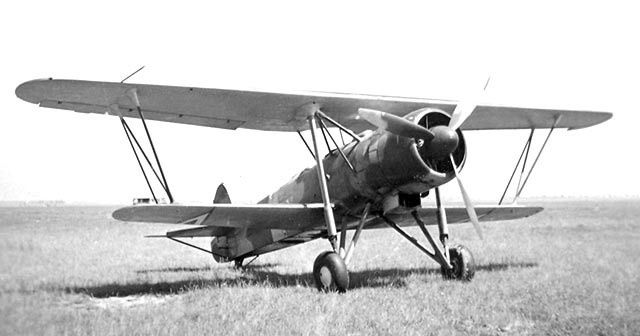
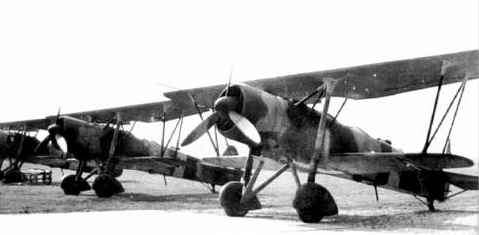
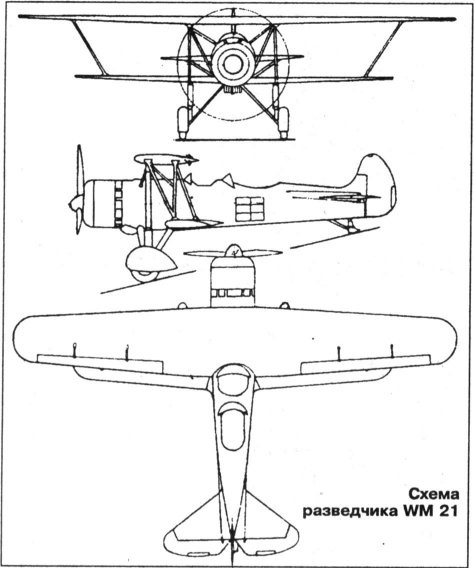
The Weiss WM-21 Sólyom (English: Falcon) was a 1930s Hungarian light bomber and reconnaissance biplane developed by the Manfred Weiss company from the earlier WM-16 which was based on the Fokker C.V.
A single-engine biplane of mixed construction with fixed landing gear, the WM-21 was designed to replace the WM-16, which was considered unsuitable for operational service. The WM-21’s structure was strengthened, and the aircraft received a new, more efficient wing set. A tailskid was fitted to allow for shorter landing runs on grass airfields. The Sólyom was powered by a 870 hp (649 kW) Weiss WM-K-14A radial engine.
A total of 128 aircraft were built by three different factories, Manfred Weiss built 25, 43 by MAVAG in Budapest, and 60 by MWG, State Railcar (“Giora vagongiar”) in Gyor.
The first aircraft entered service in 1939 with short-range reconnaissance units, although active during the 1940 dispute with Romania their first active operational use was during the Axis invasion of Yugoslavia in August 1941. From June 1941 they were used to support Hungarian Army units in Ukraine and then against Soviet partisans. Around 80 aircraft were also transferred to duties as trainers, as they were removed from operational use, until 1945.
WM-21 Scouts participated in the conflict with Romania in August 1940, they even bombed one of the Romanian airfields. Since the beginning of 1941 WM-21 is gradually transferred to the “second line”, but they are still quite a lot left in the combat units. In April – May 1941, several squadrons of the aircraft involved in the invasion of Yugoslavia. After the outbreak of war with the Soviet Union on the German side they used the Hungarian army in the Ukraine, the Don, Stalingrad in 1941-43. The last case of their appearance on the eastern front was recorded in March 1943, near Kharkov. Later they served as training and used against guerrillas in the occupied areas of the USSR. WM-21B stopped producing in early 1942
WM-21 Engine: 1 × Weiss WM-K-14A, 650 kW (870 hp) Upper wingspan: 12.90 m (42 ft 4 in) Lower wingspan: 9.40 m (30 ft 10 in) Length: 9.64 m (31 ft 8 in) Height: 3.5 m (11 ft 6 in) Empty weight: 2,300 kg (5,071 lb) Gross weight: 3,400 kg (7,496 lb) Maximum speed: 320 km/h (199 mph; 173 kn) Range: 750 km (466 mi; 405 nmi) Guns: 3 x 7.9mm (0.31in) Gebauer machine-guns Bombs: 12 x 10kg (22lb) Anti-personnel bombs or 60 x 1kg (2.2 lb) incendiary bombs Crew: 2
WM-21B Engine: WM 14KB, 1030 hp Wingspan: 12.90 m Wing area: 30.40 sq.m Length: 9.64 m Height: 3.58 m Empty weight: 2300 kg Maximum take-off weight: 3500 kg Maximum speed: 380 km / h Cruising speed: 336 km / h Range: 700 km Service ceiling: 8500 m Crew: 2 Armament: three 7.9-mm Gebauer 34 M machine guns Bombload: 300 kg

 All Aero