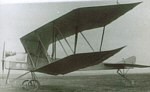
The 1913 Albatross DD2 “Pfeil” (Arrow) biplane was designed and built by Albatross Company in Germany.
The 1913 Albatross DD2 “Pfeil” (Arrow) biplane was designed and built by Albatross Company in Germany.
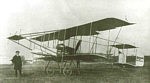
The 1911 Albatros MZ 2 biplane was designed and built by Albatros Company.
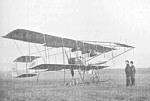
The 1910 Albatros biplane was designed and built by Albatros Works in Germany.
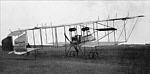
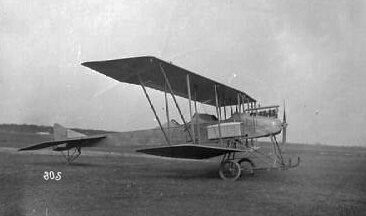
The 1913 Albatros DE of 1913 doppeleindecker type, quite likely a training machine, given the skids and the apparent comfort provided to the instructor in back. Its 6-cylinder engine was either a Daimler Mercedes D.I or D.II of 100 or 120 hp.
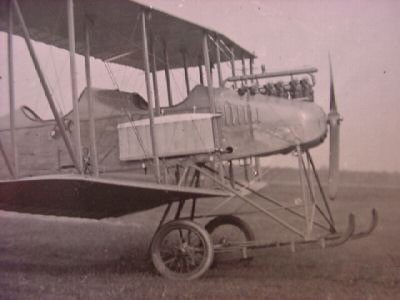
Very similar to the Albatros Uhu Schuldoppeldecker (training biplane) dating from 1913, described by Lange as having many of the same qualities.
Span: 47’3″
Length: 29’10”
Weight empty: 1389 lbs
Speed: 49 mph
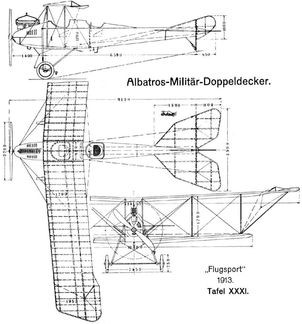

The Albatros-Pietschker-Renndoppeldecker was an Albatros SZ 1 sport biplane with a 70 hp Gnôme, built for Alfred Pietschker in 1911.
Albatros-Pietschker-Renndoppeldecker
Engine: 70 hp Gnôme
Span 10 m
Max speed: 85 km/h
The 1913 Albatross WDD bi-seaplane was designed and built by Albatross Company in Germany.
Engine: Argus As II, 118 hp
Crew: 2
A reconnaissance aircraft of 1927. Only six were built.
L 76
Engine : BMW VI 5, 592 hp
Length: 28.051 ft / 8.55 m
Height: 12.27 ft / 3.74 m
Wingspan : 41.864 ft / 12.76 m
Wing area : 299.239 sqft / 27.8 sq.m
Max take off weight : 5380.2 lbs / 2440.0 kg
Weight empty : 3561.1 lbs / 1615.0 kg
Max. speed : 127 kts / 235 km/h
Wing load : 18.04 lb/sq.ft / 88.0 kg/sq.m
Crew : 2
L.76a
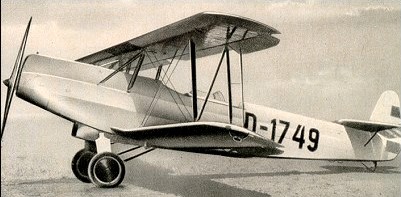
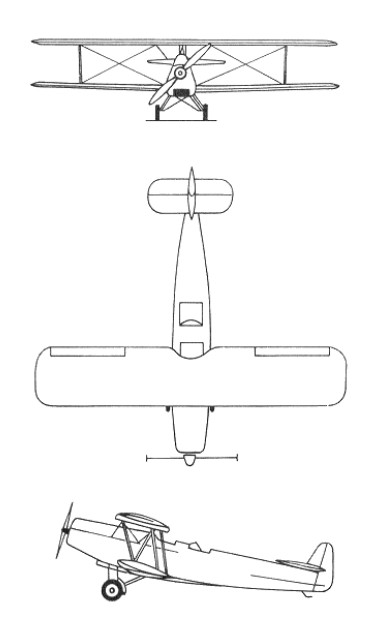
A two-seat advanced training biplane, of which 41 models were produced including the prototype. The models were: a,b,c,d,E,F,DSA and DSB.The engines varied with the prototype having a BMW IVa all other models featuring the BMW Va except for the b,F and DSB which used the Junkers L5. Performance for all models was reasonably similar.
Engine: 1 x BMW VA, 280kW
Take-off weight: 1835 kg / 4046 lb
Empty weight: 670 kg / 1477 lb
Wingspan: 12.5 m / 41 ft 0 in
Length: 10.0 m / 32 ft 10 in
Max. speed: 208 km/h / 129 mph
Cruise speed: 180 km/h / 112 mph
Ceiling: 5100 m / 16750 ft
Range w/max.fuel: 1950 km / 1212 miles
Crew: 2
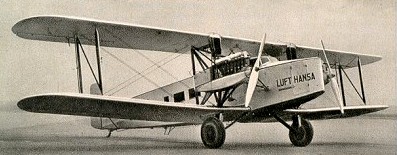
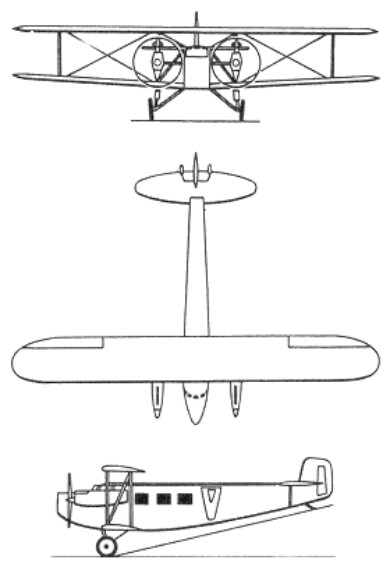
An eight-passenger biplane airliner of 1926, powered originally by two 179kW BMW Va engines, but subsequently fitted with 268kW BMW Vas. Four were built for Luft-Hansa, flying night sections of several domestic and international routes until the early 1930s. Two were later sold to Bulgaria
A luxurious aircraft for its time, the L73 featured reclining seats for all passengers.
Engine: 2 x BMW IV, 280kW
Wingspan: 19.7 m / 64 ft 8 in
Length: 14.6 m / 47 ft 11 in
Height: 4.7 m / 15 ft 5 in
Wing area: 92.0 sq.m / 990.28 sq ft
Take-off weight: 4600 kg / 10141 lb
Empty weight: 1690 kg / 3726 lb
Max. speed: 158 km/h / 98 mph
Cruise speed: 145 km/h / 90 mph
Ceiling: 3000 m / 9850 ft
Range w/max.fuel: 600 km / 373 miles
Crew: 2
Passengers: 8
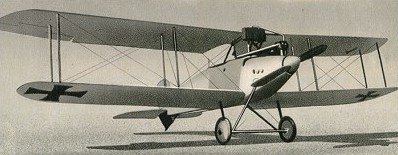
The Albatros J.I was conceived of as a dedicated ground attack aircraft for use in the “infantry close-support role” during World War 1. Taking the wing assemblies and empennage of the C.XII, Albatros built a new fuselage. Unique to the J.I was the addition of armour steel plate to help protect the crew during their low-level attack runs over hostile territory. This armour added much weight some 1,080lbs. To achieve the low-level strafing role required, the J.I was fitted with a pair of downward-firing machine guns controlled by the pilot. First flight of the J.I was recorded in 1917 and the aircraft went into operational status that same year.
Despite its drawbacks, the J.I did achieve a certain level of success as a dedicated ground-attack platform and about 240 production examples were built by war’s end.
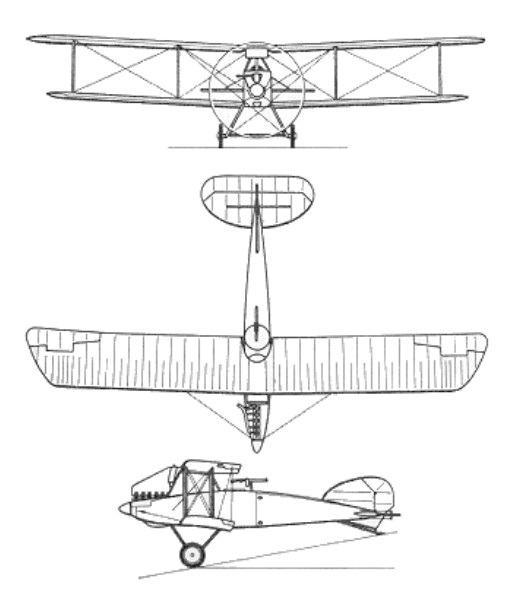
A biplane design, the Albatros J.I featured a downward-sloping forward fuselage., keeping the engine at a low level when compared to most other biplane designs. The engine was fitted in a forward-set compartment ahead of the cockpit and protruded from the top of the fuselage. The engine powered a two-bladed propeller made of wood. The pilot saw just aft of the engine and under the upper wing assembly. To his rear was the observer/rear cockpit gunner. Wings were equal span with parallel struts and dual bays, additionally braced at the fuselage. The rounded fuselage tampered off to a point at the rear to which was affixed a rounded, swept-back vertical tail fin and a pair of horizontal planes set well-aft. A ventral “fin” type structure was noted under the fuselage rear and this helped to support the tail skid. The main undercarriage was fixed and each single-wheeled landing gear leg was supported by two struts emanating from the fuselage with a connecting strut joining the two legs together.
As an infantry close-support platform, the J.I armament was 2 x 7.92 Spandau LMG 08/15 series aircraft machine guns arranged in a fixed, downward angle, suitable for making strafing runs against trench formations. The rear 1 x 7.92mm Parabellum MG14 series machine gun served as a self-defence measure. This machine gun was fitted to a trainable mount.
Beyond the Luftstreitkrafte of the German Empire, the only other noted operator of the J.I became Poland but these were fielded in the years following the close of World War 1. Some 10 such aircraft in Polish service served up until 1921 before being retired.
The less successful J.II, powered by a 164kW Benz Bz.IVa, had extra armour plating to protect the engine and so lost the pointed nose and propeller spinner.
Albatros J.I
Engine: 1 x Benz Bz.IV inline, 150- or 200 hp
Length: 28 ft 10 in (8.8m)
Wingspan: 46 ft 4 in (14.14m)
Height: 11 ft 10 in (3.37m)
Wing area: 42.8 sq.m / 460.69 sq ft
Empty Weight: 3,082lbs (1,398kg)
Maximum Take-Off Weight: 3,986lbs (1,808kg)
Maximum Speed: 87mph (140kmh; 76kts)
Cruise speed: 110 km/h / 68 mph
Range w/max.fuel: 350 km / 217 miles
Range w/max.payload: 275 km / 171 miles
Rate-of-Climb: 400ft/min (122m/min)
Service Ceiling: 14,764ft (4,500m)
Endurance: 2 hours and 30 minutes
Crew: 2
Armament: 2 x 7.92mm Spandau LMG 08/15 machine guns, 1 x 7.92mm Parabellum MG14 machine gun
 All Aero