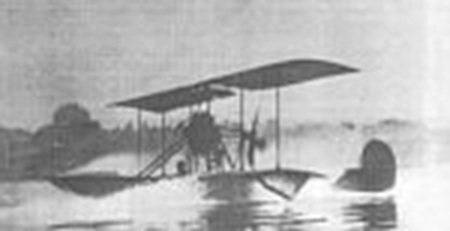
The 1913 Burgess-Collier biplane flying boat was designed and built by W.Burgess in the USA. It was commissioned by R. J. Collier, editor of Collier’s Weekly
An improved, largest and fastest version was powered by a 220hp 20 cylinder-radial engine.
The 1913 Burgess-Collier biplane flying boat was designed and built by W.Burgess in the USA. It was commissioned by R. J. Collier, editor of Collier’s Weekly
An improved, largest and fastest version was powered by a 220hp 20 cylinder-radial engine.
Circa 1970, Dick Bailey built the Bailey Model B “Bitty Bipe” two-place open cockpit biplane N55E.
Engine: 125hp Lycoming O-290G
Wingspan: 16’0″
Useful load 300 lb
Cruise: 120 mph
Stall: 55 mph
Seats: 2

The 1927 Bach CS-4 N3431 c/n 2 was a four-place cabin biplane.
Engine: 150hp Hisso A
Max speed: 130 mph
Stall: 30 mph
Seats: 4

The 1927 Bach CS-1 designed by L Morton Bach was all-wood construction with wings from a war-surplus SE5a fighter.
A three-place cabin monoplane, only one was built; NX2899 c/n 1.
Engine: 120hp static Super-Rhône Z-1 (later 120hp Bristol Lucifer)
Wingspan: 25’6″
Length: 20’4″
Useful load: 825 lb
Max speed: 107 mph
Cruise: 90 mph
Stall: 35 mph
Range: 450 mi
Seats: 3

The 1913 Burgess I Scout hydroaeroplane pusher biplane was designed and built by W.Burgess in the USA
Span: 39’19”
Length: 31’4″
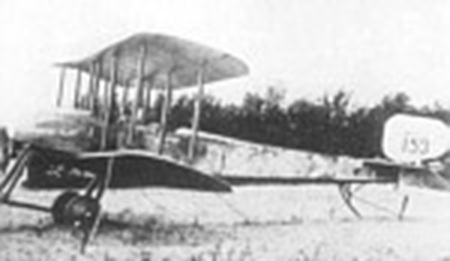
The 1913 Bristol Coanda TB.8 biplane was designed by Henri Coanda (Romanian) and built by Bristol Aircraft
Span: 37’8″
Length: 29’3″
Weight all-up: 1665 lb
Speed: 65-75 mph

The 1913 Bristol Coanda Type BR 7 and BR 8 biplanes were designed by Henri Coanda (Romanian) and built by British & Colonial Aeroplane Co
Type BR 7
Span: 38′
Length: 27′
Type BR 8
Span: 37’8″
Length: 29’3″
Speed: up to 75 mph
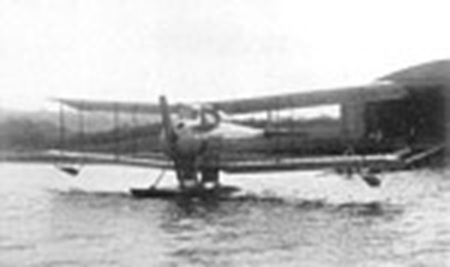
The 1913 Bristol Coanda hydro-biplane was designed by Henri Coanda (Romanian) and built by Bristol Aircraft
Span: 37’8″ – 38’8″
Length: 27’10”, 29’2″, and 30’6″
The 1928 Alexander Racer NX7187 single/two-place open cockpit biplane was a modified-wing racer for the 1929 Nationals piloted by Reggie Sinclaire. Powered by a 150hp Curtiss C-6A, it came in second in the 50-mile free-for-all event, at 110 mph.
Sinclaire, an ex-Lafayette Escadrille SPAD pilot, was heir of the Corning Glass Co family.
The 1924 Alexander Longren two-place open cockpit biplane was powered by a 60hp Anzani or Lawrance engine.
The Longren had a Bakelite-type monocoque fuselage and folding wings. Four were built from Longren Aircraft Co inventory.
Engine: 60hp Anzani or Lawrance
Wingspan: 27’11”
Length: 19’7″
 All Aero