Wolf W-II Boredom Fighter

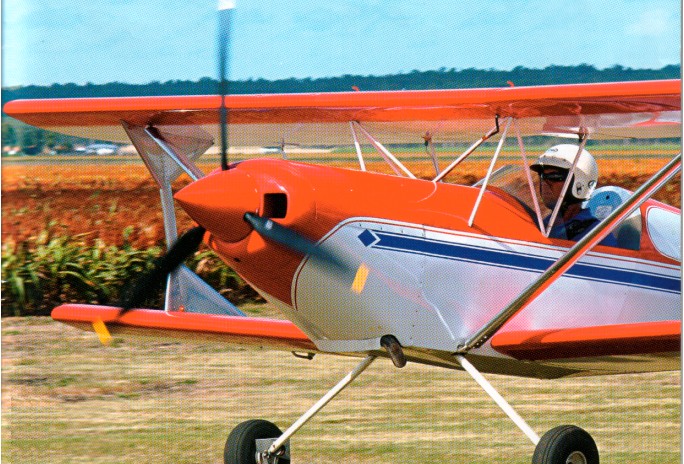
Don Wolf, a technical engineer at Fairchild’s Engine Division on many classified military projects and flew many different the past half century, then finally got around to designing a replica of the World War I wood-and-wire fighter types he loved as a kid. Rather than metal, he chose to build the framework of steel fittings of chrome-moly as well as tube structures for cabine, landing gear, etc. Wolf spent a year of spare time detailing Boredom Fighter after running stress analyses. First flying on 30 August 1979, the takeoff roll of 150 is spectacular, as well as its fast climb and excellent economy cruise of 100 mpg burning 3 gph of low-octane fuel.

W-II
Engine: Continental, 65 hp
Wing span: 20 ft
Wing area: 100 sq.ft
Length: 15.7 ft
Height: 6ft
Weight empty: 473 lbs
Gross: 770 lbs
Fuel cap: 15 USG
Speed max: 120 mph
Cruise: 110 mph
Range: 440 sm
Stall: 42 mph
ROC: 1200 fpm
Take-off dist: 150 ft
Landing dist: 350 ft
Service ceiling: 16,000 ft
HP range: 65-75
Seats: 1
Landing gear: tailwheel

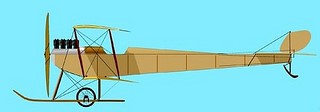
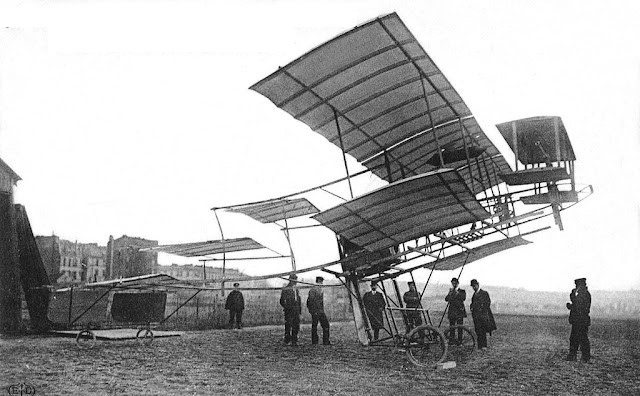
Witzig-Liore-Dutilleul No.1

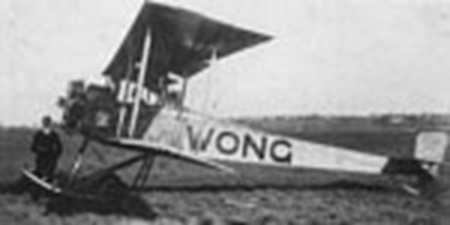
One of the first revisions of the 1909 Witzig-Liore-Dutilleul No 1, with the wheels set too far forward, resulting in the distortion of the whole airframe.

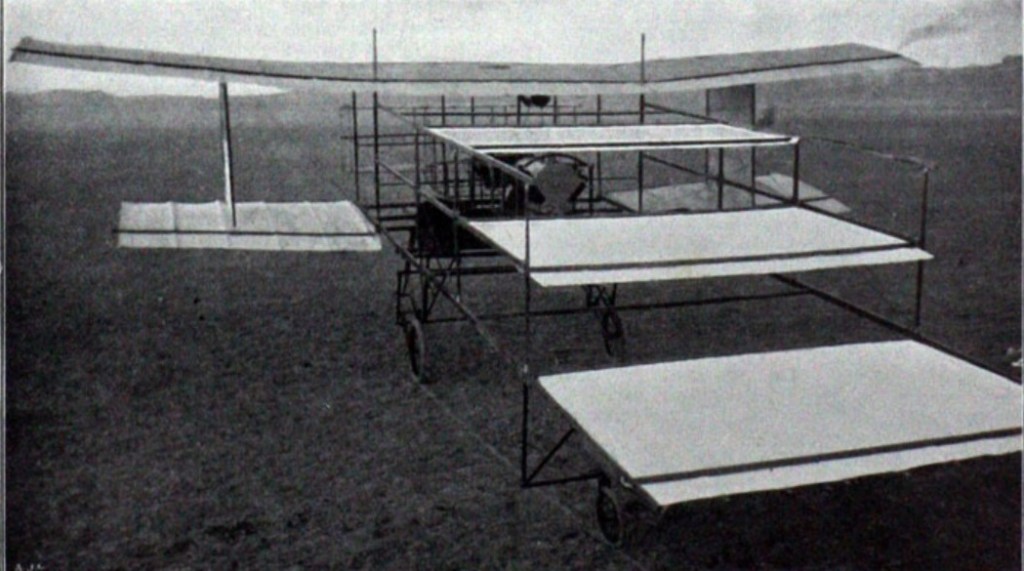
The final version of the WLD 1, with the wheels safely back supporting the engine.

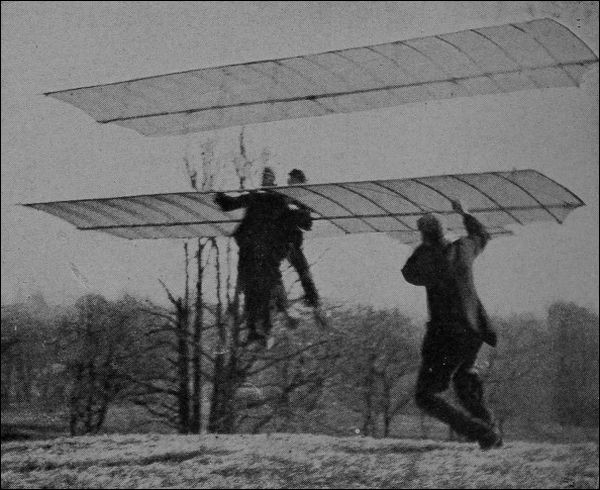
A Witzig-Liore-Dutilleul biplane with a unique wing platform, and 50 horsepower engine.

During its test flight period, it saw several modifications, sometimes even rather drastic, without much improvement to its ‘flight’ characteristics.

Engine: 50 hp Renault
Wing span: 8 m
Length: 12 m
Total wing surface: 50 sq.m
Max. weight: 550 kg

Wittemann Sundstedt-Hannevig / Sunrise

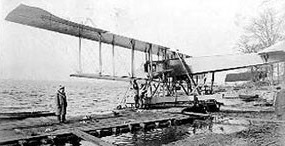
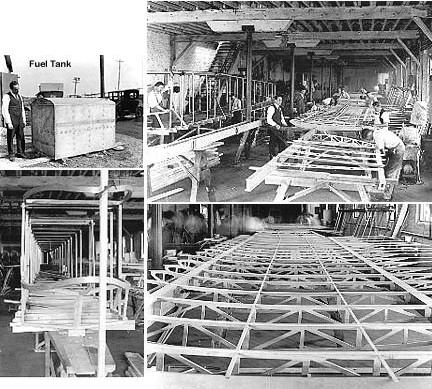
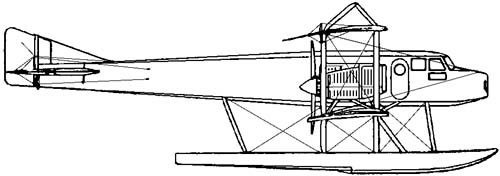
One of the largest seaplanes then in existence, the plane was built by Witteman-Lewis Aircraft Corp in 1923 for an intended transatlantic flight by the two Swedish aeronauts.

Sundstedt-designed, linen-covered balsawood floats of 32′ length, all else was of ash and spruce construction; 750-gallon fuel tanks.

It crashed in a test flight in Feb 1919 and was considered beyond economical repair.

Engines: two 220hp Hall-Scott L-6
Wingspan: (upper) 100’0″ (lower) 71’6″
Length: 50’6″
Speed: 80
Seats: 4

Wissler WA-9

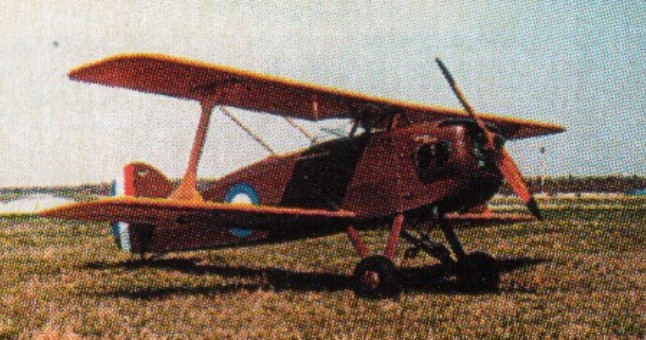
Around 1923, three Wissler Airplane Co WA-9 open cockpit biplanes featuring side-by-side seating were built, plus 4 unidentified planes built by others at Indianapolis and Sidney using various surplus Wissler components.

Engine: 80hp LeRhône
Wingspan: 32’0″
Length: 20’8″
Useful load: 545 lb
Max speed: 95 mph
Cruise speed: 80 mph
Stall: 30 mph
Range: 280 mi
Seats: 2