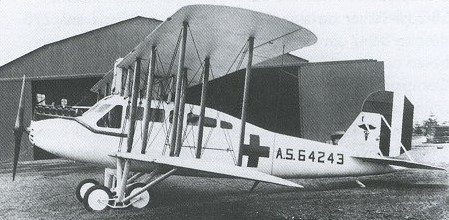
Curtiss Eagle
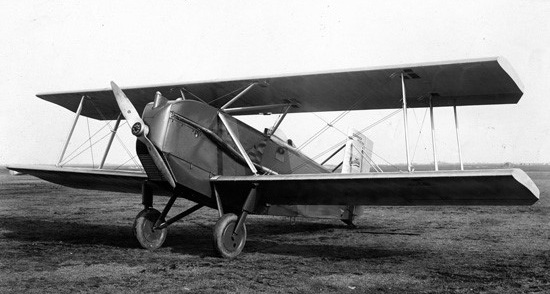
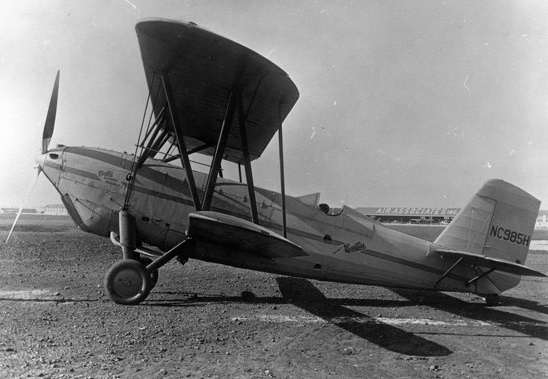
In 1925 the U.S. Postal Service felt they had excellent operational service with converted Airco D.H.4 biplanes. The eight-year-old designs were considered antiquated by this time, however, and a modern purpose-built machine was desired. While most manufacturers started to build new generation passenger aircraft with mail cargo capability, the Curtiss Carrier Pigeon was the first clean-sheet design specifically made for U.S. air-mail service. The aircraft was intended to be sold directly to the Postal Service, but new legislation that opened up outside contracts brought on a slew of competing models.
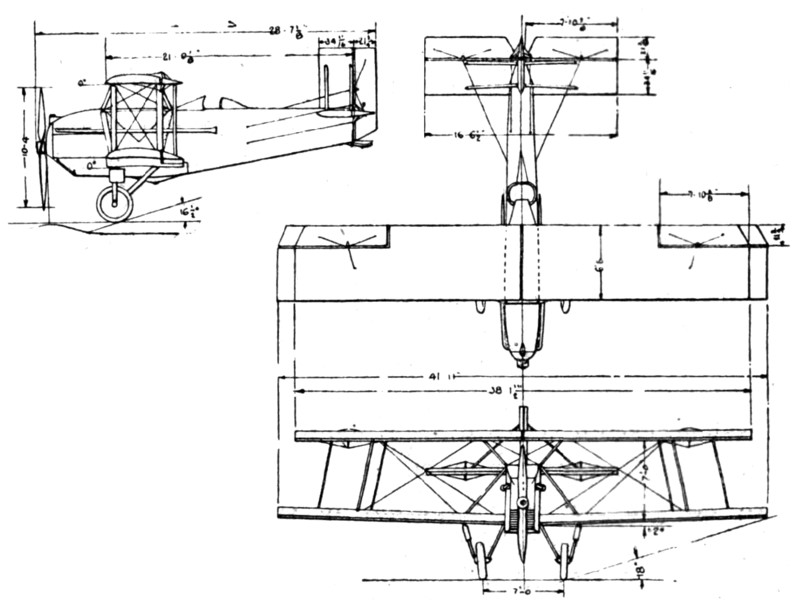
The Carrier Pigeon was drawn up to meet or exceed the original postal specifications. Strength, serviceability, and ease of maintenance were the three core design criteria. It was intended to provide service on the night-time runs between Chicago and New York, with only one stop. The plane was built to take advantage of the powerful and plentiful 400 hp Liberty L-12 engine to meet Postal specifications. Up to 40,000 airmail letters could be carried in the 1,000 lb capacity cargo hold.
The fuselage was a welded steel tube frame covered in fabric. The upper and lower wings were interchangeable and used solid, unspliced spruce spars. The rudder, ailerons, and elevators were also interchangeable, which reduced spares counts. The hinges used heavy replaceable bronze pins to reduce wear.
The watertight cargo hold was at the center of gravity so the aircraft could accommodate a range of loads without affecting the balance. The landing gear used rubber doughnut suspension. The fuel tank could be jettisoned in case of an emergency. A seven quart fire extinguisher was plumbed to the engine compartment for suppression of inflight fires. The pilot could choose between wheel or stick control based on his preference.
A prototype Curtiss Carrier Pigeon flown by Charles S. (Casey) Jones placed 7th in the 1925 Edsel B. Ford Reliability Tour. Out of 17 starters, 11 aircraft including the Carrier Pigeon completed with a perfect score, netting a $350 prize. Henry Ford waited at the finish line to greet the winners of the 1,900 mile endurance test.
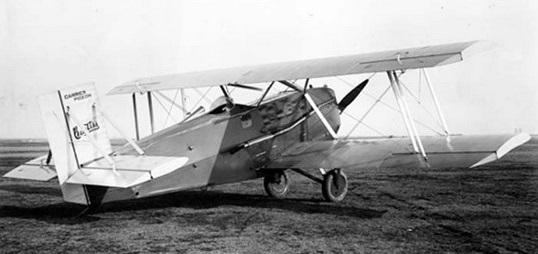
The Carrier Pigeon was used by National Air Transport Inc. At the time, both Curtiss and NAT were owned and controlled by Clement Keys. Ten Carrier Pigeons were put into service with 35 surplus Liberty engine spares. NAT used the Carrier Pigeon for the Contract Air Mail CAM-3 (Chicago-Dallas) route. The first recorded service was on May 12, 1926 with the route between Chicago, Illinois and Dallas, Texas. Stops were scheduled in Moline, Illinois, Saint Joseph, Missouri, Kansas City, Missouri, Wichita, Kansas, Oklahoma City, Oklahoma and Fort Worth, Texas. The maiden flight was piloted by D A Askew, R L Dobie, R H Fatt, Lawrence H Garrison, P E Johnson, H L Kindred and Edmund Matucha. These pilots logged 776,351 miles of flight in the first year without an accident or loss of any mail.
NAT invested $10 million competing for the night-time Chicago to New York route (CAM 17). NAT started service on September 1, 1927 using Carrier Pigeons from CAM-3. These planes flew the early lighted airway from Chyenne to Chicago, and recently extended to New York. The path over the Allighenies was referred to as the “Hell Stretch”. Early in 1929, NAT acquired seven 625 hp Curtiss Falcons, these replaced the smaller Carrier Pigeons. D. A. Askew flew the final Carrier Pigeon flight. He had flown this same aircraft on the inaugural CAM No. 3 flight. On February 9, 1934, the Post Office cancelled all airmail contracts on suspicion that the mail carrying contracts had been awarded through collusion during the previous administration.
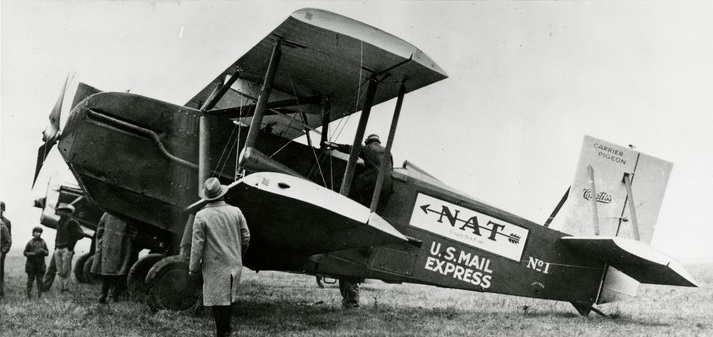
One fatal airmail crash was recorded in a Carrier Pigeon. Arthur R. Smith was killed in aircraft #602 when he hit trees near Montpelier, Ohio, en route to Chicago.
On November 27, 1929, Evelyn “Bobbi” Trout and Elinor Smith took off from Metropolitan Airport in a Commercial Sunbeam biplane in an attempt to set an official record for a refuelled endurance flight by women. A Carrier Pigeon was used as the tanker aircraft, which refuelled the Sunbeam 3 1/2 times. The Sunbeam was to be refuelled in early morning and before sunset. Refuelling went well. With shifts of four hours each, two days passed. By Thanksgiving Day, they had been up for 39 hours. While refuelling, the Carrier Pigeon began trailing black smoke. Trout quickly tossed the fuelling hose over the side as Smith maneuvered away from the ailing Carrier Pigeon. It landed, and the fliers emerged safely.
The Carrier Pigeon 2 was built by the Carrier Pigeon Co of Buffalo, New York in 1929. This was a larger and modernized version of its predecessor with a 600 hp geared Curtiss Conqueror and a three-blade prop.
The Curtiss Lark model 41 was the follow-on aircraft, employing four interchangeable wing panels.
Curtiss Model 40 Carrier Pigeon I
Engine: 1 × Liberty L-12, 400 hp (300 kW)
Wingspan: 41 ft 11 in (12.78 m)
Wing area: 505 sq ft (46.9 m2)
Airfoil: U.S.A.27
Length: 28 ft 9.5 in (8.776 m)
Height: 12 ft 1 in (3.68 m)
Empty weight: 3,603 lb (1,634 kg)
Gross weight: 4,900 lb (2,223 kg)
Max takeoff weight: 5,620 lb (2,549 kg)
Capacity: 1,000 lb (450 kg) cargo
Maximum speed: 109 kn; 201 km/h (125 mph)
Cruise speed: 91 kn; 169 km/h (105 mph)
Stall speed: 43 kn; 80 km/h (50 mph)
Range: 456 nmi; 845 km (525 mi)
Service ceiling: 16,700 ft (5,100 m)
Rate of climb: 800 ft/min (4.1 m/s)
Crew: one
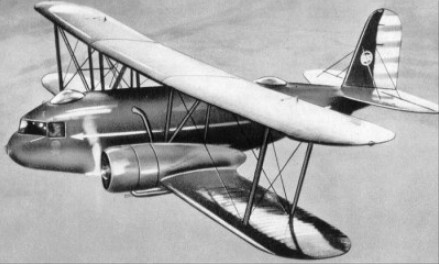
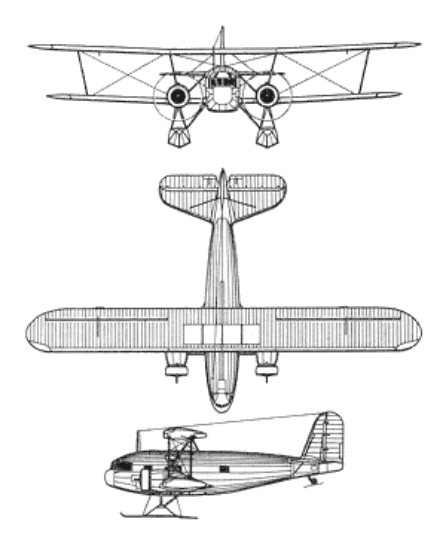
Not to be confused with the Curtiss B-2 or its 18-passenger Condor airliner development, the Condor was a 15-passenger commercial biplane airliner of the early 1930s, powered by two 529-536.5kW Cyclone radial engines. It was produced in two versions: for normal daytime flying and as a convertible day- and night-sleeper transport with six compartments, each accommodating two berths/seats.
In 1933 American Airlines began flying the 18 seat Curtis Condor, the first US sleeper plane.
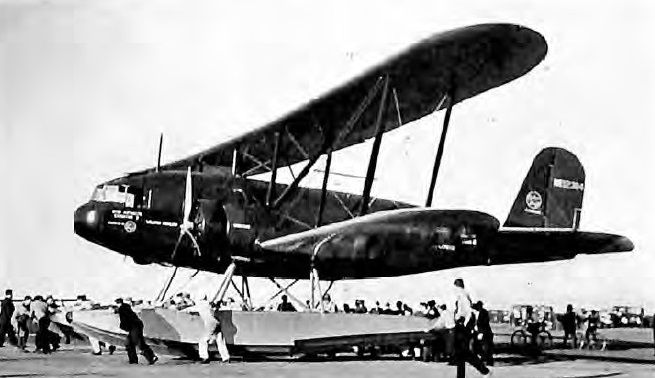
Two went to the USN as R4C in 1934 for Antarctic service. One was used on the Byrd Antarctic Expedition. They were transferred to the USMC in 1935. Two were operated as R4C-1 (9584 & 9585). Both R4C-1s were abandoned to the snowdrifts in 1941 by the US Antarctic Service, and at least one is still down there somewhere.
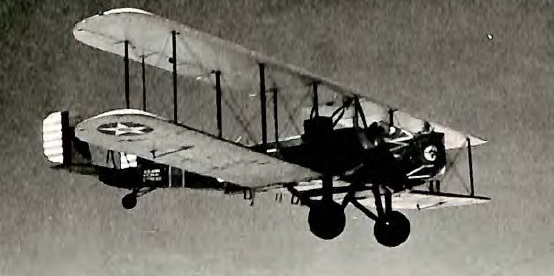
An all-cargo version was produced as the CT-32.
As a military heavy bomber with troop-carrying and ambulance capability, the Condor was supplied to China. Armament comprised five 7.62mm machine-guns and up to 1,800kg of bombs.
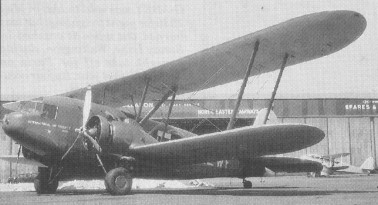
AT-32-C
BT-32
Crew: 2-4
Passengers: 12-24
Engine: 2 x Wright “Cycl. SR-1820-F3”, 520kW
Take-off weight: 7620 kg / 16799 lb
Empty weight: 5192 kg / 11446 lb
Wingspan: 25.9 m / 84 ft 12 in
Length: 15.0 m / 49 ft 3 in
Height: 4.4 m / 14 ft 5 in
Wing area: 125.5 sq.m / 1350.87 sq ft
Max. Speed: 274 km/h / 170 mph
Cruise speed: 235 km/h / 146 mph
Ceiling: 7150 m / 23450 ft
Range w/max.fuel: 2700 km / 1678 miles
Range w/max.payload: 550 km / 342 miles
Armament: 3 machine-guns, 1800kg of bombs
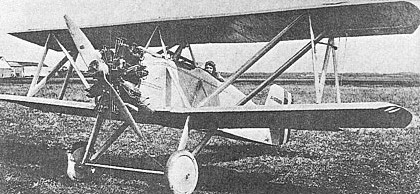
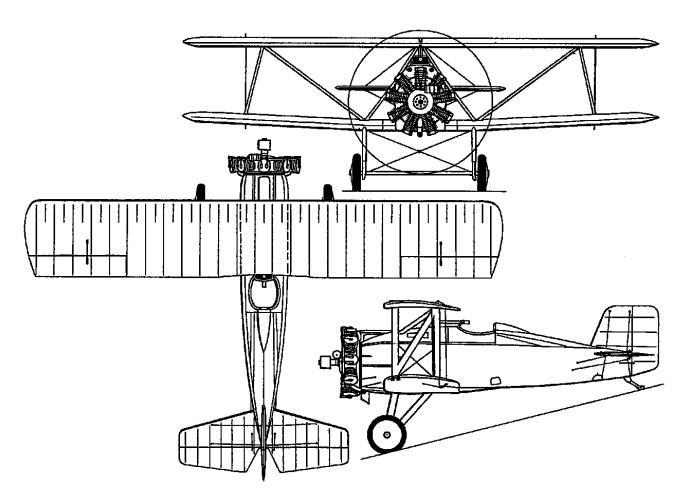
The first Curtiss fighter built under the US Navy designating system combining type, sequence of design and manufacturer, the F4C-1 was designed by Charles W Hall. It was essentially an all-metal version of the wooden Naval Aircraft Factory TS-1, which had been designed by the US Navy Bureau of Aeronautics and production had been assigned to Curtiss.
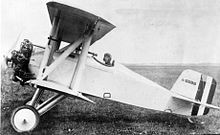
The F4C-1, two examples of which were built in 1924 and the first flown on 4 September, embodied some aerodynamic redesign. Its wings featured tubular spars and stamped dural ribs, and the fuselage was built up of dural tubing in a Warren truss form, all being fabric covered. By comparison with the TS-1, the lower wing was raised to the base of the fuselage. Armament comprised two 7.62mm machine guns and power was provided by a nine-cylinder Wright J-3 radial rated at 200hp.
Take-off weight: 774 kg / 1706 lb
Empty weight: 466 kg / 1027 lb
Wingspan: 7.62 m / 25 ft 0 in
Length: 5.59 m / 18 ft 4 in
Height: 2.67 m / 8 ft 9 in
Wing area: 17.19 sq.m / 185.03 sq ft
Max. speed: 203 km/h / 126 mph
Range: 845 km / 525 miles
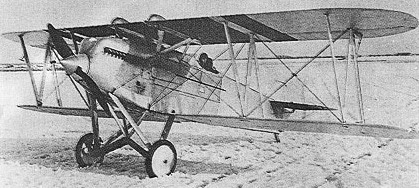
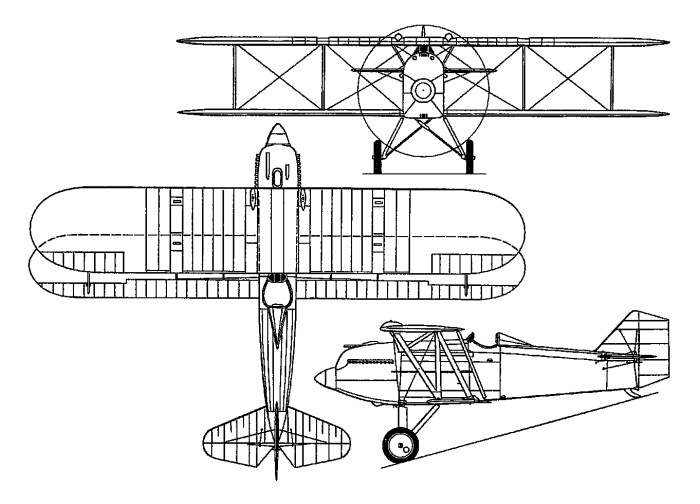
The PW-8 (the “PW” prefix indicating “Pursuit Water-cooled”) was a single-seat two-bay fighter biplane of mixed construction – plywood-covered wooden wings and fabric-skinned welded steel tube fuselage – powered by a 440hp Curtiss D-12 water-cooled 12- cylinder Vee engine. Three prototypes were ordered on 27 April 1923, and the first of these, flown in the previous January, was retroactively designated XPW-8 on 14 May 1924. The second prototype, flown in March 1924, embodied some aerodynamic refinement and provided the basis for the production PW-8, 25 examples being ordered on 25 September 1923 and delivered between June and August 1924.
The PW-8 featured wing surface radiators and armament normally comprised two 7.62mm machine guns. A turbo-supercharger was experimentally fitted to the second production aircraft, and the third prototype (XPW-8A), delivered in February 1924, featured 9.14m span single-bay wings and a revised radiator arrangement. It was subsequently fitted with a tunnel-type radiator (as the XPW-8A) and, in December 1924, with 9.60m span wings of tapered planform and Clark Y aerofoil section as the XPW-8B. It thus became, in effect, the prototype P-1 Hawk.
Take-off weight: 1429 kg / 3150 lb
Empty weight: 994 kg / 2191 lb
Wingspan: 9.75 m / 31 ft 12 in
Length: 6.86 m / 22 ft 6 in
Height: 2.69 m / 8 ft 10 in
Wing area: 26.66 sq.m / 286.97 sq ft
Max. speed: 270 km/h / 168 mph
Range: 708 km / 440 miles
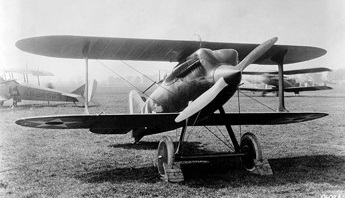
Also entered in the 1922 Pulitzer Race was a pair of Army Curtiss racers originally called CR-2 but later changed to R-6 (Model 2A). Curtiss built them two R-6 developed from the US Navy’s CR. The R-6s were considerably cleaner and a major contribution to drag reduction was the introduction of wing surface radiators.
Lt. Russell Maughan won the race in No. P-279 (68564) at 206 mph, and Lt. Maitland was second (68563) at 199 mph in No. P-278. Both airplanes then flew in the 1923 Pulitzer, Lt. Corkill placing sixth in P-278 at 216 mph, and Lt. Miller fifth in P-279 at 219 mph. In the 1924 Pulitzer, P-278 disintegrated at the start, killing Capt. Burt Skeel, while Lt. Brookley went on to place second at 215 mph in the 1922 winner. The R-6s held the speed record several times: Billy Mitchell flew P-279 (68564) at 224.28 mph in 1922; Russell Maughan flew it 237 mph in 1923, and then Maitiand flew P-279 240 mph a short time later. The Curtiss racers were making a lot of history.
Engine: Curtiss D-12
Wingspan: 19’10”
Length: 18’11”
Useful load: 505 lb
Seats: 1
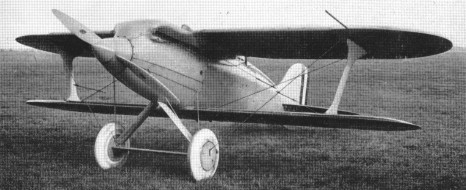
In August 1920, Curtiss the company was forced into receivership. Clement Keys, a Canadian financier, obtained funds to manage the company’s debt and led it again to sound financial status. The Buffalo facility became the major facility, and the company remained the largest U.S. aircraft company through the 1920s. Its racing planes, including the CR-1 and CR-3, won several competitions.
The 1925 Pulitzer saw the R3Cs in a joint Army/Navy project, with No. A-6978 and No. A-6979 going to the Navy, and No. A-7054 to the Army. The airplanes took the 1925 Pulitzer Race at record speed and left everyone else far behind. Army Lt. Cyrus Bettis was the winner in A-7054 at 249 mph, Navy Lt. AI Williams was second in A-6979 at 242 mph.
On Oct. 26, 1925, U.S. Army Lt. James H. Doolittle flew the Curtiss R3C-2 to victory in the Schneider Trophy Race on floats with an average speed of 374 km/h (232.17 mph). The next day he flew the R3C-2 over a straight course at a world-record speed of 395 km/h (245.7 mph).
In the Schneider Trophy Race of Nov. 13, 1926, this same airplane piloted by Lt. Christian F. Schilt, USMC, and powered by an improved engine, won second place with an average speed of 372 km/h (231.4 mph).
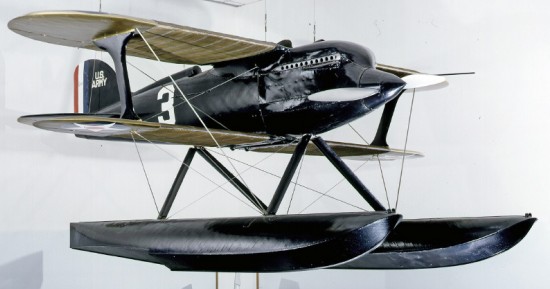
F2C and F3C were “paper” designations assigned to the R2C and R3C racing aircraft respectively.
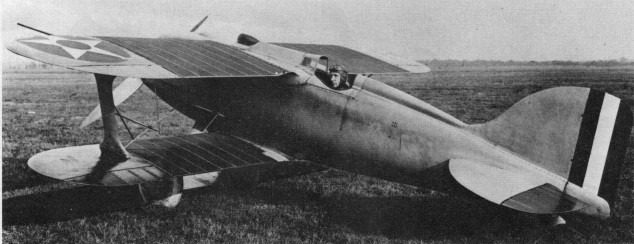
The R3Cs were modified into R3C-1s by the attachment of twin floats and entered in the Schneider Race of 1925. There they caused a sensation, being far and away the most streamlined water-borne flying machines the world had ever seen. In this they heralded the great racing seaplanes to come, for which the Schneider will always be remembered. Prior Schneider racers had been worthy efforts, but little more. From 1925 until the trophy was permanently retired in 1931, it would attract the most exciting aircraft in the world.
In 1925, however, it was strictly an intramural contest between the Army’s Jimmy Doolittle in the Pulitzer-winning A-7054, and the Navy’s George Cuddihy in A-6979 and Ralph Oftsie in A-6978.
On Oct. 26, 1925, U.S. Army Lt. James H. Doolittle flew the Curtiss R3C-2 to victory in the Schneider Trophy Race on floats with an average speed of 374 km/h (232.17 mph). The others failed to finish. The next day he flew the R3C-2 over a straight course at a world-record speed of 395 km/h (245.7 mph).
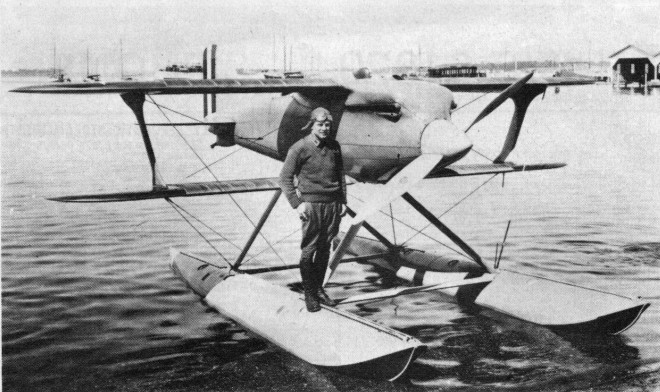
For the 1926 Schneider of Nov. 13, Doolittle’s A-7054 remained much as it had been, except that the pilot was Lt. Christian Schilt. Oftsie’s R3C-2 (A-6978) became the R3C-3 with the change from a Curtiss D-12 engine to a Packard 2A1500, and the addition of a slick, symmetrical cowling; pilot, Lt. William Tomlinson. The final R3C-2 (A-6979) got a new Curtiss V-1550 engine to become the R3C4, while retaining Cuddihy as pilot. Part of the reason for this major effort to gain speed can be explained by the rules of the Schneider Trophy, which awarded permanent possession to the nation which won three times in a row.
Tomlinson’s R3C-3 was wrecked during trials at Hampton Roads, Virginia. Cuddihy once again was forced to pull out before he had completed the race. Schlit did his best, averaging barely 1 mph faster than Doolittle’s 1925 winning speed, but not fast enough to catch deBernardi, who clocked 242 mph in his Macchi M-39. Schilt won second place with an average speed of 372 km/h (231.4 mph). Schilt’s airplane, repainted like the R3C-2 of Doolittle, is now at the USAF Museum, on loan from the National Air and Space Museum.
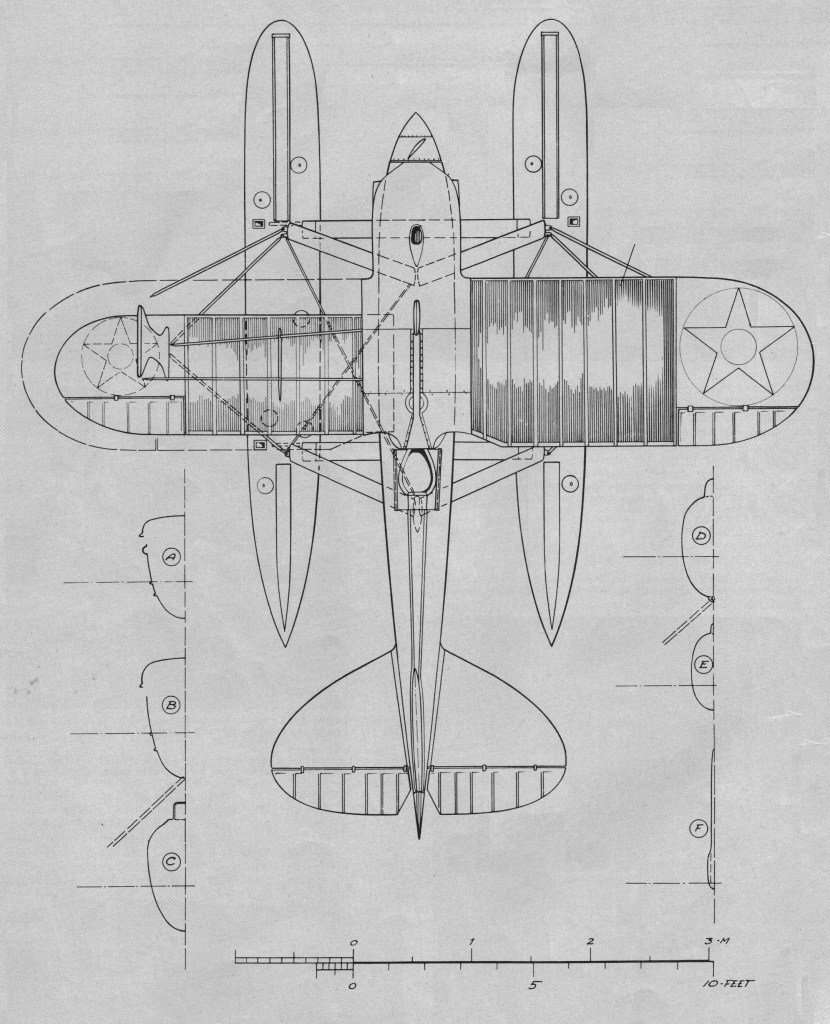
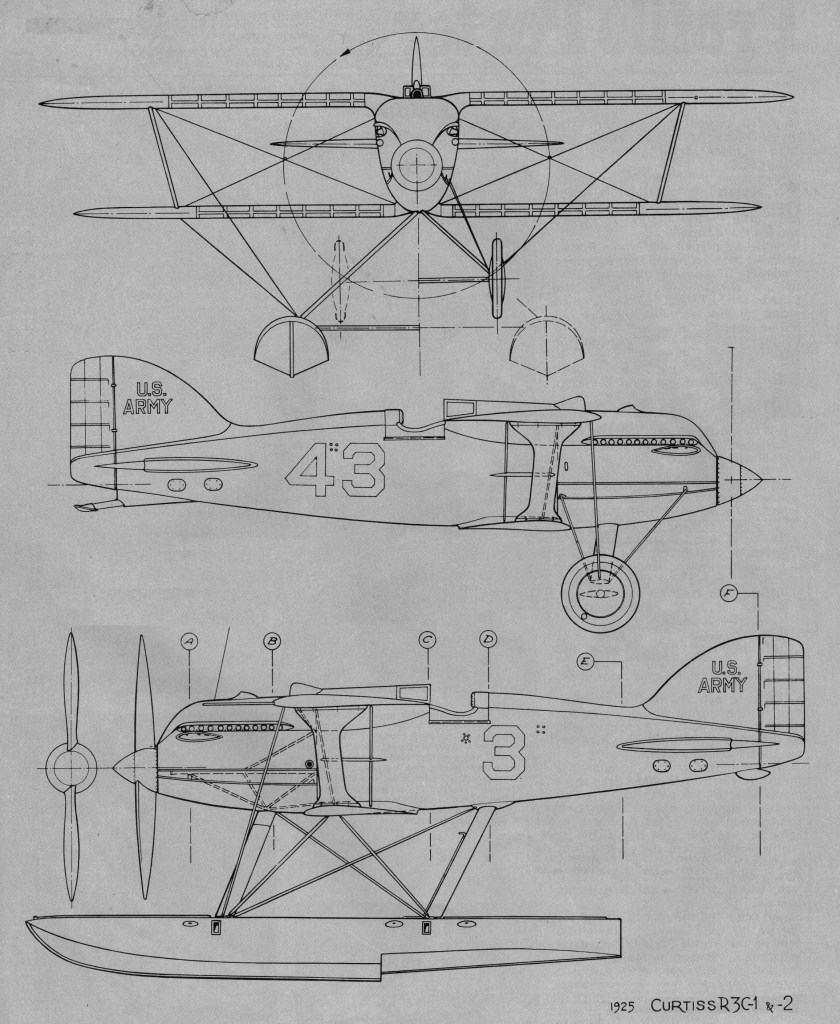
Curtiss R3C-2
Wingspan upper: 6.71 m (22 ft.)
Wingspan lower: 6.1 m (20 ft.)
Length: 6.01 m (19 ft. 8 1/2 in.)
Height: 2.46 m (8 ft. 1 in.)
Weight: Empty: 975 kg (2150 lb.)
Gross: 1152 kg (2539 lb.)
Engine: (1925) Curtiss V-1400 V-12, water-cooled, 610 hp
Engine: (1926) Curtiss V-1400 V-12, water-cooled, 665 hp
Engine: Bore and Stroke: 12.382 cm (4.875 in.) x 15.875 cm (6.25 in.)
Displacement: 22.95 liters (1400 cu. in.)
Engine: Mfg. No. 9
Curtiss-Reed Propeller:
Design: EX-32995
Two-Blades, Fixed-Pitch
Serial No.: M-455
Material: Duralumin
Diameter: 237 cm (92 in.)
Pitch: 284 cm (112 in.)
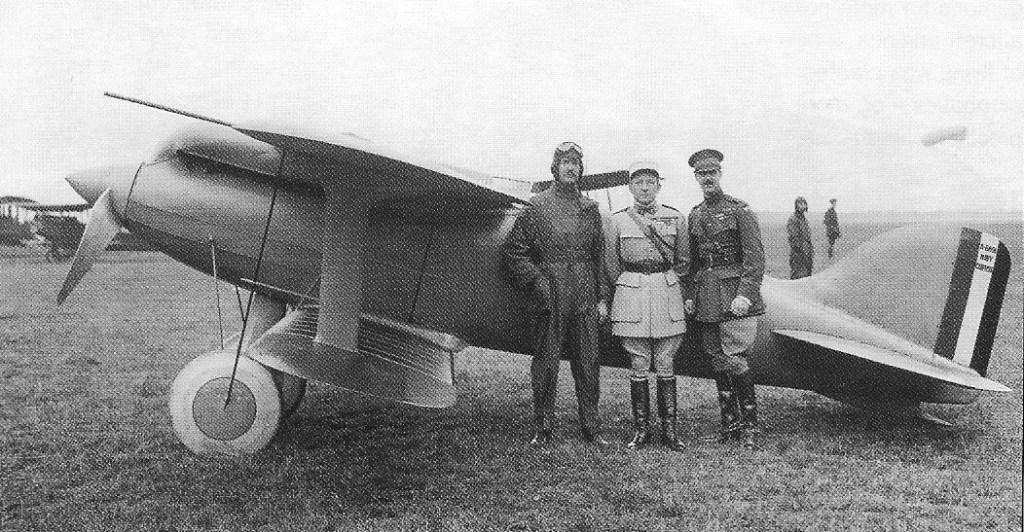
Three 1923 R2C-1 were built (A6691/6692, and A7054). The second became R2C-2, and the first was sold to the Army to become R-8. Is also seen as paper designation F2C.
In the 1923 Pulitzer Curtiss had two new R2C-1s. A pair of larger, but more streamlined, Navy racers. AI Williams won the race in No. A-6692 at 244 mph, closely followed by Harold Brow in No. A-6691 at 242 mph. Brow later took the world speed record away from Maitiand’s R-6 with a run at 259 mph, only to be topped immediately by AI Williams with 267 mph.

F2C and F3C were “paper” designations assigned to the R2C and R3C racing aircraft respectively.
R-8 / R2C-1 A6691 was purchased from the USN for $1.00 and rebuilt by the Army as 23-1235. It crashed before the 1924 race.
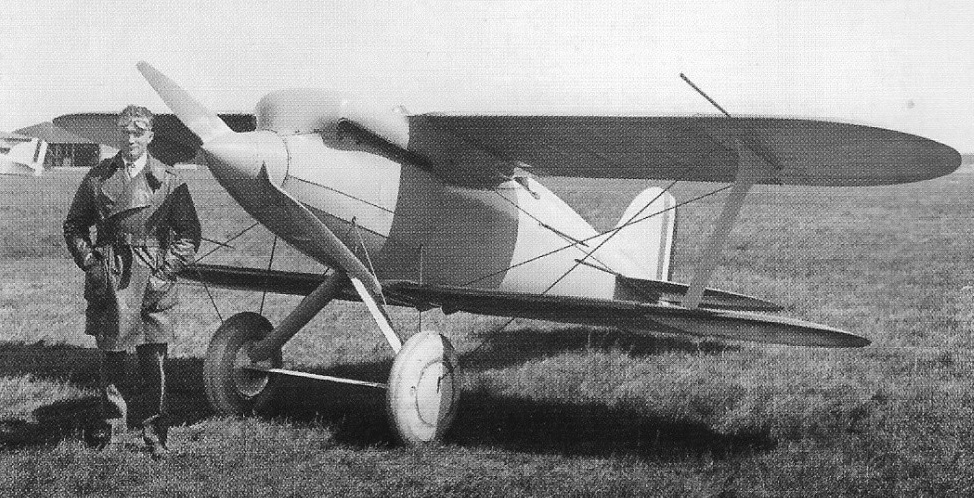
The sole R2C-2 from 1924, A6692, was the winner of 1924 Pulitzer Trophy for seaplanes and 227.5 mph. The R2C-2, on 22’7″ twin floats, was developed into the R3C-1.
R2C-1
Engine: Curtiss D-12, 507 hp
Length: 19 ft 9 in
Wingspan: 22 ft 0 in
Empty weight: 1,692 lb
Gross weight: 2,112 lb
Maximum speed: 267 mph
Range: 173 miles
Service ceiling: 31,800 ft
Rate of climb: 2,380 ft/min
Crew: One pilot
Curtiss produced a sucsessful post-World War I three seat two-bay biplane called the Oriole for the civilian market, with a moulded plywood fuselage and 90 hp Curtiss OX-5 V-8 engine.
Performance was improved when fitted with a Curtiss K-6 or C-6 (150-160 hp).
By 1921 surplus WW-1 machines like the Jenny were flooding the market, and Oriole production was tailed off.
With the closure of the Curtiss Oriole line, a number of complete fuselages became available and Ireland was able to secure these. With help from friends in the Curtiss design office, new wings were created for the Ireland Comet.
Engine: OX-5
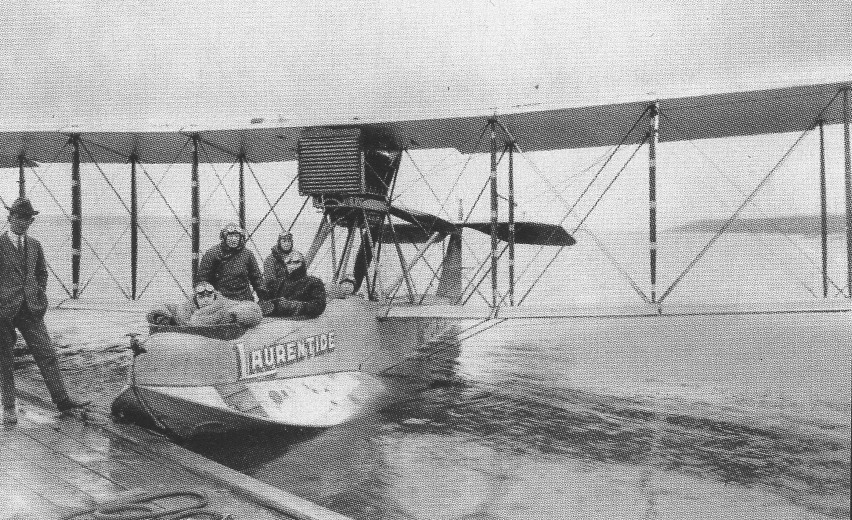
The Curtiss flying boat the HS-2L was used extensively in the war for anti-submarine patrols. Bases were built in Nova Scotia, France and Portugal for the purpose.
Standard Aircraft Corp contract-built 350 Curtiss HS-2L USN flying boats.
 All Aero