Humphreys Wivenhoe Flyer / Biplane / Waterplane

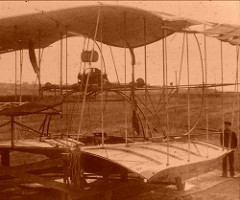
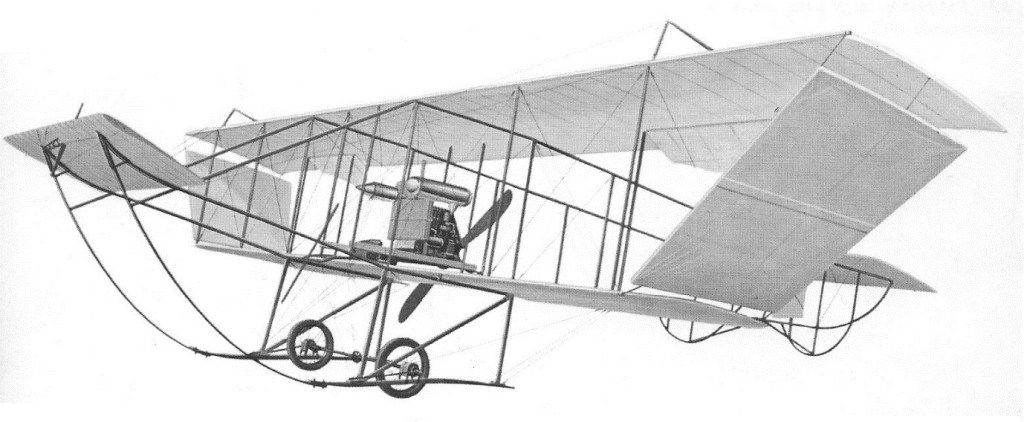
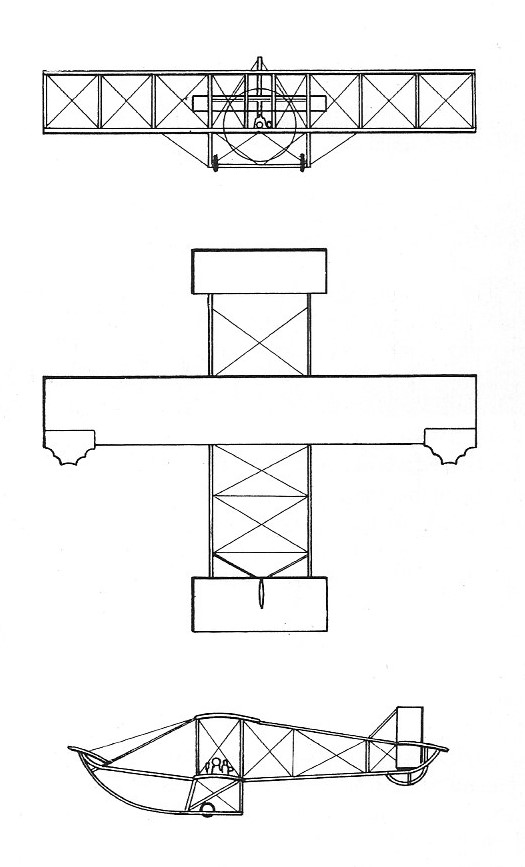
The Humphreys Biplane, aka the Humphreys Waterplane, aka the Wivenhoe Flyer was designed by Jack Humphreys, built by a firm of shipwrights called Forrestt and Co. and launched on the River Colne, which runs past Wivenhoe in Essex. It was tested in 1909, but the efforts to start up the engine caused the machine to rock so much that water entered the coracle-type hull – and the machine, with Humphreys on board, sank. Salvaged, further tests took place, but the craft was never able to exceed 12 knots, and never left the water.

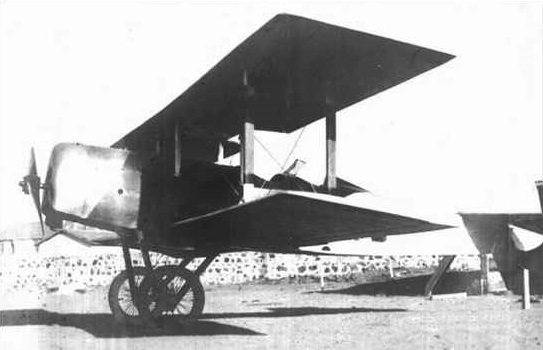
Humber Roger Sommer biplane

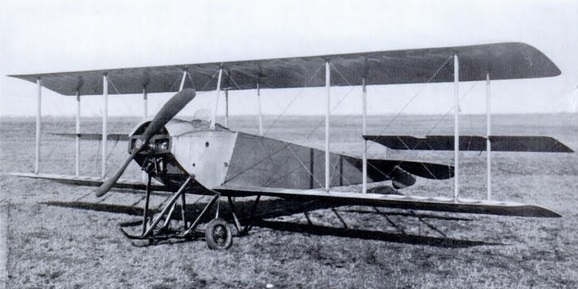
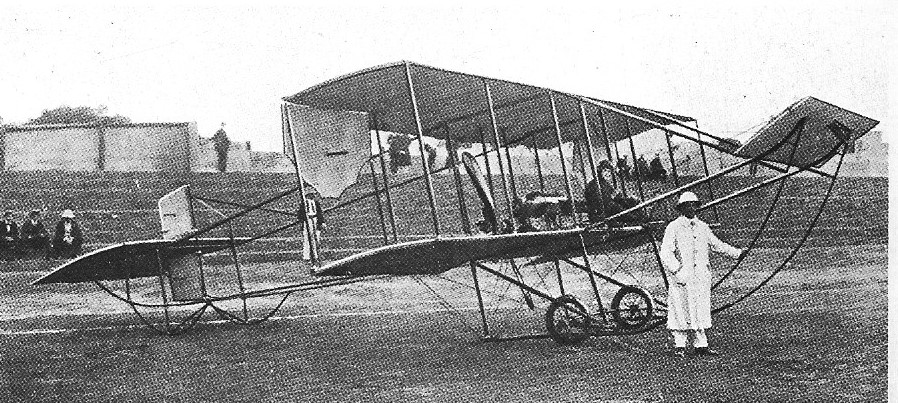
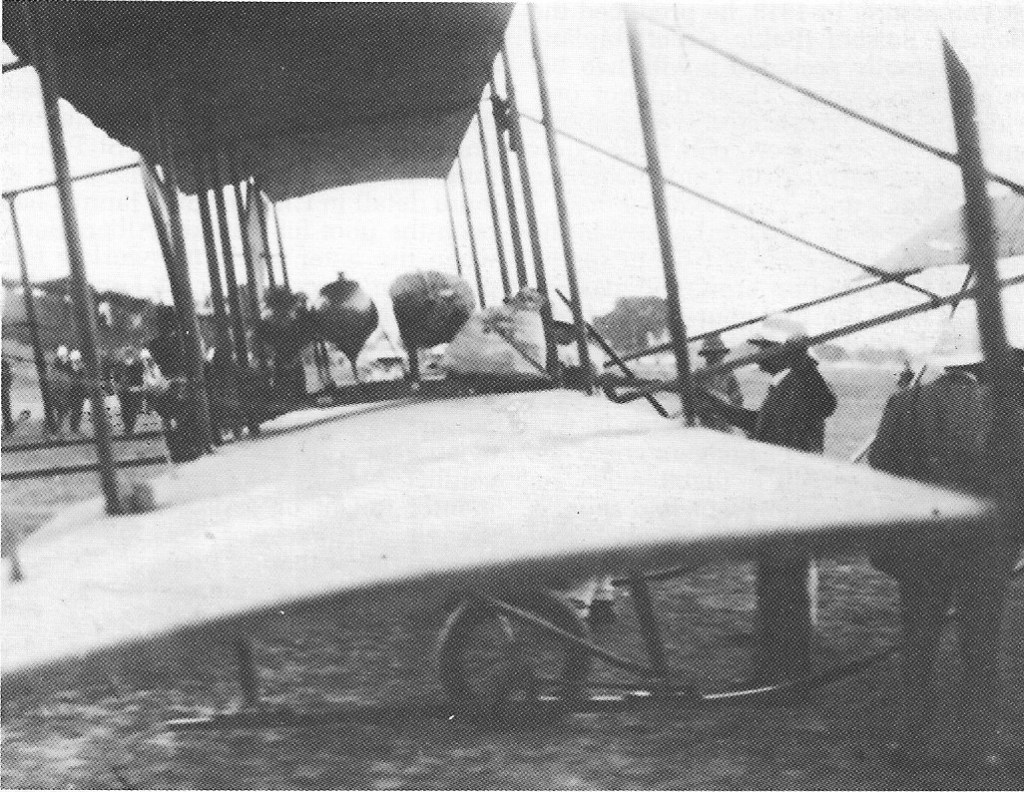
The fifth aircraft produced by Humber was a British version of a biplane designed by Frenchman Roger Sommer, and derived essentially from the Farman III of 1909.

Two Roger Sommer biplanes were completed towards the end of 1910. One of the latter carried the first official air mail in India. This event was part of the Universal Postal Exhibition held in Allahabad in India during February 1911. During the exposition, the French pilot Henri Pecquet, on February 18, flew across the Jumna river from Allahabad to Naini Junction, in all some 8km / 5 mi with 6500 letters. Four days later, a ‘regular’ service for the duration of the exhibition was opened by Pecquet and Captain Walter G Windham, the aircraft that they used again being the Humber-Sommer biplane.

Airmail flight
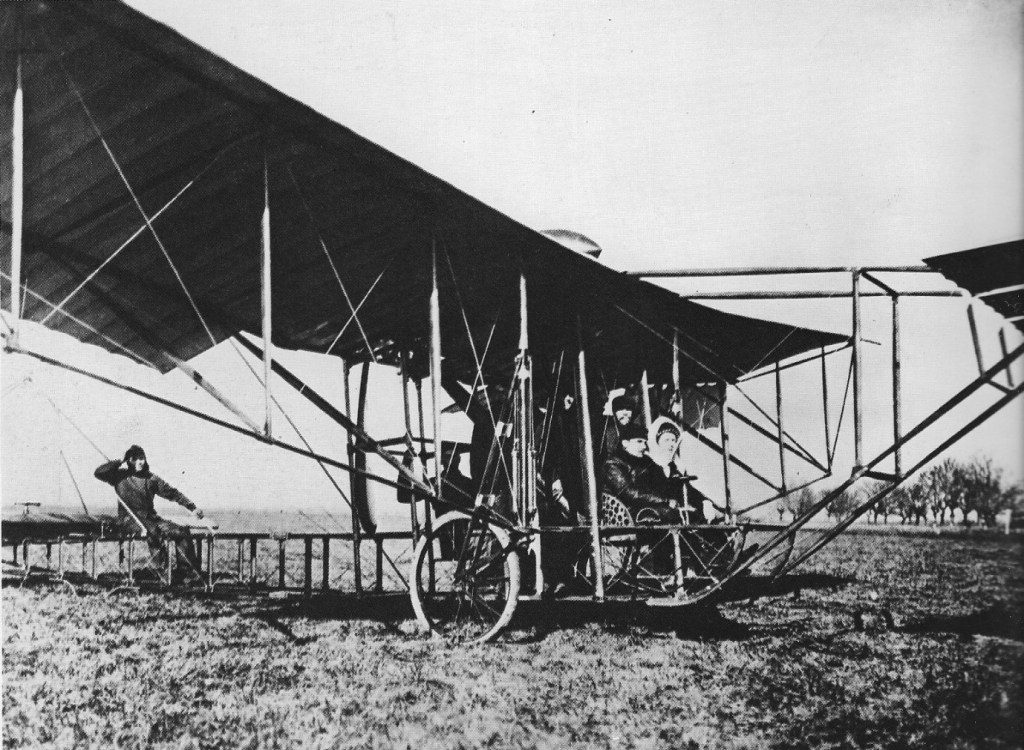
24 March 1911 Roger Sommer with 12 passengers to beat Louis Breguet record of 11 on the previous day

Engine: Humber 4-cyl, 50 hp
Wingspan: 13.92 m / 45 ft 8 in
Wing area: 47 sq.m / 505 sq.ft
Length: 12.19 m / 40 ft
Payload: 91 kg / 200 lb
Max speed: 56 kph / 35 mph
Seats: 2

Hulton 1969 hang glider

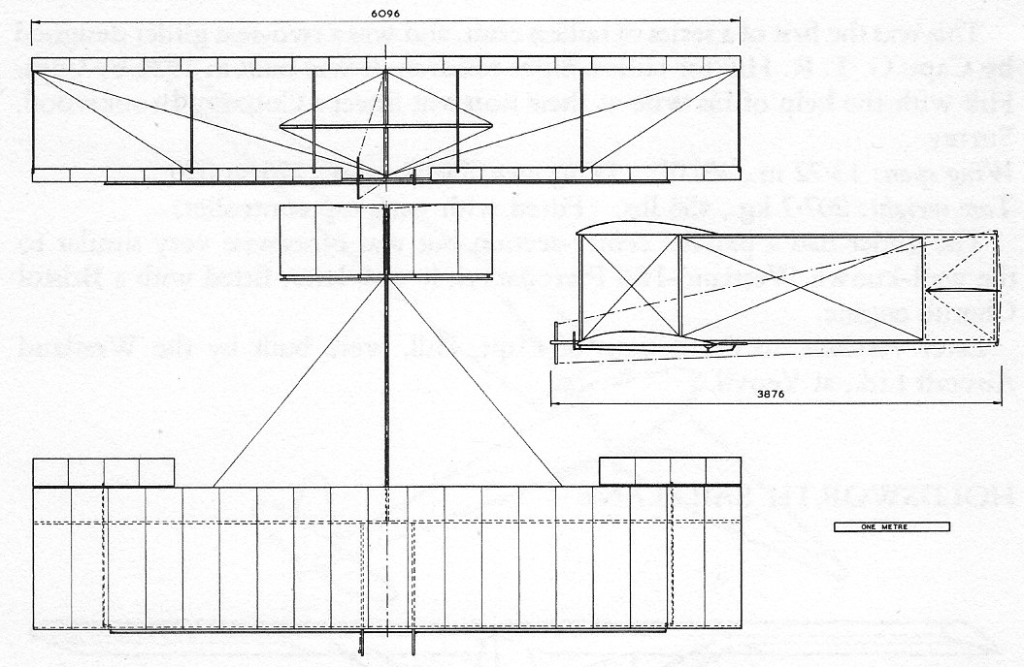
Designed by E.A.S. Hulton, London, UK, in 1969, this biplane hang-glider was wooden frame and fabric covered, based on the Ferris 1906 and the Anderson & Singer glider of 1911, with all-moving tailplane.
The upper and lower surfaces of each wing were fabric covered. Ailerons were on the lower wing only. No brakes or flaps were fitted.

Landings were made using leg undercarriage.

Only one was built, the first flight on 8 March 1969 from the I in 2 slope at the White Horse Hill, Uffington, Berkshire. The second flight, from the same site, piloted by David Potter, was unable to correct an almost vertical bank to port that developed, and the glider crashed from 50 ft. The pilot suffered bruising and a short period of unconsciousness. The glider was wrecked.

Wingspan: 6.10 m / 20 ft 0 in
Length: 3.88 m / 12 ft 9 in
Wing area: 14.86 sq.m / 166 sq.ft
Aspect ratio: 5
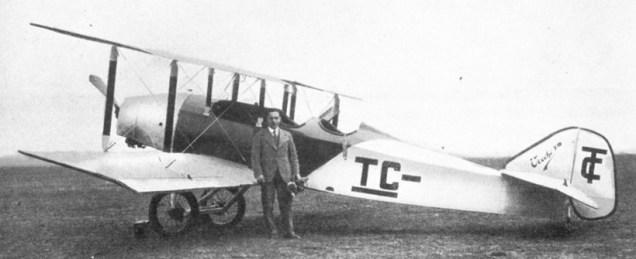
Hu-Go Craft

With a lot of lift for its small size and light weight, the HU-GO Craft wrings a 105-mph cruise speed out of a mere 65-hp Continental. This single-seater biplane is largely conventional in construction, with fuselage and tail group of welded steel tubing and wings are wood. All surfaces are fabric covered. Several pilots have logged some 275 hours in the HU-GO Craft with no problems reported.

By March 1974 the original/prototype HU-GO Craft was in the EAA Museum after 400 hours in 8.5 years.

Gross Wt. 848 lb
Empty Wt. 558 lb
Fuel capaci¬ty 12 USG
Wingspan 17 ft
Length 14 ft 5 in
Top speed 115 mph.
Cruise 105 mph.
Stall 55 mph.
Climb rate 1000 fpm
Takeoff run 500 ft
Landing roll 500 ft
Range 250 miles