The 1909 Lasternas biplane was designed and built by Lasternas in France.
Span: 44’3″
The 1909 Lasternas biplane was designed and built by Lasternas in France.
Span: 44’3″
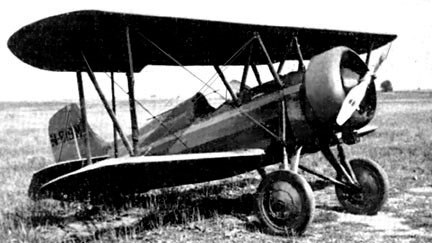
Lasley Sport N819N is one of the original Roza creations of the early ’30s, and it was acquired by Franklin Aircraft Co, who modified it a prototype for their Sport 90. It was purchased by Lasley c.1935. who built and installed Peyton Autry-designed wings, then sold it to Lloyd Gabriel. After a crash, it was rebuilt in 1953, reportedly with 125hp Continental, then crashed to destruction in 1957 while buzzing a house.
Engine: Velie M-5, later 90hp Lambert and 65hp Continental
Wingspan: 20’0″
Length: 18’0″
Useful load: 300 lb
Max speed: 110 mph
Cruise: 100 mph
Stall: 45 mph
Range: 300 ceiling (est): 11,000′
Seats: 1
The Larson F-12 Baby was a sports biplane built in the US in the early 1960s. It was intended to produce it ready to fly or homebuilt from kits or plans but only one was completed.
The Baby was a single bay single engine, single seat biplane with stagger. The wings were wooden structures with two spars and fabric covering; the upper wing had 1° of dihedral and the lower one 3°. There were ailerons on both wings, with aluminium frames and again fabric covered. The fuselage and empennage were fabric covered, welded steel structures. It had fixed conventional landing gear with rubber sprung main legs, aluminium wheels with brakes and a sprung tailwheel.
The Baby was powered by an 85 hp (63 kW) Continental C85, its fuel tank in the fuselage behind the engine and in front of the single seat, open cockpit, anf firdt flew in 1961.
Powerplant: 1 × Continental C85, 85 hp (63 kW)
Propeller: 2-bladed McCauley aluminium, fixed pitch
Wingspan: 17 ft 0 in (5.18 m) upper and lower
Wing area: 73 sq ft (6.8 m2)
Aspect ratio: about 7 on upper wing, 6 on lower
Airfoil: NACA 4412 modified
Length: 17 ft 0 in (5.18 m)
Height: 5 ft 6 in (1.68 m)
Empty weight: 500 lb (227 kg) weights estimated
Gross weight: 800 lb (363 kg)
Fuel capacity: 12 US gal (10.0 imp gal; 45 l)
Maximum speed est: 130 mph (210 km/h, 110 kn)
Cruise speed est: 110 mph (180 km/h, 96 kn)
Rate of climb est: 2,000 ft/min (10 m/s)
Crew: One
An ultralight single-seat biplane in 1960.
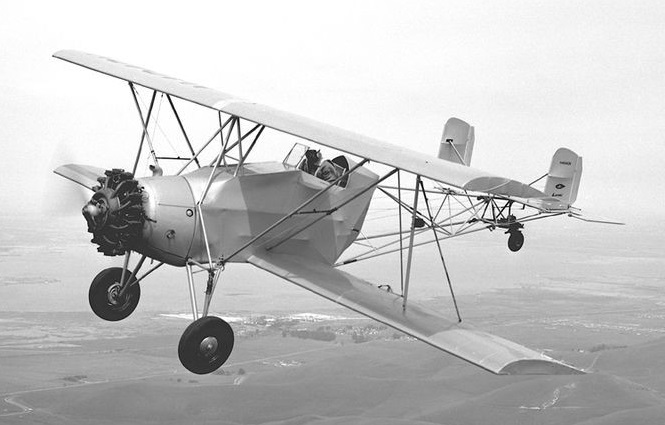
In 1955, Merle Larson designed the D-1 with updated features to improve cropdusting compared to the popular Boeing Stearman in use at the time. The aircraft used only 25 percent of the number of parts as a Stearman.
The biplane featured a steel tube fuselage, and aluminum covered wings. The fuselage was fabric covered only to behind the cockpit, leaving the rest of the tail structure exposed, preventing dust buildup in the tail. The aircraft had twin rudders mounted outboard of the spray trail. Each of these were all-moving with anti-servo tabs. Standard automotive wheels and tires were employed to reduce cost as low-cost World War II surplus was becoming too old, and new aviation tires cost nearly five times as much.
Powerplant: 1 × Lycoming R-680, 225 hp (168 kW)
or 220 hp (164 kW) Continental R-670
or 245 hp (183 kW) Jacobs R-755
Propeller: 2-blade McCauley ground-adjustable propeller
Upper wingspan: 30 ft 0 in (9.14 m)
Lower wingspan: 33 ft 0 in (10.06 m)
Wing area: 315 sq ft (29.3 m2)
Aspect ratio: 6
Airfoil: Göttingen 365
Length: 25 ft (7.6 m)
Height: 11 ft 00 in (3.35 m)
Empty weight: 1,700 lb (771 kg)
Gross weight: 3,600 lb (1,633 kg)
Fuel capacity: 30 US gal (25 imp gal; 114 l) fuel ; 4.4 US gal (3.7 imp gal; 16.7 l)
Cruise speed: 90 mph (140 km/h, 78 kn) at sea level
Landing speed: 40 mph (35 kn; 64 km/h)
Stall speed: 40 mph (64 km/h, 35 kn)
Rate of climb: 1,400 ft/min (7.1 m/s) at sea level, empty
Wing loading: 11.4 lb/sq ft (56 kg/m2)
Take-off run, empty, nil wind: <200 ft (61 m)
Take-off run, 1,000 lb (454 kg) payload, nil wind: 600 ft (183 m)
Crew: 1
Designed by Fred R McConigal and built by the Lark Aircraft Co in 1927 it is possibly a redesignation of Commercial Sunbeam.
The one built, NX137E c/n 1, had a four place cabin and two place open cockpit. Power was a 225hp Wright J-5.
It became known as a United Lark after the take over by United Aircraft Corp.
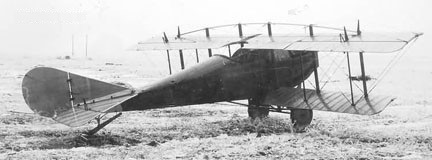
Two Lanzius L II were built in 1919 to the Air Service for evaluation (AS40034 and 40036). Contracts for two more (AS40036 and 40037) were assigned but not built.
Engine: Packard 1A, 350hp
Seats: 1
The 1917 L I Variable Speed Aeroplane was a two-place open cockpit biplane powered by a 140hp Duesenberg.
The 1918 Variable Speed Aeroplane was a single-place open cockpit biplane and a monocoque fuselage and a three-quarter-span beam-type bracing on the top wing. Likely an OX-5 or Hisso for power, or with a less-rounded fuselage and with that truss arrangement duplicated on the underside of the lower wing.

The 1910 Lanyi biplane was designed and built by Antal Lanyi in Hungary.
Span: 29’6″
Length: 28’3″
Weight empty: 617 lbs
Speed: 31 mph
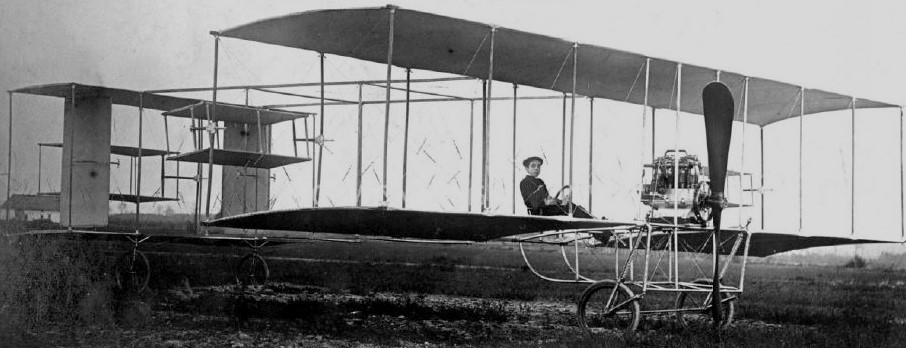
After studying mechanics, Alfred Lanser (1886-1960), like a lot of young men of the time was attracted by aviation. In 1909, he found an adequate engine and began to build a plane around it, a big tractor biplane. He tested it at the Kiewit airfield north of Hasselt, Belgium, but didn’t manage to make it fly. In 1910 Lanser bought a Farman and was granted Belgian license number 16. After frequent appearances at aviation meetings in 1910-1912 he started building planes of his own design, but he also invented self-sealing tanks for airplanes, before a long career in industry and business in several countries.
 All Aero