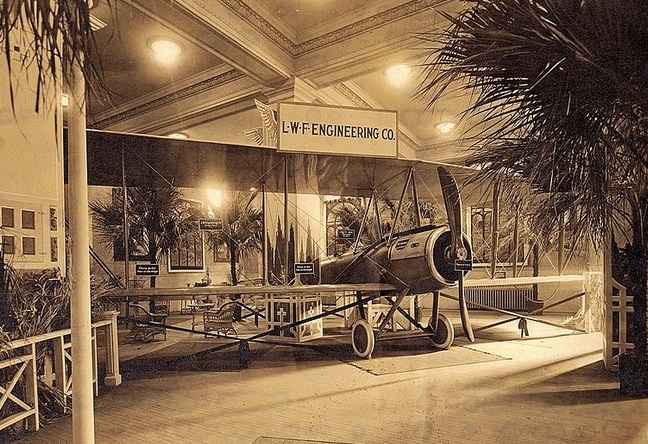
Built series of its own designs, including trainers V-1, -2 and -3 of 1918-1919 for the Army.
Built series of its own designs, including trainers V-1, -2 and -3 of 1918-1919 for the Army.

190 hp Benz 1917-18
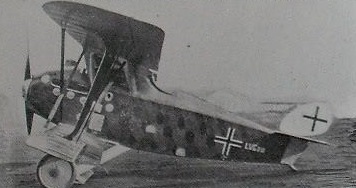
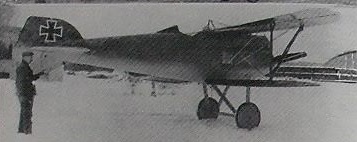
160 hp Mercedes 1916
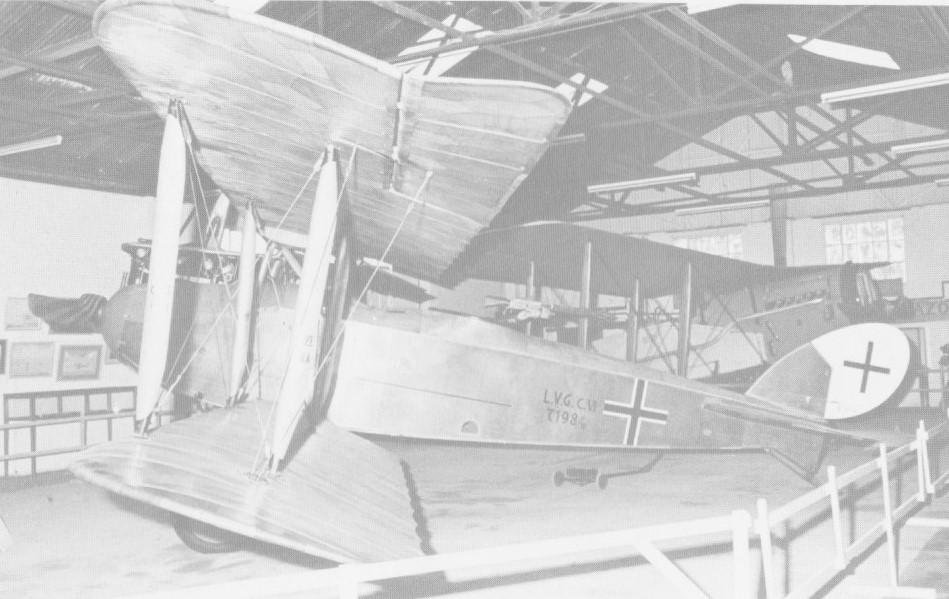
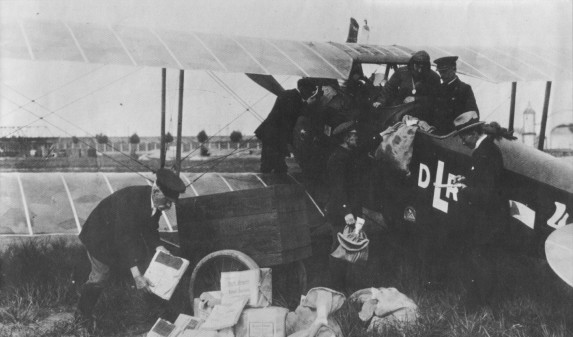
The re-designed C.V and C.VI appeared in 1918. By August 1918 over 500 C.Vs and C.VIs were in use as light bombers, reconnaissance and observation aircraft.
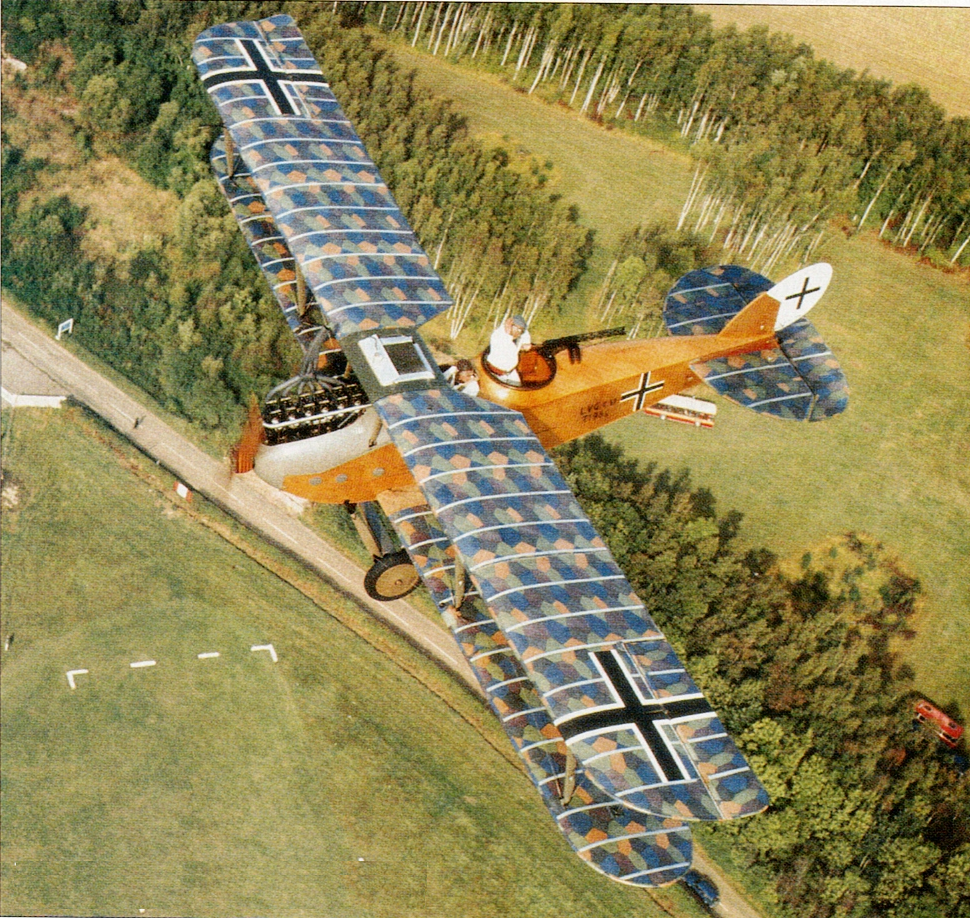
Engine: Benz BzIVa, 200 hp
Wingspan: 42 ft 7.75 in
Length: 24 ft 5.25 in
AUW: 3048 lb
Bombload: 240 lb
Max speed: 106 mph
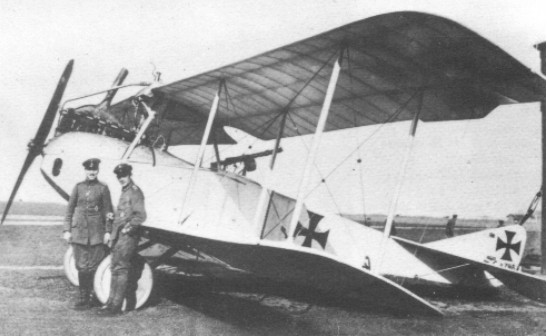
Used for reconnaissance and bombing, a small number of L.V.G.s were in the German air force at the outbreak of war in 1914. Like their British counterparts, they were unarmed and suffered heavy losses. This resulted in the much improved C.V, armed with machine¬guns, which proved a formidable adversary, in spite of the pilot’s exceptionally poor view forward.
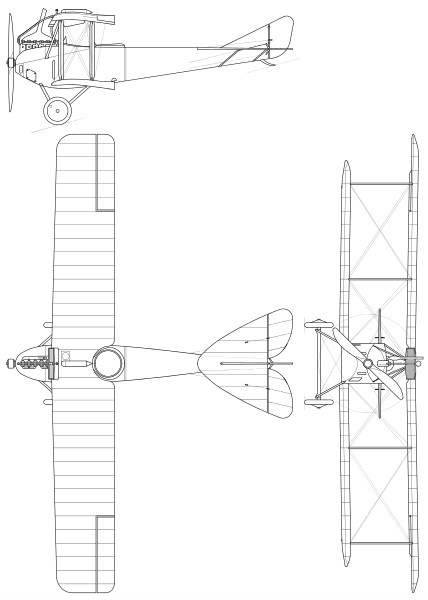
A two-bay biplane, the two spar wooden wings were fabric covered. Plywood covered the wooden fuselage, with integral upper and lower tail fins. Fabric covered wooden tailplane. All control surfaces were welded steel-tube construction, with fabric covering. Ailerons were on the top wing only.
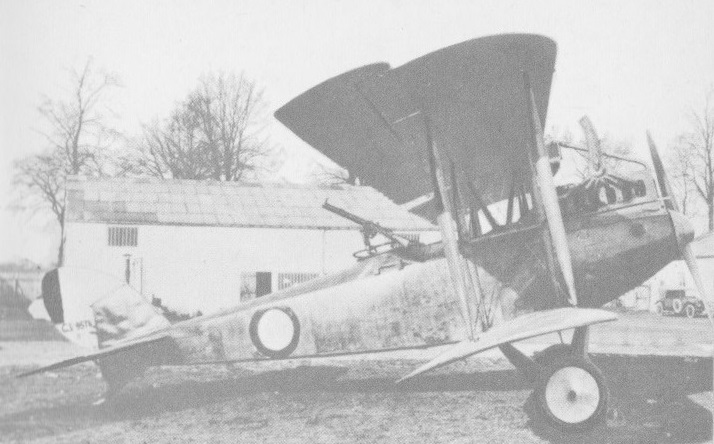
About 500 C.V’s and C.VI’s were in frontline service in the summer of 1918.
Engine: One 200 h.p. Benz Bz.IV
Wing span 42.75 ft (13.02 m.)
Wing area: 459.6 sq.ft
Length 26.5 ft (8.07 m.)
Height: 10 ft 6 in
Weight empty 1,860 lb. (843 kg.)
MTOW: 3141 lb
Fuel capacity: 52.5 Imp.Gal
Max speed: 102 m.p.h. (164 km.p.h.) at 6000 ft
Service ceiling: 16,500 ft. (5,000 m.) fully loaded
Endurance: 3.5 hours
Seats: 1 pilot and 1 observer
Armament One fixed Spandau machine gun firing forward, one Parabellum mg rear cockpit
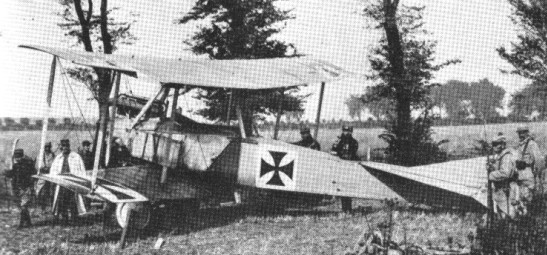
A reconnaissance biplane of WW 1.
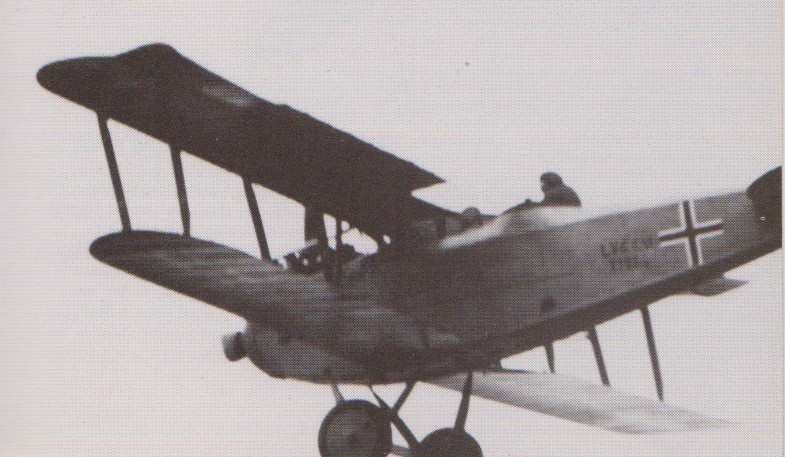
The C.II was developed from the LVG C.I, with the pilot and observer positions reversed, adding a ring-mounted machine gun to the rear. The increase in weight required a larger engine, the Benz Bz.III. Few C.I’s were built before the C.II was introduced. It incorporated structural improvements and a more powerful engine.
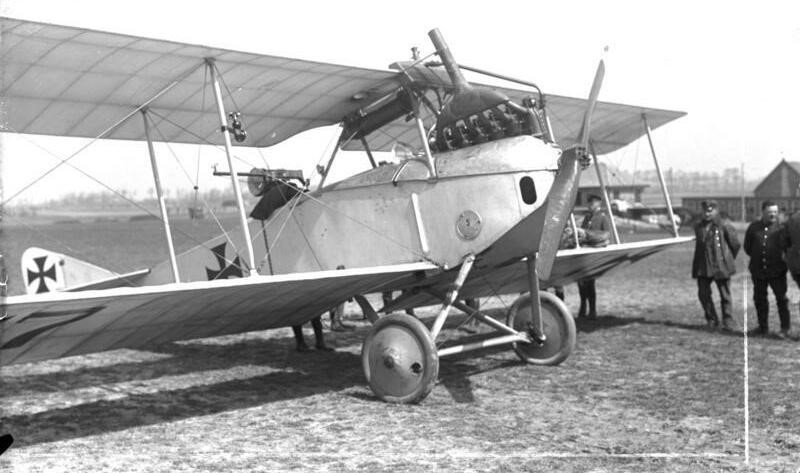
C.I
Engine: Mercedes, 130 hp
Top speed: 97 mph
C.II
Engine: Mercedes D.III, 119 kW (160 hp)
Wingspan: 12.85 m (42 ft 2 in)
Wing area: 37.60 m2 (404.74 sq ft)
Length: 8.10 m (26 ft 7 in)
Height: 2.93 m (9 ft 7.25 in)
Empty weight: 845 kg (1,863 lb)
Gross weight: 1,405 kg (3,097 lb)
Wing loading: 37 kg/m2 (7.6 lb/sq ft)
Maximum speed: 130 km/h (81 mph, 70 kn)
Range: 385 km (240 mi, 210 nmi)
Endurance: 4 hours
Service ceiling: 4,000 m (13,125 ft)
Crew: 2
Armament
1 × flexible 7.92 mm (.312 in) Parabellum MG14 machine gun
1 × fixed, forward-firing 7.92 mm (.312 in) LMG 08/15 machine gun (later production aircraft)
Bomb load: 60 kg (130 lb)
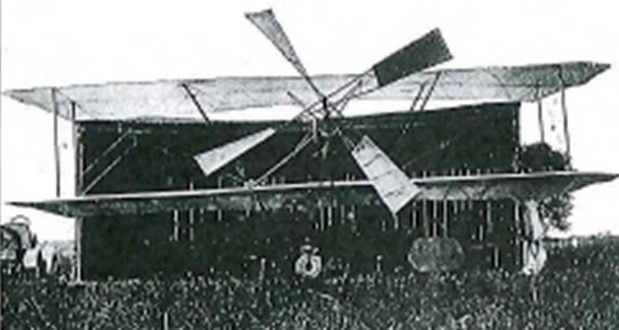
Samuel Luttrell, a local automobile enthusiast of Rockville, Maryland (or Washington DC), built this tailless tractor biplane in 1909. He tested it with a 50-horsepower engine, driving the four-bladed canvas propeller at about 650 revolutions per minute. The propeller was set on a universal joint and intended to control the vertical and lateral movement of the machine. The strong engine crumpled up the flimsy-looking propeller on the first test, after which a 30 horsepower unit was installed.
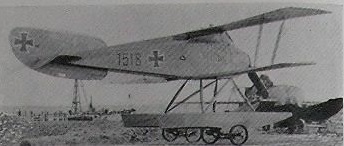
150 hp Benz 1916-17
A 75% scale replica of Sopwith Camel F9509 designed and built by John Lowther.
Engine: Webster 5-cyl radial.
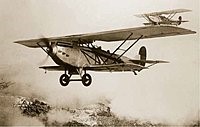
The Loring R-III or R-3 was a 1920s Spanish two-seat sesquiplane reconnaissance and light attack aircraft designed by engineer Eduardo Barrón and built by Dr. Jorge Loring’s company — Talleres Loring.
In the mid 1920s, during General Primo de Rivera’s dictatorship the R-III entered a contest along with the Potez 25 for the modernization of the Spanish Military Air Arm. Both planes had similar characteristics, but the Military Directory favoured the Loring R-III in order to promote local industries. First flying in 1926, the Aeronáutica Militar placed an order of 110 units, which put the Loring company at the head of the Spanish aeronautical industry of the time.
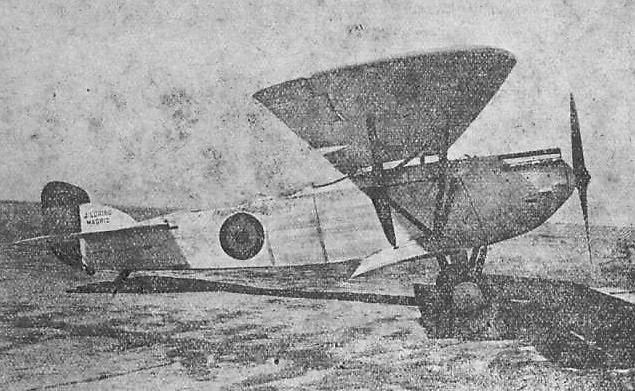
In October and November 1926 three variants of the R-3 were exhibited at the Loring section of the National Aeronautics Exhibition held in Madrid’s Palacio de Cristal: The R-3, the C-1 fighter (one built in 1926) and the T-1 light trainer (one built in 1926). Neither the fighter nor the trainer variants, however, went into production.
Some R-3s remained in service well after the proclamation of the Spanish Republic until the outbreak of the Spanish Civil War. It is not clear, however, whether they saw active service in the civil war.
Engine: 1 × Hispano Suiza 12Hb, 447 kW (600 hp)
Wingspan: 14.50 m (47 ft 7 in)
Length: 9.7 m (31 ft 10 in)
Height: 2.60 m (8 ft 6 in)
Empty weight: 1,400 kg (3,080 lb)
Gross weight: 2,380 kg (5,240 lb)
Maximum speed: 235 km/h (146 mph)
Crew: 2 (pilot, observer)
Armament:
2 × fixed, forward-firing 7.7 mm (0.303 in) machine guns in the engine cowling.
2 × trainable 7.7 mm (0.303 in) machine guns on a Scarff ring for the observer.
40 × 11 kg (24 lb) bombs on under-fuselage racks, or 8 × 50 kg (110 lb) bombs
 All Aero