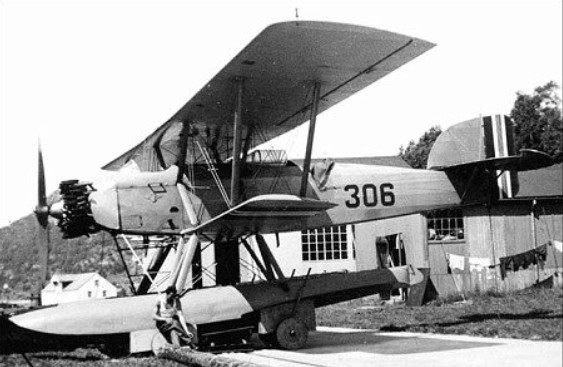
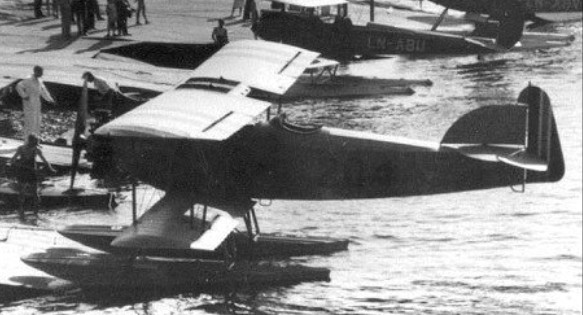
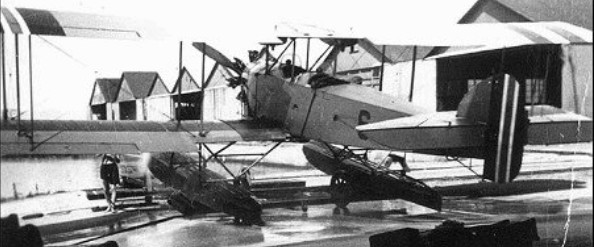
Marinens M.F.11

1931

Engine: 1 x 525hp Armstrong Siddeley Panther IIA
Wingspan: 10.55/15.41 m / 35 ft 7 in / 51 ft 7 in
Length: 11.63 m / 38 ft 2 in
Height: 4.45 m / 15 ft 7 in
Wing area: 53.50 sq.m / 575.87 sq ft
Max take-off weight: 2852 kg / 6288 lb
Empty weight: 1847 kg / 4072 lb
Max. speed: 235 km/h / 146 mph
Cruise speed: 170 km/h / 106 mph
Ceiling: 5000 m / 16400 ft
Range: 800 km / 497 miles
Range w/max.fuel: 1200 km / 746 miles
Armament: 3 x 7.92mm, 300kg of bombs
Crew: 3
Marcotte Rich Mixture II

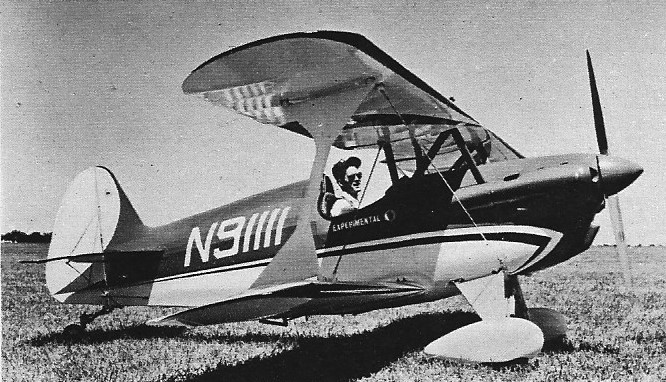
The Marcotte Rich Mixture II registered N91111 was an original single-seat biplane design by 35 year-old Ken Marcotte, an airframe and engine mechanic from Bedford Park, Ill, USA.

It had wood wings. Steel tube fuselage and tail, with Razorback cover. Fibreglass cowl and wheel fairings were fitted.

Engine: Continental C85-12
Wingspan: 19 ft / 5.79 m
Length: 17 ft / 5.18 m
Empty weight: 625 lb / 283.5 kg
MAUW: 1000 lb / 453.6 kg
Cruise: 115 mph / 185 kph
Landing speed: 50 mph / 80 kph
ROC: 1500 fpm / 7.62 m/sec
Range: 300 mi / 483 km

Manuel 1929 Biplane

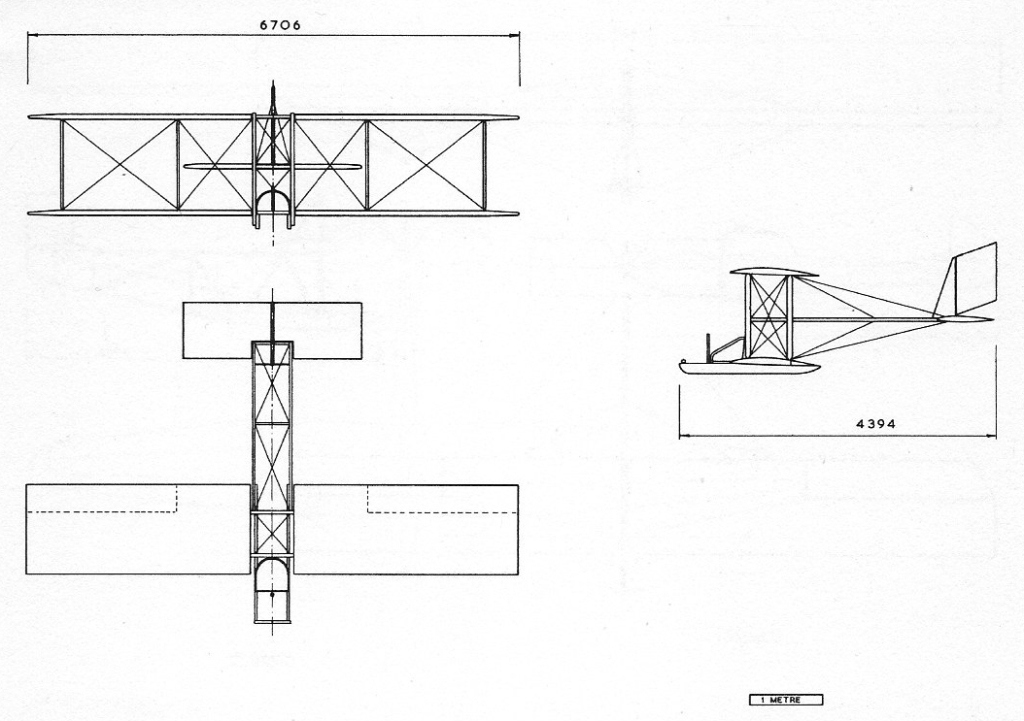
A single-seat Biplane glider was designed and built by W.L. Manuel in 1929. It was of conventional wooden construction.

It was first flown at Hawking, UK, on 18 May 1929. After the first flight, Manuel carried out many flights tethered as a kite. For these flights a twenty foot long tow rope was attached to the tail skid of a Gloster Grebe fighter. The engine of the Grebe was run at full throttle and the glider was flown for about four minutes in the slipstream before the engine of the aircraft overheated. During one of these ‘flights’ a different pilot lost control and it was written off.

Wingspan: 6.70 m / 22 ft 0 in
Length: 4.39 m / 14 ft 5 in
Wing area: 14.86 sq.m / 160 sq.ft
Aspect ratio: 5.5

Manning Comet

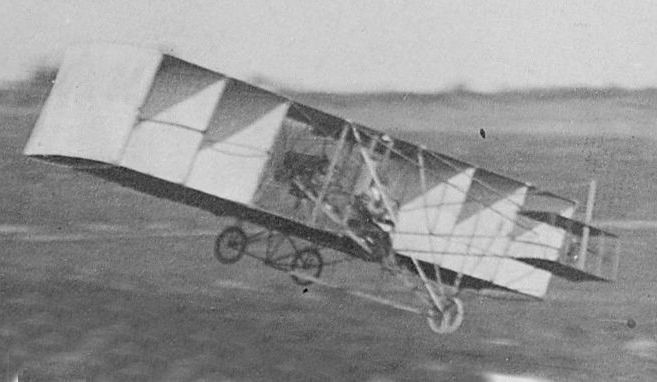
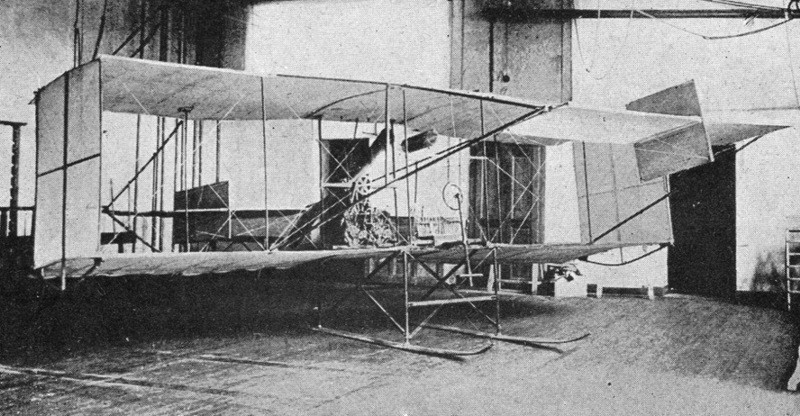
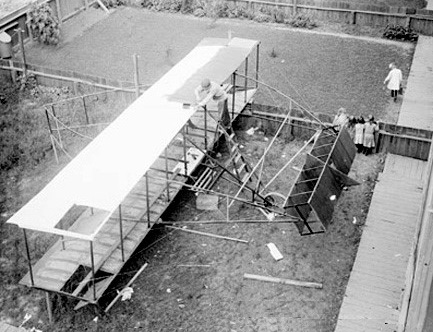
H. W. Manning had little experience with airplane design, but using the financial resources of his gas mantle business, Manning and his sons built an airplane they called “Comet I”. Son Jack made unimpressive test flights, but he convinced his father to build a larger plane, dubbed “Comet II”. They unsuccessfully displayed the machine in Baker City, Oregon on July 4-5, 1910. During the summer the Mannings attempted flights near Astoria, Oregon, and they also built a “Comet III” before giving up as constructors.

Mann and Grimmer M.1

Seventeen-year old R. Mann designed M.1 two-seat fighter-reconnaissance biplane, built with assistance of R. P. Grimmer and test-flown at Hendon February 19,1915. Conventional radial engine, nose-mounted, but facing aft so that propeller shaft extending through fuselage drove interplane strut-mounted twin pusher propellers via chain drives. Wrecked November 16,1915, development discontinued.