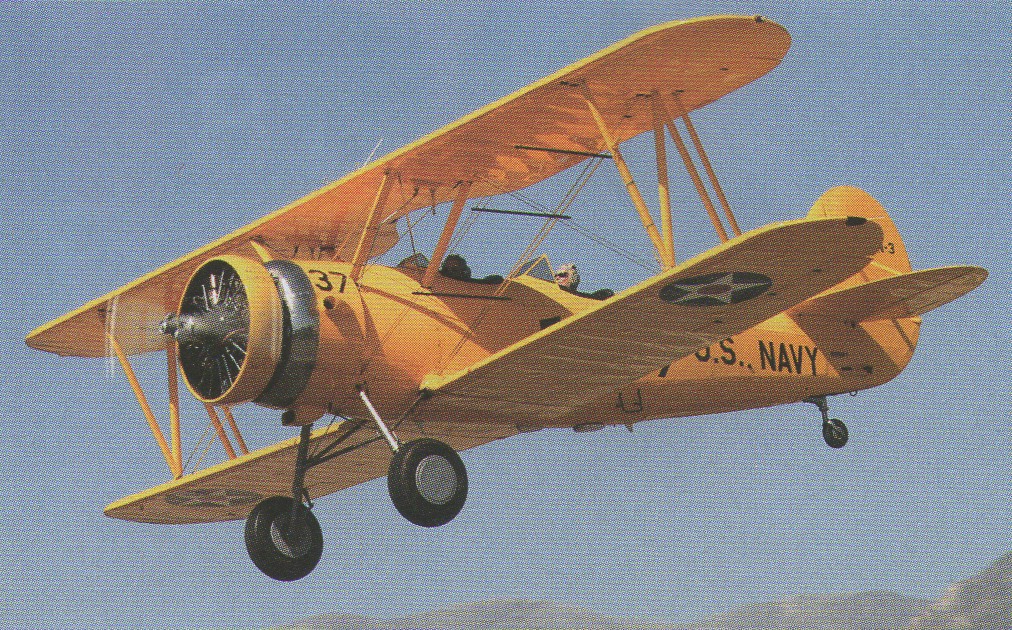
NAF N3N

N3N-3

Designed for the US Navy in 1934, and outwardly similar to the service’s current Consolidated NY-2 and -3, the N3N featured an all-metal primary structure covered with fabric except along the fuselage sides, which featured removable alloy panels. The XN3N-1 prototype, 9991, flew in August 1935 with a 164-kW (220-hp) Wright J-5 radial, an engine that was out of production but stocked in considerable numbers.
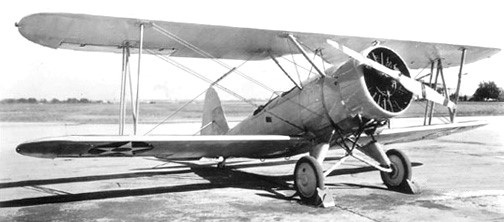
XN3N-1

The prototype was evaluated as a landplane and floatplane, resulting in a 1935 order for 179 N3N-ls (0017/0101, 0644/0723, 0952/0966), at about $25,000 unit cost. The N3N-1S was a single-float version.

The XN3N-1 became an N3N-1.
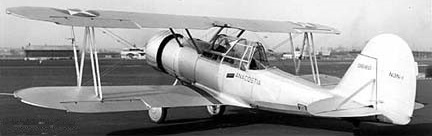
NAF N3N-1 0680

Single XN3N-2 (0265) in 1936 and XN3N-3 (N3N-1 conversion 0020) prototypes were used to evaluate the 179-kW (240-hp) R-760-96 engine that was then used in the last 20 N3N-ls and retrofitted in the earlier aircraft.

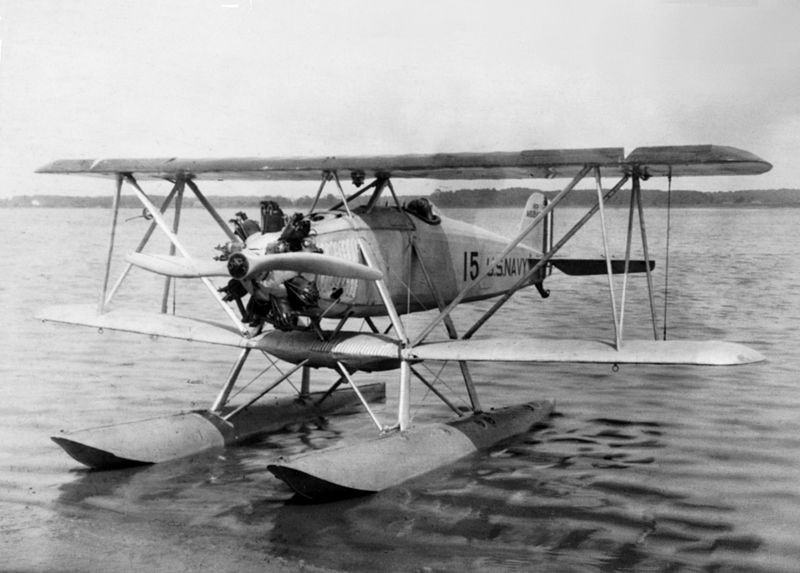
There followed, in 1940, 816 N3N-3s (1759/1808, 1908/2007, 2573/3072, 4352/4517) with a revised tail and modified landing gear, and the N3Ns were amongst the Navy’s most important wheel- and float-equipped primary trainers throughout World War II.
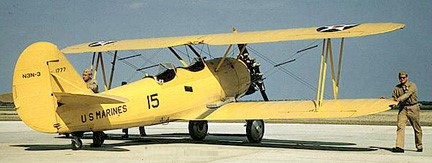
NAF N3N-3 1777

Gallery

XN3N-1
Engine: l x Wright R-790S, 220hp
Length: 24’5″
Max speed: 122 mph
Cruise speed: 105 mph
Ceiling: 14,500 ft

N3N-1, -1S
Engine: l x Wright R-790-8, 220hp

XN3N-2
Engine: l x Wright R-760, 235hp

XN3N-3
Engine: l x Wright R-760, 235hp

N3N-3
Engine: l x Wright 8-760-2 Whirlwind 7,175kW (235 hp)
Span: 10.36m / 34ft)
Wing area: 304.944 sq.ft / 28.330 sq.m
Length: 7.77m (25ft 6in)
Height: 10.827 ft / 3.3 m
Max T/O weight: 1266 kg (2,792 lb)
Weight empty: 2090.3 lb / 948.0 kg
Max speed: 126 mph at sea level
Cruising speed: 78 kts / 145 km/h
Cruising speed: 50 mph
Service ceiling: 15207 ft / 4635 m
Wing load: 9.23 lb/sq.ft / 45.0 kg/sq.m
Operational range: 470 miles
Crew: 2
Armament: none
NAF TS-1 / TS-3 / TS-2 / FC-1 / Curtiss TS-1

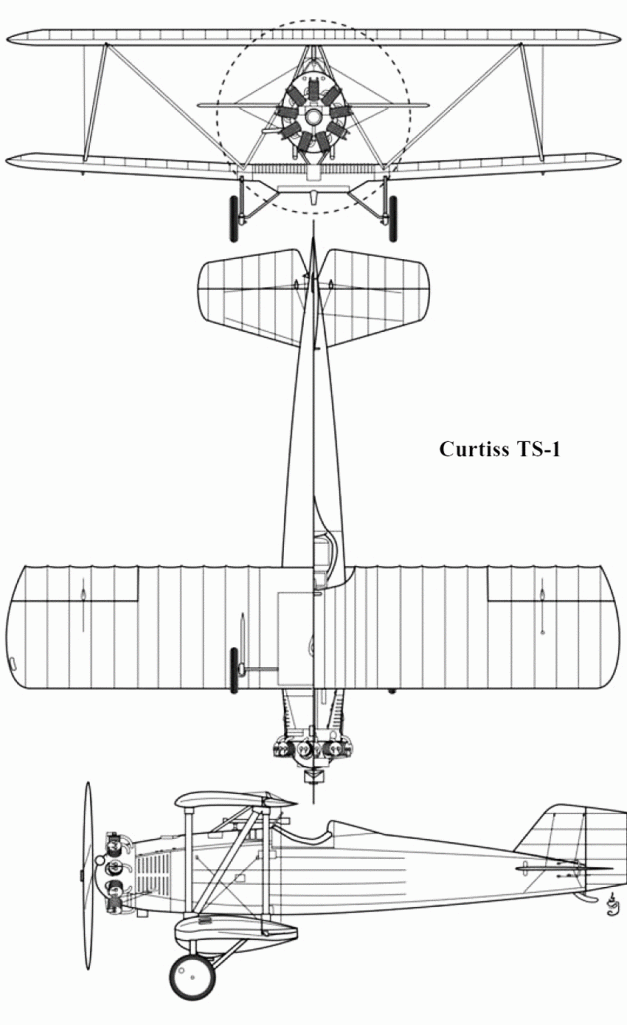
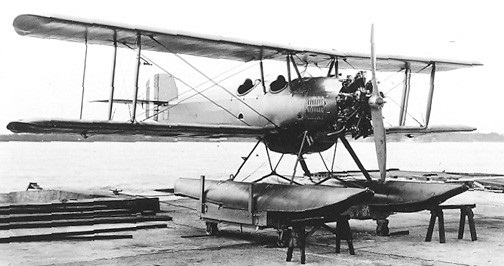
Rex Buren Beisel of the Naval Aircraft Factory desiggned a simple fighter powered by a 200 hp (150 kW) Lawrance J-1 air-cooled radial engine. Its boxy fuselage was suspended between the upper and lower wings (essentially having both dorsal and ventral sets of cabane struts), with the center area of the lower wing enlarged to accommodate a fuel tank.

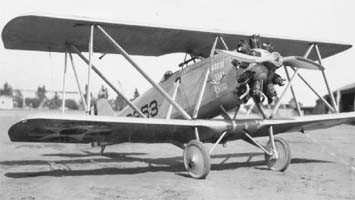
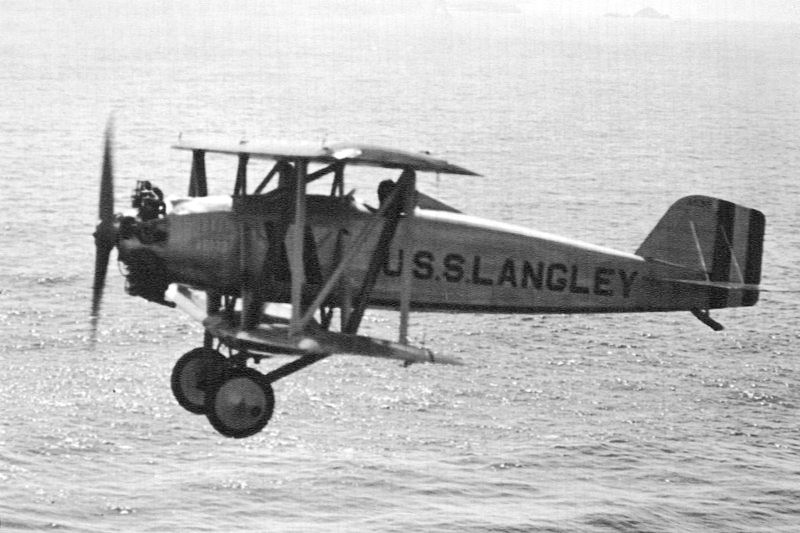
First flying on August 10, 1921, the TS biplane fighter was the first aircraft designed specifically for the US Navy to be used with aircraft carriers. At the NAF plant, five TS-1 (A6300- 6304) aircraft were built to assess the accuracy of the calculations of the contracting companies for payment for the work they had performed.

The NAF provided Curtiss with the plans to build the aircraft, and the result, designated TS-1, arrived at Anacostia on May 9, 1922. The TS-1 from Curtiss was delivered with wheels, so the NAF also designed wooden floats to enable their use on vessels other than aircraft carriers. Testing went well, and in late 1922 the Navy ordered 34 planes from Curtiss, with the first arriving on board the USS Langley (CV-1) in December. The NAF built another five themselves, as a test of relative costs, as well as four more used to experiment with water-cooled inline engines.

Curtiss TS-1

In addition to operating from the carrier deck, the TS-1s served for several years in floatplane configuration aboard destroyers, cruisers, and battleships. The aircraft were slung over the side by crane. Squadron VO-1 operated this way from 1922, and VF-1 flew its float-equipped TS-1s from battleships in 1925 and 1926.

The TS-1 was not universally liked by its crews. Positioning of the lower wing below the fuselage resulted in short wheel struts. This, and the wheels’ placement close to each other, caused considerable problems with ground looping.

NAF also built two TS-2 (A-6446-6447) powered by a 240 hp (180 kW) Aeromarine engine, and two TS-3 (A-6448-6449) powered by a 180 hp (130 kW) Wright-Hispano E engine. One TS-3 was modified by changing the airfoil section to participate in the 1922 Curtiss Marine Trophy race and received the TR-2 designation, later it was used as a training aircraft for the US Navy team, preparing for the Schneider Cup competitions in 1923.

In May 1924, the TS-1 was re-designated as FC-1. They were retired in 1929.

Two all-metal versions of the aircraft, F4C-1s, were developed by Curtiss.

TS-1
Engine: 1 × Lawrance J-1, 200 hp (149 kW)
Wingspan: 25 ft (7.62 m)
Wing area: 228 ft² (21 m²)
Length: 22 ft 1 in (6.7 m)
Height: 9 ft 7 in (2.9 m)
Empty weight: 1,240 lb (562.5 kg)
Loaded weight: 2,133 lb (967.5 kg)
Maximum speed: 106.8 knots (123 mph, 198 km/h)
Cruising speed: 165 km / h
Range: 418.8 nmi (482 mi, 775.7 km)
Service ceiling: 16,250 ft (4950 m)
Rate of climb: 909 ft/min (4.61 m/s)
Armament: one 7.62mm Browning machine gun
Crew: 1

National Airways System Air King

NAS Air King Dole racer City of Peoria NX3070

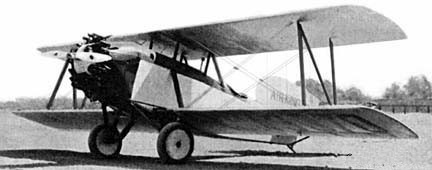
In 1926 National Airways System designed and produced the three/four-seat open-cockpit Air King commercial/touring biplane. Alternative engines offered included the Curtiss OX-5, Hispano-Suiza and Wright Whirlwind.

A 1926 two place Air King was entered in the 1927 New York-Spokane Race. It was disabled when the tailskid broke on take-off and was dismantled, with its motor going to the Air King Mono-4.

A three-four place Air King was offered in 1926 (ATC 29). Designed by Orville Hickman, the price was $2,385.

The 1927 two place Air King was a larger, boxy “big brother”. About four were built, the first of which was Dole Race entry City of Peoria (NX3070, piloted by Charles Parkhurst). It was disqualified because of insufficient fuel tanks.

The 1928 three place Air King (ATC 29) was priced at $2,095-2,295 and 23 were built.

Air King
1926
Engine: Curtiss OX-5, 90hp
Wingspan: (upper) 33’0″ (lower) 34’1″
Length: 26’0″
Useful load: 850 lb
Max speed: 98 mph
Cruise speed: 84 mph
Stall: 35 mph
Range: 380 mi
Seats: 3-4

Air King
1927
Engine: Wright J-5, 220hp
Wingspan: 38’0
Seats: 2
about 4built

Air King
1928
ATC 29
Engine: Curtiss OX-5, 90hp
Wingspan: 34’1″
Length: 25’5″
Useful load: 775 lb
Max speed: 99 mph
Cruise speed: 85 mph
Stall: 35 mph
Range: 395 mi
Price: $2,095-2,295
Seats: 3
No built: 23

National Aircraft Division of American Airmotive Corp NA-75

National Aircraft Division Of American Airmotive Corp was established in 1956 to remanufacture Boeing-Stearman PT-13/17 Kaydet trainers as the NA-75 agricultural aircraft. Modifications included new high-lift wings of all metal construction and metal-panelled fuselage sides. The NA-75 was offered either in completed form or as a conversion.

Various engine options from 220hp Continental to 450hp P&W were offered.

Wingspan (upper): 33’0″
Wingspan (lower): 29’6″
Hopper loads: 500-2000 lb
Stall speed 500 lb load: 35 mph

Engine: 220hp Continental R-670 or 225hp Lycoming R-680-B4 (also others as available)
Wingspan: (upper) 33’1″ (lower) 29’5″
Length: 24’9″
Payloads: up to 2000 lb
Seats: 1