110 hp Le Rhone 1917
110 hp Le Rhone 1917
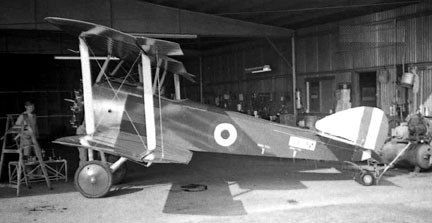
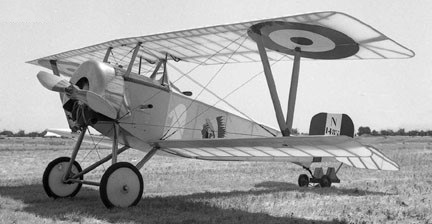

Rebuilt from a Fleet 2, the 1956 Pfeifer JL Sport aka Special, registered N63J, was a two place, open cockpit biplane.
Engine: Lycoming O-435-C1, 190hp
Wing span: 28’0″
Length: 19’6″
Useful load: 730 lb
Max speed: 138 mph
Cruise speed: 125 mph
Stall: 65 mph
Seats: 2
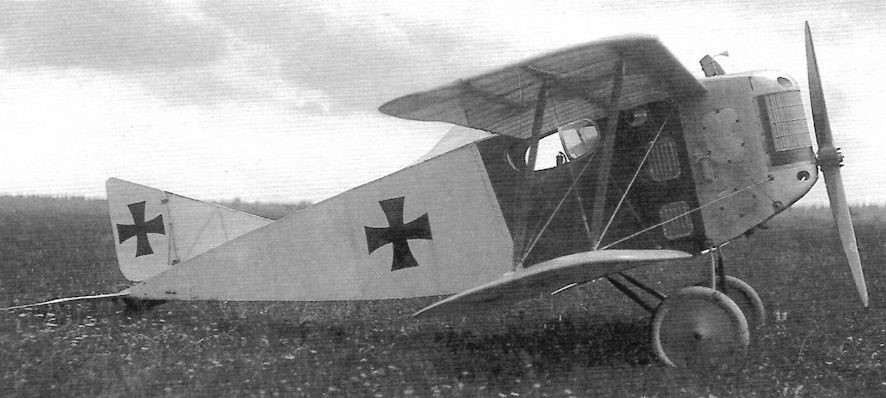
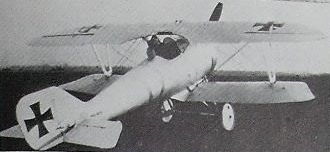
This aircraft was a biplane version of the E V monoplane. It was to the Walfisch format, with deep gap-filling fuselage and car-type radiator at the nose. Although not confirmed, the engine is thought to have been 100 h.p. Mercedes D I.
The Pfalz D 4 was the first biplane fighter design from Pfalz. With a fuselage resembling the earlier Pfalz E.V, the D 4 was powered by a 150 hp Benz Bz.III engine. The cutouts in the sides of the cockpit gave the pilot better visibility downwards to the front.

The Pfalz D 4 version without fixed fin or headrest is shown here. The exhaust pipe was also longer than that of the version with fixed fin and headrest. Iron crosses are painted on both sides of the elevators like Pfalz E-types.

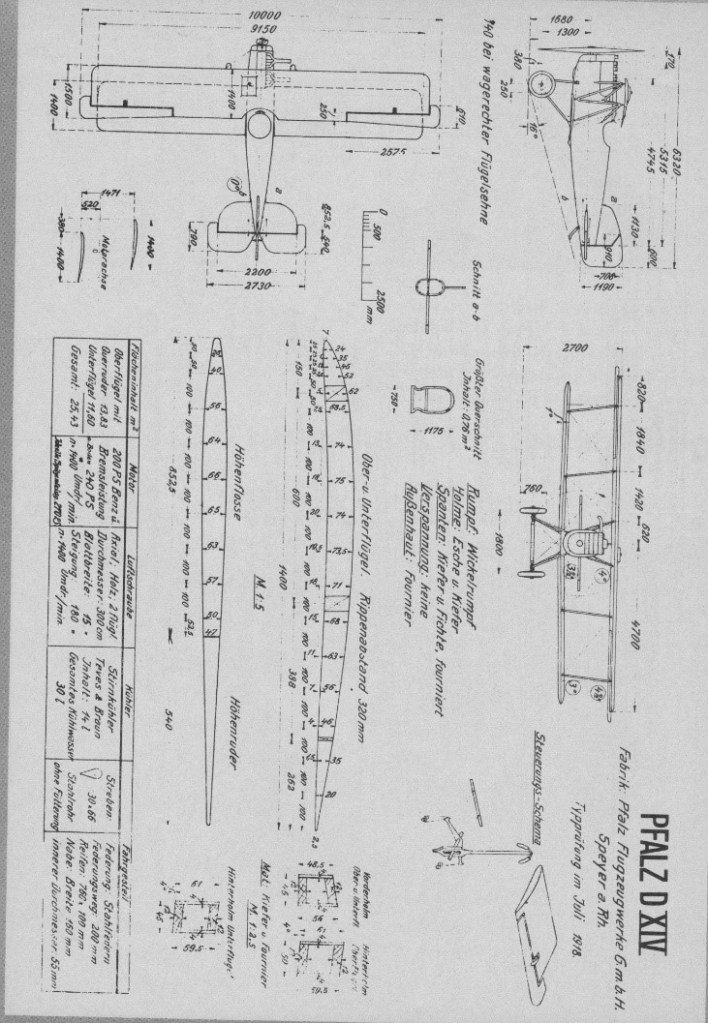
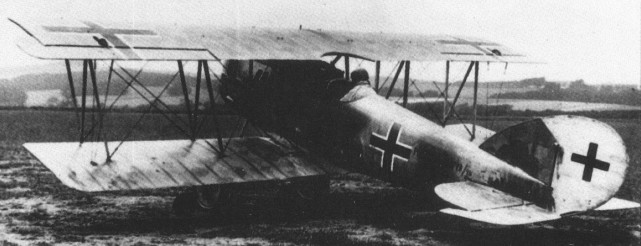
The last Pfalz design to be built in numbers was the D XII fighter, a type designed for the second German tighter competition held in May 1918. In layout the type was a sturdy twin-bay biplane with a plywood-covered semi-monocoque tuselage, a large tailplane and horn-balanced control surtaces. The prototype first flew with the Mercedes D.llla inline, but in the competition examples were flown with the Mercedes DIII and BMW Ill engines. The D XII was ordered into production mainly as an insurance against problems with the Fokker D VIII, and was generally used by Bavarian units. After initial disappointment that they had not received the Fokker tighter, these units soon came to appreciate the very real virtues of the Pfalz machine, which were adequate performance, good agility and extreme strength. Production totalled some 200 aircraft.

The two-spar wings, with plywood leading edges, had wire trailing edges, and ailerons on the top wing only. The fin and control surfaces were welded steel tube construction.

The D.XII equipped ten frontline squadron in the last three month of the war.
Pfalz DXII
Powerplant: l x Mercedes D.IIIa, 134kW (180 hp)
Span: 9m (29ft 6.25 in)
Wing area: 233.6 sq.ft
Length: 6.35m (20ft 10 in)
Height: 8 ft 10.25 in
Empty weight: 1578 lb
Max T/O weight: 900 kg (1984 lb)
Fuel capacity: 18.75 Imp.Gal
Max speed: 106 mph at 10,000ft
Service ceiling: 18,500 ft
Operational endurance: 2 hr 30 min
Armament: 2 x 7.92-mm (0.312-in). Spandau LMG 08/15 mg.
Seats: 1

The D.VII was a single-bay biplane with staggered, parallel-chord wings. It had simple parallel interplane struts; the upper centre section was supported on each side by a three-sided rectangular frame, open at the bottom where it was mounted on the upper fuselage. There were externally connected ailerons on both upper and lower planes.
Behind the D.VII’s rotary engine its fuselage was of rounded cross-section, with the single-seat, open cockpit just below the upper wing’s trailing edge, where there was a small cut-out for better upward vision. The horizontal tail was mounted at mid-fuselage; the fin was straight-edged and carried a full, rounded and horn balanced rudder. The D.VII had a simple fixed conventional undercarriage, with mainwheels on a single axle supported at each end by a thin V-form pair of struts. There was a generous tailskid. The D.VII had a pair of fixed LMG 08/15 machine guns, the standard German single-seat fighter armament of the time.
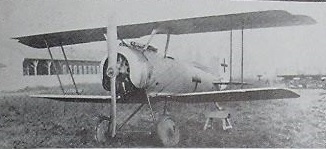
Beginning its flying programme near the end of 1917, the Pfalz was fitted with three types of rotary engines in testing: the 108 kW (145 hp) Oberursel U.III, the Goebel Goe.III and the Siemens-Halske Sh.III, the last two both producing 119 kW (160 hp). These drove both two and four blade propellers. Both balanced and unbalanced ailerons were tried.
The D.VII was one of three Pfalz aircraft which competed at the first D-Type contest held at Adlershof in January and February 1918, the others being the D.VI and the D.VIII. It gained its Type Certificate in February 1918 but did not receive a production order.
Powerplant: 1 × Siemens-Halske Sh.III, 120 kW (160 hp)
Propeller: 2-bladed
Wingspan: 7.52 m (24 ft 8 in)
Wing area: 17.20 m2 (185.1 sq ft)
Length: 5.65 m (18 ft 6 in)
Height: 2.85 m (9 ft 4 in)
Empty weight: 520 kg (1,146 lb)
Gross weight: 715 kg (1,576 lb)
Maximum speed: 190 km/h (120 mph, 100 kn) at 4,000 m (13,215 ft)
Endurance: 1.5 hr
Time to 6,000 m (18,290 ft): 25.25 min
Armament: 2 × LMG 08/15 7.9 mm (0.311 in) Spandau machine guns
Crew: One
Engine: 160 h.p. Oberursel U III
Span: 8.1 m. (26 ft. 7 in.)
Length: 5.55 m. (18 ft. 2 5/8 in.)
Height, 2.7m. (8 ft. 10 1/4 in.)
Wing area: 17.2 sq.m. (186 sq.ft.)
Empty weight: 483.5 kg. (1,064 lb.)
Loaded weight: 738 kg. (1,624 lb.)
Endurance: 1.5 hr
Armament: 2 × LMG 08/15 7.9 mm (0.311 in) Spandau machine guns
Crew: One
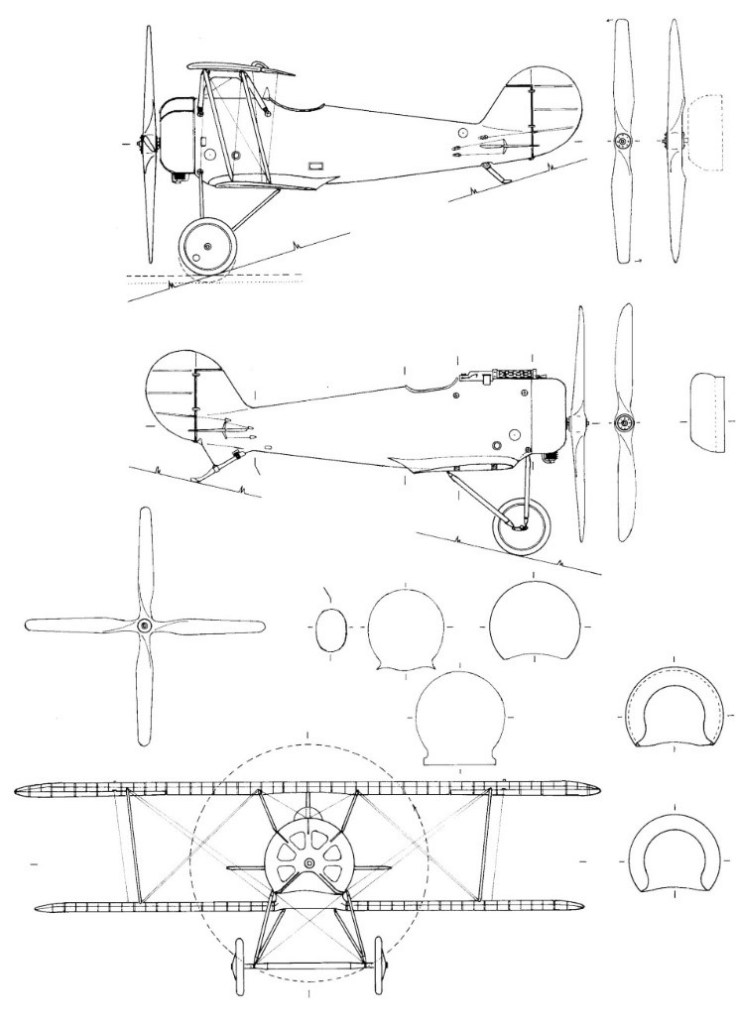


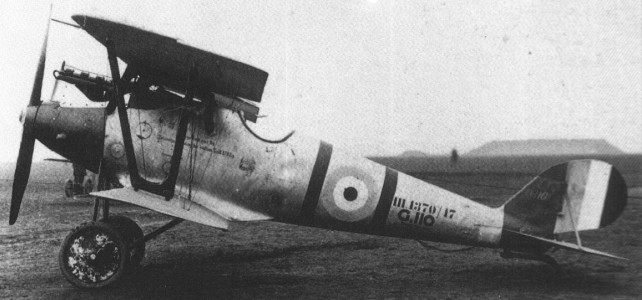
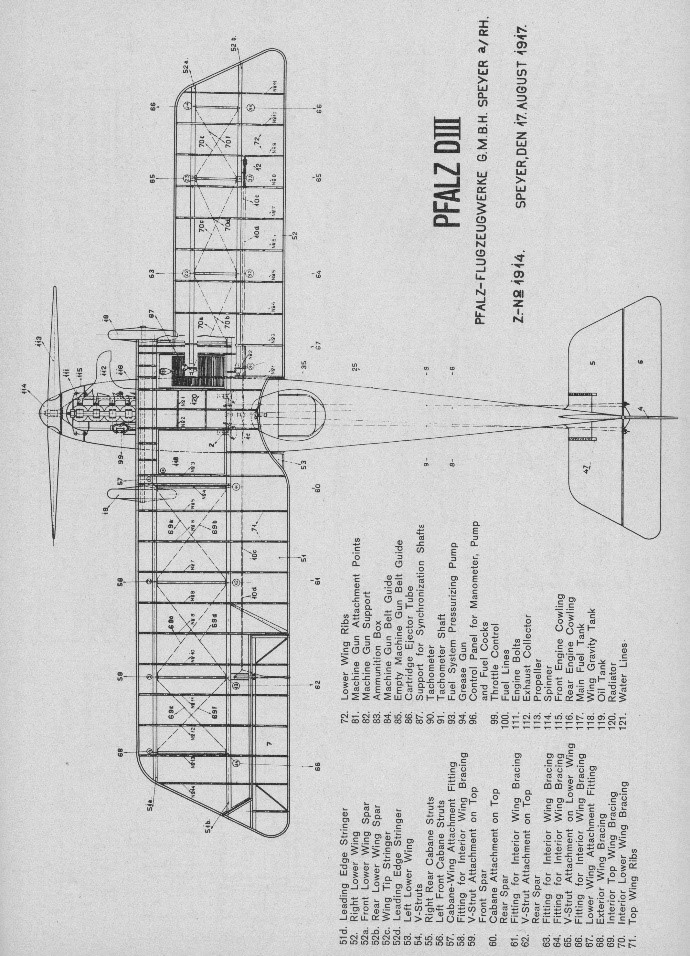
The Pfalz Flugwerke GmbH did not develop a biplane fighter design of its own until the Pfalz D.III prototype appeared in the spring of 1917. It had its roots in the Roland fighters that Pfalz had been building under license until then.
The type was an unequal-span biplane with an almost sesquiplane layout, a fuselage of very clean lines, and a 119-kW (160 hp) Mercedes D.III inline in a commendably low-drag installation. The D III entered service in the autumn of 1917, mainly with Bavarian units, and was complemented from 1918 by the D IIIa with a more powerful engine. By the end of 1917 approximately two hundred and fifty D.IIIs were at the Front. Many Jagdstaffein had mixed equipment at this period and it was not unusual for the new fighter to operate m the same formation with Roland and Albatros machines
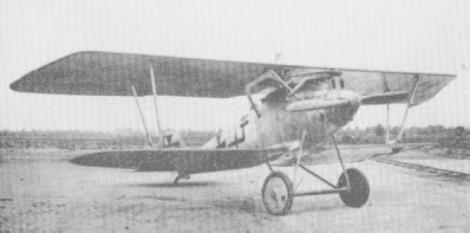
Compared with its contemporaries, the Pfalz D.III had a poor rate of climb, a tendency to catch fire rapidly and average manoeuvrability. On the other hand, it was an excellent gun platform thanks to a fuselage-upperwing; gap kept to a minimum to afford a good all-round view from the cockpit. Twin Spandau guns were mounted inside the fuselage with only their muzzles protruding. It also featured a tailplane of inverted aerofoil section, made of ply-covered wood. This resulted in the capacity to dive hard and fast, a factor that led to its extensive use as a balloon-buster. Except for the tailplane, the fuselage was constructed of thin layers of plywood round a wooden frame of longerons and formers, covered with fabric.
The Pfalz D.III was powered by the Mereedes D.III six-cylinder liquid cooled inline 160hp engine. This gave it a maximum speed of 180 km/hr and an endurance of 2.5 hr.
The Pfalz D.III continued to operate until mid-1918. Then it was already looked upon by the Allied fighter pilots as a sitting duck.
Production totaled about 600 machines, including D.IIIa’s with 180 hp Mercedes engines.
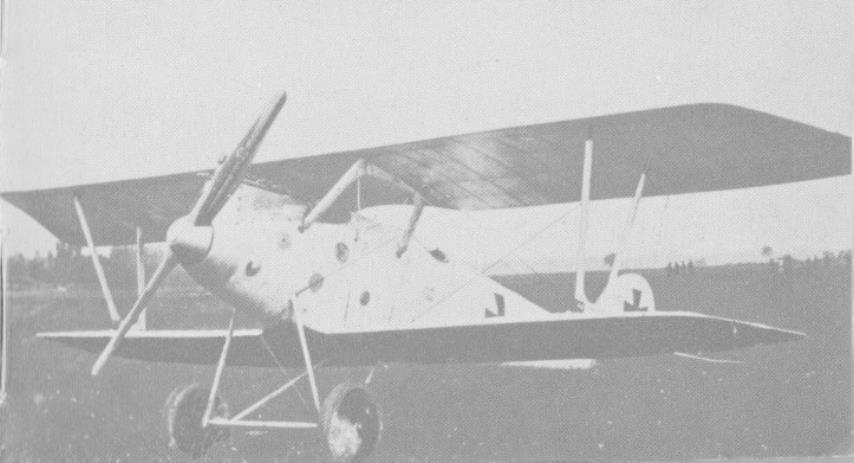
About 350 were still operational in August 1918.
Replica:
Bellamy Pfalz D.III
Personal Plane Services Ltd Pfalz D.III
Pfalz D IIIa
Powerplant: l x Mercedes D.III, 160 hp
Span upper: 9.40m (30ft 10 in)
Span lower: 26 ft 8 in
Wing area: 238.5 sq.ft
Length: 6.95m (22 ft 9.5 in)
Height: 8 ft 9 in
Fuel capacity: 21.5 Imp.Gal
Empty weight: 1532 lb
Max T/O weight: 935 kg (2,061 lb)
Max speed: 103 mph at 9,845 ft
Operational endurance: 2 hr 30 min
Armament: 2 x Spandau mg
Crew: 1
Pfalz D IIIa
Powerplant: l x Mercedes D.IIIa, 134kW (180 hp)
Span: 9.40m (30ft 10 in)
Length: 6.95m (22 ft 9.5 in)
Armament: 2 x 7.92-mm (0.31 2-in) LMG 08/15 mg
Max T/O weight: 935 kg (2,061 lb)
Max speed: 103 mph at 9,845 ft
Operational endurance: about 2 hr
Crew: 1
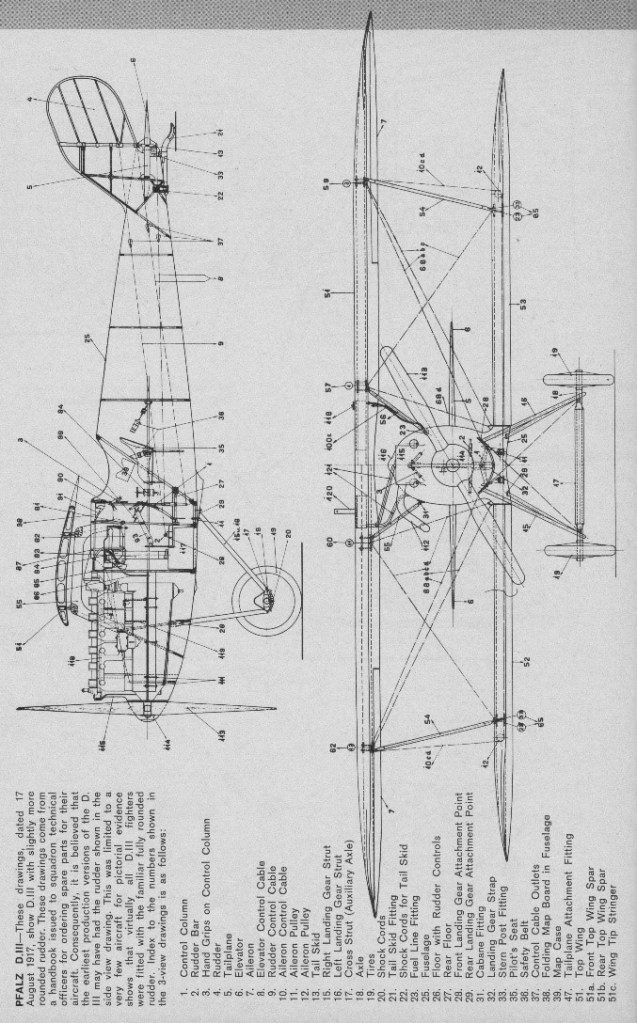
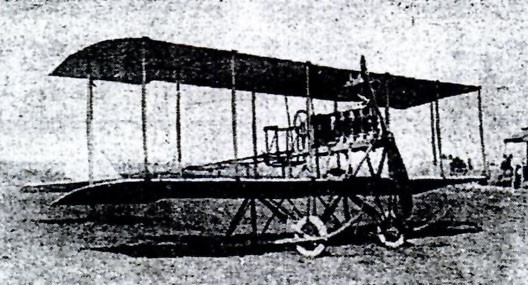
Built and designed by 19-year-old Harry Peyton of Waco, Texas, who made test flights of his biplane at a nearby field, most likely on the Trinity River bottom.
A 1924 light biplane seaplane trainer designed for Yves le Prieur (of aerial rocket & aqualung design fame)
Engine: 1st trials 16 hp 4-cyl Sergant, then replaced by 45 hp Anzani 6
 All Aero