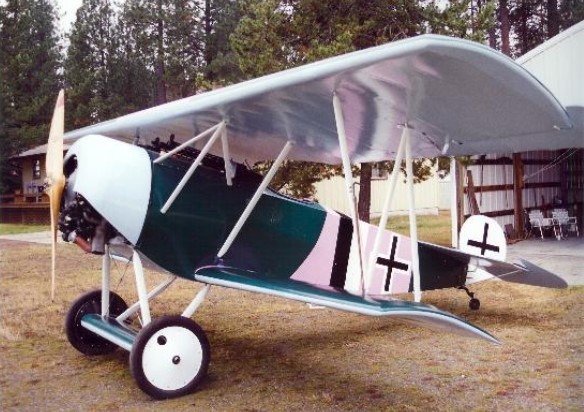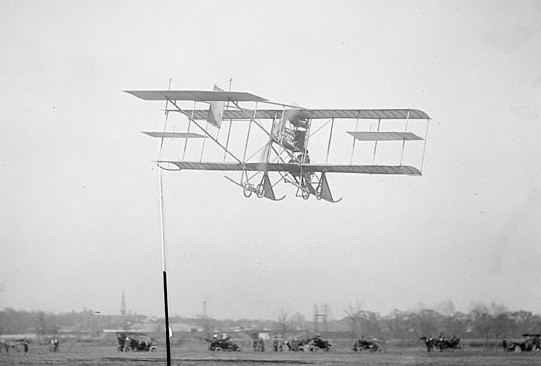
Rex Smith Aeroplane Co 1910 biplane

Designed by Rex Smith and Frederick Fox, the Rex Smith Biplane Curtiss-type first flew on 5 November 1910, piloted by R Smith. It was built and demonstrated at College Park, Maryland, at the same airfield that the Wright Brothers trained pilots using their aircraft for the U.S. Army Signal Corps just north of Washington, D.C.

This followed the initial demonstration at Fort Myer, Virginia, in 1908 and 1909, when the U.S. Army Signal Corps accepted the Wright Flyer in July 1909. Both the Wright Brothers and Curtiss continued to demonstrate their aircraft at the College Park Airport.

A two-place biplane powered by an Emerson marine engine pusher, it was used in Signal Corps experiments with wireless radio-telegraphy in April 1911, piloted by Antony Jannus.
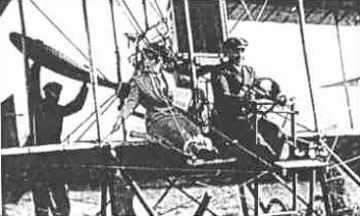
Rex Smith Tony Jannus piloting

At a 1911 display in Washington, D.C., of the Smith biplane, a large crowd gathered to watch the motor started indoors, kicking dust throughout the building. On April 13, the biplane demonstrated wireless air-to-ground communications at College Park. On April 15, test pilot Tony Jannus attempted a take-off from the Potomac River with new pontoons attached to the landing skids. The plane plowed into the water, nearly drowning Jannus. By the end of the year, the aircraft had demonstrated 137 flights, including takeoffs and landings during snowstorms.

An aircraft was developed with an airfoil that tapered from four feet thick to nearly flat at the wingtips. The aircraft used wing warping tips rather than ailerons. It was tested with a Hall-Scott engine by test pilot Paul Peck. A Berliner Rotary was also considered for the design.

Rex Smith Biplane
Powerplant: 1 × Emerson 2 cycle, six cylinder, 100 hp (75 kW)
Propeller: 2-bladed Paragon, 9 ft (2.7 m) diameter
Wingspan: 40 ft (12 m) span later reduced to 32 feet for speed
Empty weight: 875 lb (397 kg)
Capacity: 1-3
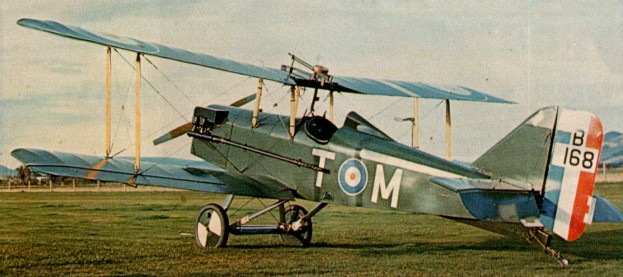
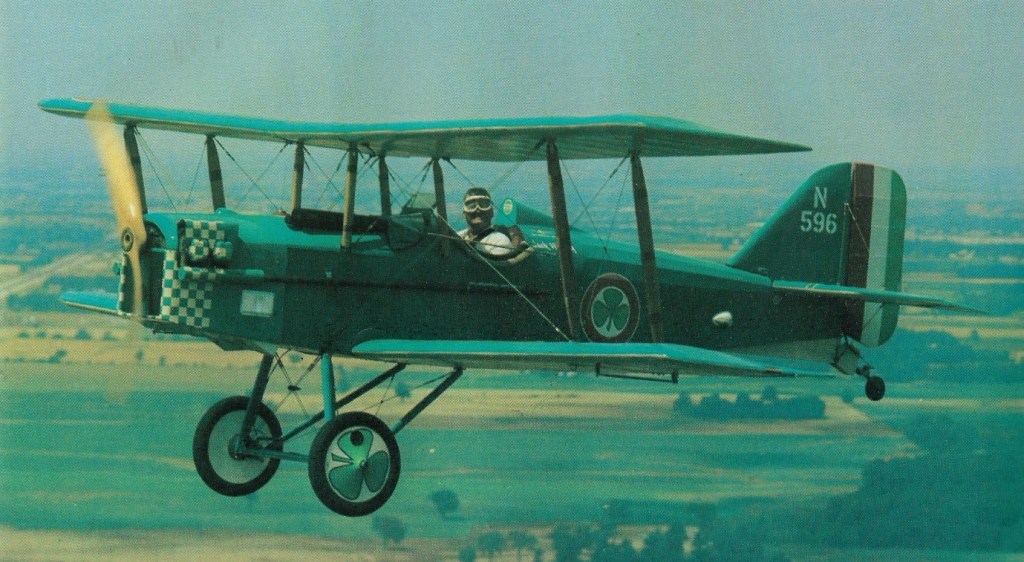
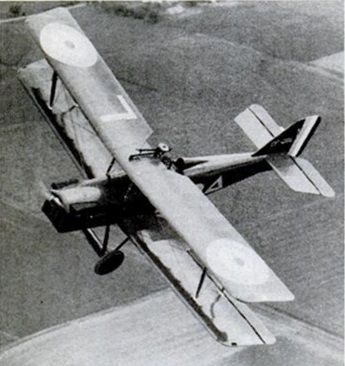
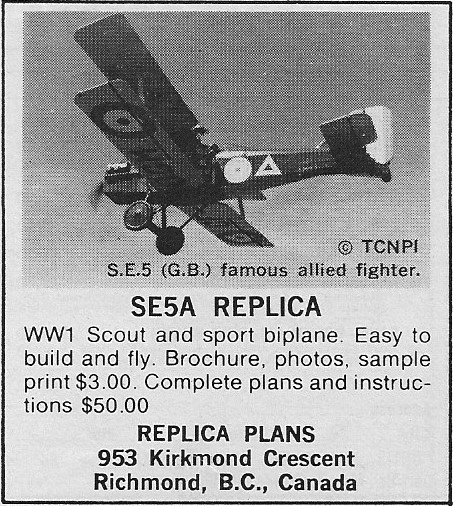
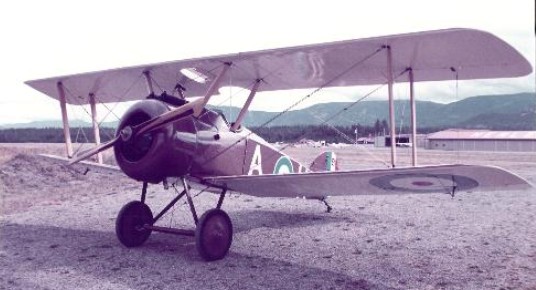
Replica Plans SE-5A

The 5/6th scale replica was designed as an easy and inexpensive representation of this famous First World War Fighter using modern materials and engines. The reduced scale allows for the use of 65 to 100 hp “flat four” engines although some examples have more powerful engines. Wood and fabric construction.

The prototype flew in Canada in 1970 and there were two flying in New Zealand with at least two more under construction. The wooden wing has a leading edge covered with either fibreglass or aluminum, the rest being fabric-covered. The plywood-covered box fuselage has a fabric-covered turtle-deck and aluminum-covered forward section. Performance from an 85 hp powered SE-5A Replica are a cruise speed of 135 km/h and 150 m/min climb rate.

Dec 73

Gallery

Engine: Continental O-200, 100 hp
HP range: 85-125
Height: 7.67 ft
Length: 18.18 ft
Wing span: 23.33 ft
Wing area: 146 sq.ft
Fuel cap: 18 USG
Weight empty: 750 lb
Gross: 1150 lb
Speed max: 110 mph
Cruise: 80 mph
Range: 250 sm
Stall: 35 mph
ROC: 900 fpm
Take-off dist: 400 ft
Landing dist: 550 ft
Service ceiling: 10,000 ft
Seats: 1
Landing gear: tail wheel

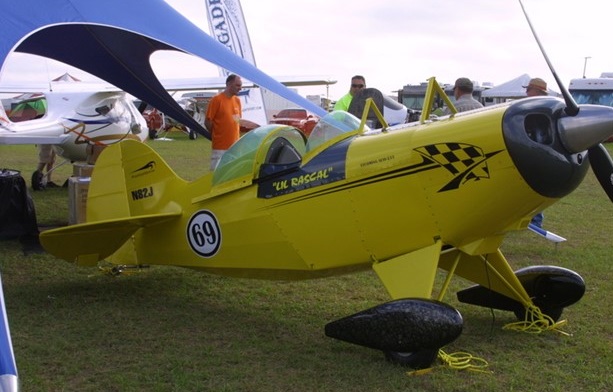
Renegade Light Sport Aircraft Carbon Pitts / Lil Rascal

Renegade Light Sport LLC has put a carbon fiber spin on the aerobatic Pitts S1C from Steen Aero, and christened the plane the Renegade “Lil Rascal.” Previously known as the Carbon Pitts, Renegade was notified by Aviat that it held a trademark on the word “Pitts,” necessitating the name change. Renegade says this aircraft is right in line with Renegades’ business model of taking the best of the old dependable engines, airframes, and more, and putting the company’s modern, state-of-the art touch to the projects.

Renegade elected to drop the FK-12 Comet project and instead bring a proven airframe to the marketplace which conforms to the LSA, ASTM standards. Renegade says the Rascal has the best of the old S1C airframe however it’s is 4 inches wider, 6 inches longer in the cockpit, sporting a new all carbon fiber wing design, with full span ailerons, and complete carbon wing with no fabric what so ever. Both the top and bottom wings are all of a light-weight, extremely strong construction. Preliminary tests show the airplane is a 12 G machine, but Renegade restricts the G rating to 6 positive and 3 negative, the rating Lycoming puts on their new LSA specific inverted Christian Eagle oil system engine. The Rascal Sports comes standard with an all Glass Dynon 10″ Skyview digital G meter cockpit, and smooth leather interior.

The Lil Rascal series feature a 4130 welded chromoly steel fuselage, spring steel landing gear and are biplanes with 4 ailerons. The wings and many parts of the fuselage are going to be made from carbon to add strength and cut down on weight.

It has the Lycoming AEIO -233 engine, the first four of which made by Lycoming are in Renegades Hangar. The prop is the new ground adjustable Sensenich black on carbon.

The LSA-compliant Lil Rascal LS1 (single-seat) and LS2 (two-seat), are both models powered by the fuel-injected electronic-ignition Lycoming AE-IO-233 LSA engine. The all-U.S. built fully aerobatic birds will make weight to the LSA spec. Price: US$125,000. Both models will be certified as S-LSA.

LS1
Engine: Lycoming AE-IO-233
Empty weight: 650 lb
Cruises: 120 kt
Stall: 41 kt
Seats: 1

LS2
Engine: Lycoming AE-IO-233
Empty weight: 750 lb
Seats: 2

Redwing Aircraft Redwing / Robinson Redwing

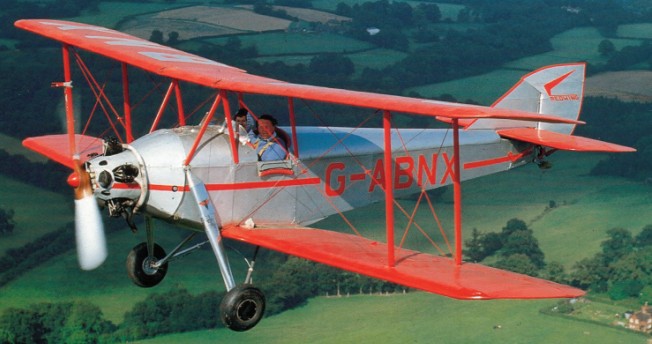
Robinson Aircraft Company produced the Redwing two-seat light biplane with an Armstrong Siddeley Genet engine.

Redwing Aircraft Redwing Article

Factory at Croydon, Surrey, was transferred to Colchester, Essex, in December 1930, and in April 1931 name was changed to Redwing Aircraft Ltd.

In June 1932 Redwing bought Gatwick Aerodrome and formed a school of flying and aeronautical engineering, and in 1934 company moved back to Croydon.

A total of 12 Redwings was built, last being delivered in 1933.

Robinson Redwing 1
Engine: Genet 5 cyl radial
Loaded weight: 520 lb
Endurance: 3 hr 30 min
Seats: 2 side-by-side

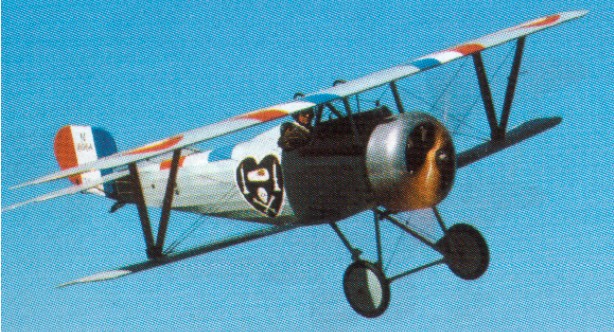
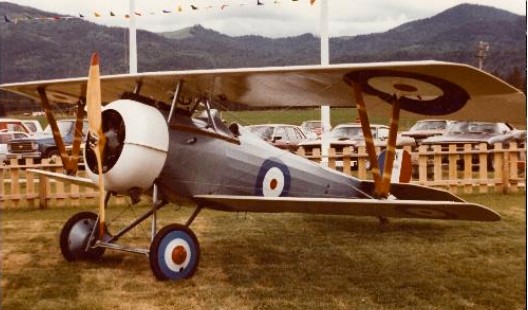
Redfern Nieuport 17

Nieuport 24Bis

This replica of the famous World War I Nieport 17 or 24 Bis is powered by a flat four-cylinder Warner engine in the 145- to 160-hp range. A single open cockpit is situated close under the trailing edge of the upper wing.

Engine: Warner, 145 hp
HP range: 145-180
Height: 7.7 ft
Length: 18.8 ft
Wing span: 26.9 ft
Wing area: 161.4 sq.ft
Fuel cap: 25 USG
Weight empty: 1004 lb
Gross: 1279 lb
Speed max: 120 mph
Cruise: 100 mph
Range: 250 sm
Stall: 45 mph
ROC: 1500 fpm
Take-off dist: 100 ft
Landing dist: 300 ft
Service ceiling: 15,000 ft
Seats: 1
Landing gear: tail wheel