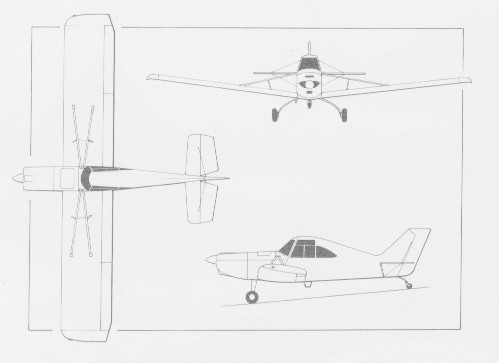
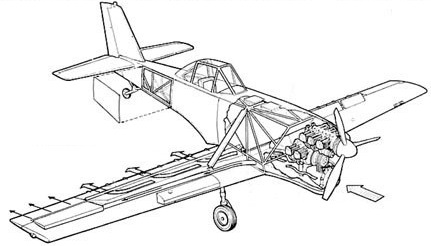
Manufactured by Aero Boreo and first flown in December 1972 was the single seat AB 260 AG, Lycoming O 540 powered “fumigacion” aircraft for ag work. Built as a spray aircraft, it features a 500 litre spray capacity.
Engine: Lycoming O-540, 260 hp Wingspan: 35 ft 9.25 in / 10.90 m Length, tail up: 24 ft 5.25 in / 7.45 m Empty weight: 1587 lb / 720 kg MTOW: 2976 lb / 1350 kg Ag tank capacity: 110 Imp.Gal / 500 lt / 1102 lb / 500 kg Max cruise SL: 109 kt / 125 mph / 201 kph Max ROC SL: 1345 fpm / 410 m/min Service ceiling: 21,000 ft / 6400 m Range max fuel: 377 nm / 435 miles / 700 km Seats: 1
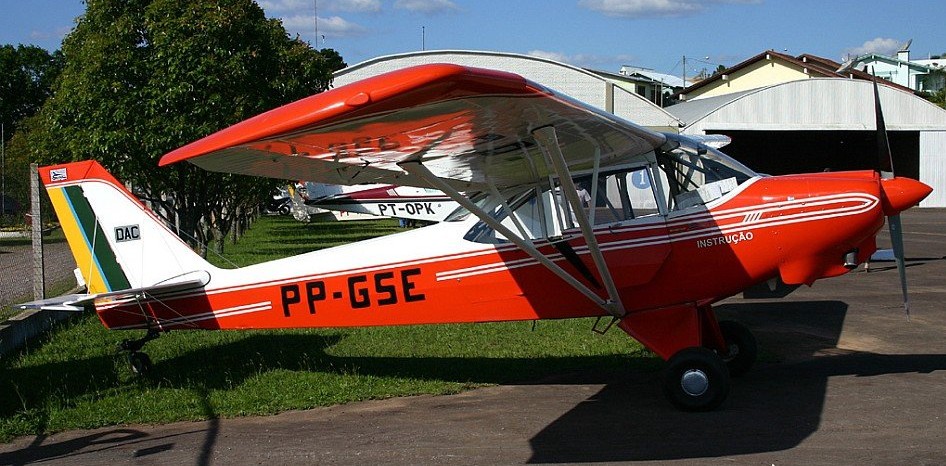
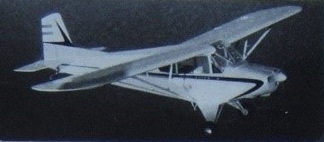
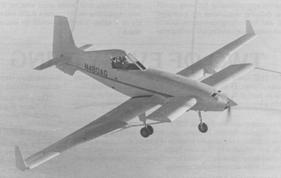
The 180 horsepower, 4 seat AB 180 (O 360 Lycoming) first flew on 12 March 1959 and is capable of a 131 mph cruise over a range of 733 miles. It was produced in the AB 180 AG agricultural, PSA military pre-selection and RVR glider-towing forms. An unorthodox variant of the most powerful of the Argentinian lightplane series is the 180SP, an Ag version, which has two additional lower wings.
AB 180 Condor
Variants:
AB 180 Initial 4 seat variant Engine: Lycoming O-360-A1A Wingspan: 35 ft 1 in / 10.70 m Also produced as 3 seater; wingspan 34 ft 2.25 in / 10.42 m
AB 180 RV 3 seat version first flown 1972 Recontoured fuselage, sweptback fin & rudder, extra fuel Engine: Lycoming O-360-A1A, 180 hp Wingspan: 35 ft 2 in / 10.72 m Length OA: 23 ft 10.25 in / 7.273 m Empty weight equipped: 1212 lb / 550 kg MTOW: 1860 lb / 844 kg Max cruise SL: 114 kt / 131 mph / 211 kph ROC SL: 1180 ft (360m) / min Service ceiling: 22,000 ft / 6700 m Range max fuel: 429 nm / 495 miles / 800 km Seats: 3
AB 180 RVR 3 seat version first flown 1972 Wingspan: 35 ft 2 in / 10.72 m Recontoured fuselage, sweptback fin & rudder, extra fuel Glider tow hook
AB 180 Condor High altitude version of AB 180 RV Modified wing tips Optional turbocharger Pilot & passenger or 220 lb / 100 kg under fuselage cargo pack
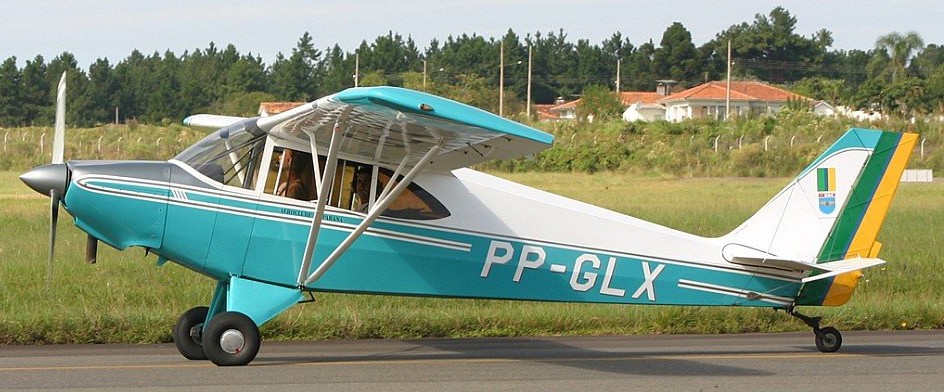
De¬signed and built by Aero Boero s.a. of Cordoba, Argentina, is the AB115, powered by a 115 hp Lycoming. Based on the three seat 95 hp Aero Boero 95, the 115 hp variant first flew ten years later in February 1973 with an Avco Lycoming O 235 and with alloy and reinforced plastic for engine cowls, flaps and ailerons. The AB115 by 1990 had a metal wing and fabric fuselage. The AB115 was in production in basic training and recreational form and as the AB 115/150 higher-powered version that can undertake agricultural work.
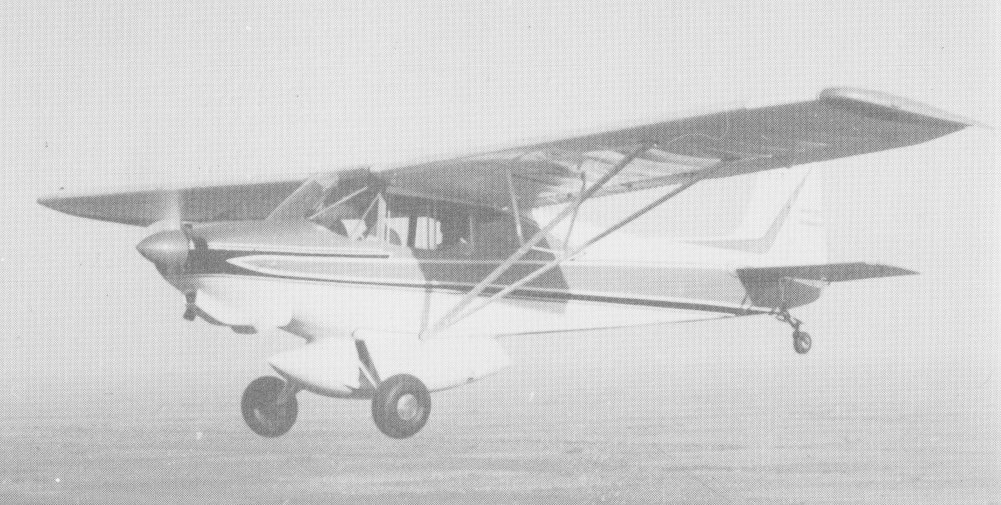
The Aero Boero 95 three-seater first flew on 12 March 1959 with a 95 hp Continental C-90-2F engine and production was initiated in 1961.
Versions built included the AB 95 Standard with a 71kW Continental C-90-8F flat-four engine. The AB 95A De Lujo with a 74.5kW Continental O-200-A engine entered production in 1963 and was to be manufactured under licence in Peru and Uruguay. The AB 95A Fumigador agricultural version with an O-200-A engine, a 55 Imp.Gal / 66 US Gal chemical tank and dusting or spraying equipment; AB 95B with a 112kW engine; and AB 95/115, which was similar to the AB 95B but with an 85.5kW Lycoming O-235-C2A engine, mainwheel fairings and a more streamlined cowling.
Aero Boero 115BS was a final production version of the Aero Boero 95 and 95/115 series. First flown in February 1973. Similar to the AB 95/115 but with a sweptback fin and rudder, increased wing span and greater fuel capacity, twenty-five were built. Production ended in 1976.
A further version of the basic design, the 95B with a 150 hp engine was under development.
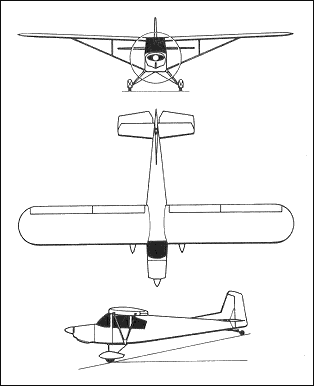
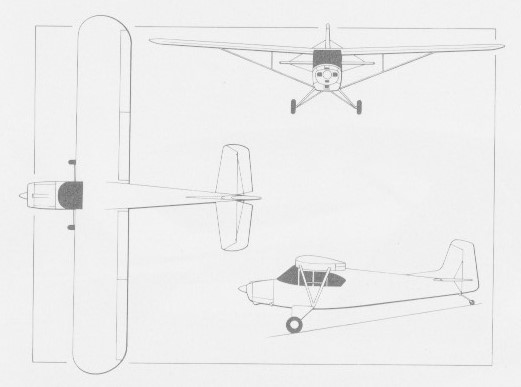
The Aero Boero 95 is of all-metal construction with fabric covering overall. It can be adapted for glider towing.
AB 95 Standard Initial 3 seat production version Engine: Continental C-90-12F, 95 hp Wingspan: 34 ft 2.25 in / 10.42 m Wing area: 176.1 sq.ft Length: 22 ft 7.5 in Height: 6 ft 10 in Empty weight: 882 lb Max loaded weight: 1543 lb Max speed: 127 mph Max cruise: 106 mph Econ cruise: 100 mph ROC: 1000 fpm Service ceiling: 17,000 ft Range: 600 miles
AB 95A De Lujo Engine: Continental O-200, 100 hp
AB 95A Fumigador Agricultural version of AB 95A
AB 95B Engine: 150 hp
AB 95 / 115 Similar to AB 95B Main wheel fairings, more streamlined cowling Engine: Lycoming O-235-C2A, 115 hp
Aero Boero 115BS Engine: 1 x Lyc. O-235-C2A, 85kW Take-off weight: 770 kg / 1698 lb Empty weight: 490 kg / 1080 lb Wingspan: 10.4 m / 34 ft 1 in Length: 6.9 m / 23 ft 8 in Height: 2.1 m / 7 ft 11 in Wing area: 16.4 sq.m / 176.53 sq ft Max. speed: 210 km/h / 130 mph Cruise speed: 190 km/h / 118 mph Ceiling: 5200 m / 17050 ft Range w/max.fuel: 900 km / 559 miles Crew: 1 Passengers: 2
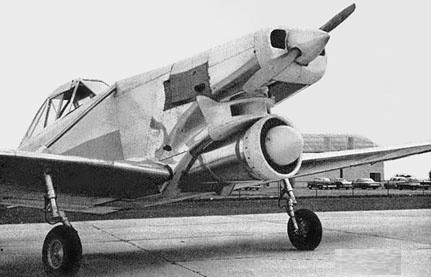
The 1965 Distributor Wing DW-1 was a single place agricultural aircraft with two stacked Lycomings; a 350hp IGO-540 for flight and a 108hp O-235 driving an axial-flow fan internally-mounted spray system.
First flown on 30 January 1965, the plane climbed at 350fpm at gross weight of 5,200 lb with just the O-540; the O-235 powered the spray system and provided thrust augmentation.
The Guide vanes in the wings increased flap effectiveness. Air flows into a hydraulically-run metering gate feeding material from the hopper, through wing ducts and out variable wing slots. The hopper was a drop-in unit, and fuel was in leading-edge tanks.
The ATAC Predator, billed as lifting a gallon of payload for each unit of horsepower, made its first flight from Mojave, California, in mid September 1985. Designed by Burt Rutan, the Predator has a 58.8 ft wingspan, an 80 cubic foot hopper, and an expected payload of 3200 plus pounds. The aircraft, built by the Advanced Technology Aircraft Company, has a composite structure.
The RA-17 was a special version for use as ag-plane with spraying equipment under the wings and the chemicals hopper in the fuselage, making it a single-seat aircraft. Only a prototype was built which was modified from the second RA-15/1, and the sole RA-17 made a first flight on June 2, 1949.
 All Aero