Otto Aviation

The company appears to be affiliated with Applied Physicist William M. Otto, who was also a key player at a firm called Otto Labs. Mr. Otto was previously the chief scientist for the B-1’s avionics system development program, and held many other positions at North American-Rockwell.

Otto retired from active participation in Otto Laboratories Inc., and assumed the presidency of Otto Aviation, managing the design and production of extremely low-drag aircraft.

The Vice President of Otto Labs, Ed Cababa, is also affiliated with Otto Aviation Group LLC. Cababa has a background working with Honda in vehicle handling and testing. A tax certificate lists both Otto and Cababa as owners of Otto Aviation Group LLC and that they “manufacture composite parts for a prototype aircraft.
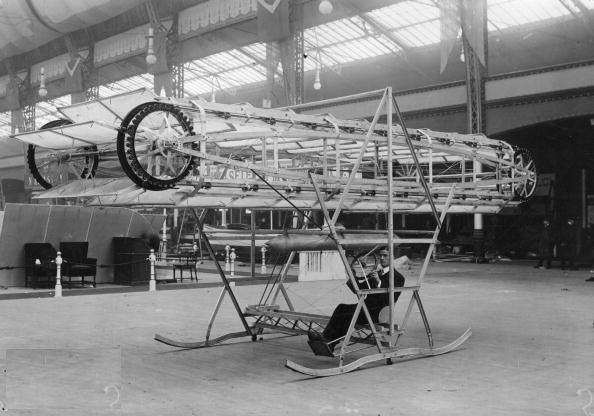
Ottino & Wyllie 1910 Direct Lift Device

“Aerostatic and Heavier-than-air Aeronautical machine” designed by engineer Giuseppe Pietro Ottino and George Algernon Wyllie. Although the two men patented their invention (filed in 1909) as No.6378 A.D. 1909, it is very likely Ottino invented and designed the machine while Wyllie, an English gentleman, furnished the funds for its construction. A model based on a rotary plane system, it was displayed at the Olympia Aero Show in London during March 1910.

Ottenbacher, Ernst

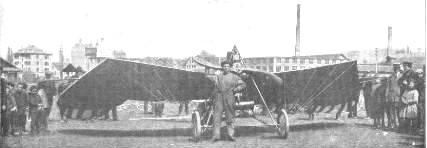
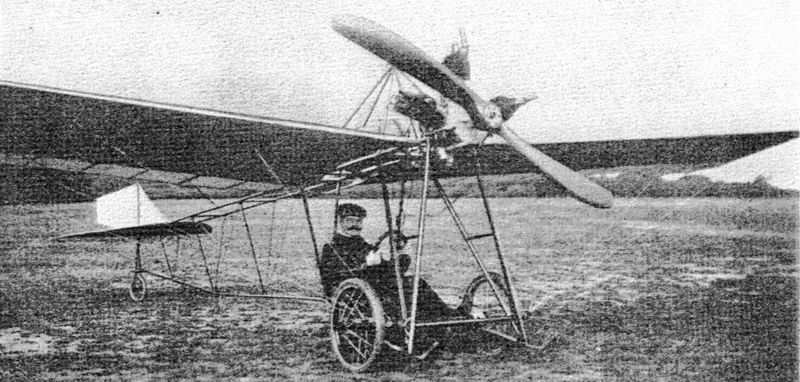
Ernst Ottenbacher (1884-1985) built his first (unsuccessful) monoplane in 1911, more or less a Blériot inspired machine. Later, he went to the Schulze flying school, where he got his flying licence (Nr. 336). He built then his second monoplane, a Schulze copy, and flew it at the Cannstadter Wasen.

Osrodek Konstruckcji Lotniczych

Poland
Formed 1957 by the Polish Minister of Heavy Industry, to take over all design activities formerly conducted by the Polish Aviation Institute. First design was the MD-12 four-engined feederliner/photo-survey aircraft, which flew in 1962. A developed version of Russian Yak-12, known as the PZL-101 Gawron (Rook), has been produced in quantity for agricultural and air-ambulance duties. Now superseded by the PZL-104 Wilga (Thrush), which is offered for agricultural, air-ambulance, transport, glider-tug and parachute roles, and has been widely exported. License production is under way in Indonesia. Deliveries of the TS-11 Iskra (Spark) two-seat aerobatic jet trainer to the Polish Air Force began in 1963.

Oslist Microgiro

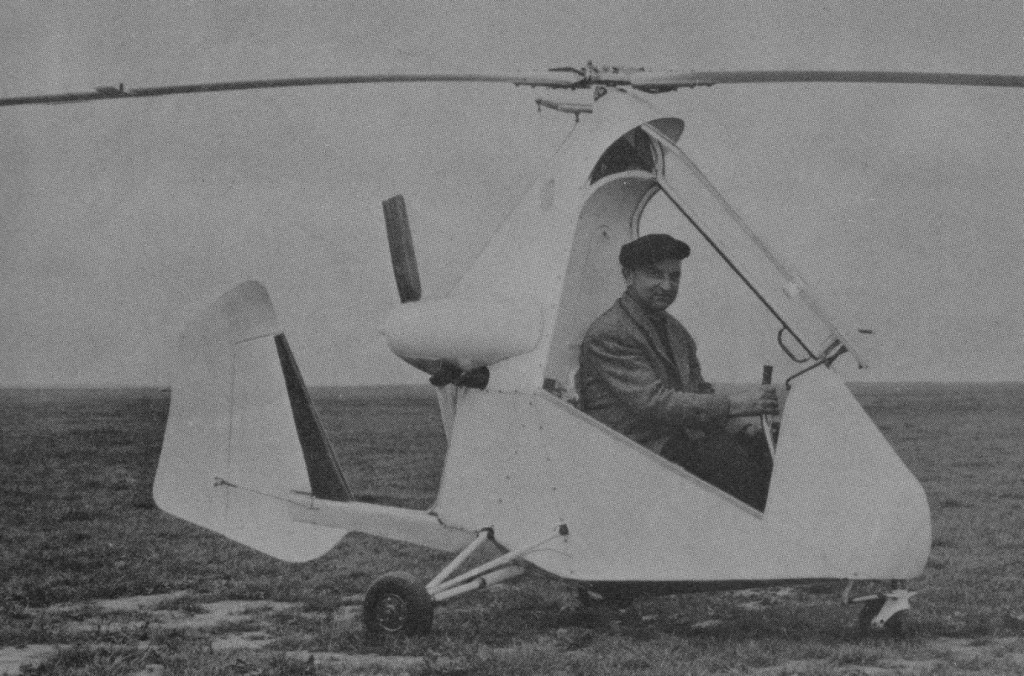
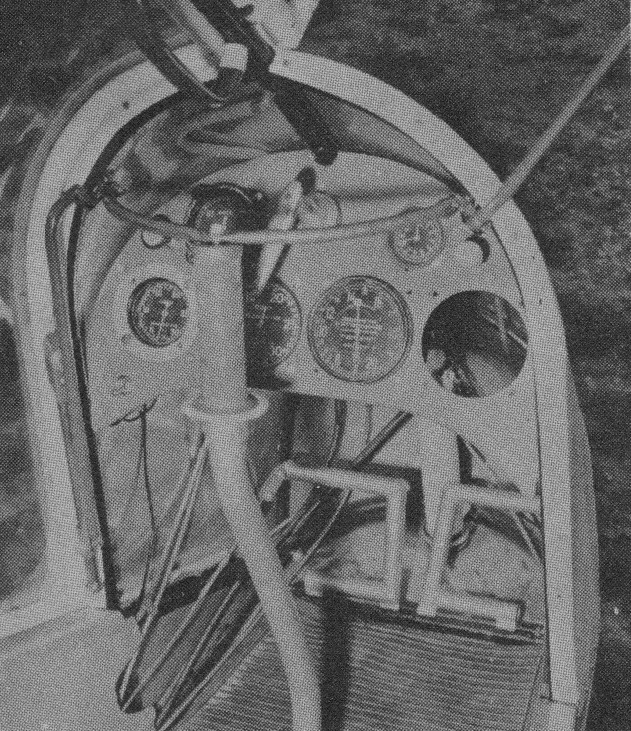
Francois Oslist designed and built a small autogiro, he called Microgiro, in 1964.

Rotor blades are formed from solid spruce, with an aluminium hub. The fuselage is steel tube with an aluminium skin. The tail is also tubular steel but with fabric cover.

Gallery

Engine: McCulloch, 72 hp
Rotor diameter: 20.6 ft
Rotor chord: 7.8 in
Fuselage length: 10.66 ft
Hieght: 6.3 ft
Landing gear tread: 54 in
Landing gear track: 65 in
Main wheel diameter: 9.5 in
Nosewheel diameter: 6 in
Empty weight: 330 lb
MTOW: 550 lb