Back to Potez 36


Back to Potez 36
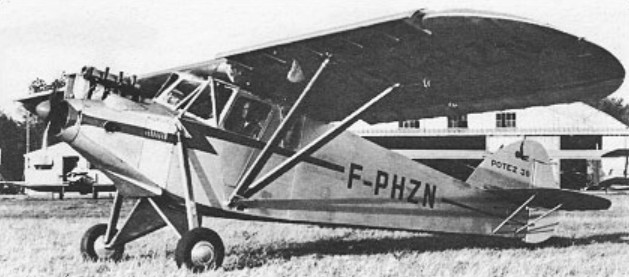
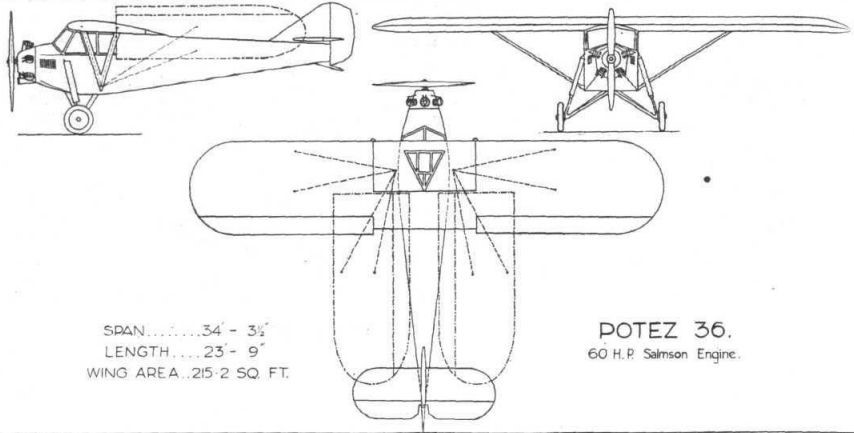
The Potez 36 was a French two-seat touring or sport high-wing braced monoplane designed by Coroller and Jarry and built by Potez at Meaulte, near Amiens in the Somme, and first flown in 1929. A braced high-wing monoplane, the Potez 36 had wide-track divided conventional landing gear, and its pilot and passenger were seated side-by-side in a fully enclosed cabin. Some of the aircraft had Potez-designed leading-edge slats produced a high safety factor, and its design also included folding wings, making it suitable for garage storage and easy to tow behind a car.
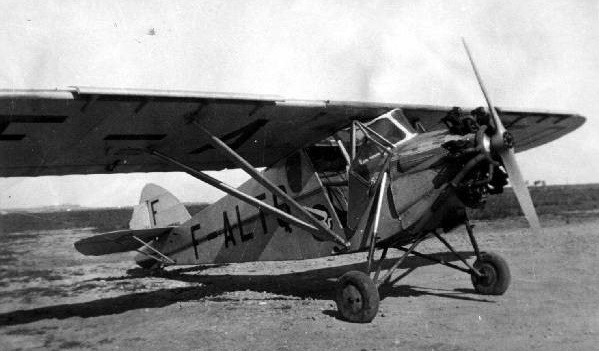
The first serial Potez 36/3 was released in 1929. There were six manufactured without slats and with the Salmson 5Ac 60 hp engine. This was followed by several production versions.
Potez 36s proved a great success and some 300 were built for private owners and clubs between 1929 and 1933. Some were used by I’Armee de I’Air as scout/ liaison aircraft during the 1930s.
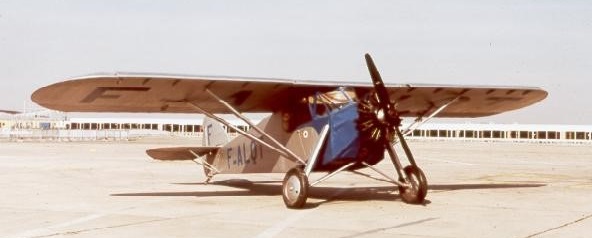
Variants:
Potez 36
Prototype of the series powered by a 45 kW (60 hp) Salmson 5Ac radial engine.
Potez36/1
production version powered by a 52 kW (70 hp) Renault 4Pa; two built.
Potez 36/3
Prototype followed by six production aircraft with no slats, powered by a 45 kW (60 hp) Salmson 5Ac radial engine.
Potez 36/5
Variant with no slats but powered by a 71 kW (95 hp) Salmson 7Ac engine; five built, the first flew in August 1929.
Potez 36/13
Production version of the 36/5 but fitted with leading-edge slats, 96 built, the first few in June 1931.
Potez 36/14
Variant with a 71 kW (95 hp) Renault 4Pb engine and leading-edge slate and wheel brakes, 103 built. The last copy is on display in the suspended Albert Station, near Amiens. (F-PHZN since 1957, ex. F-MMEA No. 3207 of 1933)
Potez 36/15
Variant with a 75 kW (100 hp) Potez 6AC engine, 18 built 1931-32.
Potez 36/17
Variant with a 78 kW (104 hp) Cirrus Hermes IIB engine, two built in September 1931.
Potez 36/19
Variant with a 75 kW (100 hp) Renault 4Pci engine, two built in 1932.
Potez 36/21
Production variant with a 75 kW (100 hp) Potez 6Ac engine and wheels with balloon tyres, 29 built from November 1932.
Specifications:
Potez 36/3
Engine: 1 x Salmson 5Ac radial, 45kW / 60 hp
Wingspan: 10.45 m / 34 ft 3 in
Wing area: 20.00 sq.m / 215.29 ft2
Length: 7.50 m / 24 ft 7 in
Height: 2.45 m / 8 ft 0 in
Empty weight: 427 kg / 941 lb
Max take-off weight: 650 kg / 1433 lb
Max. speed: 150 km/h / 93 mph
Ceiling: 3600 m / 11800 ft
Range: 500 km / 311 miles
Seats: 2
Potez 36/14
Engine: 95 hp Renault 4Pb
Wingspan: 33 ft 3 in
Wing area: 215 sq.ft
Length: 25 ft 2 in
Height: 8 ft 1 in
Empty weight: 994 lb
Loaded weight: 1676 lb
Max speed: 93 mph
Time to 3280 ft: 9 min 30 sec
Absolute ceiling: 13,120 ft
Range: 431 mi
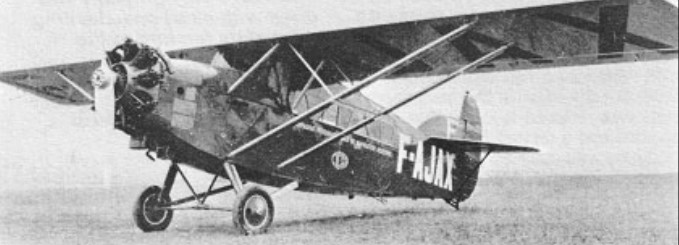
Derived from the Potez 29, the Potez 32 five-passenger transport or mail-plane retained the fuselage, tail unit and landing gear of its predecessor, but was a strut-braced high-wing monoplane. First flown in 1928, the prototype was followed by 54 production aircraft. An initial difference in comparison with the Potez 29 was the employment of a lower-powered, and thus cheaper and more economical, Salmson radial engine; later aircraft had the higher-powered Jupiter. The type was operated by CIDNA, Air Orient and Aeropostale, and 12 were exported to Canada.
The Potez 33 prototype, tested in March 1928, was a militarised version of the Potez 32 intended for liaison and observation, or as a trainer for pilots and observers. It had dual controls as standard, introduced large observation windows, and had a dorsal machine-gun position; light bombs could be carried.
Potez 33/2
Engine: 1 x Salmson 9Ab radial, 171kW
Max take-off weight: 1750 kg / 3858 lb
Loaded weight: 950 kg / 2094 lb
Wingspan: 14.50 m / 48 ft 7 in
Length: 10.15 m / 33 ft 4 in
Wing area: 35.0 sq.m / 376.74 sq ft
Max. speed: 190 km/h / 118 mph
Ceiling: 4500 m / 14750 ft
Range: 700 km / 435 miles
Armament: 1 x 7.7mm machine-gun
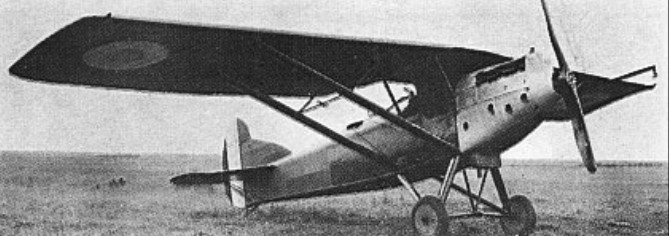
The Potez 31 was designed to meet the requirements of the 1925 C2 programme calling for a two-seat night fighter and diurnal reconnaissance-fighter. Not flown until 1929, and closely resembling the Potez 25M monoplane variant of the Potez 25 army co-operation biplane, the Potez 31 was a parasol monoplane of wooden construction with fabric covering. Embodying the facility developed for preceding types of accepting either Hispano- Suiza or Lorraine-Dietrich W-type water-cooled engines, the Potez 31 was tested with both the 500hp HS 12Mb and the 450hp L-D 12Eb. Armament consisted of two fixed forward-firing 7.7mm guns, two similar weapons on a flexible mount in the rear cockpit and a fifth gun firing through a hatch in the rear cockpit floor. Development of the Potez 31 was terminated with the discontinuation of the C2 programme.
Max take-off weight: 2130 kg / 4696 lb
Empty weight: 1270 kg / 2800 lb
Wingspan: 14.30 m / 47 ft 11 in
Length: 9.50 m / 31 ft 2 in
Height: 3.40 m / 11 ft 2 in
Wing area: 40.00 sq.m / 430.56 sq ft
Max. speed: 242 km/h / 150 mph
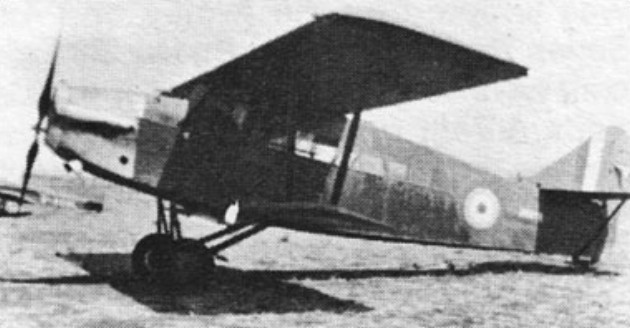
The prototype Potez 29, test-flown in 1927, was developed as a passenger-carrying version of the Potez 25. It had the same powerplant as the Potez 25 TOE and wings and landing gear of similar design, but introduced a new fuselage with an enclosed cockpit for the two-man crew and a cabin that seated five passengers as standard; the fuselage was deep and filled the entire gap between the upper and lower wings.
The Potez 29 was an immediate success and 29 entered service with civil air lines, principally the CIDNA company and the Yugoslav Aeroput; a number of variants appeared, differing mainly in their powerplant. A large number of the type went to the French Aeronautique Militaire.
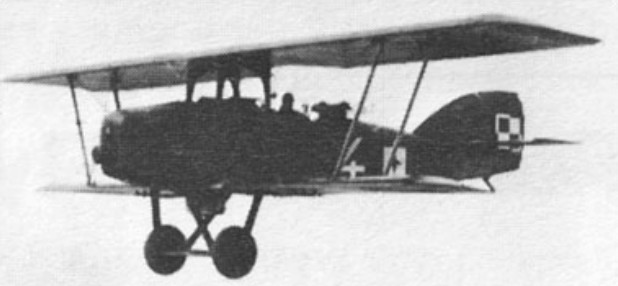
Representing an intermediate stage between the Potez XV and Potez 25, despite its later type number, the Potez XXVII appeared in 1924. It was a two-seat biplane in the A.2 observation category and combined the engine, fuselage, fin, rudder and cross-axle landing gear of the Potez XV with a tailplane, balanced elevator and unequal-span wings similar to those of the Potez 25.
The type was built for export only, Poland obtaining 20 machines in 1925 and subsequently building 155 under licence at the P.W.S. works; some were still serving as trainers in 1936. Romania also procured 30 Potez XXVII aircraft in 1926.
Engine: 1 x Lorraine 12Db, 298kW
Wingspan: 12.89 m / 42 ft 3 in
Max. speed: 212 km/h / 132 mph
Armament: 2 x 7.7mm machine-guns, up to 200kg of bombs
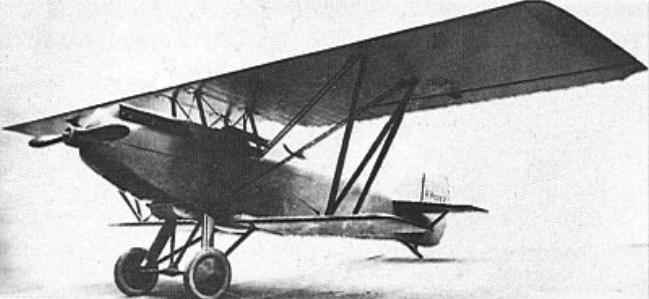
Essentially a single-seat fighter version of the Potez 25 two-seat army co-operation aircraft, the Potez 26 was, in fact, the first to fly, commencing its test programme in August 1924. A single-bay, staggered sesquiplane with a narrow-chord lower wing and inclined N-type interplane struts, the Potez 26 was of wooden construction with fabric covering, and was designed to accept either Lorraine-Dietrich or Hispano-Suiza engines. The sole prototype was powered by a 450hp Hispano-Suiza 12Ha water-cooled 12-cylinder engine and its armament consisted of two synchronised 7.7mm machine guns. No series production was undertaken.
Max take-off weight: 1550 kg / 3417 lb
Empty weight: 1100 kg / 2425 lb
Wingspan: 12.00 m / 39 ft 4 in
Length: 8.00 m / 26 ft 3 in
Height: 3.15 m / 10 ft 4 in
Wing area: 32.00 sq.m / 344.44 sq ft
Max. speed: 250 km/h / 155 mph
Back to Potez 25


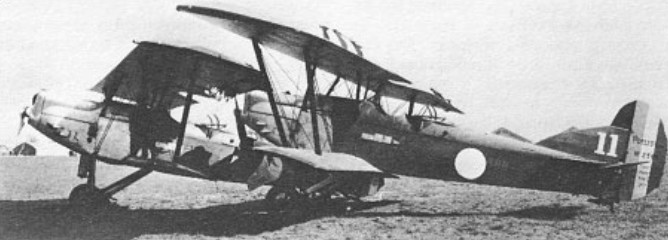
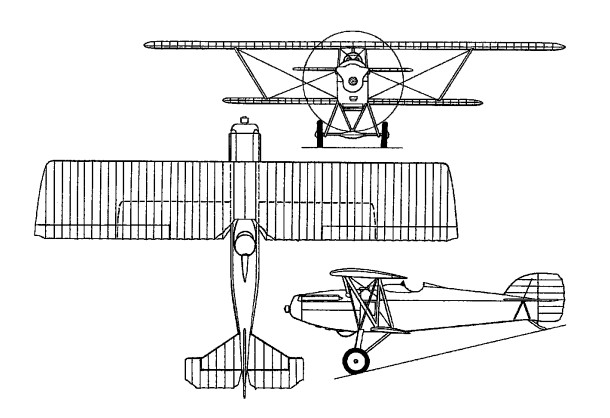
The Potez 25 was developed from the Potez 24 A.2-category prototype, which had been designed by Louis Coroller and flown in 1924. The refined Potez 25 prototype was built at the new Potez factory at Meaulte and flew for the first time in early 1925. An unequal-span biplane, the Potez 25 had an engine mounting capable of taking a wide variety of powerplants in the 298kW to 447kW range. The carefully contoured fuselage accommodated pilot and observer/gunner close together in tandem cockpits beneath a cut-out in the trailing edge of the upper wing centre section. The new cross-axle landing gear had specially designed Potez shock absorbers.
In all, 87 variants of the type were developed for military and civil use, and over 3,500 examples were built in France, most at the Potez factory.
Others under licence by A.N.F. Les Mureaux and Hanriot. Abroad, 300 Potez 25s were licence-built in Poland, 200 in Yugoslavia, 70 in Romania and 27 in Portugal. At the IAR Brasov plant, the production of 250 Potez XXVs, made of Canadian timber, was preceded by 30 Morane Saulnier MS.35 EP2s.
Other countries which used French-built aircraft included China, where the type was used against the Japanese; Paraguay, where it operated against the Bolivian air arm; Uruguay; Greece; Ethiopia, which flew a small number against the invading Italian troops in 1935; Switzerland, which retained the type in service until 1940; and Estonia. In addition test examples were sold to the Soviet Union and some dozen other countries. Many of the exported and licence-built Potez 25s were of the B.2 two-seat light bomber version.
Civil Potez 25s with Lorraine engines were used by Aeropostale and its assodated companies in South America for regular mail flights over the Andes, and also by the Caudron and Hanriot flying schools. The Compagnie Francaise d’Aviation used Salmson-powered Potez 25s for training.
During the late 1920’s, Poland built under license 300 Potez 25 as its primary bomber. In September 1939, the survivors were all devoted to training duties only.
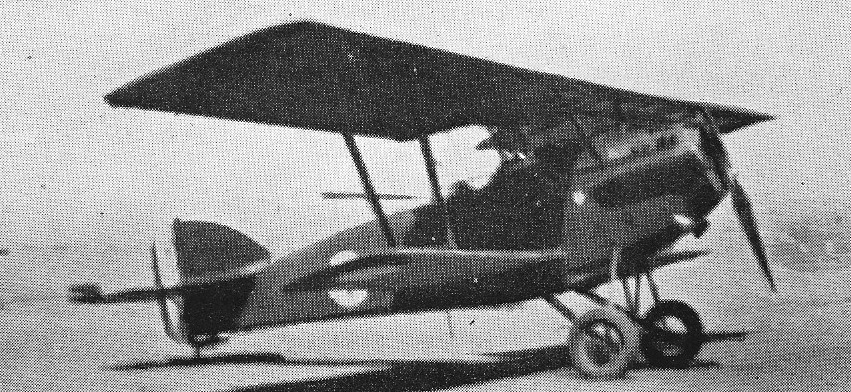
Potez 25 TOE
Engine: 1 x Lorraine 12Eb broad-arrow, 335kW
Max take-off weight: 2500 kg / 5512 lb
Loaded weight: 1510 kg / 3329 lb
Wingspan: 14.14 m / 46 ft 5 in
Length: 9.10 m / 30 ft 10 in
Height: 3.67 m / 12 ft 0 in
Wing area: 47.0 sq.m / 505.90 sq ft
Max. speed: 208 km/h / 129 mph
Ceiling: 5800 m / 19050 ft
Range: 1260 km / 783 miles
Armament: 3 x 7.7mm machine-guns, 200kg of bombs
L 25 A-2 Jupiter
Engine: Cosmos Bristol Jupiter 9b, 414 hp
Length: 29.528 ft / 9.0 m
Height: 11.647 ft / 3.55 m
Wingspan: 46.391 ft / 14.14 m
Wing area: 498.05 sq.ft / 46.27 sq.m
Max take off weight: 4187.3 lb / 1899.0 kg
Weight empty: 2423.3 lb / 1099.0 kg
Max. weight carried: 1764.0 lb / 800.0 kg
Max. speed: 116 kts / 215 km/h
Initial climb rate: 846.46 ft/min / 4.30 m/s
Service ceiling: 23622 ft / 7200 m
Wing loading: 8.41 lb/sq.ft / 41.0 kg/sq.m
Range: 270 nm / 500 km
Endurance: 3 h
Crew: 2
Armament: 2 x mg + bombs
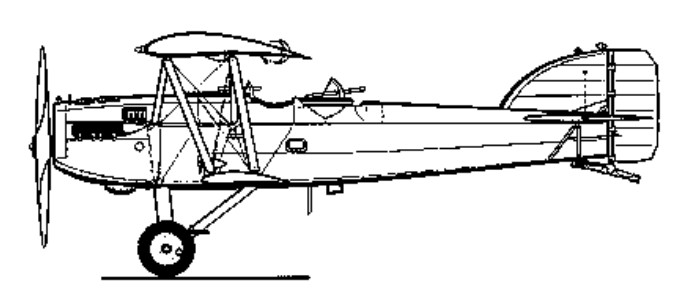
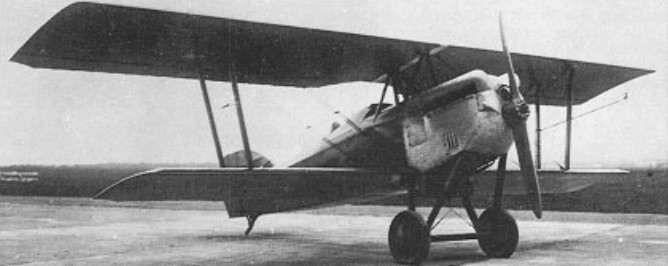
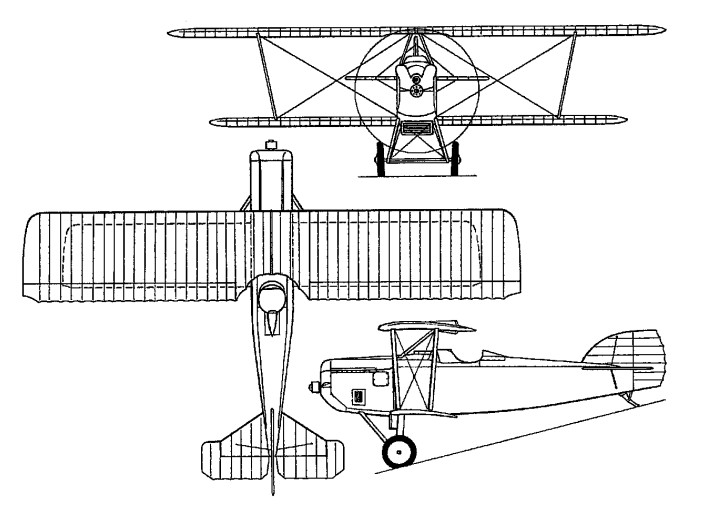
During 1923, the design team led by Louis Coroller initiated work on two fundamentally similar aircraft in parallel, the Potez 23 single-seat fighter and the Potez 24 two-seat army co-operation aircraft. Differing primarily dimensionally, these were fabric-covered unequal-span, single-bay biplanes of wooden construction, with provision for interchangeable Lorraine-Dietrich and Hispano-Suiza engines. Powered by a 400hp Lorraine-Dietrich 12Db water-cooled 12-cylinder engine, the Potez 23 carried an armament of two fixed forward-firing 7.7mm machine guns and was flown early in 1924. Whereas the Potez 24 provided a basis for the highly successful Potez 25, development of the Potez 23 was discontinued, only a single prototype being tested.
Max take-off weight: 1540 kg / 3395 lb
Empty weight: 1115 kg / 2458 lb
Wingspan: 10.50 m / 34 ft 5 in
Length: 7.60 m / 25 ft 11 in
Height: 3.12 m / 10 ft 3 in
Wing area: 32.00 sq.m / 344.44 sq ft
Max. speed: 225 km/h / 140 mph