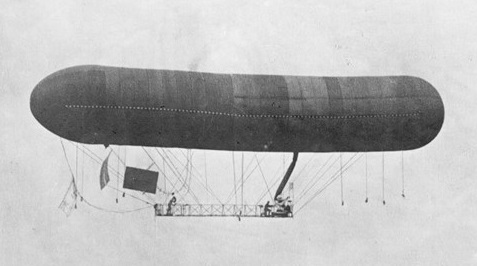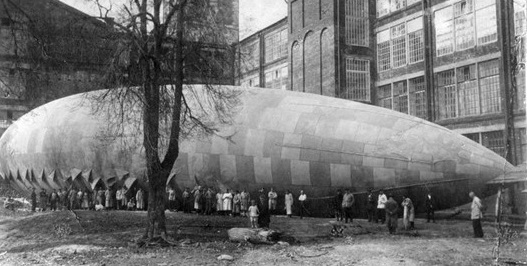
Russian Empire airship Moscow chemist rezinschik / MHR

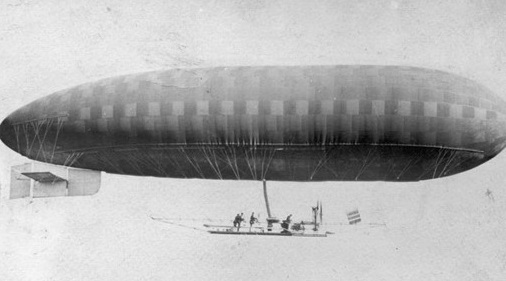
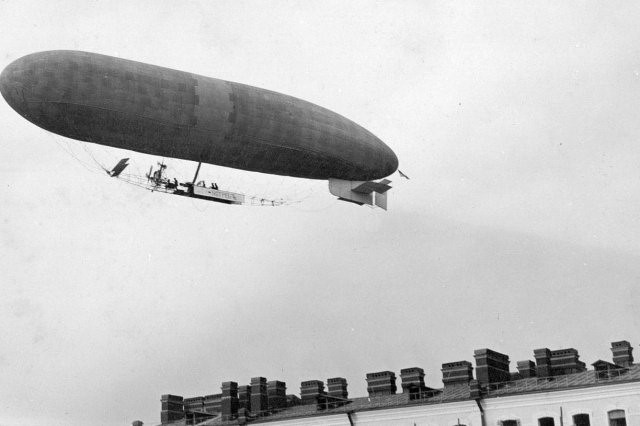
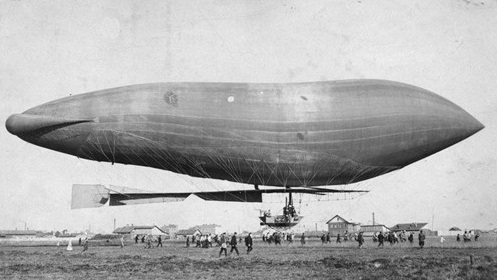
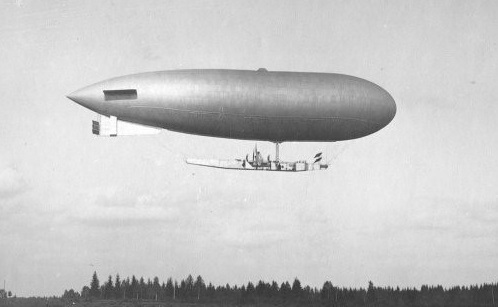
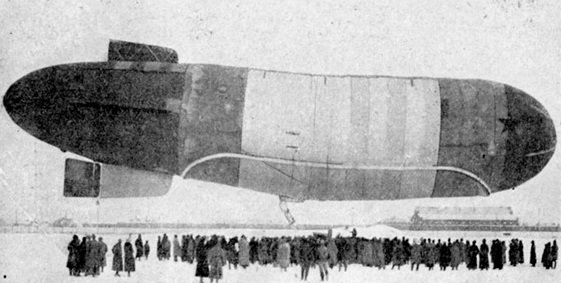
In the autumn of 1924 Vozduhsektsiyu Osoaviahima USSR completed the construction of another Myagenko airship named “Moscow chemist rezinschik” (MHR) under N. Fomin. It was made by voluntary contributions of chemical industry workers in and around Moscow.

The first flight of the airship was made On June 16, 1925, under the control of VL Nizhevskogo, in the air for 2 hours 5 minutes.

Flying from Leningrad to Moscow, it was mistakingly shot down by guards of a military factory in Tver.
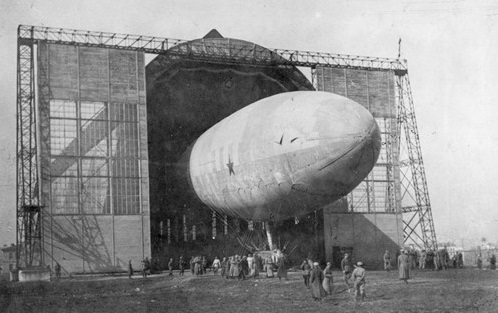
Moskovsky Khimik-rezinschik airship, Gatchina, the Leningrad Region, 1928.

After its reconstruction, it had another crash and was disassembled.

This airship was operated until 1928, upgraded a couple of times and rebuilt. In total “Moscow chemist rezinschik” made 21 flights totaling 43 hours and 29 minutes.

Engine: 77 kW
Envelope volume: 2,458 cu.m
Length: 45.4 m
Width: 10.3 m
Maximum speed: 62 km / h
Payload: 900 kg
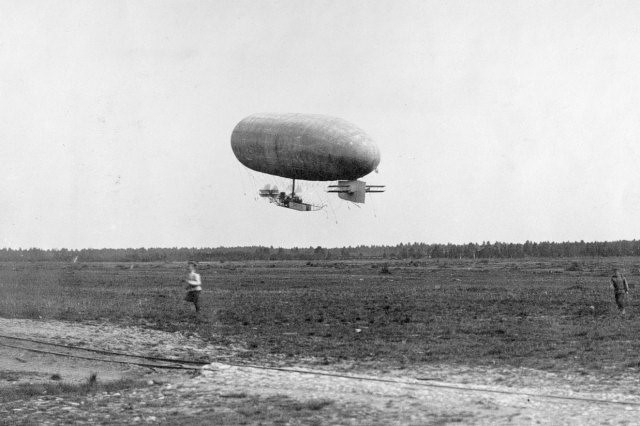
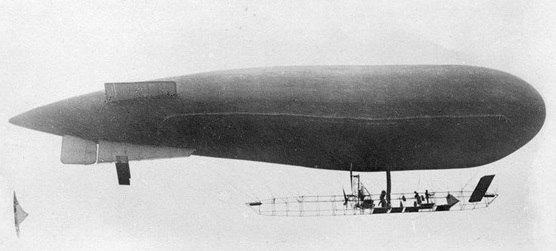
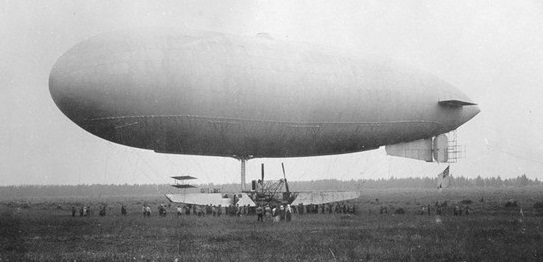
Russian Empire airship Hawk / Yastreb

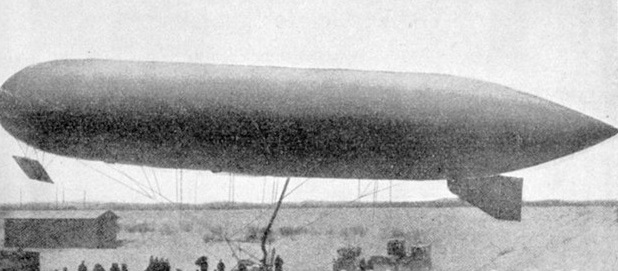
The dirigible “Hawk” (“Yastreb”), designed by A.I. Shabskiy, was constructed in Russia in 1910 in Moscow by “Dooks” Ltd.

At some point there were alterations. Differences include no annular insert in the shell, and a slightly different design of the stabilizer.

Before WW1 in Russia there were 3 small non-rigid dirigible including the 1910 Jastreb (Hawk). These ships had arms, but were out-of-date. Their ceiling and speed did not meet the requirements, for a military dirigible. They were used for training.

Volume: 2,700 cu.m
Length: 46 m
Width: 10 m
Max speed: 47 km/h
Engine: 1 x 63 hp

Russian Empire airship Giant / Gigant

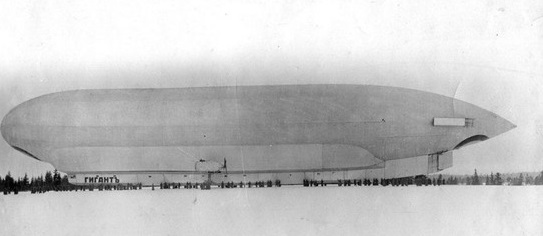
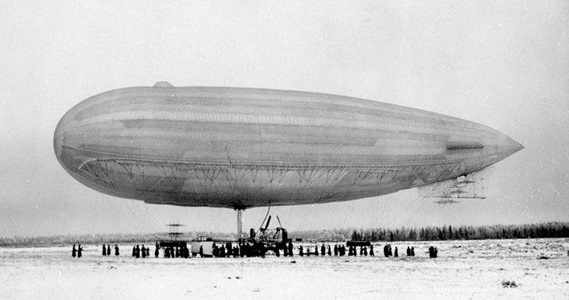
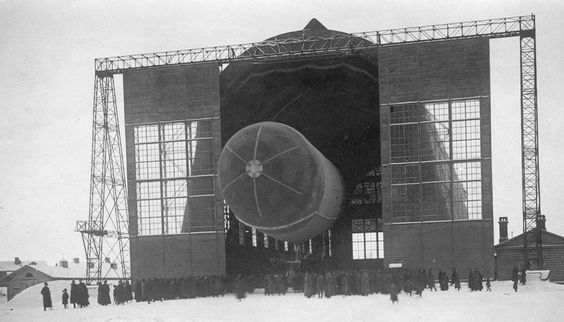
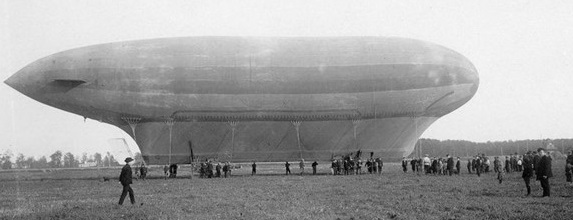
The Gigant was built by engineers A.Kovanko and A.Shabskogo at the Russo-Baltic Wagon Works, Salizi, south-east of St.Petersburg, between 1912 and 1915. It was of 724,060 cu.ft capacity, measuring 374 ft long with a 56 ft diameter, giving a gross lift of 21 tons and a useful lift of 8.8 tons. As originally designed, power was four 215 hp Austro-Daimler eight-cylinder petrol engines, later reduced to two such units mounted in streamlined nacelles positioned amidships above the keel.

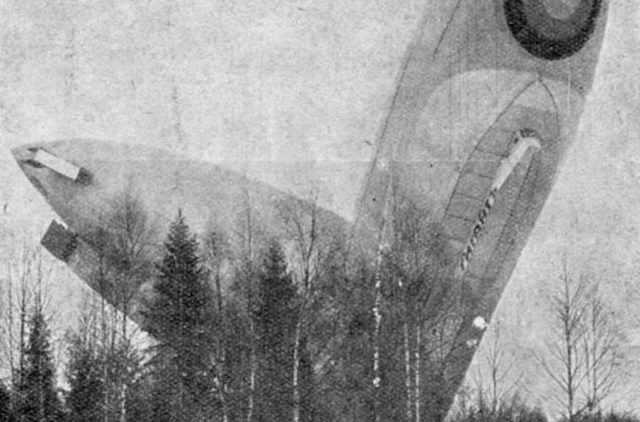
On the first flight, in February 1915, shortly after take-off at low altitude, the airship dipped in the middle, causing the propeller to cut one of the cable braces. The airship, breaking in half, fell to the ground. The crew was not injured.

The cause of the accident was because of the loads imposed by rearranging the engine cars.

The airship was rebuilt, but due to the lack of hydrogen, it was not filled and was scrapped in late 1916.

Engines: 4 x 212 hp
Volume: 20,500 cu.m
Length: 114 m
Diameter: 17 m
Max speed: 58 km / h

Russian Empire airship Albatross

Albatross

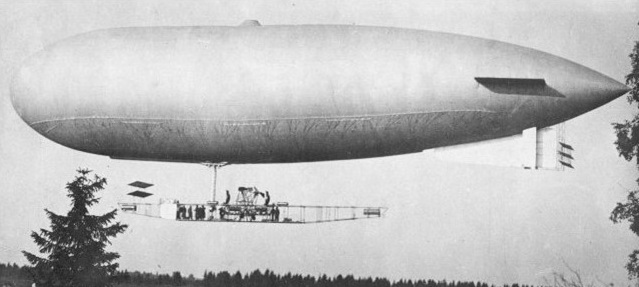
The airship “Albatross” was built on Izhorskij in 1912.

Albatross-II

After one test flight in the hangar the “Albatross” burst. The dirigible was reassembled in Petersburg, Russia in 1913 and changed to the non-rigid “Albatross-II”.

Albatross-II

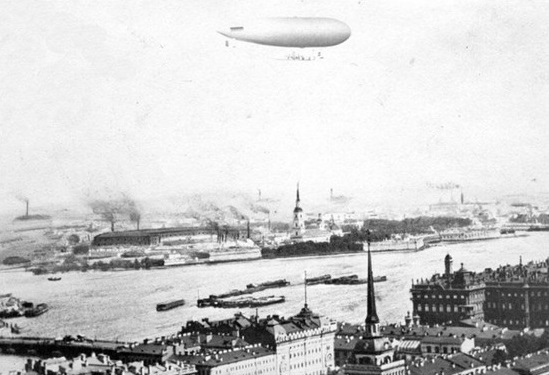
During the First World War the Albatross II made seven bombing patrols but the missions were never completed either because of low clouds, fog, or other reasons.

“Albatross-2” over Petrograd

When flying on October 13, 1914, the Albatross II got into a thick fog with a strong wind, and walking at low altitude, flew into a tree and crashed. The crew were not injured.

Albatros
Envelope volume: 10000 cu.m
Endurance: 20 hr

Albatross II
Engines: 2 x 158 hp
Length: 77 m
Width: 15 m
Envelope volume: 9600 cu.m
Maximum speed: 68 km / h

Russian Empire airship VI Oktyabr

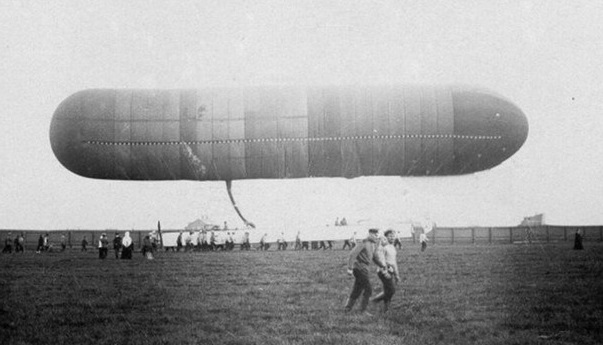
Designed by General Nobile, the second Russian airship was “VI October”, which was built of makeshift materials in 1923 by students of higher forces aeronautical school located in St. Petersburg. The envelope of 1,700 cubic meters was sewn from old tethered balloons. The total length of the airship was 39.2 m and width 8,2 m. The engine was 77 kW.

The first flight of the airship was on November 27, 1923, lasting for about 30 minutes. A second flight, on 29 November lasted 1 hour and 20 minutes and reached a height of 900 meters. After that flying was stopped because of the very high gas permeability of the membrane.

Russian Empire airship Forsman

The airship “Forsman” was purchased in Sweden by order of the Russian military. This airship was the smallest in the world. Planned acquisition was for a series of small airships for the intelligence service in the Russian army.

It is unclear if the airship was delivered in Russia. Due to the small volume of the airship there was no gondola, but a board for the pilot’s seat and mechanics. The 28 hp motor weight was 38 kg.

Engine: 28 hp
Length: 36 m
Width: 6 m
Envelope volume: 800 cu.m
Maximum speed: 43 kph

Russian Empire airship Training / Uchebnyi

Built in 1908 in Russia the very first Russian airship titled “Training.” The shell was made from two old “Parseval” airships.

This machine was a test board for airship design and operation. “Training” had a solid rate of climb, overtaking the characteristics of the “Zeppelin” and very often used for training crews.

The non-rigid airship was demolished in 1909 due to the dilapidated shell.

Length: 60 m
Width: 6.55 m
Envelope volume: 1200 cu.m (later 1500 cu.m)
Maximum speed: 21 km / h
Engine: 1 x 16 hp (later 25 hp)