Back to Sopwith Tabloid
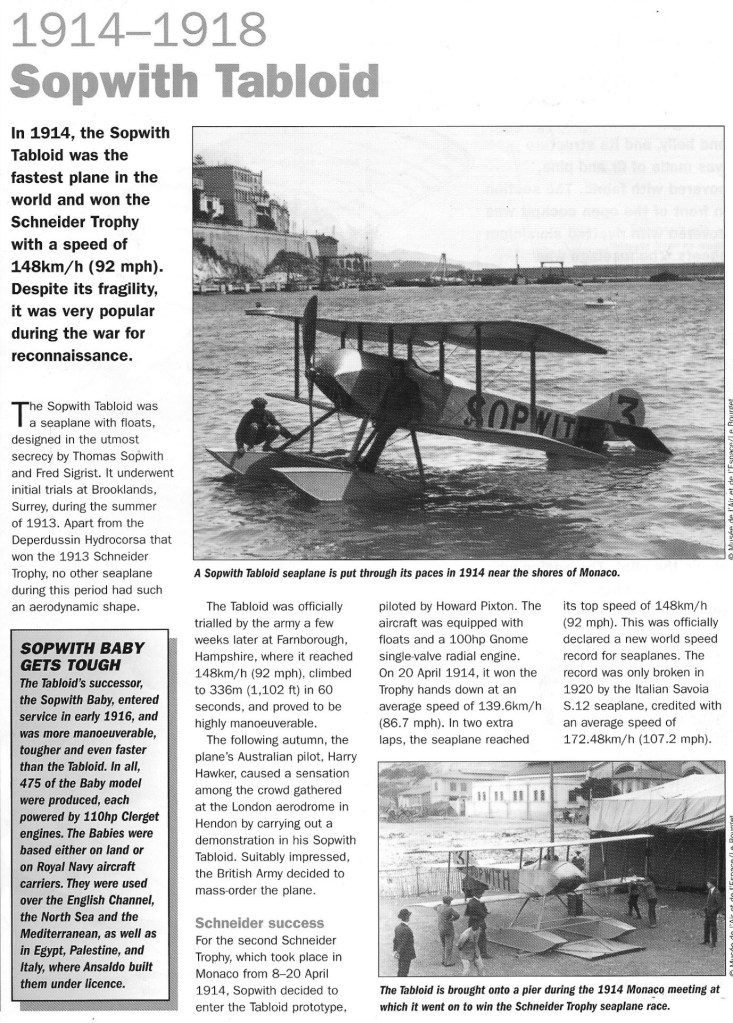
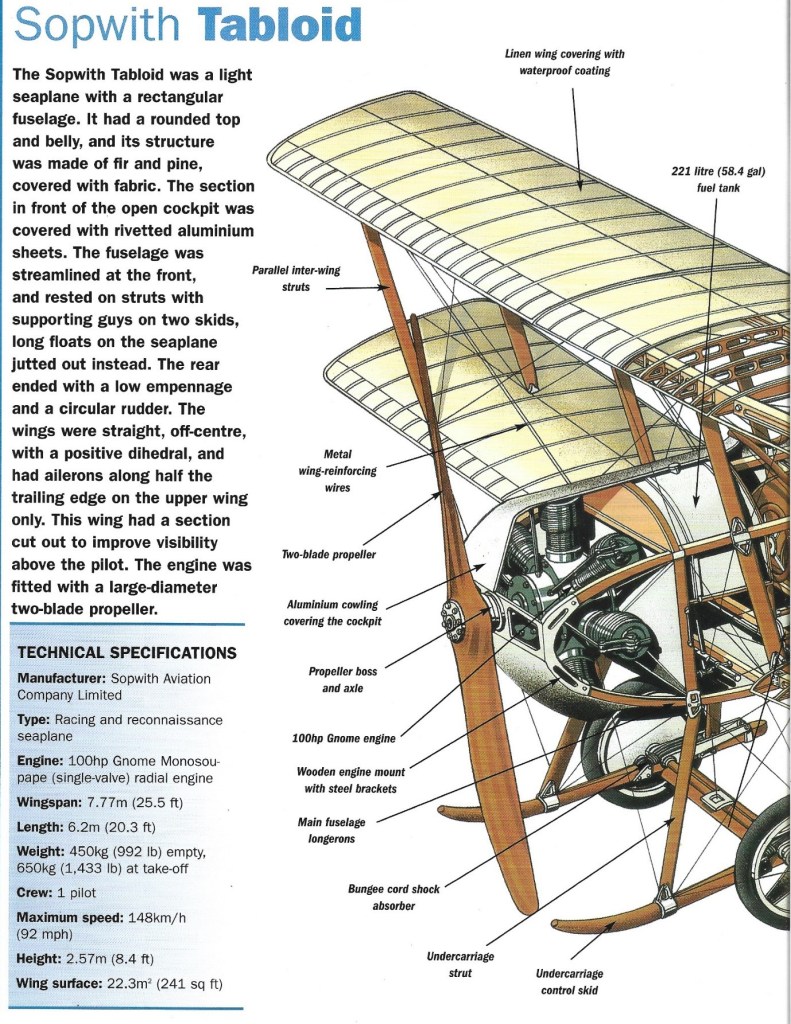
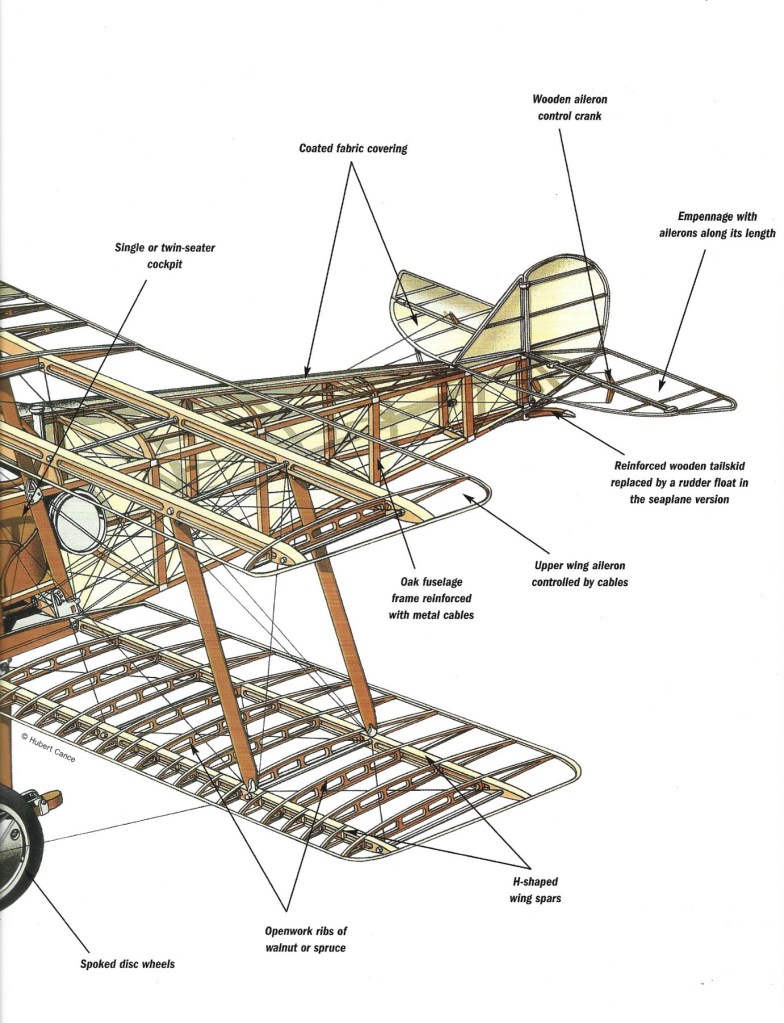
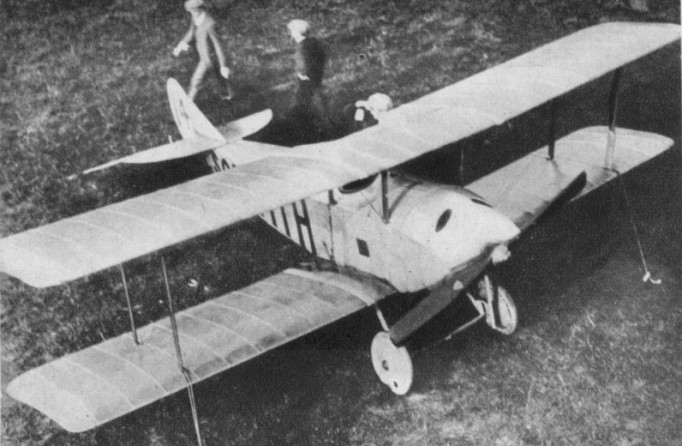
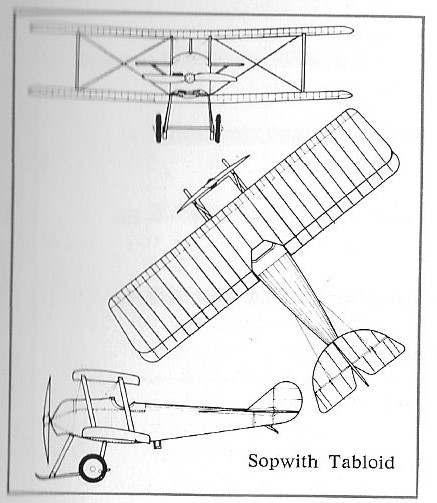
The Sopwith Aviation Company Tabloid was originally designed as sports aircraft and was first flown by Harry Hawker on 27 November 1913. It was a two-seater single-bay biplane with a side-by-side seating configuration. It was powered by a Gnôme rotary and had warping wings for lateral control.
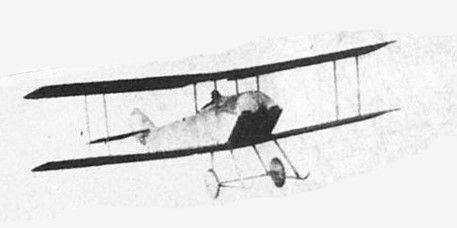
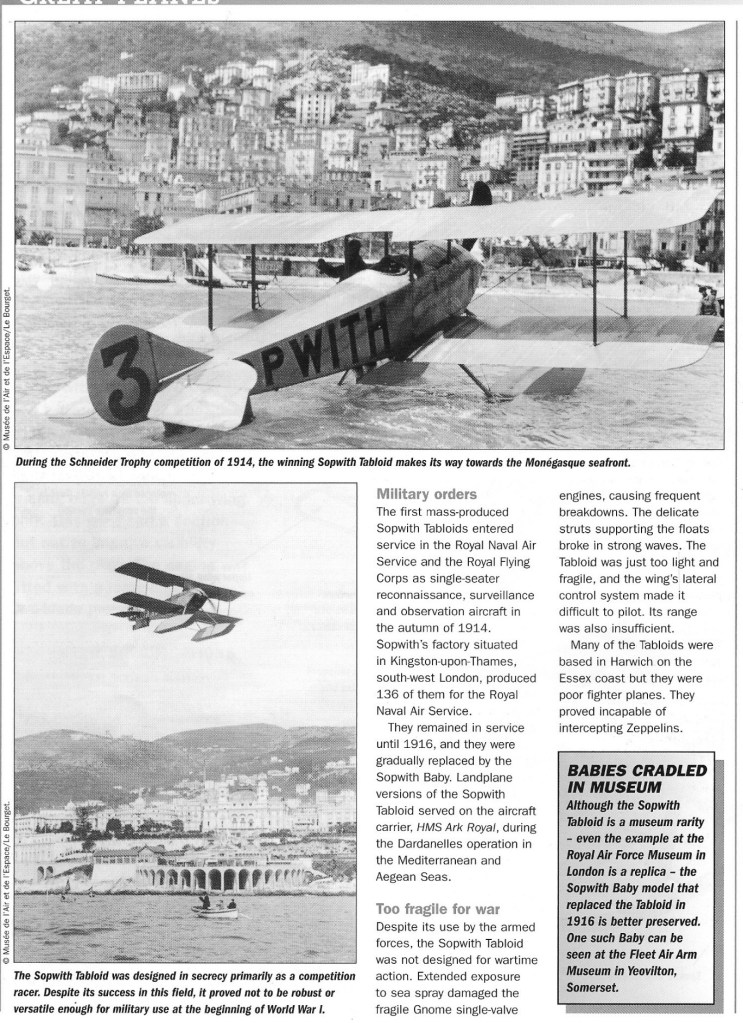
A single-seat Tabloid was quickly mounted on floats and entered in the 1914 Schneider Trophy in Monaco – which it handily won giving Britain her first victory in the annual contest piloted by Howard Pixton, at the same time setting a world seaplane speed record at 92 mph. It’s turn of speed so demoralised the other dozen or so entries from 6 countries that only one other even bothered to take off. The performance was so convincing that the British military ordered many of these aircraft, which was developed into the Sopwith Schneider. It therefore became the first single-seat scout anywhere to go into production for military use.
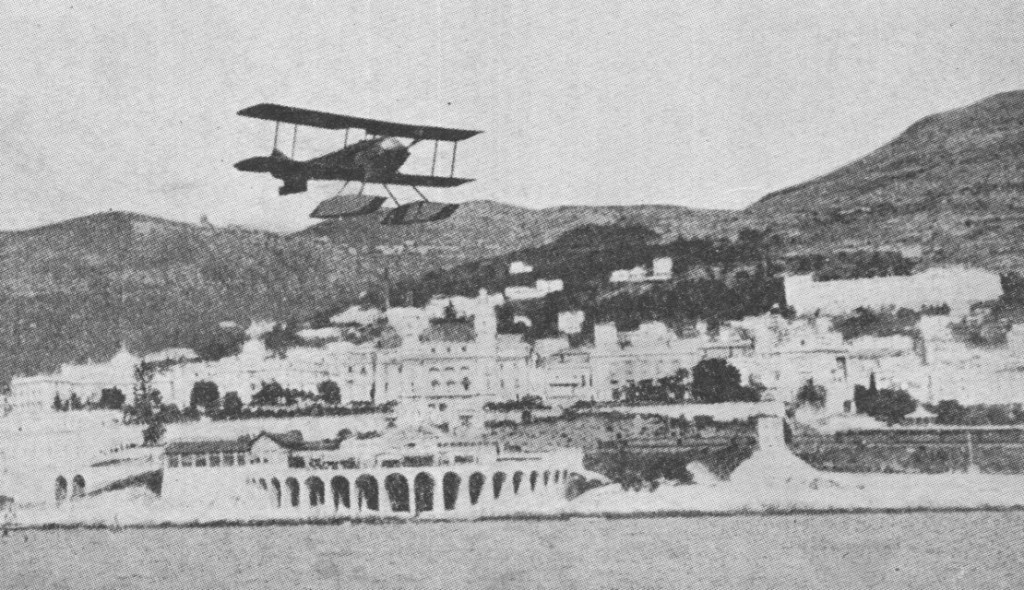
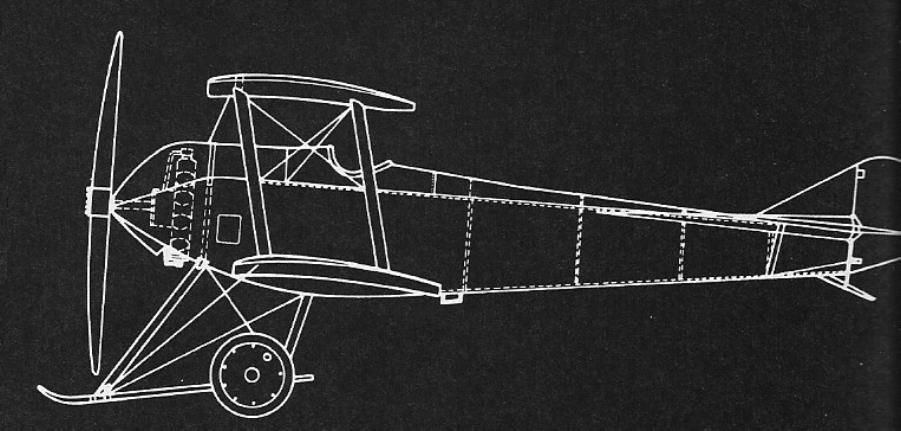
A single-bay biplane, the two-spar wooden wings and wooden fuselage are fabric covered. Wing warping rather than ailerons was used, and conventional tail surfaces were fitted. Two skids were normally fitted forward of the wheels.
Some aircraft were fitted experimentally with a Lewis machine gun above the wing centre section or on the side of the fuselage, with steel plates on the airscrew blades to deflect bullets. A few 20 lb bombs could be carried.
The Tabloid was ordered by both the Royal Flying Corps and Royal Naval Air Service; the latter using it for some of the earliest strategic bombing attacks against Germany. Thirty-six Tabloid were delivered for the RNAS and RFC between October 1914 and June 1915. When the 1914 18 War started, Tabloids went to Belgium with a squadron of the RNAS.
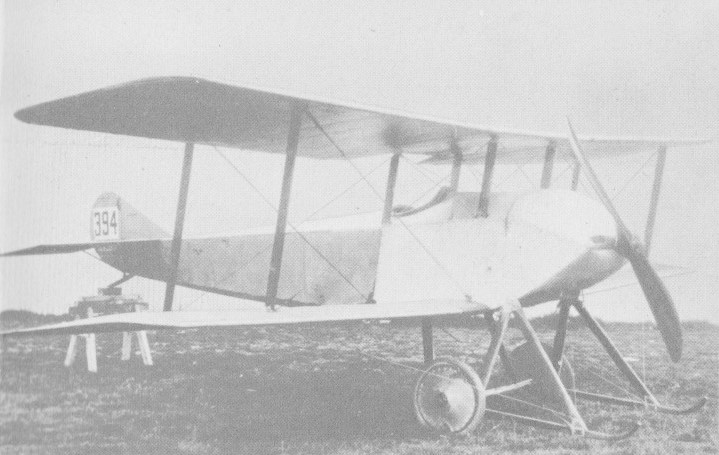
The Royal Naval Air Service used their Tabloids in early bombing attacks against the airship sheds at Cologne and Dusseldorf in an attempt to deny the Germans the use of operating bases close to the North Sea. The first raid took place on 22 September 1914 and although not a success was the first ever air raid on Germany. The second raid was much more successful. In one raid F1t. Lt. R.L.G.Marix destroyed an airship shed at Dusseldorf with his 20 lb bombs, complete with the secret Zeppelin Z.1X inside.
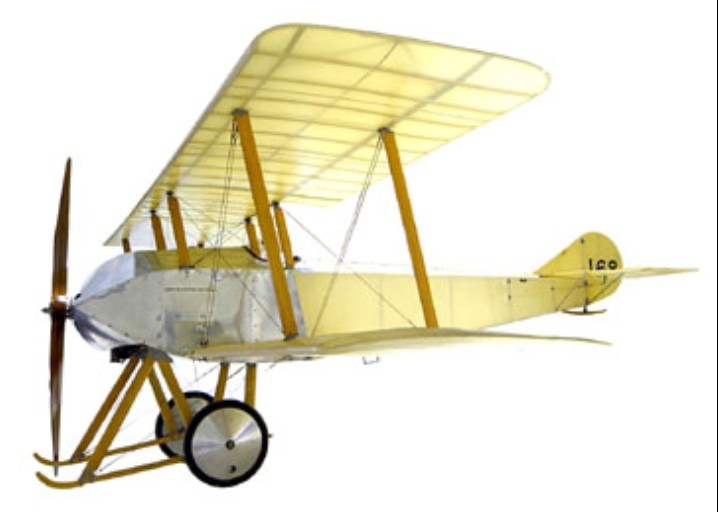
Royal Flying Corps Tabloids were used for scouting duties and were involved in some of the earliest experiments in arming aircraft. From February 1915 a number of Tabloids were fitted with Lewis machine-guns. Although it was one of the first aircraft to have a machine gun fitted to fire through the propeller arc it was only after the Tabloid had been withdrawn from operational service in the spring of 1915 that a successful interrupter gear was developed.
Replica ultralight:
Circa Reproductions Sopwith Tabloid / Baby
Engine: Gnome Monosoupape, 80 hp / 75kW
Span: 25 ft. 6 in / 7.76 m
Length: 20 ft. 4 in / 6.1 m
Height: 8 ft. 5 in / 2.56 m
Wing chord: 5 ft. 11 in
Wing area: 241.3 sq. ft / 22.3 sq.m
Weight empty: 730 lb
Loaded weight: 1120 lb
ROC: 1200 fpm
Endurance: 2.5 hr
Max speed: 80 kt / 92 mph / 148km/h
Landing speed: 32 kt / 59 km/h
Seats: 2
Engine: Gnome, 100 hp
Wingspan: 25 ft 6 in / 7.77 m
Length: 20 ft 4 in / 6.20 m
Height: 8 ft 5 in / 2.57 m
Weight: 1120 lb / 508 kg
Max speed: 92 mph / 148 kph
Ceiling: 15,000 ft / 4572 m
Endurance: 3.30 hrs
Armament: 1 x mg
Crew: 1
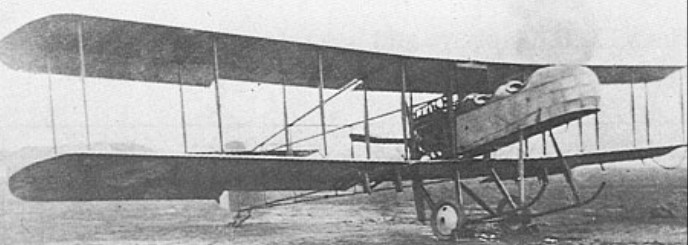
The Gun Bus was essentially a landplane derivative of the S.P.Gn (Sopwith Pusher, gun. The Gun Bus, intended for the fighting role, carried a 7.7mm machine gun on a flexible mount in the forward cockpit and was powered by a 100hp Gnome Monosoupape rotary engine. A more powerful version, with a 150hp Sunbeam eight-cylinder water-cooled engine, was developed specifically for the RNAS, this having a redesigned nacelle and a revised undercarriage. Six of the Sunbeam-powered Gun Buses were built for the RNAS by Sopwith, a further 30 being ordered for the service from Robey & Company, these last being intended for bombing (and possibly anti-submarine) duties as distinct from fighting. The pilot was moved forward to the front cockpit, a bombing panel being let into the floor and four bomb carriers being fitted beneath the lower wing.
Wingspan: 15.24 m /50 ft 0 in
Length: 9.90 m / 33 ft 6 in
Height: 3.45 m / 11 ft 4 in
Wing area: 44.03 sq.m / 473.93 sq ft
Max. speed: 129 km/h / 80 mph
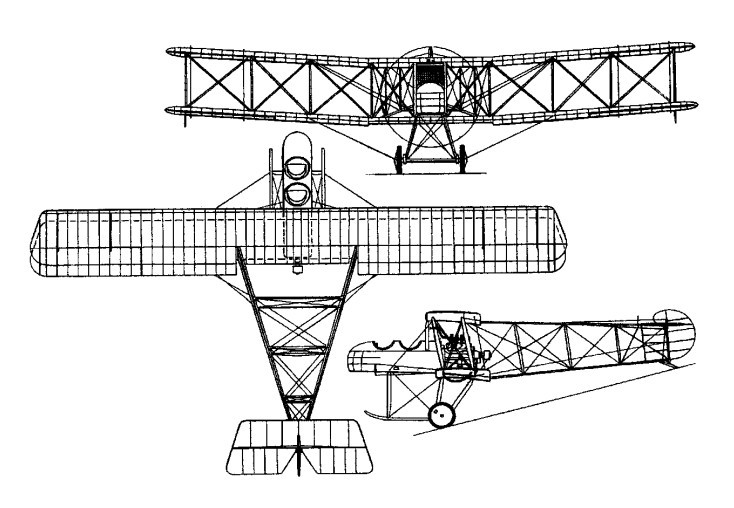
The Sopwith Pusher, gun, was a gun-carrying two-seat pusher biplane with twin floats. Six of these floatplanes were ordered from the recently-founded Sopwith Aviation Company by the Greek government in March 1914, but immediately commandeered by the Admiralty when war was declared in August that year, subsequently serving with the RNAS.
The Gun Bus was a land based version.
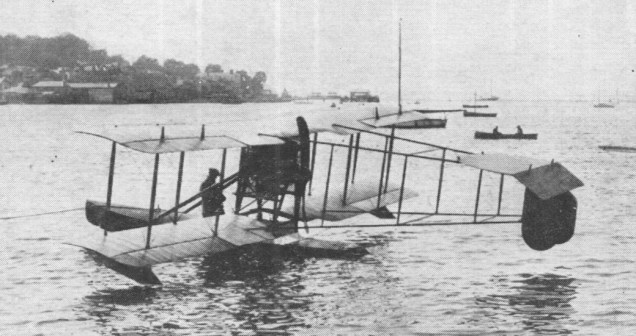
The first amphibian built in Europe circa 1913. A reconnaissance flying boat.
One Bat Boat and two Three-seaters were bought by Winston Churchill for the Naval Wing of the RFC.
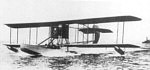
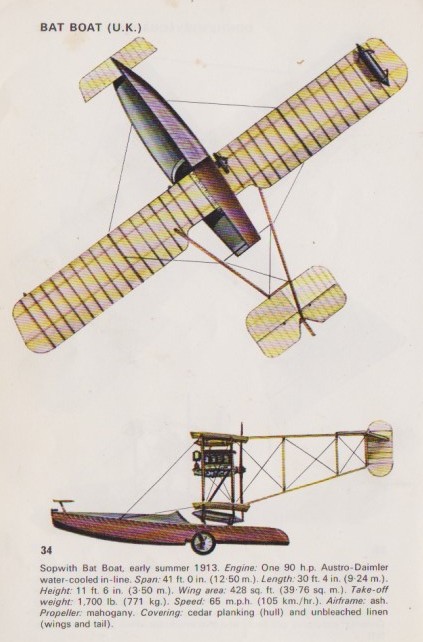
1913 Bat Boats Type 1 BB1
Span: 41′
Length: 30’4″
Weight: 1540 lb allup
Speed: 60-65 mph
Bat Boat Type 1 BB2 and BB3 amphibian
Span: 41′
Length: 32′
dihedral 3 deg
Sopwith Bat Boat II
Engine: Salmson, 197 hp
Length: 35.302 ft / 10.76 m
Height: 11.909 ft / 3.63 m
Wingspan: 54.987 ft / 16.76 m
Wing area: 599.985 sqft / 55.74 sq.m
Max take off weight: 3184.0 lb / 1444.0 kg
Weight empty: 2302.0 lb / 1044.0 kg
Max. weight carried: 882.0 lbs / 400.0 kg
Max. speed: 61 kts / 113 km/h
Wing loading: 5.33 lbs/sq.ft / 26.00 kg/sq.m
Crew: 2
The Sopwith Aviation Company Ltd in Kingston-on-Thames was founded in a shed at Brooklands in 1912 by Tommy, Thomas Octave Murdoch Sopwith.
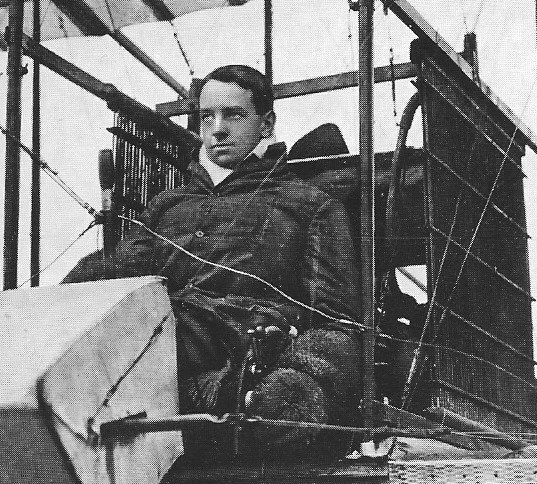
Sopwith rebuilt early aircraft before First World War, began development of own types and formed important associations with F. Sigrist (engineer and largely responsible for future success) and H. G. Hawker (pilot). Company registered March 1914.
Bat Boat of 1913 was notable flying-boat and Tabloid landplane of same year gained renown as floatplane by winning 1914 Schneider Trophy. Wartime developments were Schneider and Baby floatplanes.
Became world famous for fighter aircraft, built in great numbers by many companies, though first landplane fighter built in great numbers was two-seat 1 1/2-Strutter. Pup was smaller single-seater. Triplane of 1916 excelled in climb. Two-gun Camel, in service 1917, excelled in maneuverability; shipboard version had detachable rear fuselage. Cuckoo of 1917 was world’s first deck-landing torpedo-bomber. Snipe was intended to succeed Camel late in war, and remained in RAF service until 1926: Salamander was similar but armored for ground attack.
With an output of 90 ships a week at Kingston alone, due for commercial reasons this company had to end its activities in 1920 and the busi¬ness had to liquidate.
Sopwith wanted to stay in aviation and couldn’t start a company with the same name. So he called the new company the Hawker Engineering Company, with a capital of 20,000 pounds.
Amongst the early birds, Ewart Jones later went on to become manufacturers as Sophistikites.
Built by John A Sons in 1929, the Sons Trainer was built with “parts purchased from local dealer.” A two-place open cockpit monoplane was registered NC3044 c/n S-8772. The registration was cancelled on 5 September 1930.
Wingspan: 34’6″
Length: 22’6″
Seats: 2
Humble TX.
USA
Built the Sons Trainer in 1929.
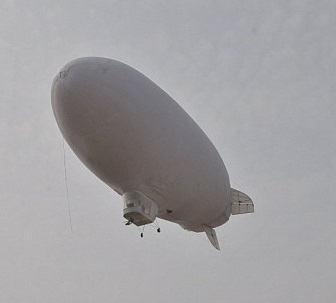
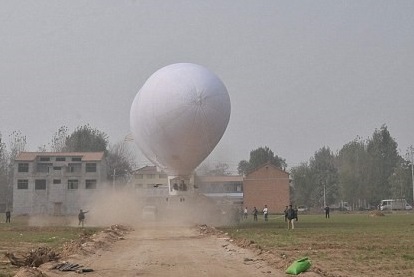
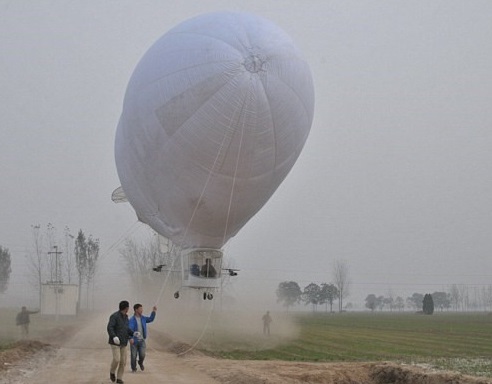
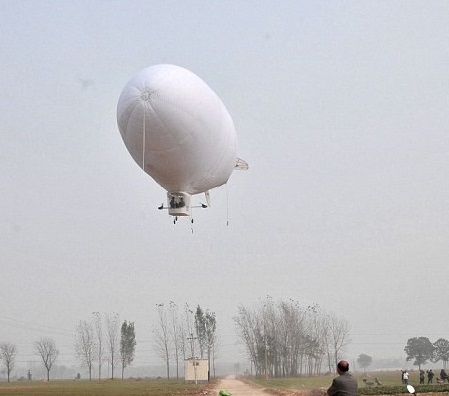
Shi Songbo from Ningling, central China, spent 300,000 Yuan (£30,000) on the Zeppelin, which successfully completed a two-hour test flight near his home in October 2015.
Although his family have been farmers for several generations, his brother attended the Aeronautical Engineering Institute in Xi’an, central China.
As a result of his studies, Shi’s brother always brought home aeronautical engineering magazines and reading material, which got Shi interested in the techniques involved in building an aircraft.
Eventually, Shi would go on to work for an aerial model company as a designer, which gave him greater understanding of the composition of a plane.
In June 2015, Shi was let go from his job, which prompted him to start building his ‘Songbo’ Zeppelin. Shi Songbo spent four months building a Zeppelin. The Zeppelin is about 33 feet tall and 75 feet long. The top portion is composed of a hydrogen-filled airbag while the bottom is made up of the seat and controls.
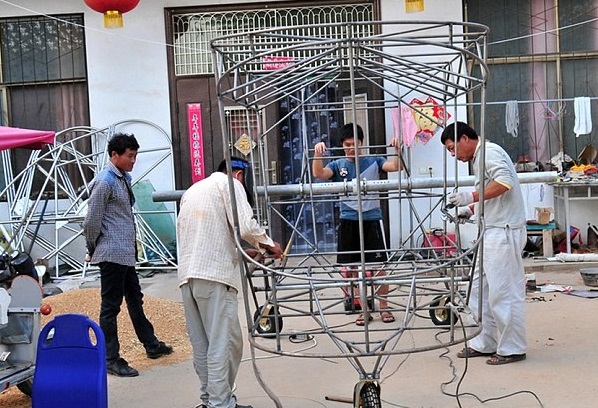
Shi spent around four months and 300,000 Yuan (£30,000) on the Zeppelin, with many of the components imported from Germany and the USA.
Shi Songbo conducted his first official flight on October 25 2015 in a field near his home under the direction of friend Shang Jianjun, who acted as a dispatcher.
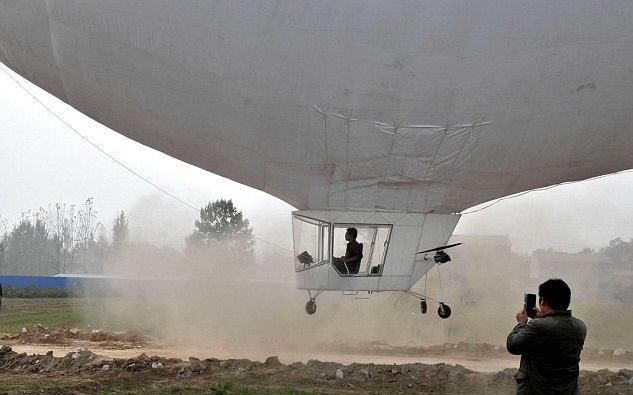
Along with his co-pilot Li Kai, the inventor made several different maneuvers and successfully took off and landed eight times over the space of two hours split between the morning and afternoon. Speaking of his first aerial experience, Shi said: ‘There were lots of low-hanging electricity cables.” ‘Because I was worried about bumping into the cables, everything had to be under the direction of the dispatcher.’ He added, ‘My co-pilot was my eyes and ears. He helped to monitor my surroundings.’
It is able to travel just over 30 miles per hour at 1,640 feet above the ground while carrying two people.
The Zeppelin prototype will need additional testing but Shi hoped that it could be used to distribute pesticide, aerial surveying or tourism in the future.