Spartan G-3

Early in 1927 Spartan G-3 three-seat open-cockpit biplane was built by Mid-Continent Aircraft Company.

Designed by Willis Brown, the prototype first had a 100hp LeRhône rotary, later changed to a 125hp Ryan-Siemens.

Engine: 125hp Ryan-Siemens
Wingspan: 32’0″
Length: 23’6″
Useful load: 800 lb
Max speed: 115 mph
Cruse: 93 mph
Stall: 37 mph
Range: 600 mph
Seats: 3

Spartan Aircraft Co

1927: Mid-Continent Aircraft Co, Tulsa OK.
Early in 1927 Spartan G-3 three-seat open-cockpit biplane was built by Mid-Continent Aircraft Company.

Mid-Continent was reorganized as Spartan Aircraft Co in 1928 at Tulsa, Oklahoma.

Built C-3 with Ryan-Siemens engine. Continued to build biplanes but by 1931 was producing series of 4/5-seat cabin monoplanes; also low-wing side-by-side 2-seaters, further developed as C2-60. Spartan Executive 4/5-seat all-metal monoplane of 1936 converted in 1938 to Zeus 2-seat military type; a few of which supplied to China and Mexico. In 1940 U.S. Navy ordered 201 Spartan NP-1 biplane trainers for new Naval Reserve schools.

In 1945 production switched from airplanes to house trailers.

1968: Spartan interests sold to Automation Industries Inc.

1972: Company purchased by National Systems Corp.

1994: Spartan School still active.
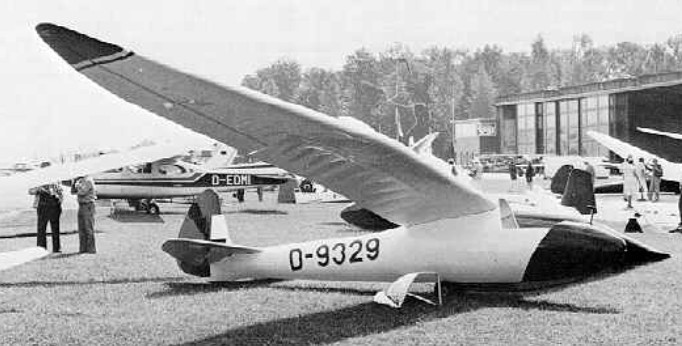
Spalenger S-18 III

Designed by Jakob Spalinger. No. Built: 55

Spalinger S-18 III
Wing span: 14.3 m
Wing area: 14.16 sq.m
Aspect ratio: 14.44
Airfoil: go 535
Empty Weight: 158 kg
Gross Weight: 243 kg
Wing Load: 16.8 kg/sq.m
L/DMax: 24 71 kph
MinSink: 0.68 m/s 57 kph
Seats: 1

Spainhour 1912 monoplane

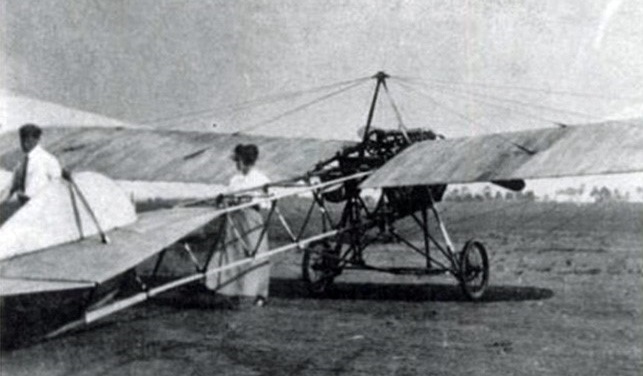
The monoplane of James S. Spainhour, of Pittsburgh, PA, had an unusual device for securing lateral control. The wings did not warp, or only very slightly. They were fixed to the fuselage by a floating bridge, and the angle of incidence of the whole of each wing could be altered by the movement of a pedal, one for each plane. When the angle of incidence of both the wings is increased the machine pitched up. The machine weighed 497 pounds, had a triangular fuselage and a span of 34 feet 5 inches. It was powered by a 40 hp four-cylinder Kowalsky engine, which had a self-starting crank. Spainhour made several short flights near Pittsburgh on a six-acre field, and moved to Mineola, Long Island, to get more room.

It apparently reached 1000′ high at speed of 50 mph

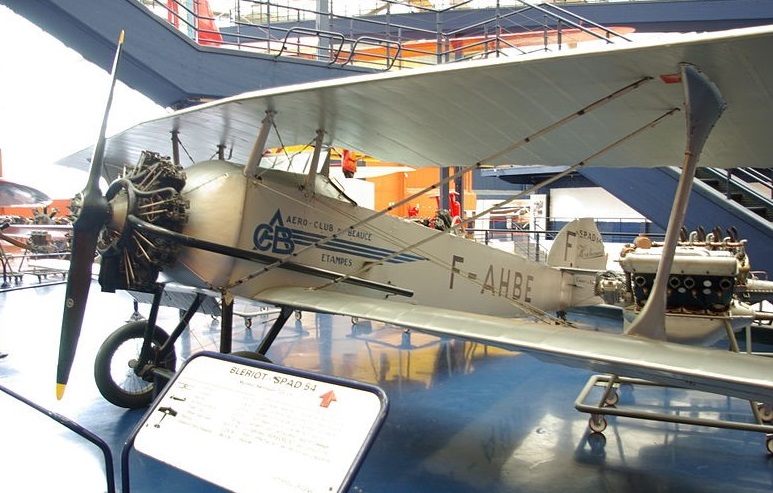
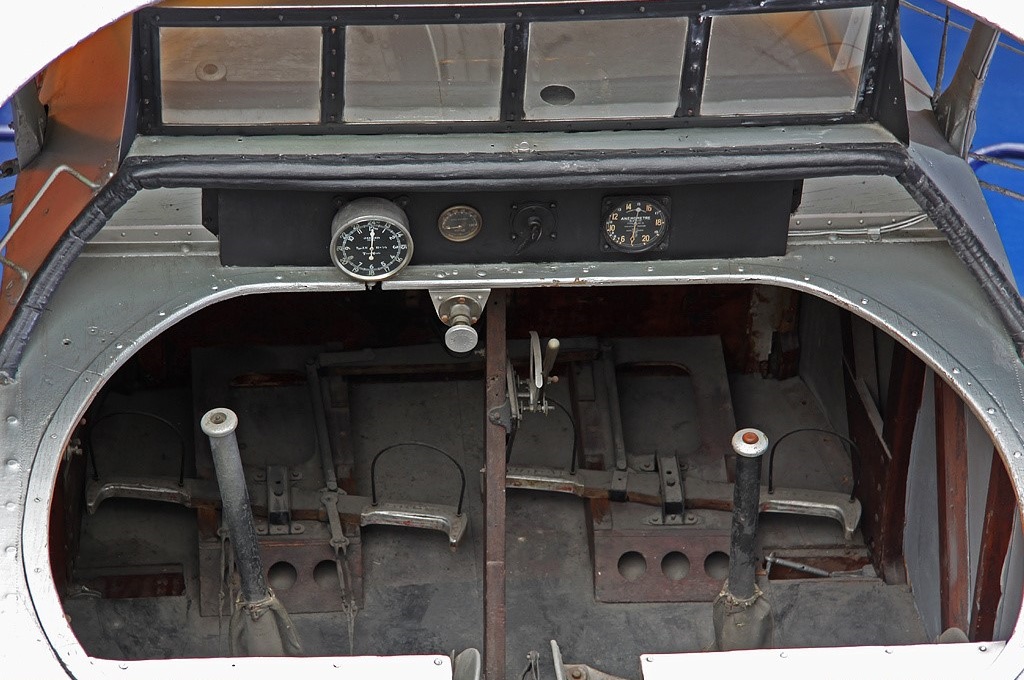
SPAD S.54

The SPAD S.54 was a French biplane trainer aircraft of the early 1920s, developed by Société Pour L’Aviation et ses Dérivés (SPAD).

Designed by Louis Béchéreau, the S.54 first flew on 23 February 1922.

Twenty-five were built, operated by the Aéronautique Militaire.

Engine: 1 × Clerget 9B, 97 kW (130 hp)
Wingspan: 8.96 m (29 ft 5 in)
Wing area: 23.52 m2 (253.2 sq ft)
Length: 7.24 m (23 ft 9 in)
Height: 2.57 m (8 ft 5 in)
Empty weight: 520 kg (1,146 lb)
Gross weight: 757 kg (1,669 lb)
Maximum speed: 120 km/h (75 mph, 65 kn)
Crew: 2

SPAD-Herbemont 52

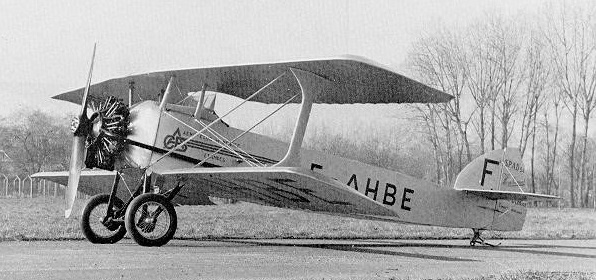
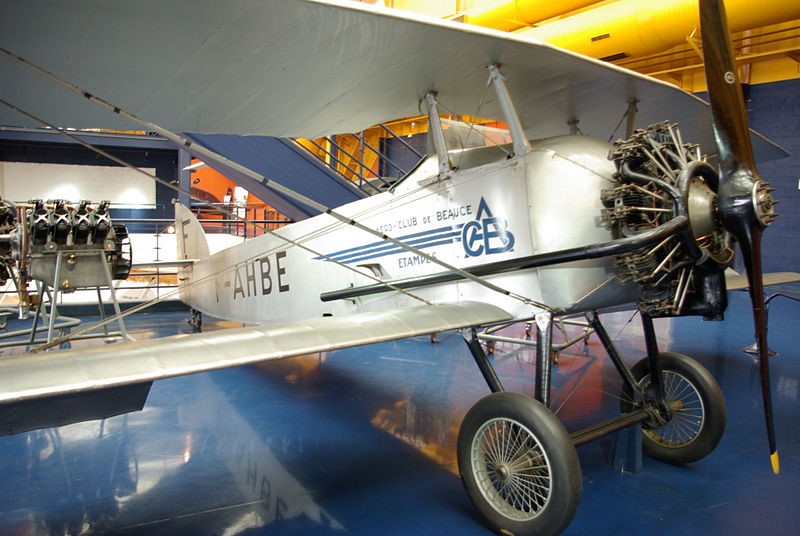
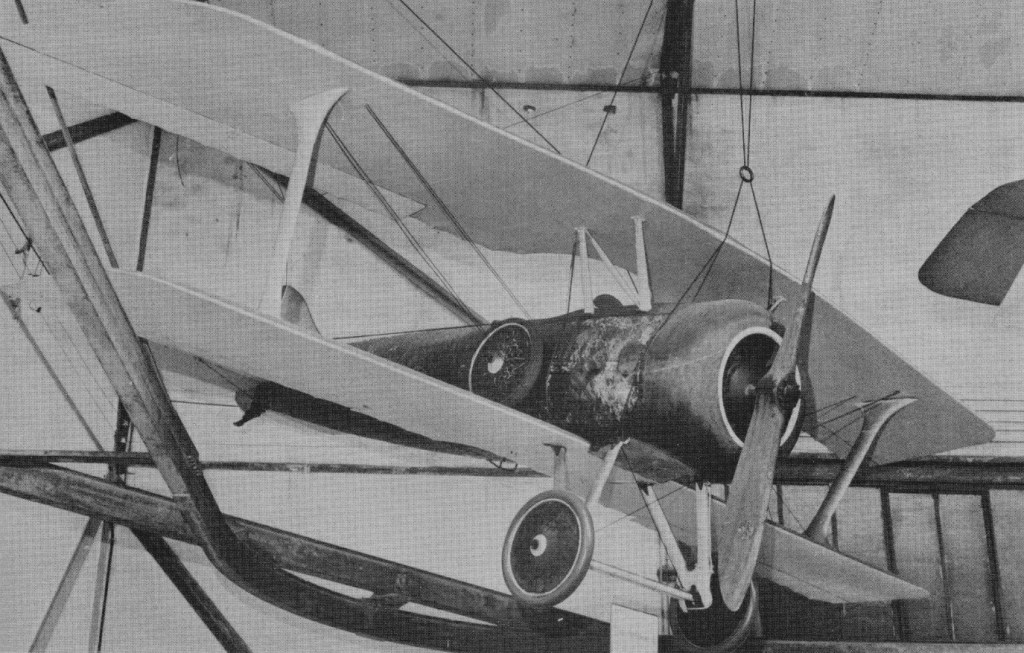
Derived from the SPAD 29, this was a one-and-only for aerobatic pilot Jean Casale who used it during air meets. The craft carried a spare wheel on each side of the fuselage.

It was donated to a museum by racing pilot Sadi-Lecointe.

Engine: Gnome-Rhone, 120 hp
Wingspan: 25.26 ft
Length: 18.99 ft